

Stanley Planes

 Loading...
End of content
Error - No more pages to load
Stanley Planes at Tooled-Up.com
Stanley has been synonymous with woodworking excellence since 1843, and their range of hand planes represents nearly two centuries of continuous refinement and innovation. The Stanley planes collection available from Tooled-Up.com encompasses everything from classic bench planes to specialised block planes, each designed to deliver precision results that professional joiners and discerning woodworkers demand. These tools have earned their reputation through generations of craftsmen who have relied on Stanley's commitment to quality engineering and dependable performance.
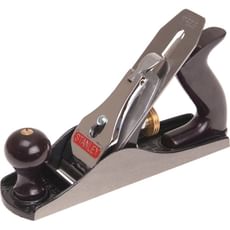
Whether you're flattening boards, trimming door edges, or creating fine furniture, Stanley planes deliver the accuracy and control essential for professional-grade woodworking. Each plane in the range features carefully machined bodies, precision-ground cutting irons, and ergonomic designs that reduce fatigue during extended use. From the iconic Stanley No. 4 smoothing plane to compact block planes perfect for site work, these tools represent the gold standard in hand plane manufacture.
Why Choose Stanley Planes?
Stanley's reputation in the hand plane market is unmatched, built on decades of producing tools that combine traditional craftsmanship with modern manufacturing precision. The brand's planes are recognised worldwide for their durability, with many vintage Stanley planes still in daily use after 50 years or more. This longevity stems from robust cast iron construction, high-carbon steel blades that hold their edge exceptionally well, and attention to detail in every component.
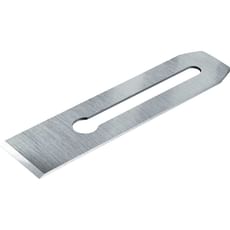
Professional tradespeople choose Stanley planes because they offer exceptional value without compromising on performance. The cutting irons are manufactured to exacting standards, ensuring consistent blade geometry that simplifies sharpening and maintains cutting performance. Stanley's quality control processes ensure that each plane arrives properly assembled and ready for immediate use after minimal setup. The brand's extensive replacement parts availability means these tools can be maintained and restored rather than replaced, making them a sustainable choice for environmentally conscious professionals.
Who Uses Stanley Planes?
- Joiners and Carpenters: Professional woodworkers who require reliable planes for fitting doors, windows, and architectural joinery
- Cabinet Makers: Craftspeople creating fine furniture who depend on precision surface finishing and edge preparation
- Shopfitters: Tradespeople working on commercial installations where precise fitting is essential
- Heritage Restoration Specialists: Professionals working on listed buildings who need traditional hand tools for sympathetic repairs
- Educational Institutions: Colleges and training centres teaching traditional woodworking skills to apprentices
- Serious DIY Enthusiasts: Home woodworkers who appreciate quality tools that will last a lifetime
- Boat Builders: Marine craftspeople requiring precise shaping and fitting of timber components
Key Features of Stanley Planes
Stanley planes incorporate several distinctive features that contribute to their outstanding performance. The cast iron bodies provide the mass necessary for smooth, chatter-free cutting, whilst the precision-machined sole ensures flatness across the entire cutting surface. High-carbon steel cutting irons maintain their edge longer than softer alternatives, reducing downtime for sharpening during extended work sessions.
The blade adjustment mechanisms on Stanley planes are renowned for their precision and ease of use. Lateral adjustment levers allow for quick squaring of the blade, whilst depth adjustment wheels enable fine-tuning of cut depth with remarkable accuracy. The cap iron design helps break chips effectively, preventing tear-out on difficult grain patterns. Comfortable handles, whether traditional hardwood or modern composite materials, are ergonomically shaped to reduce hand fatigue during prolonged use.
Many Stanley planes feature fully adjustable mouths, allowing users to optimise the tool for different cutting situations. A tight mouth provides maximum support for fine finishing cuts, whilst a wider opening accommodates heavier stock removal. The robust construction means these adjustments remain stable during use, maintaining consistent cutting performance throughout the working day.
Popular Stanley Planes
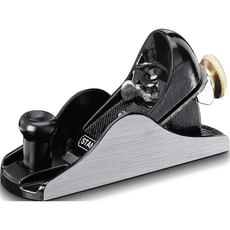
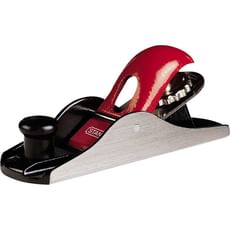
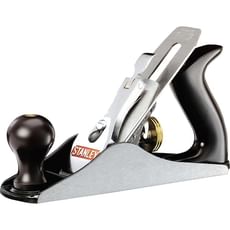
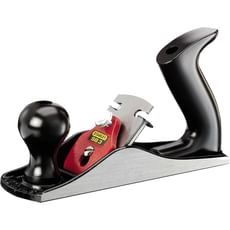
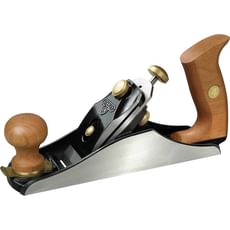
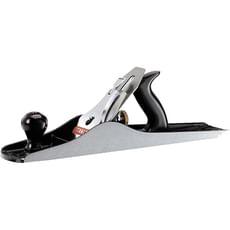
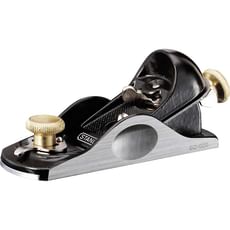
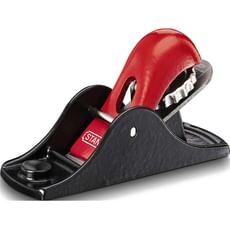
The Stanley No. 4 smoothing plane remains the most popular choice for general-purpose woodworking, offering the perfect balance of size, weight, and versatility. This 245mm bench plane excels at surface finishing and is often the first plane in any woodworker's toolkit. The Stanley block plane range provides compact solutions for one-handed operation, perfect for chamfering, end-grain work, and site-based trimming tasks where portability is essential.
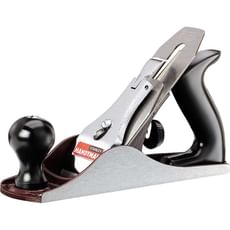
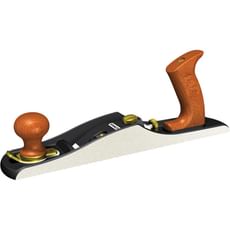
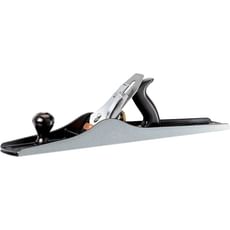
Jack planes in the Stanley range, such as the No. 5, offer longer soles for flattening larger surfaces and straightening edges. These versatile tools bridge the gap between rough stock preparation and fine finishing work. For specialised applications, Tooled-Up stocks Stanley's range of shoulder planes, rebate planes, and bullnose planes, each designed for specific joinery tasks that demand precision and control.
Safety and Compliance
Whilst hand planes don't require electrical safety certifications, their sharp cutting edges demand respect and proper handling techniques. Stanley planes should always be stored with blade guards in place or retracted into the body to prevent accidental contact. When adjusting or sharpening blades, users should follow HSE guidelines for sharp tool handling, including appropriate work holding methods and maintaining secure grips.
Proper plane setup significantly enhances safety by reducing the force required for cutting, minimising the risk of slips or loss of control. The blades should be kept sharp, as dull cutting edges require excessive force and are more likely to cause accidents. When not in use, planes should be laid on their side to protect the blade edge and prevent the tool from rolling. Eye protection is recommended when planning particularly hard or splintery timber species to guard against flying debris.
Frequently Asked Questions
How do I set up a Stanley plane for first use?
New Stanley planes require minimal setup. Sharpen the cutting iron using progressively finer sharpening stones to achieve a keen edge, then reassemble the plane ensuring the cap iron sits approximately 1-2mm behind the cutting edge. Adjust the blade depth until a fine shaving is produced, and use the lateral adjustment lever to ensure the blade is square to the sole.
What's the difference between a block plane and a bench plane?
Block planes are compact, single-handed tools with the bevel-up blade configuration, ideal for end-grain work, chamfering, and site-based trimming. Bench planes are larger, two-handed tools with bevel-down blade orientation, designed for surface flattening, edge jointing, and general stock preparation. Stanley manufactures both types for different woodworking applications.
How often should I sharpen my Stanley plane blade?
Sharpening frequency depends on usage intensity and timber species being worked. Most professionals touch up their blades every few hours of active use, performing a quick honing on a fine stone. A full sharpening session, including flattening the back and re-establishing the primary bevel, might be needed weekly for heavy users or when working abrasive timbers.
Can Stanley planes work with modern engineered timber products?
Traditional Stanley planes perform best on solid timber. Engineered products like MDF or plywood contain adhesives that quickly dull cutting edges, making them less suitable for hand planing. For occasional use on these materials, expect to sharpen more frequently. Solid hardwoods and softwoods remain the ideal application for Stanley hand planes.
Are replacement parts available for Stanley planes?
Yes, Stanley maintains excellent parts availability for their plane range. Replacement blades, cap irons, adjustment mechanisms, and other components can be sourced through specialist retailers like Tooled-Up, ensuring these tools can be maintained for decades of service. This parts support makes Stanley planes an excellent long-term investment for professional tradespeople.