

Stanley Demolition Tools


 Loading...
End of content
Error - No more pages to load
Stanley Demolition Tools at Tooled-Up.com
Stanley has been a trusted name in professional hand tools for over 175 years, and their demolition tools continue this proud heritage of reliability and durability. From the iconic Stanley FatMax wrecking bars to their precision-engineered cold chisels and bolsters, Stanley demolition tools are engineered to withstand the toughest site conditions. Whether you're stripping out interiors, breaking concrete, or removing old fixtures, Stanley's demolition range delivers the power and control that professional tradespeople demand.
The Stanley demolition tools collection features heavy-duty pry bars, demolition hammers, masonry chisels, brick bolsters, and specialist scraping tools, all manufactured to exacting standards. Each tool is designed with the user in mind, incorporating ergonomic handles, anti-slip grips, and forged steel construction that stands up to repeated heavy impacts. Tooled-Up.com stocks the complete range of Stanley demolition equipment, ensuring tradespeople and serious DIY enthusiasts have access to the tools they need for even the most demanding demolition and renovation projects.
Stanley's FatMax range represents the pinnacle of their demolition tool offering, featuring enhanced durability through heat-treated steel and innovative designs that maximise leverage whilst minimising user fatigue. These tools are built for professionals who can't afford tool failure on site, combining traditional manufacturing excellence with modern materials technology.
Why Choose Stanley Demolition Tools?
Stanley's reputation in the demolition tools sector is built on decades of proven performance in the harshest working environments. Their tools undergo rigorous testing to ensure they meet the demands of professional demolition work, from light strip-out tasks to heavy-duty breaking operations. The brand's commitment to quality means every wrecking bar, cold chisel, and bolster is manufactured from premium-grade steel, heat-treated for optimal hardness and resistance to bending or mushrooming.
One of Stanley's key advantages is their understanding of real-world site conditions. Their demolition tools feature practical innovations such as nail-pulling slots integrated into pry bars, striking caps on chisels to prevent mushrooming, and bi-material handles that reduce vibration transmission to the user's hands. This attention to detail translates into tools that not only last longer but also reduce user fatigue during extended demolition work.
Stanley backs their demolition tools with comprehensive warranties, demonstrating confidence in their manufacturing quality. The brand's global presence also means replacement parts and new tools are readily available through Tooled-Up, ensuring minimal downtime for professional users who rely on their equipment daily.
Who Uses Stanley Demolition Tools?
- General Builders – for site strip-outs, renovation work, and demolition preparation
- Carpenters and Joiners – removing old woodwork, pulling nails, and dismantling timber structures
- Plumbers – accessing pipework behind walls and removing old fixtures
- Electricians – creating chases for cabling and removing old electrical installations
- Plasterers – preparing surfaces and removing old render or plasterwork
- Roofers – stripping old roof coverings and removing battens
- Groundworkers – breaking concrete, removing paving, and general demolition tasks
- Property Maintenance Professionals – general repair and refurbishment work
- Serious DIY Enthusiasts – undertaking home renovation and improvement projects
Key Features of Stanley Demolition Tools
Forged Steel Construction: Stanley demolition tools are manufactured from high-carbon steel that's forged rather than cast, providing superior strength and resistance to breakage under impact loads. This manufacturing process ensures the grain structure of the steel is aligned for maximum durability.
Heat Treatment: Critical striking surfaces and leverage points are heat-treated to increase hardness and wear resistance, extending tool life significantly compared to non-treated alternatives. This process prevents the deformation that can occur with inferior tools.
Ergonomic Handle Design: Stanley incorporates bi-material handles on many demolition tools, combining rigid cores for strength with softer outer materials for comfort and vibration damping. This reduces hand fatigue during extended use and improves grip in wet or dusty conditions.
FatMax Technology: The premium FatMax range features enhanced designs with optimised weight distribution, improved leverage ratios, and reinforced striking surfaces. These tools are specifically engineered for professional users who demand maximum performance.
Anti-Mushroom Striking Caps: Many Stanley chisels and bolsters feature protective striking caps that prevent the mushrooming effect that occurs when steel tools are repeatedly struck with hammers, improving both safety and tool longevity.
Popular Stanley Demolition Tools
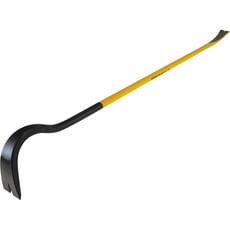
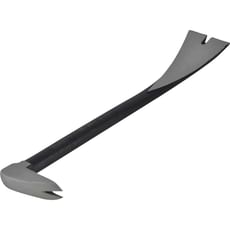
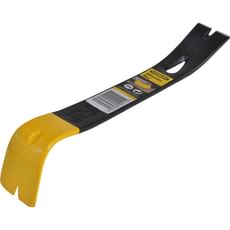
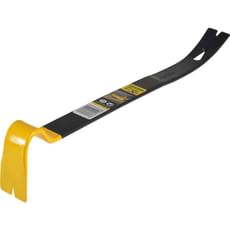
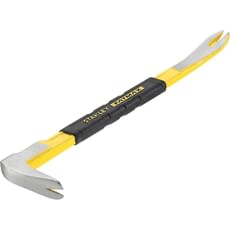
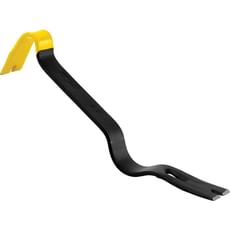
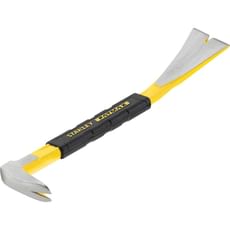
Stanley FatMax Wrecking Bars: Available in multiple lengths from 300mm to 900mm, these pry bars feature optimised geometry for maximum leverage and precision nail-pulling capabilities. The distinctive yellow FatMax finish makes them easy to locate on busy sites.
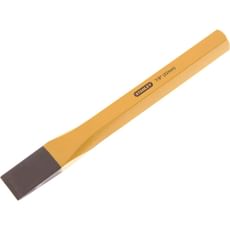
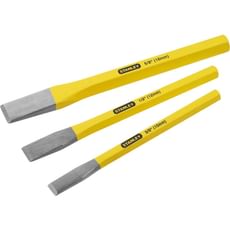
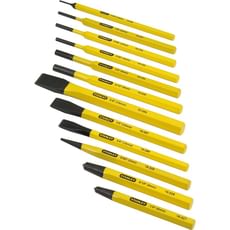
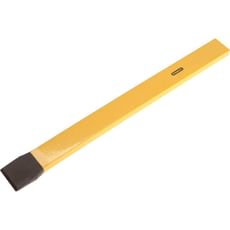
Stanley Cold Chisels: Manufactured from chrome vanadium steel with octagonal shanks for secure grip, these chisels are ideal for cutting masonry, brick, and metalwork. Available in various widths to suit different applications.
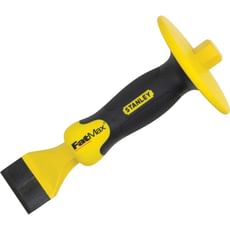
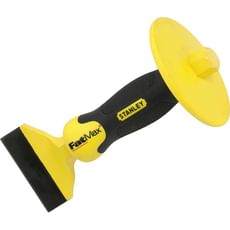
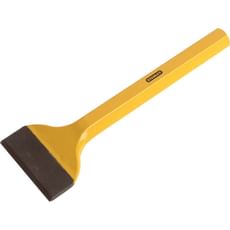
Stanley Brick Bolsters: Wide-blade chisels specifically designed for cutting bricks and blocks, featuring hand guards to protect users during striking and heat-treated cutting edges for extended sharpness retention.
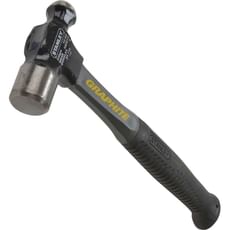
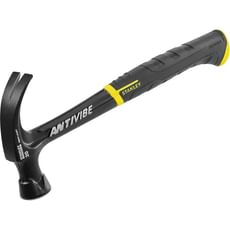
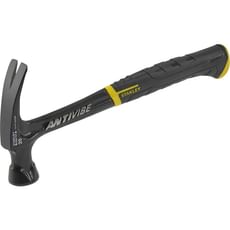
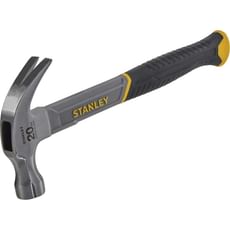
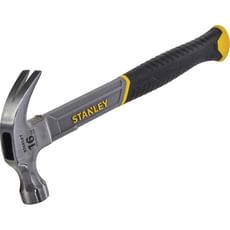
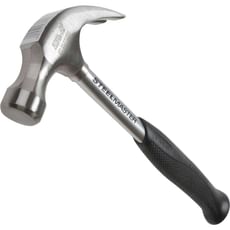
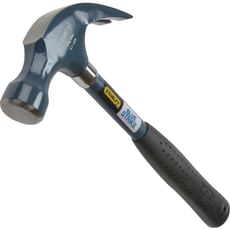
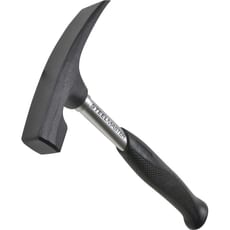
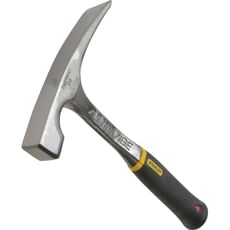
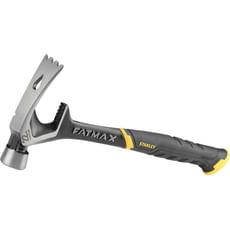
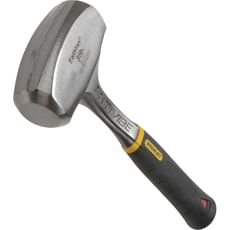
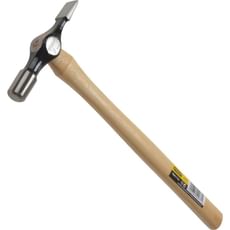
Stanley Demolition Hammers: Heavy-duty hammers with fibreglass or steel handles, designed specifically for demolition work with reinforced striking faces and balanced weight distribution for controlled, powerful blows.
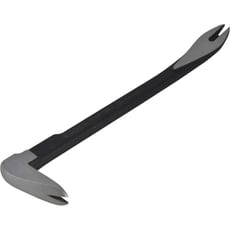
Stanley Pry Bars and Nail Pullers: Specialist leverage tools for removing nails, boards, and fixtures, featuring angled heads and integrated nail slots for efficient dismantling work without damaging surrounding materials.
Safety and Compliance
Stanley demolition tools are manufactured to comply with relevant British and European standards, including BS EN ISO specifications for hand tools. When using any demolition equipment, users should follow HSE guidelines for manual handling and impact tool operation, including wearing appropriate personal protective equipment such as safety glasses, gloves, and steel-toe boots.
Always inspect Stanley demolition tools before use for signs of damage, particularly checking for cracks, mushrooming on striking surfaces, and handle integrity. Damaged tools should be removed from service immediately to prevent injury. When striking chisels and bolsters, ensure the work area is clear of other personnel and that the workpiece is securely positioned to prevent slippage.
For demolition work involving potential asbestos, lead paint, or other hazardous materials, consult HSE COSHH regulations and consider whether specialist contractors should be engaged. Stanley tools should be used only for their intended purpose and within their design limitations to maintain both safety and warranty coverage.
Frequently Asked Questions
Are Stanley FatMax demolition tools worth the extra cost compared to standard Stanley tools?
The FatMax range represents Stanley's premium offering with enhanced materials, superior heat treatment, and optimised designs. For professional tradespeople using demolition tools daily, the increased durability and performance typically justify the investment through extended tool life and improved productivity. For occasional DIY use, standard Stanley demolition tools offer excellent value whilst maintaining the brand's quality standards.
How do I prevent mushrooming on Stanley cold chisels and bolsters?
Many Stanley chisels feature anti-mushroom striking caps, but regular inspection and maintenance are essential. If mushrooming does occur, carefully grind away the deformed metal using a bench grinder, maintaining the original angle and ensuring a smooth finish. Always wear safety glasses when grinding tools and allow adequate cooling time to prevent heat damage to the steel's temper.
What's the difference between Stanley wrecking bars and pry bars?
Wrecking bars (also called crowbars) are typically heavier and designed for major demolition work requiring significant leverage and impact resistance. Pry bars are generally lighter and more precise, ideal for carefully removing trim, pulling nails, and controlled dismantling where you want to minimise damage to surrounding materials. Stanley manufactures both types to suit different applications.
Can Stanley demolition tools be resharpened?
Yes, Stanley chisels and bolsters can be resharpened using a bench grinder or sharpening stone. Maintain the original bevel angle (typically around 60 degrees for cold chisels used on masonry) and work slowly to avoid overheating the steel, which could affect the heat treatment. Keep a container of water nearby to cool the tool during grinding.
Are Stanley demolition tools suitable for breaking reinforced concrete?
Stanley hand demolition tools are designed for brick, block, standard concrete, and general demolition work. For reinforced concrete, powered demolition equipment such as electric breakers or pneumatic hammers are more appropriate. Using hand tools on reinforced concrete risks tool damage and user injury. Always select the correct tool for the material and consult the Stanley product specifications for guidance on maximum material hardness ratings.