

Stanley Bars


 Loading...
End of content
Error - No more pages to load
Stanley Bars at Tooled-Up.com
Stanley has been a trusted name in professional hand tools since 1843, and their range of bars exemplifies the brand's commitment to durability, precision, and practical design. From demolition work to fine carpentry adjustments, Stanley bars are engineered to withstand the demanding conditions of professional tradespeople whilst remaining accessible to serious DIY enthusiasts. The Stanley bars collection encompasses wrecking bars, pry bars, nail pullers, and specialty leveraging tools, all manufactured to exacting standards that have made Stanley a household name across British building sites.
What distinguishes Stanley bars from competitors is their careful attention to material selection and heat treatment processes. Each bar is crafted from high-carbon steel that's been drop-forged for exceptional strength, then heat-treated to achieve the optimal balance between hardness and flexibility. This prevents the bending, chipping, or snapping that can occur with inferior tools under heavy loads. Stanley's distinctive yellow and black branding makes these tools instantly recognisable in any tool bag or on any work site, whilst their ergonomic designs reduce user fatigue during extended use.
The comprehensive selection at Tooled-Up includes everything from compact nail bars perfect for trim work to heavy-duty wrecking bars designed for serious demolition tasks. Whether you're removing skirting boards, dismantling pallets, or undertaking major renovation projects, Stanley's bars provide the leverage and durability required to complete the job efficiently and safely.
Why Choose Stanley Bars?
Stanley's reputation for quality tool manufacturing spans nearly two centuries, and this heritage is evident in every bar they produce. The brand's commitment to continuous improvement means their bars incorporate generations of feedback from professional tradespeople, resulting in tools that address real-world challenges. Stanley bars feature carefully calculated fulcrum points that maximise leverage whilst minimising the force required from the user, reducing strain and improving productivity throughout the working day.
Durability is another compelling reason to choose Stanley bars. The drop-forging process creates a grain structure within the steel that follows the tool's contours, significantly increasing strength compared to cast or machined alternatives. This manufacturing technique, combined with precisely controlled heat treatment, ensures Stanley bars can withstand repeated impacts and extreme leveraging forces without permanent deformation. Many tradespeople report using the same Stanley bars for decades, making them an exceptional long-term investment.
Stanley also prioritises user safety in their bar designs. Bevelled striking ends prevent mushrooming when hit with hammers, whilst ground and polished working surfaces reduce the risk of splinters or sharp edges. Many Stanley bars feature bi-material handles or textured grips that maintain purchase even when wet or oily, reducing the likelihood of slippage during critical moments. This attention to practical safety features demonstrates Stanley's understanding of actual working conditions on British building sites.
Who Uses Stanley Bars?
Stanley bars are the tool of choice across numerous trades and applications:
- Carpenters and Joiners: For removing nails, adjusting timber work, and dismantling wooden structures without causing unnecessary damage
- Demolition Specialists: Heavy-duty wrecking bars for breaking apart structures, removing fixtures, and general site clearance work
- General Builders: Versatile pry bars for countless daily tasks from opening paint tins to levering materials into position
- Roofers: Specialised bars for removing tiles, slates, and roofing felt without damaging surrounding materials
- Maintenance Engineers: For accessing sealed equipment housings, removing stubborn fasteners, and general leveraging tasks
- Landscape Gardeners: For removing paving slabs, breaking up concrete, and moving heavy stone materials
- DIY Enthusiasts: Home improvers tackling renovation projects, furniture restoration, and general maintenance work
- Shopfitters: For careful removal and installation of fixtures without damaging surrounding finishes
Key Features of Stanley Bars
Stanley bars incorporate several distinctive features that enhance their performance and longevity. The drop-forged construction creates a tool with superior strength-to-weight ratio, allowing for lighter bars that don't compromise on durability. This is particularly beneficial for tradespeople who carry tools between locations or work from ladders where every gram matters.
Heat treatment processes are precisely controlled to achieve the ideal Rockwell hardness rating for each bar type. This ensures nail-pulling bars have the hardness to resist wear at the claw whilst maintaining enough flexibility in the shaft to prevent snapping under side loads. Wrecking bars receive different heat treatment to provide the toughness needed for striking and prying in demolition applications.
The bevelled nail slots found on Stanley pry bars are carefully machined to grip nail heads securely without slipping, whilst the curved profiles on many models provide multiple fulcrum positions for different leveraging situations. Chrome plating on many Stanley bars provides corrosion resistance for long-term durability, particularly important in the damp conditions common to British building sites.
Ergonomic handle designs feature prominently across the Stanley bars range. Whether moulded bi-material grips or traditionally shaped steel handles with rolled edges, each design considers the user's comfort during extended use. The balanced weight distribution prevents hand fatigue, whilst the grip textures provide secure purchase without requiring excessive gripping force.
Popular Stanley Bars
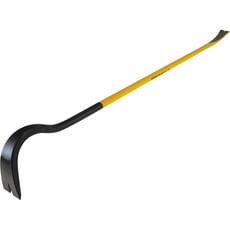
The Stanley range available from Tooled-Up encompasses several popular categories. FatMax wrecking bars represent the premium end of Stanley's offerings, featuring patented designs with optimised geometry for maximum leverage. These bars often incorporate the distinctive FatMax anti-vibe technology that reduces shock transmission to the user's hands during striking operations.
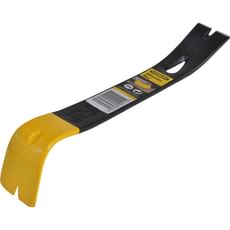
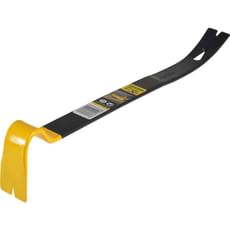
Wonder Bars are another Stanley innovation, featuring a curved design that provides multiple pry points and nail-pulling positions within a single compact tool. These are particularly favoured by carpenters and joiners who need versatile functionality without carrying multiple specialised bars.
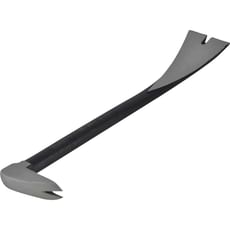
Traditional Stanley nail bars and pry bars remain popular choices for general construction work, offering reliable performance at accessible price points. These straightforward designs prove that sometimes the simplest tools are the most effective, with no unnecessary features to fail or add weight.
Specialist offerings include slate rippers for roofing work, alignment bars for precision adjustment of heavy materials, and mini pry bars for delicate work where full-size tools would cause damage. This breadth of choice ensures there's an appropriate Stanley bar for virtually any leveraging or prying application.
Safety and Compliance
Whilst bars don't require the same regulatory compliance as power tools, Stanley ensures their products meet relevant British and European standards for hand tools. The materials used comply with REACH regulations, and the manufacturing processes adhere to ISO quality management standards that ensure consistency across production runs.
Safe usage of Stanley bars requires understanding their limitations and intended applications. Users should always inspect bars before use for signs of damage such as cracks, excessive wear, or deformation. When striking bars with hammers, appropriate eye protection should be worn to guard against flying debris. The HSE recommends selecting the correct size and type of bar for each task rather than forcing an inappropriate tool to perform beyond its design parameters.
Proper leveraging technique is essential for both safety and effectiveness. Users should position themselves so that if the bar slips, they won't fall or strike themselves. Gradual application of force is preferable to sudden jerks that might cause the bar to slip or the material to give way unexpectedly. When working at height, bars should be secured with lanyards to prevent dropping hazards to those below.
Storage considerations include keeping bars clean and dry to prevent corrosion, and storing them where their sharp ends and edges won't cause injury when reaching into tool bags or storage areas. Regular cleaning removes concrete, adhesives, and other materials that might compromise grip surfaces or accelerate wear.
Frequently Asked Questions
What's the difference between Stanley's standard bars and FatMax bars?
FatMax bars represent Stanley's premium range, typically featuring enhanced materials, patented designs with optimised leverage geometry, and anti-vibration technology. Standard Stanley bars offer proven designs and reliable performance at more accessible price points. Both ranges undergo the same rigorous quality control, so the choice often depends on usage intensity and budget considerations.
How do I choose the right length Stanley bar for my work?
Bar length selection depends on the required leverage and working space available. Longer bars provide greater mechanical advantage for heavy-duty tasks but require more room to operate. For general carpentry and light demolition, 300-450mm bars offer versatility. Heavy demolition work benefits from 600mm or longer bars. Many professionals at Tooled-Up carry multiple lengths to suit different situations.
Can Stanley bars be sharpened or reshaped if they become worn?
Whilst light grinding to remove burrs or minor damage is acceptable, significant reshaping isn't recommended as it affects the heat treatment and can compromise the tool's structural integrity. The bevelled ends can be lightly dressed with a grinder if mushrooming occurs from striking, but extensive modification will void any warranty and may create safety hazards. Severely worn bars should be replaced rather than extensively modified.
Are Stanley bars suitable for electrical work where there's risk of live circuits?
Standard Stanley bars are not insulated and should never be used on or near live electrical circuits. For electrical work, purpose-designed insulated tools certified to EN 60900 are essential. Stanley bars are conductive and offer no protection against electrical shock. Always isolate circuits and verify they're dead before using metal hand tools in electrical environments.
How should I maintain my Stanley bars to maximise their lifespan?
Clean bars after each use to remove concrete, adhesives, and corrosive materials. A wire brush removes stubborn deposits, whilst a light coating of machine oil protects chrome-plated surfaces during storage. Inspect regularly for cracks, excessive wear, or deformation, particularly around stress points. Store in dry conditions and avoid leaving bars embedded in materials overnight, as moisture and corrosive substances can cause pitting. With proper care, quality Stanley bars can provide decades of reliable service.