

Stanley Detectors & Testing Tools
 Loading...
End of content
Error - No more pages to load
Stanley Detectors & Testing Tools at Tooled-Up.com
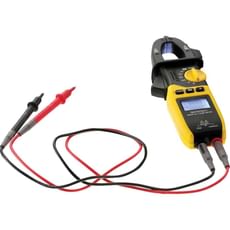
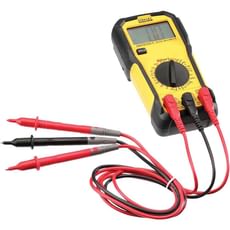
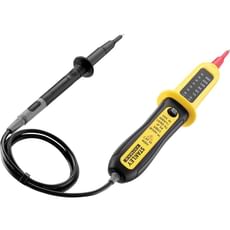
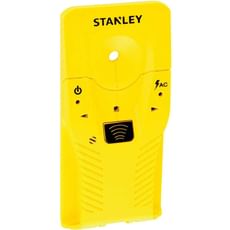
Stanley has built a formidable reputation in the construction and trades industry, extending their expertise beyond hand tools to encompass sophisticated detection and testing equipment. The Stanley detectors and testing tools range combines the brand's legendary durability with modern sensing technology, delivering reliable performance for professionals and serious DIY enthusiasts alike. From locating hidden studs and joists to identifying live electrical circuits, Stanley's detection equipment provides the accuracy and dependability that tradespeople demand on site.
Whether you're a seasoned electrician running continuity tests, a builder hunting for buried services, or a decorator planning safe drilling routes, Stanley's detection tools offer practical solutions backed by decades of manufacturing excellence. These instruments are designed to withstand the rigours of daily professional use whilst remaining accessible enough for home users tackling complex renovation projects. The range available from Tooled-Up.com encompasses everything from straightforward stud detectors to sophisticated multi-material scanners, each engineered to deliver consistent results in real-world conditions.
Stanley understands that accurate detection can mean the difference between a smooth installation and costly mistakes. Their testing and detection equipment incorporates intuitive interfaces and clear visual indicators, ensuring users can work confidently even in challenging environments. The brand's commitment to practical innovation means their detectors often feature multiple sensing modes, allowing a single tool to locate wood studs, metal pipes, and live electrical cables—essential versatility for modern construction sites.
Why Choose Stanley Detectors & Testing Tools?
Stanley's pedigree in the construction industry translates directly into their detection equipment philosophy: build tools that work reliably, day in and day out. The brand's detectors are engineered with robust housings that resist the knocks and drops inherent to site work, whilst maintaining the sensitivity required for accurate readings. This balance between toughness and precision makes Stanley detection tools particularly suited to professional environments where equipment must perform consistently across varied conditions.
The integration of user-friendly features sets Stanley apart in this category. Their detectors typically incorporate large, backlit displays for visibility in poorly lit spaces, ergonomic grips for comfortable single-handed operation, and straightforward calibration processes that minimise setup time. Stanley recognises that tradespeople need tools that enhance productivity rather than complicate workflows, which is why their detection equipment focuses on delivering actionable information quickly and clearly.
Value represents another compelling reason to choose Stanley for detection and testing needs. The brand offers professional-grade accuracy at price points that remain accessible to independent tradespeople and smaller contractors. This democratisation of quality detection technology means you don't need to invest in premium specialist brands to achieve reliable results, making Stanley an intelligent choice for those building their tool collection or replacing worn equipment.
Who Uses Stanley Detectors & Testing Tools?
Stanley detectors and testing tools serve a diverse range of users across the construction and maintenance sectors:
- Electricians and Electrical Contractors: Using voltage detectors, circuit testers, and cable locators for safe installation and fault-finding work
- Plumbers and Heating Engineers: Employing pipe detectors to locate hidden services before drilling or cutting into walls and floors
- Carpenters and Joiners: Utilising stud finders to identify fixing points behind plasterboard and lath walls
- Builders and General Contractors: Relying on multi-material detectors to survey walls before renovation work commences
- Property Maintenance Professionals: Using detection equipment for diagnostic work and safe fixture installation
- Kitchen and Bathroom Fitters: Locating services behind tiles and panels to prevent accidental damage during fitting
- DIY Enthusiasts: Homeowners undertaking renovation projects who need reliable detection for safe working
- Decorators: Identifying safe drilling zones for hanging heavy fixtures and installing shelving systems
Key Features of Stanley Detectors & Testing Tools
Stanley's detection and testing equipment incorporates several distinctive features that enhance usability and accuracy. Multi-material detection capability allows single devices to sense different substrate types—wood, metal, and live AC cables—eliminating the need to carry multiple specialised tools. This versatility proves particularly valuable when working in older properties where hidden services may not follow predictable patterns.
Depth indication technology features prominently across Stanley's detector range, providing users with information about how far below the surface detected objects lie. This intelligence helps tradespeople select appropriate fixings and avoid accidentally penetrating pipes or cables that run deeper within wall cavities. Visual and audible alerts work in concert to confirm detections, ensuring users receive clear feedback even in noisy environments or when their attention is focused on positioning rather than the device display.
Automatic calibration systems simplify the setup process, allowing detectors to adjust to different wall densities and surface conditions without manual intervention. Edge-finding functionality helps users trace the exact perimeter of studs and joists, ensuring fixings are centred properly for maximum holding strength. Many Stanley detectors incorporate built-in spirit levels and marking guides, transforming them into comprehensive layout tools rather than simple sensing devices.
Battery management features such as auto-shutoff preserve power when tools are left inactive, whilst low-battery warnings prevent users from relying on potentially inaccurate readings from depleted cells. The incorporation of standard battery formats—typically 9V or AA cells—means replacements are readily available from any hardware supplier, avoiding the frustration of proprietary power solutions.
Popular Stanley Detectors & Testing Tools
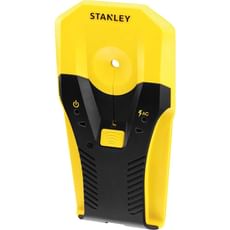
The Stanley stud detector range represents the core of their detection offering, with models spanning from basic centre-finding devices to advanced scanners that differentiate between ferrous and non-ferrous metals. These tools prove indispensable when installing heavy fixtures, running cable conduits, or fitting kitchen cabinets to plasterboard walls where secure fixing to timber studs is essential.
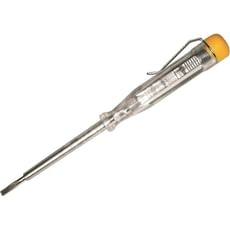
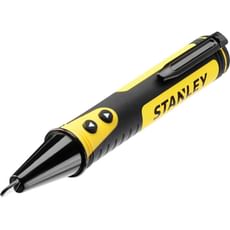
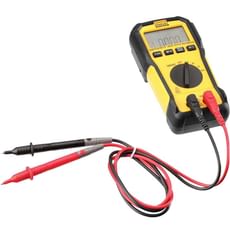
Stanley's cable and pipe detectors provide crucial safety functionality, alerting users to the presence of live 240V circuits before drilling or cutting operations commence. These devices help prevent potentially dangerous accidents and costly damage to hidden services, making them essential equipment for any electrical or renovation work. The brand's voltage testers and circuit checkers offer electricians quick verification of supply status, ensuring circuits are properly isolated before maintenance begins.
Multi-function detectors from Stanley combine several sensing technologies in single compact units, appealing to general contractors and multi-trade operatives who need comprehensive detection capability without carrying extensive tool kits. These versatile devices typically scan for timber, ferrous and non-ferrous metals, and live AC circuits, adapting their detection mode based on user selection or automatic material recognition.
Safety and Compliance
Stanley designs their detection and testing equipment to align with UK and European safety standards, ensuring products meet the requirements of professional use. When working with electrical detection tools, users should verify that devices comply with relevant BS EN standards for voltage detection and circuit testing. It's essential to remember that detectors identify the probable location of services but cannot guarantee 100% accuracy in all conditions—walls with metallic mesh, foil-backed insulation, or high moisture content may affect readings.
The Health and Safety Executive (HSE) guidance emphasises the importance of properly surveying work areas before commencing drilling or cutting operations. Tooled-Up stocks Stanley detection equipment that supports compliance with these requirements, helping tradespeople fulfil their duty to work safely. Always cross-reference detector readings with building plans and knowledge of typical service routing before proceeding with invasive work.
Regular calibration checks ensure detection equipment maintains accuracy over time. Stanley detectors typically incorporate test modes or known-target verification procedures that allow users to confirm proper operation before commencing actual survey work. When detecting live electrical circuits, ensure the circuit is actually energised during scanning—detectors cannot identify cables that have been isolated at the consumer unit.
Frequently Asked Questions
Can Stanley stud detectors work through tiles or thick plaster?
Stanley stud detectors work most effectively through standard plasterboard and thin plaster finishes, typically detecting studs through materials up to 19-38mm thick depending on the model. Ceramic tiles add additional density that may reduce detection depth, whilst very thick lime plaster in older properties can challenge sensing capability. For best results on tiled surfaces, scan from an adjacent untiled area or use a more powerful multi-material detector from the Stanley range.
How accurate are Stanley detectors at locating live cables?
Stanley's AC detection functionality identifies electromagnetic fields generated by live 240V circuits, typically providing reliable alerts when cables are carrying current. Accuracy depends on cable depth, wall material, and whether circuits are actually energised during scanning. For critical electrical work, always complement detector readings with circuit drawings, knowledge of typical installation practices, and cautious exploratory drilling techniques. Never rely solely on detector readings when working near potential electrical hazards.
Do Stanley detectors require calibration before each use?
Most Stanley detectors feature automatic calibration systems that adjust to wall conditions when activated or when moved to a new surface. Users typically place the detector flat against the wall in an area believed to be clear of studs or services, then press the calibration button. The device establishes a baseline reading for that particular wall density, improving detection accuracy. This process takes just seconds and significantly enhances reliability, particularly when working across different building materials.
Will Stanley detectors work on lath and plaster walls?
Traditional lath and plaster construction presents challenges for stud detectors due to the metallic nails securing wooden laths to studs, which can generate numerous false readings. Stanley detectors with metal discrimination capability perform better in these conditions, potentially distinguishing between small nails and larger stud framing. However, manual probing with a thin bradawl often provides more reliable stud location in historic buildings with lath construction. Alternatively, use the detector to find clear areas between studs, then measure typical 400mm or 600mm centres to predict stud positions.
Can I use Stanley detection tools in damp or wet conditions?
Whilst Stanley builds their detectors to withstand typical site conditions, moisture on wall surfaces or within the substrate can affect detection accuracy by altering electrical properties and density readings. High moisture content may trigger false positives or mask genuine detections. Ensure wall surfaces are dry before scanning, and avoid using detection equipment in wet weather when working on external walls. Always store detectors in dry conditions to protect electronic components and maintain long-term reliability.