

Stanley Flush Cut Saws
 Loading...
End of content
Error - No more pages to load
Stanley Flush Cut Saws at Tooled-Up.com
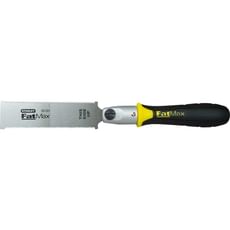
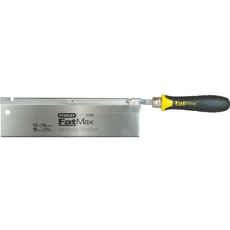
Stanley has been a trusted name in hand tools since 1843, and their flush cut saws represent the perfect blend of heritage craftsmanship and modern precision engineering. Designed specifically for cutting dowels, plugs, and wooden pegs flush to a surface without marking the surrounding material, Stanley flush cut saws are essential tools for joiners, cabinet makers, and fine woodworkers who demand clean, professional results. The flexible blade design allows the saw to bend and flex against the work surface, ensuring an absolutely flush cut every time without scratching or damaging the adjacent wood.
Stanley's approach to flush cut saw design prioritises both durability and performance. Their blades feature precision-ground teeth with carefully controlled set angles that cut on the pull stroke, giving users maximum control and reducing the risk of tear-out. The hardened steel construction ensures long-lasting sharpness even with regular professional use, while the ergonomic handle designs reduce hand fatigue during extended cutting sessions. Tooled-Up.com stocks Stanley's flush cut saw range to provide tradespeople and serious DIY enthusiasts with reliable tools that deliver consistent, high-quality results across both softwood and hardwood applications.
Whether you're trimming dowel pins in furniture assembly, cutting wooden plugs flush after pocket hole joinery, or removing proud tenons in traditional joinery work, Stanley flush cut saws offer the precision and reliability that professionals have trusted for generations. Their flexible blades conform to work surfaces without leaving witness marks, making them indispensable for finish carpentry where visible tool marks are unacceptable.
Why Choose Stanley Flush Cut Saws?
Stanley's reputation in the hand tool market is built on over 180 years of manufacturing excellence, and their flush cut saws exemplify the quality standards that have made the brand synonymous with reliability. Each saw is manufactured to exacting tolerances, ensuring that the blade flexibility is perfectly balanced – flexible enough to bend against the work surface, yet rigid enough to maintain cutting efficiency without buckling or wandering.
The heat-treated steel blades used in Stanley flush cut saws are designed to maintain their edge sharpness significantly longer than economy alternatives. This translates to fewer blade replacements, reduced downtime, and lower long-term costs for professional users. The tooth geometry is specifically engineered for flush cutting applications, with an aggressive cutting pattern that removes material efficiently whilst minimising the effort required from the user.
Stanley's commitment to ergonomics means their flush cut saw handles are designed with real-world use in mind. Comfortable grips reduce hand strain during repetitive cutting tasks, whilst the handle angles provide optimal control and visibility of the cutting line. For tradespeople who use these tools daily, these ergonomic considerations make a tangible difference to productivity and comfort throughout the working day.
Who Uses Stanley Flush Cut Saws?
Stanley flush cut saws are essential tools for a diverse range of trades and applications:
- Joiners and Cabinet Makers: For trimming dowels, biscuits, and wooden plugs flush to finished surfaces in high-quality furniture and cabinetry work
- Finish Carpenters: For cutting decorative dowels and trim elements flush without marking surrounding woodwork
- Luthiers and Instrument Makers: For precision cutting of binding, inlays, and decorative elements where surface damage is unacceptable
- Restoration Specialists: For sensitive repairs to period furniture and architectural woodwork where traditional hand tool techniques are preferred
- Shopfitters: For trimming fixture components and concealing fixings in retail and commercial installations
- DIY Enthusiasts: For home woodworking projects requiring professional-standard flush cutting without expensive power tools
- Model Makers: For precision cutting of small wooden components in architectural and design models
Key Features of Stanley Flush Cut Saws
Stanley flush cut saws incorporate several distinctive features that set them apart in the marketplace:
Flexible Blade Technology: The blade material and thickness are precisely calibrated to provide optimal flexibility. This allows the saw to bend flat against the work surface, ensuring a perfectly flush cut without the blade teeth contacting and marking the surrounding material.
Japanese-Style Tooth Pattern: Stanley employs pull-cut tooth geometry in their flush cut saws, which provides superior control compared to conventional push-cut designs. The pull stroke allows users to apply cutting force whilst maintaining excellent visibility and accuracy.
Hardened and Tempered Steel: Each blade undergoes heat treatment to achieve the ideal balance of hardness for edge retention and flexibility for flush cutting applications. This metallurgical process ensures consistent performance across the blade's service life.
Ergonomic Handle Design: Stanley's handles feature comfortable grips with sufficient size to accommodate gloved hands, important for site work in colder months. The handle angle positions the user's hand for natural wrist alignment, reducing fatigue during extended use.
Fine Tooth Pitch: The closely-spaced teeth produce smooth cuts with minimal tear-out, reducing or eliminating the need for sanding after cutting. This is particularly valuable when working with figured or decorative hardwoods.
Popular Stanley Flush Cut Saws
Stanley's flush cut saw range typically includes several configurations to suit different applications and user preferences. The standard flush cut saw features a blade length of approximately 150mm to 180mm, which provides an ideal balance between manoeuvrability and cutting capacity for most applications. This size is perfect for general joinery work, furniture making, and DIY projects.
For more specialised applications, Stanley offers flush cut saws with different tooth configurations. Fine-tooth models excel at cutting hardwoods and producing exceptionally smooth finishes, whilst coarser tooth patterns work more efficiently in softwoods and when speed is prioritised over ultimate surface finish. The selection available from Tooled-Up ensures that tradespeople can choose the optimal specification for their particular requirements.
Stanley's commitment to quality means even their entry-level flush cut saws deliver professional performance, making these tools accessible to serious DIY enthusiasts as well as full-time professionals. The durability and edge retention of Stanley blades mean that even with regular use, these saws remain sharp and effective, providing excellent value over their service life.
Safety and Compliance
Whilst flush cut saws are relatively safe hand tools compared to powered alternatives, proper use and handling remain important. Always ensure that the workpiece is properly secured before cutting, as movement during the cutting stroke can cause the flexible blade to deflect unexpectedly. Maintain firm control of the saw throughout the cutting motion, and keep fingers clear of the cutting path.
When not in use, Stanley flush cut saws should be stored in a way that protects the blade teeth from damage – a blade guard or tool roll helps maintain sharpness and prevents accidental contact with the teeth. Regular inspection of the blade for damage or excessive wear ensures safe operation; a damaged blade should be replaced rather than risk breakage during use.
For professional use on construction sites, flush cut saws fall under general hand tool safety guidelines as outlined by the HSE. Whilst no specific certification is required to operate these tools, users should receive adequate training in proper technique to ensure both safety and optimal results. When working at height or in confined spaces, ensure the saw is secured with a tool lanyard to prevent drops that could injure those below or damage the tool.
Frequently Asked Questions
What makes Stanley flush cut saws different from regular hand saws?
Stanley flush cut saws feature thin, flexible blades specifically designed to bend flat against a work surface, allowing you to cut dowels, plugs, or tenons perfectly flush without marking the surrounding wood. The flexible blade design and specialised tooth geometry make them ideal for finish work where standard saws would damage adjacent surfaces.
Can Stanley flush cut saws be sharpened or are they disposable?
Whilst Stanley flush cut saw blades can technically be sharpened, the specialised tooth geometry and thin blade material make hand sharpening challenging without proper equipment. Most professional users replace the entire saw once it becomes dull, as the cost of professional sharpening often approaches the price of a new tool. However, with proper care and appropriate use, Stanley flush cut saws maintain their edge through extensive use.
What's the best technique for using a Stanley flush cut saw?
The key technique is to allow the blade's flexibility to work for you. Place the blade flat against the reference surface and use smooth, controlled pull strokes with light pressure. Let the blade bend naturally against the surface rather than forcing it. Pull-cutting gives you better control and visibility than pushing, and the saw will naturally track along the surface if you maintain consistent pressure. Work steadily rather than rushing, and the result will be a perfectly flush cut.
Are Stanley flush cut saws suitable for plastic or metal dowels?
Stanley flush cut saws are designed primarily for wood applications. Whilst they can cut softer plastics in a pinch, the blade geometry and tooth hardness are optimised for wood fibres. Attempting to cut metal or hard plastics will rapidly dull the teeth and may damage the blade. For non-wood materials, specialised cutting tools appropriate to the material should be used instead.
How do I prevent the blade from wandering or cutting at an angle?
Blade control comes from maintaining consistent pressure against the reference surface throughout the cutting stroke. Ensure the workpiece is firmly secured and stable. Start with gentle strokes to establish a kerf, then progressively use fuller strokes once the blade is tracking properly. If the blade seems to wander, reduce pressure and focus on keeping the blade body flat against the surface rather than applying excessive downward force.