

Stanley Saws
 Loading...
End of content
Error - No more pages to load
Stanley Saws at Tooled-Up.com
Stanley has been synonymous with hand tools excellence since 1843, and their saw range represents nearly two centuries of continuous innovation in cutting technology. The Stanley saws collection at Tooled-Up.com showcases the brand's commitment to precision engineering, durability, and ergonomic design that has made Stanley the first choice for professional tradespeople and serious DIY enthusiasts across the UK. From traditional handsaws to modern folding saws, Stanley combines time-tested manufacturing principles with contemporary materials and design innovations.
What distinguishes Stanley saws from competitors is their meticulous attention to blade geometry, heat treatment processes, and handle ergonomics. Each saw in the Stanley range undergoes rigorous quality control to ensure consistent performance across thousands of cuts. Whether you're a carpenter requiring razor-sharp crosscuts, a landscaper needing a reliable pruning saw, or a general tradesperson looking for an all-purpose handsaw, Tooled-Up stocks the Stanley saw that matches your specific cutting requirements.
Stanley's saw range encompasses everything from compact folding saws perfect for site work to full-size panel saws for workshop use. The brand's dedication to user comfort is evident in their Dynagrip and FatMax handle technologies, which reduce hand fatigue during extended use whilst maintaining precise control. This combination of cutting efficiency and user-centred design explains why Stanley saws remain a staple in tool bags across British building sites, workshops, and gardens.
Why Choose Stanley Saws?
Stanley's reputation for producing reliable, long-lasting saws is built on decades of proven performance in demanding professional environments. The brand's heat-treated blade technology ensures teeth remain sharp significantly longer than standard saws, reducing the frequency of replacements and maintaining cutting efficiency throughout the tool's lifespan. Stanley's proprietary tooth geometries are engineered specifically for different materials and cutting applications, delivering cleaner cuts with less effort and reduced binding.
The ergonomic handle designs found across the Stanley saw range represent genuine innovation in user comfort. Features like bi-material grips, finger grooves, and optimised handle angles reduce wrist strain and improve control during both precision work and aggressive cutting. This attention to ergonomics translates directly into improved productivity and reduced fatigue, particularly important for tradespeople using saws throughout an entire working day. Stanley also employs induction-hardened teeth on many models, providing exceptional edge retention that maintains cutting performance even after extensive use.
Beyond performance, Stanley saws offer exceptional value for money. The combination of durability, cutting efficiency, and competitive pricing makes Stanley an economical choice for both professional tradespeople managing tool budgets and DIY enthusiasts seeking professional-quality results. Stanley's comprehensive warranty support and widespread availability of replacement blades further enhance the long-term value proposition of choosing Stanley saws for your cutting needs.
Who Uses Stanley Saws?
- Carpenters and Joiners: Rely on Stanley handsaws for precise crosscuts, rip cuts, and general carpentry work
- Plumbers: Use compact Stanley saws for cutting plastic pipes and working in confined spaces
- Electricians: Employ Stanley folding saws for cutting cable trunking and accessing confined areas
- Landscapers and Gardeners: Trust Stanley pruning saws for tree surgery and garden maintenance
- General Builders: Choose Stanley saws as versatile all-purpose cutting tools for varied site work
- Shopfitters: Value Stanley precision saws for accurate cuts in display construction
- Maintenance Engineers: Appreciate compact Stanley saws for repair and maintenance tasks
- DIY Enthusiasts: Select Stanley saws for home improvement projects requiring professional-quality results
- Set Builders and Theatrical Carpenters: Depend on Stanley saws for quick, accurate cutting on location
Key Features of Stanley Saws
Induction-Hardened Teeth: Stanley employs advanced heat treatment processes that harden saw teeth to significantly higher Rockwell hardness ratings than standard saws. This treatment dramatically extends blade life and maintains sharp cutting edges through thousands of cuts, reducing replacement costs and maintaining consistent performance.
Ergonomic Handle Technology: The Dynagrip and FatMax handle systems feature bi-material construction with soft-grip zones positioned precisely where fingers naturally rest during cutting strokes. These scientifically designed handles reduce pressure points, minimise hand fatigue, and improve control during both delicate and aggressive cutting operations.
Optimised Tooth Geometry: Different Stanley saw models feature tooth patterns specifically engineered for particular materials and cutting applications. Whether you need aggressive rip-cutting through timber, smooth crosscutting for finished edges, or fine-toothed precision for delicate work, Stanley offers the appropriate tooth configuration to maximise cutting efficiency and finish quality.
Triple-Ground Teeth: Many Stanley saws feature triple-ground tooth technology that creates razor-sharp cutting edges approaching the sharpness of Japanese-style saws. This advanced grinding process delivers exceptionally clean cuts with minimal splintering, particularly valuable when working with expensive hardwoods or creating visible finished surfaces.
Heavy-Gauge Blade Construction: Stanley saw blades are manufactured from high-carbon steel with carefully controlled thickness that balances rigidity with flexibility. This prevents blade buckling during use whilst allowing sufficient flex to avoid binding in deep cuts, resulting in straighter, more accurate cutting lines.
Popular Stanley Saws
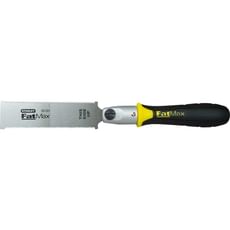
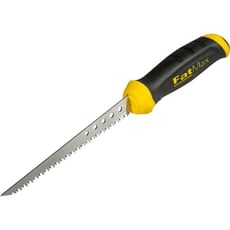
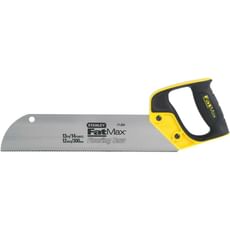
Stanley FatMax Saws: The FatMax range represents Stanley's premium saw offering, featuring the brand's most advanced handle ergonomics, sharpest blade technology, and most durable construction. FatMax saws are particularly popular with professional tradespeople who demand maximum performance and longevity from their hand tools.
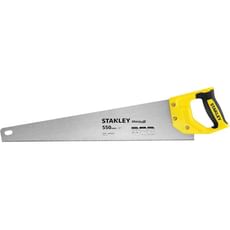
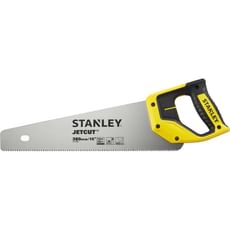
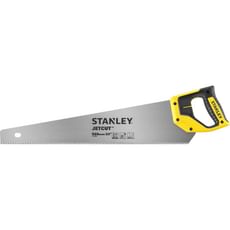
Stanley Classic Handsaws: These traditional panel saws maintain the classic Stanley design that has served generations of tradespeople whilst incorporating modern materials and manufacturing precision. Available in various lengths and tooth configurations, Stanley classic handsaws remain the benchmark for general-purpose carpentry work.
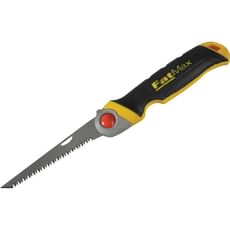
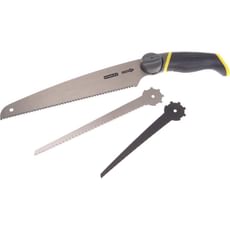
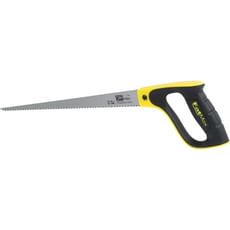
Stanley Folding Saws: Compact and portable, Stanley folding saws feature secure locking mechanisms and hardened blades that deliver surprising cutting power from a pocket-sized package. These saws are essential for electricians, plumbers, and any tradesperson working in confined spaces or requiring a portable cutting solution.
Stanley Pruning Saws: Purpose-designed for landscaping and arboriculture, Stanley pruning saws feature aggressive tooth patterns optimised for cutting green wood and living branches. The curved blade design and ergonomic handles make these saws ideal for garden maintenance, tree surgery, and woodland management.
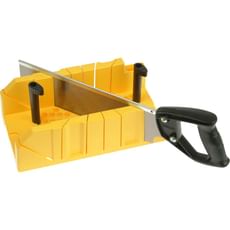
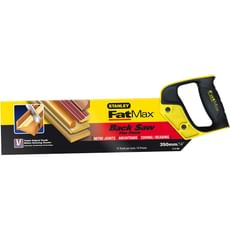
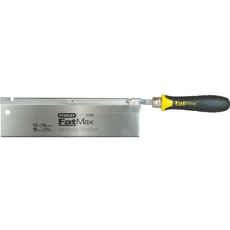
Stanley Tenon Saws: For precision joinery work, Stanley tenon saws (also called back saws) feature fine teeth and rigid spine reinforcement that enables perfectly straight cuts for tenons, dovetails, and other exacting carpentry joints. These saws are indispensable for fine woodworking and traditional joinery techniques.
Safety and Compliance
When using Stanley saws, always wear appropriate personal protective equipment including safety glasses to protect against sawdust and eye protection, and work gloves when handling materials. Ensure workpieces are securely clamped or held before cutting to prevent movement that could cause blade binding or injury. Stanley saws feature finger guards and handle designs that promote safe hand positioning, but users should always maintain awareness of hand and finger placement relative to the cutting line.
Stanley saws comply with relevant UK and European safety standards for hand tools, including BS EN ISO specifications for saw blade quality and handle strength. The Health and Safety Executive (HSE) recommends regular inspection of hand saws for damaged teeth, loose handles, or bent blades that could compromise cutting safety or accuracy. Replace damaged saws immediately rather than attempting repairs that might compromise structural integrity.
Proper maintenance extends saw life and maintains safe operation. Keep Stanley saw blades clean and dry to prevent rust formation, and store saws with blade guards or in protective sheaths when not in use. Sharp saws are safer saws – dull blades require excessive force that increases the risk of slipping and injury. When blades become noticeably dull or damaged, replacement blades are available from Tooled-Up for many Stanley saw models, ensuring your tools maintain optimal cutting performance and safety.
Frequently Asked Questions
What's the difference between Stanley FatMax and standard Stanley saws?
FatMax saws represent Stanley's premium range, featuring advanced ergonomic handles with superior grip technology, induction-hardened teeth for extended blade life, and heavier-gauge blade construction for improved rigidity and cutting accuracy. Standard Stanley saws offer excellent quality and performance at a more economical price point, making them ideal for occasional use or budget-conscious buyers, whilst FatMax tools are engineered for professional tradespeople requiring maximum performance and durability from daily use.
How do I choose the right Stanley saw for my needs?
Consider the materials you'll be cutting most frequently and the type of cuts required. For general carpentry and crosscutting timber, choose a handsaw with 7-10 teeth per inch. For rip-cutting along the grain, select a saw with fewer, more aggressive teeth (5-7 TPI). If you need portability or work in confined spaces, Stanley folding saws offer excellent cutting power in a compact package. For gardening and pruning work, Stanley's dedicated pruning saws feature curved blades and tooth patterns optimised for cutting green wood efficiently.
Can Stanley saw blades be sharpened or replaced?
Stanley saws with hardened teeth are designed as replacement items rather than sharpenable tools, as the hardening process makes teeth extremely difficult to file using traditional sharpening methods. However, this hardening treatment means Stanley saws maintain sharp cutting edges significantly longer than softer, sharpenable saws. When a Stanley saw blade eventually becomes dull after extensive use, replacement represents the most cost-effective and practical solution. Some Stanley saw models feature replaceable blades available separately, offering economic blade replacement without discarding the handle assembly.
Are Stanley saws suitable for cutting materials other than wood?
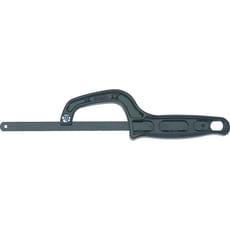
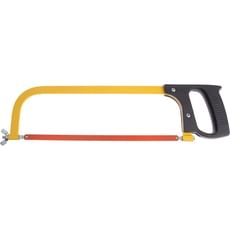
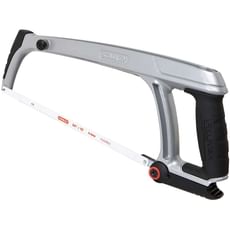
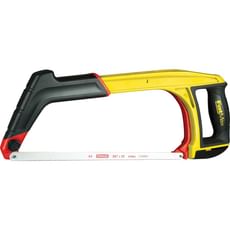
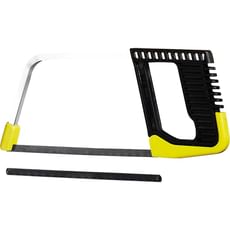
Whilst Stanley saws are primarily designed for timber and wood-based materials, certain models can cut other materials effectively. Stanley hacksaws and junior hacksaws are specifically designed for cutting metal, plastic pipes, and other non-wood materials. Standard wood saws can cut softer plastics, plasterboard, and similar materials, though this may accelerate tooth dulling. For optimal performance and blade longevity, always match the saw type to the material being cut. Using wood saws on hard materials like metal or masonry will damage teeth and void any warranty coverage.
How should I maintain my Stanley saw for maximum longevity?
Clean your Stanley saw after each use, removing sawdust and debris with a dry cloth or brush. If cutting resinous woods like pine, occasionally clean the blade with white spirit to remove sticky residue that can impede cutting performance. Store saws in a dry environment to prevent rust formation, and use blade guards or protective sheaths to protect teeth from damage. Avoid dropping saws or subjecting them to impact that could bend blades or damage handles. Periodically check that handle fixings remain tight and secure. With proper care, Stanley saws deliver many years of reliable cutting performance.