

Stanley Holesaws
 Loading...
End of content
Error - No more pages to load
Stanley Holesaws at Tooled-Up.com
Stanley has built a formidable reputation in the cutting tool market, and their holesaw range exemplifies the brand's commitment to delivering robust, reliable solutions for professionals and DIY enthusiasts alike. As one of the most recognised names in hand tools and power tool accessories, Stanley brings over a century of engineering expertise to their holesaw designs, ensuring clean, precise cuts across a wide range of materials from wood and plastic to metal and composite panels.
The Stanley holesaw collection available from Tooled-Up.com encompasses various sizes and configurations to suit different drilling applications. Whether you're installing downlighters in plasterboard, cutting apertures for pipe work, or creating access holes in timber joists, Stanley holesaws are engineered to deliver consistent performance with extended blade life. Their bi-metal construction combines flexibility with cutting edge hardness, reducing the risk of tooth breakage whilst maintaining sharpness through repeated use.
Stanley's approach to holesaw design focuses on practical features that matter on the job site. Deep-cut profiles allow for drilling through thicker materials in a single pass, whilst variable tooth patterns optimise cutting speed and reduce binding. The range at Tooled-Up includes individual holesaws, complete kits with multiple sizes, and arbors designed for quick changes between different diameter cutters, making them ideal for installers who need versatility without carrying excessive equipment.
Why Choose Stanley Holesaws?
Stanley's heritage in cutting tools spans generations, and this experience translates directly into holesaw performance that tradespeople can rely on. The brand's bi-metal construction uses high-speed steel cutting edges welded to a flexible backing material, creating a holesaw that resists shattering under stress whilst maintaining sharp teeth for cleaner cuts. This durability means fewer replacements and better value over time compared to cheaper alternatives that dull quickly or lose teeth during demanding applications.
Quality control is central to Stanley's manufacturing process, ensuring consistent performance across their entire holesaw range. Each cutter undergoes precision grinding to create uniform tooth geometry, which reduces vibration during drilling and produces smoother bore holes with less cleanup required. The brand's reputation for standing behind their products provides additional confidence for professionals who depend on their tools to complete jobs efficiently and to specification.
Stanley holesaws also benefit from widespread compatibility with standard arbors and power drill chucks, making them a practical choice for contractors who may already own Stanley mandrels or who want the flexibility to expand their collection incrementally. The brand's focus on user-friendly features, such as ejection slots for removing waste plugs and clearly marked size indicators, demonstrates their understanding of real-world working conditions where speed and convenience directly impact productivity.
Who Uses Stanley Holesaws?
- Electricians: Installing downlighters, conduit penetrations, and access holes for wiring in domestic and commercial properties
- Plumbers: Cutting holes for pipe work, radiator feeds, and bathroom installations through various substrates
- Carpenters and Joiners: Creating apertures for door furniture, cable management, and ventilation grilles in timber work
- Heating Engineers: Drilling for boiler flues, thermostat wiring, and pipework penetrations through walls and floors
- Kitchen Fitters: Installing extractors, waste pipes, and service connections in worktops and cabinetry
- Maintenance Technicians: Facilities management and repair work requiring versatile cutting solutions across multiple materials
- DIY Enthusiasts: Home improvement projects from bathroom upgrades to custom carpentry requiring professional-quality results
- Shop Fitters: Creating cable routes and fixture mounting points in retail and commercial environments
Key Features of Stanley Holesaws
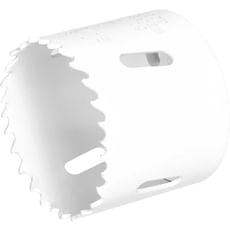
Bi-Metal Construction: Stanley's holesaws combine high-speed steel cutting edges with spring steel bodies, delivering the perfect balance between cutting performance and durability. This construction resists tooth breakage and provides flexibility that prevents cracking during demanding applications.
Variable Tooth Design: The tooth pattern on Stanley holesaws is engineered to optimise cutting speed whilst minimising binding and heat buildup. This variable pitch reduces vibration for smoother operation and extends the life of both the holesaw and the drill being used.
Deep Cut Profile: Many Stanley holesaws feature extended cutting depths, allowing users to drill through thicker materials in a single pass without repositioning. This is particularly valuable when working with double-thickness plasterboard, thick timber beams, or layered composite materials.
Ejection Slots: Strategically positioned slots facilitate easy removal of the waste plug after drilling, reducing downtime and frustration. This practical feature is especially appreciated when cutting multiple holes in rapid succession.
Wide Size Range: Stanley offers holesaws in comprehensive diameter options from small pilot holes to large apertures exceeding 150mm, ensuring the right size is available for virtually any installation requirement.
Clear Size Marking: Each holesaw is clearly marked with its diameter, allowing quick identification in tool bags or kits without having to measure or guess, saving valuable time on busy job sites.
Popular Stanley Holesaws
Standard Bi-Metal Holesaws: The core of Stanley's range, these versatile cutters handle wood, plastic, plasterboard, and thin metals. Available in the most commonly requested sizes from 19mm to 127mm, they're the go-to choice for general trades work and home improvement projects.
Deep Cut Holesaws: Featuring extended cutting depths up to 40mm or more, these holesaws tackle thicker materials without requiring drilling from both sides. Ideal for timber framing, double-layer plasterboard, and applications where drilling access is limited to one side.
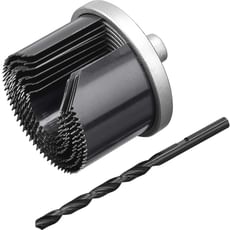
Holesaw Kits: Tooled-Up stocks Stanley holesaw sets containing multiple popular sizes complete with arbors and pilot bits. These kits provide excellent value and convenience for tradespeople who need variety without purchasing individual sizes, typically including ranges from 19mm to 64mm in a sturdy storage case.
Heavy-Duty Holesaws: For more demanding applications involving harder materials or frequent use, Stanley's reinforced holesaws offer enhanced tooth geometry and thicker construction for extended lifespan under tough conditions.
Arbors and Accessories: Stanley mandrels and quick-change systems allow efficient swapping between different holesaw sizes, whilst replacement pilot bits and adapters ensure compatibility across the range and with other manufacturers' products.
Safety and Compliance
When using Stanley holesaws, operators should always wear appropriate personal protective equipment including safety glasses to guard against flying debris, and work gloves when handling cutters with sharp teeth. Ensure materials being drilled are securely clamped to prevent spinning, which could cause injury or damage. Stanley holesaws are designed for use with properly maintained power drills operating at appropriate speeds—generally slower speeds for larger diameters and harder materials to prevent overheating and premature wear.
Before drilling, always check for hidden services including electrical cables, water pipes, and gas lines using appropriate detection equipment. This is particularly crucial when working in existing structures where services may not be documented. Follow HSE guidance regarding the use of power tools in different environments, ensuring adequate dust extraction when drilling materials that produce harmful particles.
Stanley holesaws should be inspected before each use for damaged or missing teeth, cracks in the body, or excessive wear. Damaged holesaws should be removed from service immediately as they pose safety risks and will not cut effectively. When changing holesaws, ensure the drill is disconnected from power sources and that the arbor is properly tightened before commencing work. Store holesaws in protective cases when not in use to prevent damage to the cutting edges and reduce injury risk when reaching into tool bags.
Frequently Asked Questions
What materials can Stanley holesaws cut through?
Stanley bi-metal holesaws are designed to cut wood, chipboard, MDF, plywood, plasterboard, plastic, fibreglass, and non-ferrous metals including aluminium and copper. They can also handle thin mild steel and stainless steel sheets, though cutting speed will be slower and more frequent lubrication is recommended. For specialist materials like ceramic tiles or masonry, diamond-grit or carbide-tipped holesaws would be more appropriate.
How do I prevent Stanley holesaws from binding or jamming?
Binding typically occurs when drilling too quickly or with excessive pressure. Use moderate, consistent pressure and allow the teeth to do the cutting work. For larger diameter holesaws (above 50mm), reduce drill speed to prevent overheating. Regularly withdraw the holesaw to clear waste material, especially when drilling deep holes. When cutting metal, use appropriate cutting fluid to reduce friction and heat buildup. If the holesaw does bind, stop immediately, reverse the drill to free it, clear any debris, and resume at a slower speed.
What drill speed should I use with Stanley holesaws?
Drill speed depends on both the holesaw diameter and the material being cut. For wood and plastic, smaller holesaws (under 32mm) can operate at 1500-3000 RPM, whilst larger sizes (over 76mm) should be run at 300-600 RPM. When cutting metal, reduce speeds significantly—around 200-500 RPM for aluminium and 100-200 RPM for steel. Most cordless drills and combi drills have sufficient power for holesaws up to 65mm, but larger sizes may require a dedicated hole cutter drill with appropriate torque settings.
Can I use Stanley holesaws with an SDS drill?
Standard Stanley holesaws require a conventional 13mm or ½-inch chuck for secure mounting of the arbor. They are not directly compatible with SDS chucks found on rotary hammer drills. However, SDS-to-keyless chuck adaptors are available that allow holesaws to be used with SDS drills, though you must ensure the drill is switched to rotation-only mode (not hammer mode). For regular holesaw work, a standard combi drill or dedicated hole cutter drill provides better control and appropriate speeds.
How do I remove the waste plug from a Stanley holesaw after drilling?
Most Stanley holesaws feature ejection slots designed to facilitate plug removal. After completing the cut, disconnect the drill from power and use a flat-blade screwdriver inserted through the ejection slot to lever the waste plug free from the holesaw. Alternatively, grip the plug with pliers and twist whilst pulling. For stubborn plugs, briefly running the holesaw in reverse against a scrap piece of wood can help push the plug out. Regular clearing of plugs prevents them from becoming jammed and makes subsequent cuts easier.