

Stanley Spare Irons
 Loading...
End of content
Error - No more pages to load
Stanley Spare Irons at Tooled-Up.com
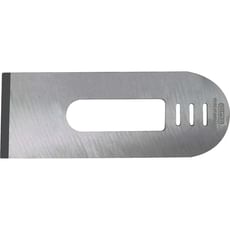
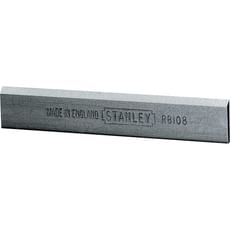
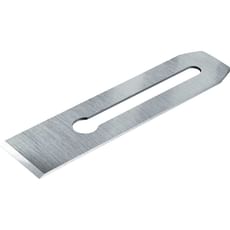
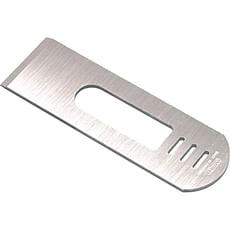
Stanley has been a trusted name in hand tools and woodworking equipment for over 175 years, and their spare irons continue this legacy of quality and precision. When it comes to maintaining and restoring hand planes, nothing compares to genuine Stanley replacement blades designed to exacting standards. The selection of Stanley spare irons available from Tooled-Up.com ensures that woodworkers and joiners can keep their trusted hand planes performing at their best, whether restoring vintage tools or maintaining modern workhorses.
Replacement plane irons are essential for any serious woodworker, as even the finest blade will eventually need replacing after years of sharpening and use. Stanley spare irons are manufactured to precise tolerances, ensuring perfect fit and optimal performance in Stanley hand planes. From bench planes to block planes, these genuine replacement blades restore tools to factory-fresh cutting performance, making them a cost-effective alternative to purchasing entirely new planes.
Tooled-Up stocks Stanley spare irons suitable for the most popular plane models, ensuring compatibility with both current production tools and vintage Stanley planes that remain in daily use across the UK. Each blade is crafted from quality steel that holds an edge well and can be easily resharpened, providing years of reliable service for demanding woodworking applications.
Why Choose Stanley Spare Irons?
Stanley's reputation in the hand tool market is built on over a century of manufacturing excellence, and their spare irons exemplify this commitment to quality. Genuine Stanley replacement blades are manufactured to the exact specifications of the original equipment, ensuring perfect fit and function without the fitment issues that can plague aftermarket alternatives. The steel used in Stanley irons is carefully selected for its ability to hold a sharp edge whilst remaining tough enough to resist chipping when working with difficult timbers.
Professional joiners and cabinetmakers trust Stanley spare irons because they understand that a hand plane is only as good as its blade. Stanley's quality control processes ensure consistent thickness, flatness, and steel composition across their replacement iron range. This reliability means woodworkers can purchase spare irons with confidence, knowing they'll drop into place and perform immediately without extensive fettling or adjustment.
The value proposition of Stanley spare irons extends beyond initial purchase price. Their ability to take and hold a fine edge means less time spent at the sharpening station and more time producing quality work. For professionals, this translates directly into improved productivity and better finished surfaces that require less sanding.
Who Uses Stanley Spare Irons?
Stanley spare irons serve a diverse range of woodworking professionals and enthusiasts:
- Joiners and Cabinetmakers: Professional woodworkers who rely on hand planes for fine fitting, chamfering, and creating flawless surfaces on high-end furniture and joinery
- Heritage Restoration Specialists: Craftspeople working on listed buildings and period properties who need genuine replacement parts for vintage Stanley planes
- Shopfitters and Carpenters: Site-based tradespeople who use hand planes for door hanging, scribing, and precision fitting work
- Musical Instrument Makers: Luthiers who require precisely sharp blades for working with tonewoods and creating perfect glue joints
- Woodworking Hobbyists: DIY enthusiasts and amateur woodworkers maintaining their tool collections and learning traditional hand tool techniques
- Tool Collectors and Restorers: Enthusiasts bringing vintage Stanley planes back to working condition with correct replacement parts
Key Features of Stanley Spare Irons
Stanley spare irons incorporate several important features that distinguish them from generic replacements. The steel composition is specifically formulated to achieve an optimal balance between edge retention and ease of sharpening, allowing woodworkers to maintain their tools efficiently. Each blade is ground to a consistent thickness, ensuring it sits properly in the plane body and maintains correct blade projection angles.
The width and length dimensions of Stanley spare irons precisely match the original specifications for each plane model, eliminating gaps and movement that can cause chatter and poor finish quality. The top edge of each iron features the correct profile to properly engage with the cap iron or chip breaker, creating the tight joint necessary for effective chip breaking and tear-out prevention.
Stanley's heat treatment processes ensure the steel achieves the proper hardness rating—hard enough to resist rapid dulling, yet not so hard that the blade becomes brittle or difficult to sharpen with conventional methods. This careful metallurgy means the irons can be maintained with traditional oilstones, waterstones, or modern sharpening systems with equal success.
Popular Stanley Spare Irons
The Stanley spare iron range at Tooled-Up covers the most widely used hand plane types. Bench plane irons for No. 4 and No. 5 planes are particularly popular, as these versatile smoothing and jack planes see heavy use in workshops across the country. Block plane replacement blades serve the needs of site carpenters who rely on these compact planes for chamfering, end-grain work, and fine adjustments.
Replacement irons for Stanley's larger planes, including the No. 6 and No. 7 models, provide essential maintenance options for woodworkers who use these longer planes for edge jointing and surface flattening. Specialist replacement blades for shoulder planes and rebate planes ensure that woodworkers can maintain their entire Stanley plane collection with genuine parts.
Safety and Compliance
When fitting and using Stanley spare irons, proper handling procedures should always be observed. Plane blades are extremely sharp and should be handled with care during installation, removal, and sharpening operations. Always retract the blade fully before adjusting or removing it from the plane body, and store spare irons in protective wrapping to prevent edge damage and accidental injury.
Sharpening operations should be conducted with appropriate eye protection, as grinding and honing can produce metal particles. Ensure work is secured properly before planing, and always plane away from the body to prevent injury in case of tool slip. Following HSE guidance for hand tool use helps prevent accidents and ensures a safe working environment.
Frequently Asked Questions
Will Stanley spare irons fit older vintage Stanley planes?
Generally yes—Stanley has maintained consistent sizing for their main plane models over many decades. However, it's always advisable to check the specific dimensions of your vintage plane, as some early or specialised models may have unique requirements. The width and thickness measurements are critical for proper fit.
How often should I replace my plane iron?
Plane irons don't need replacing on a fixed schedule. Replace them when repeated sharpening has reduced the blade length to the point where it no longer seats properly, or if the blade develops damage such as cracks or excessive pitting that cannot be removed through normal sharpening. With proper care, a quality Stanley iron can provide decades of service.
Can I use Stanley spare irons in non-Stanley planes?
Stanley spare irons may fit other manufacturers' planes if the dimensions match, but optimal performance requires proper fitment. The width, thickness, and length must all be appropriate, and the blade bed angle should match. For best results, use Stanley irons in Stanley planes where dimensional compatibility is guaranteed.
What's the difference between standard and premium Stanley plane irons?
Stanley's standard replacement irons provide excellent performance for general woodworking, whilst premium options may feature upgraded steel alloys that hold edges longer or are easier to sharpen to a finer edge. The choice depends on your specific requirements, the timbers you typically work with, and how much time you wish to spend on sharpening maintenance.
Do Stanley spare irons come pre-sharpened?
Stanley spare irons typically arrive with a basic grind but require proper sharpening and honing before use. This allows woodworkers to establish the exact bevel angle they prefer and achieve the level of sharpness their work demands. Initial preparation involves flattening the back, establishing the primary bevel, and honing to a polished edge.