

Stanley Spokeshaves
 Loading...
End of content
Error - No more pages to load
Stanley Spokeshaves at Tooled-Up.com
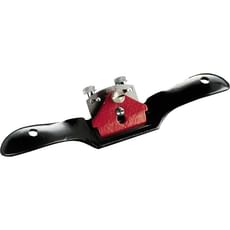
Stanley has been a trusted name in hand tools since 1843, and their spokeshaves continue this proud tradition of quality craftsmanship. A spokeshave is an essential hand tool for shaping and smoothing curved and rounded wooden surfaces, combining precision control with versatile functionality. Whether you're crafting Windsor chair legs, shaping tool handles, or fine-tuning curved mouldings, Stanley spokeshaves deliver the reliability and performance that professional woodworkers and serious DIY enthusiasts demand.
The Stanley spokeshave range represents over a century of refinement in tool design, featuring robust cast iron bodies, precision-ground blades, and ergonomic handles that provide exceptional control during detailed work. From flat-faced models for convex surfaces to round-bottomed variants for concave shaping, Tooled-Up.com stocks Stanley spokeshaves that cater to every woodworking requirement. These tools embody the perfect balance between traditional craftsmanship and modern manufacturing standards, ensuring each spokeshave delivers consistent, predictable results.
Stanley's commitment to producing reliable, long-lasting hand tools has made their spokeshaves a staple in workshops throughout the UK. Built to withstand the rigours of daily professional use whilst remaining accessible to dedicated hobbyists, these tools represent genuine value for money and decades of potential service life when properly maintained.
Why Choose Stanley Spokeshaves?
Stanley spokeshaves have earned their reputation through consistent quality and thoughtful design refinements. The brand's extensive experience in metallurgy ensures that blades are manufactured from high-carbon steel that holds a sharp edge longer and resists wear even under demanding conditions. Each blade can be repeatedly sharpened and honed, making Stanley spokeshaves a sustainable choice that reduces waste and long-term costs.
The construction quality of Stanley spokeshaves sets them apart from cheaper alternatives. Cast iron bodies provide the necessary mass and stability for controlled cutting, whilst precisely machined blade seats ensure accurate adjustment and secure blade retention. The dual-handle design offers superior control compared to single-grip tools, allowing woodworkers to apply even pressure and maintain consistent cutting angles across complex curved surfaces.
Stanley's global reputation for standing behind their products means tradespeople can purchase with confidence. The brand's widespread recognition also ensures that replacement parts, including spare blades and adjustment screws, remain readily available through established suppliers like Tooled-Up, protecting your investment for years to come.
Who Uses Stanley Spokeshaves?
Stanley spokeshaves are the tool of choice for a diverse range of users:
- Furniture makers and cabinetmakers shaping curved components and refining joinery
- Windsor chair makers creating traditional spindles and shaped legs
- Luthiers and instrument makers forming necks, bodies and curved elements
- Boat builders shaping spars, tillers and curved timber components
- Wood turners refining work between lathe operations
- Carpenters and joiners smoothing curved mouldings and architectural details
- Historical building restoration specialists matching period profiles and details
- Green woodworkers shaping freshly felled timber using traditional techniques
- DIY enthusiasts and woodworking hobbyists pursuing quality craftsmanship projects
Key Features of Stanley Spokeshaves
Stanley spokeshaves incorporate several distinctive features that enhance their functionality and ease of use. The robust cast iron body construction provides the weight and rigidity necessary for smooth, controlled cuts without chattering or blade deflection. This solid foundation is essential when working with figured hardwoods or challenging grain patterns.
Precision-ground high-carbon steel blades are heat-treated to achieve optimal hardness, balancing edge retention with the ability to be easily resharpened. The blade width is carefully proportioned to the body size, providing adequate cutting width whilst maintaining manoeuvrability on curved surfaces. Adjustable blade depth mechanisms allow for fine-tuning of cut depth, from whisper-thin shavings for final finishing to more aggressive stock removal.
The dual-handle design features comfortable grips positioned to provide natural hand placement and optimal leverage. This ergonomic configuration reduces hand fatigue during extended use and allows for precise directional control. The throat opening is sized to allow shavings to clear efficiently without clogging, maintaining consistent cutting performance.
Stanley offers both flat-faced spokeshaves for convex (outward-curved) surfaces and round-bottomed models for concave (inward-curved) work, ensuring the right tool geometry for any shaping task. Some models feature additional refinements such as adjustable throats or specialist blade profiles for specific applications.
Popular Stanley Spokeshaves
The Stanley spokeshave range at Tooled-Up encompasses several proven designs, each suited to particular woodworking tasks. The flat-faced spokeshave remains the most versatile option, ideal for working convex curves, rounding edges, and general stock removal on shaped components. This design works equally well on chair legs, tool handles, and architectural mouldings.
Round-bottomed spokeshaves feature a curved sole that excels at smoothing concave surfaces, making them indispensable for bowl-shaped carvings, scooped chair seats, and hollow architectural details. The curved sole maintains better contact with the work surface compared to flat spokeshaves when working inside curves.
Stanley's traditional designs have proven their worth across generations of craftspeople, combining time-tested geometry with consistent manufacturing quality. Whether you require a single versatile spokeshave for general workshop duties or a matched pair of flat and round models for comprehensive shaping capabilities, the Stanley range provides reliable, professional-grade options.
Safety and Compliance
Whilst spokeshaves are manually operated hand tools without electrical components, proper safety practices remain essential. Always ensure blades are sharp – dull edges require excessive force and are more likely to slip unpredictably. When adjusting blade depth, ensure the blade is securely locked in position before commencing work to prevent sudden blade movement.
Work should be securely clamped or held in a vice, keeping both hands on the spokeshave handles throughout the cutting stroke. Always cut away from your body and keep fingers clear of the blade path. When not in use, retract the blade into the body or store the spokeshave with the blade protected to prevent accidental contact.
Maintain your Stanley spokeshave by keeping the blade sharp, the body clean, and all adjustment mechanisms free from sawdust and debris. Regular maintenance extends tool life and ensures consistent, safe performance. When sharpening, follow established practices for maintaining the correct bevel angle, typically 25-30 degrees for general woodworking applications.
As with all hand tools, appropriate personal protective equipment should be worn, including safety glasses to protect against flying chips and particles. Ensure adequate workshop lighting and maintain awareness of hand position throughout the cutting stroke.
Frequently Asked Questions
What's the difference between flat and round-bottomed Stanley spokeshaves?
Flat-bottomed spokeshaves are designed for shaping convex (outward) curves and are the most versatile option for general use. Round-bottomed spokeshaves feature a curved sole for working concave (inward) curves and hollows. Many woodworkers eventually acquire both types to handle the full range of shaping tasks encountered in furniture making and general woodworking.
How do I sharpen a Stanley spokeshave blade?
Remove the blade from the spokeshave and sharpen it like a small plane iron using sharpening stones, diamond plates, or a honing guide. Maintain the existing bevel angle (typically 25-30 degrees) and work through progressively finer grits until you achieve a polished edge. Hone the flat back on your finest stone to remove any burr, then reassemble. A sharp blade is crucial for achieving fine shavings and smooth surfaces.
Can Stanley spokeshaves be used on hardwoods?
Yes, Stanley spokeshaves excel on both softwoods and hardwoods when properly sharpened and adjusted. For dense hardwoods, take lighter cuts and ensure your blade is extremely sharp. The mass of the cast iron body helps prevent chatter when working difficult grain patterns. Adjust blade depth conservatively and make multiple passes rather than attempting heavy cuts in dense material.
Are replacement blades available for Stanley spokeshaves?
Yes, Stanley maintains support for their spokeshave range with replacement blades and parts available through established tool suppliers. The widespread popularity of Stanley hand tools means replacement components remain in production and readily sourced. This parts availability protects your investment and extends the working life of these tools across decades of use.
What's the best way to hold a spokeshave for accurate work?
Grip both handles firmly with thumbs positioned along the top of the body for downward pressure and control. Push or pull the spokeshave along the work (either direction can be effective depending on grain direction), maintaining consistent pressure and angle. Start with light cuts and gradually increase depth as you develop feel for the tool. Work with the grain direction where possible to achieve the smoothest surface finish.