

Stanley Wire Wheels
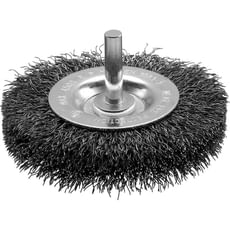
 Loading...
End of content
Error - No more pages to load
Stanley Wire Wheels at Tooled-Up.com
Stanley has built a formidable reputation in the professional tool market over more than 175 years, and their wire wheels exemplify the brand's commitment to quality and durability. Designed for demanding surface preparation, cleaning, and finishing tasks, Stanley wire wheels deliver consistent performance across metalworking, fabrication, and restoration applications. Whether removing rust, paint, or welding scale, these wire wheels are engineered to withstand the rigours of professional use whilst maintaining their effectiveness over extended periods.
The Stanley wire wheels available from Tooled-Up combine robust construction with precise engineering to ensure safe, efficient operation. Manufactured to exacting standards, these accessories are compatible with bench grinders, angle grinders, and drills, providing versatility for tradespeople who need reliable performance across multiple applications. From crimped wire cup brushes to twisted knot wheels, Stanley's range addresses the diverse requirements of metalworkers, fabricators, and maintenance professionals.
Built with high-tensile wire and secure arbor connections, Stanley wire wheels maintain their integrity even under sustained use. The brand's attention to detail extends to proper wire gauge selection, ensuring optimal aggressiveness for material removal whilst minimising premature wear. Tooled-Up stocks Stanley wire wheels in various configurations, allowing professionals to select the ideal tool for each specific task.
Why Choose Stanley Wire Wheels?
Stanley's heritage in manufacturing professional-grade tools translates directly into their wire wheel offerings. The brand's reputation for reliability means tradespeople can trust these accessories to perform consistently, reducing downtime and improving productivity on site or in the workshop. Stanley wire wheels are manufactured using quality materials that resist premature breakage and maintain their shape under operational stress, ensuring predictable performance throughout their service life.
The engineering behind Stanley wire wheels focuses on balancing aggression with control. Properly tensioned wire filaments remove material efficiently without excessive chatter or vibration, which is crucial for precision work and operator comfort during extended use. Stanley's manufacturing processes ensure consistent wire density and secure crimping, reducing the risk of wire ejection and creating a safer working environment.
Value represents another compelling reason to choose Stanley wire wheels. The brand delivers professional performance at competitive price points, making them accessible to both established businesses and sole traders. The longevity of Stanley wire wheels means lower replacement costs over time, contributing to better overall tool economy for budget-conscious professionals.
Who Uses Stanley Wire Wheels?
Stanley wire wheels serve a broad spectrum of trades and industries where metal preparation and finishing are essential:
- Welders and Fabricators – removing slag, spatter, and oxidation from welded joints
- Metalworkers – preparing surfaces for coating, painting, or further treatment
- Automotive Technicians – cleaning brake components, removing rust from chassis, and preparing bodywork
- Maintenance Engineers – refurbishing machinery, cleaning threaded components, and removing corrosion
- Restoration Specialists – stripping paint and rust from vintage metalwork whilst preserving underlying material
- General Contractors – site preparation work involving metal cleaning and surface treatment
- DIY Enthusiasts – tackling home restoration projects and general metal preparation tasks
Key Features of Stanley Wire Wheels
Stanley wire wheels incorporate several distinctive features that enhance their performance and usability. High-carbon steel wire construction provides the hardness necessary for effective material removal whilst maintaining sufficient flexibility to prevent premature fracture. The crimped or twisted wire configuration determines the aggression level, with crimped designs offering finer finishing and twisted knot wheels delivering maximum material removal.
Secure arbor mounting systems ensure proper seating on power tools, reducing vibration and improving safety. Stanley designs their wire wheels with appropriate maximum RPM ratings clearly marked, enabling users to match accessories correctly with their equipment. This attention to compatibility reduces the risk of dangerous overspeed conditions.
Wire density and distribution are carefully controlled during manufacture to ensure even wear patterns and consistent cutting action. This engineering consideration extends the useful life of Stanley wire wheels and maintains predictable performance characteristics throughout their service life. The range includes various diameres and arbor sizes to accommodate different power tools and applications.
Popular Stanley Wire Wheels
The Stanley wire wheel range encompasses several popular configurations designed for specific applications. Cup brushes with crimped wire excel at cleaning flat surfaces and preparing metal for welding or painting. Their design allows aggressive material removal whilst maintaining good operator control. Twisted knot wire wheels provide maximum aggression for heavy rust removal and weld cleaning, with their robust construction suited to demanding industrial applications.
Wheel brushes designed for bench grinder mounting offer excellent access to complex shapes and recessed areas, making them ideal for workshop-based cleaning and preparation tasks. Stanley also produces wire wheels with various arbor fittings to ensure compatibility across different power tool brands and models, providing versatility for professionals with diverse tool collections.
Safety and Compliance
Safety remains paramount when using wire wheels, and Stanley designs their products to meet relevant UK and European safety standards. All Stanley wire wheels display maximum RPM ratings that must never be exceeded, as overspeed operation can cause wire ejection and wheel disintegration. Users should always wear appropriate personal protective equipment, including safety glasses or face shields, gloves, and protective clothing to guard against flying wire fragments and debris.
Before each use, inspect Stanley wire wheels for damage, excessive wear, or loose wires. Never use a wire wheel that shows signs of deterioration or has been dropped, as structural damage may not be immediately visible. Ensure the wire wheel is correctly mounted with appropriate guards fitted to the power tool, and always allow the tool to reach full speed before applying the wire wheel to the workpiece.
HSE guidance on abrasive wheels applies to wire wheels, and users should be familiar with safe operating practices. Work in well-ventilated areas to avoid inhaling metal particles and dust generated during use. Store Stanley wire wheels in dry conditions to prevent corrosion of the wire filaments, which could compromise performance and safety.
Frequently Asked Questions
What's the difference between crimped and twisted Stanley wire wheels?
Crimped wire wheels feature wires bent in a wave pattern, providing moderate aggression suitable for general cleaning and light material removal. Twisted knot wire wheels have wires wound together in thick cables, delivering maximum aggression for heavy rust removal, weld cleaning, and demanding surface preparation tasks.
Can Stanley wire wheels be used on aluminium and other soft metals?
Yes, but select less aggressive crimped wire configurations and use lighter pressure to avoid damaging softer materials. Stainless steel wire wheels are preferable for aluminium to prevent ferrous contamination, though these may not always be available in the Stanley range.
How do I know which arbor size I need for my power tool?
Check your power tool's specifications for the spindle thread size. Common sizes in the UK include M10, M14, and 5/8" for angle grinders, and 1/2" or 5/8" for bench grinders. Stanley wire wheels are available in various arbor configurations to suit different tools.
How long do Stanley wire wheels typically last?
Service life depends on application intensity, material being worked, and operating technique. Under normal professional use, Stanley wire wheels provide extended service life compared to economy alternatives. Replace the wheel when wire density decreases noticeably or when the wheel diameter reduces significantly.
Are Stanley wire wheels suitable for use with cordless power tools?
Yes, provided the cordless tool's RPM falls within the wire wheel's rated maximum speed. However, wire wheels demand significant power, so ensure your cordless tool has sufficient battery capacity and torque for effective operation without stalling.