

Chemical Resin Fixings
Pay in 3 interest-free payments on purchases from £30-2000 with  . Learn more.
 Loading...
End of content
Error - No more pages to load
About Chemical Resin Fixings
Chemical resin fixings deliver exceptional anchoring strength for heavy-duty applications where mechanical fixings simply cannot match the required load-bearing capacity. Unlike expansion anchors that rely on friction and outward pressure, chemical resin systems create a molecular bond between the fixing and the substrate—whether concrete, brick, stone, or even hollow materials. This chemical adhesion distributes stress evenly throughout the entire embedment depth, making these fixings the go-to solution for structural steelwork, securing heavy machinery, and any application where failure isn't an option.
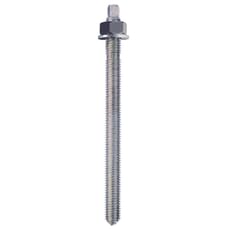
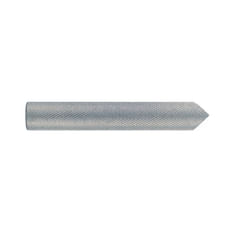
The chemical resin fixing system consists of several key components working in harmony: the resin adhesive itself (available as cartridges or capsules), threaded studs or rods in materials like BZP or stainless steel, and support accessories including mesh sleeves for hollow substrates and internal sockets for through-fixings. When properly installed, the cured resin often achieves bond strength that exceeds the substrate's own structural capacity, which explains why structural engineers and contractors specify these systems for critical load-bearing applications.
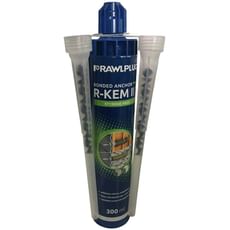
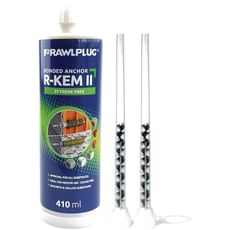
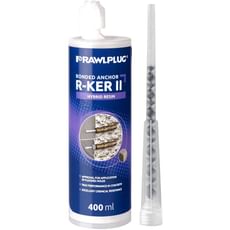
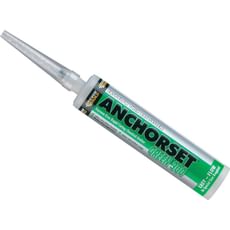
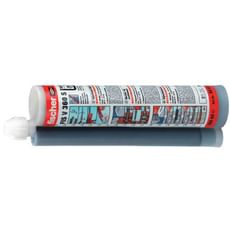
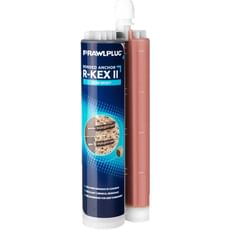
The range available at Tooled-Up.com encompasses complete resin cartridge systems from trusted manufacturers like Fischer and Rawlplug, individual resin capsules for economical installations, BZP and stainless steel studs in various diameters and lengths, mesh sleeves for compromised substrates, and all the essential accessories needed for professional installation. Whether you're retrofitting structural connections, installing heavy HVAC equipment, or securing safety-critical fixtures, chemical resin fixings provide the engineered strength and reliability that professional tradespeople require on site.
Jargon Buster
- Chemical Anchor – A fixing system using synthetic resin adhesive to bond a threaded rod or stud into a drilled hole, creating a permanent, high-strength anchor point in masonry, concrete, or stone substrates.
- BZP (Bright Zinc Plated) – A protective coating applied to steel studs providing moderate corrosion resistance. Suitable for internal applications and dry environments but should be avoided in exposed or chemically aggressive conditions.
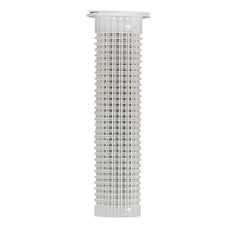
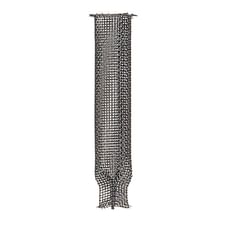
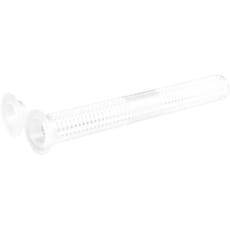
- Mesh Sleeve – A tubular mesh support inserted into the drilled hole before resin injection, particularly important for hollow or damaged substrates. The mesh contains the resin and dramatically increases the effective bonding surface area.
- Resin Capsule – A glass ampoule containing pre-measured quantities of resin and hardener in separate compartments. The capsule is inserted into the drilled hole and broken by rotating the fixing rod, mixing the components to initiate the chemical bond.
- Cure Time – The period required for chemical resin to harden and reach full load-bearing capacity. This varies with temperature, resin type, and substrate conditions—typically ranging from 15 minutes for fast-cure formulations to several hours for standard systems.
- Pull-Out Value – The maximum load that a chemical fixing can withstand before failure, measured in kilonewtons (kN). This critical specification determines the suitability of a particular fixing for structural applications and must comply with relevant BS EN standards.
Who Uses Chemical Resin Fixings?
Chemical resin fixings are essential for professionals across numerous trades and industries requiring dependable, high-strength anchoring solutions:
- Structural Engineers and Contractors – Securing steel framework, reinforcement bars, and structural connections where engineered load values must be met and certified
- Electrical Contractors and Sparkies – Installing heavy cable management systems, distribution boards, and securing electrical equipment to masonry substrates
- Mechanical and HVAC Engineers – Mounting industrial plant, air handling units, pipework supports, and heavy mechanical equipment requiring vibration resistance
- Builders and General Contractors – Fitting structural steelwork, heavy joinery, and load-bearing elements in renovation and new-build projects
- Shopfitters and Joiners – Installing security fixings for commercial installations, heavy shelving systems, and permanent fixtures
- Civil Engineers – Retrofitting and repair work on bridges, tunnels, and infrastructure projects where substrate integrity is compromised
- Fencing and Gate Installers – Securing posts and heavy automated gates where exceptional pull-out resistance is required
- Solar Panel Installers – Creating reliable anchor points for mounting systems on various substrates with long-term weathering considerations
How to Choose the Right Chemical Resin Fixings
Base Material Compatibility: Identify your substrate material—solid concrete, brick, stone, or hollow materials each require different resin formulations. Hollow substrates demand mesh sleeves, whilst cracked or weathered concrete needs specially formulated resins that can accommodate movement and lower substrate strength.
Load Requirements: Calculate expected loads (both tension and shear) and refer to manufacturer specifications for pull-out values. Structural applications require certification and test data complying with BS EN standards. Always apply appropriate safety factors and consult structural calculations where applicable.
Environmental Conditions: Internal dry applications can use BZP studs, but external, damp, or chemically aggressive environments demand stainless steel fixings and appropriate resin formulations. Consider temperature extremes, chemical exposure, and whether fixings will be subjected to salt or marine conditions.
Hole Condition: Drilled hole diameter and depth must precisely match resin system specifications—undersized or oversized holes compromise bond strength. Consider whether you're working with diamond-drilled or percussion-drilled holes, as cleanliness and surface texture affect bonding performance.
Cure Time Requirements: Project timelines dictate whether you need fast-cure resins (allowing loading within minutes) or can work with standard formulations. Remember that cold temperatures significantly extend cure times—at 5°C, expect three times longer curing than at 20°C.
Cartridge vs Capsule Systems: Cartridge systems offer flexibility for varying hole depths and provide superior control for professional installations, whilst capsules offer pre-measured simplicity and prove more economical for straightforward applications with consistent hole sizes. Tooled-Up stocks both systems from leading manufacturers like Fischer and Rawlplug.
Certification Requirements: For structural work, ensure your chosen system has appropriate European Technical Approval (ETA) documentation and complies with relevant British Standards. Maintain records for building control and structural warranty purposes.
Popular Accessories
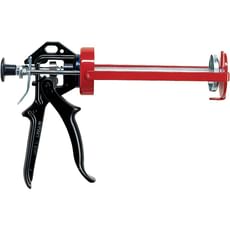
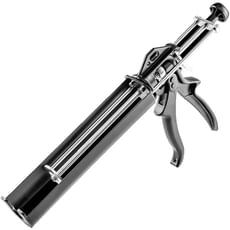
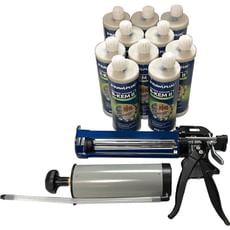
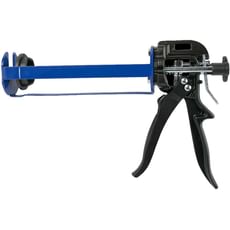
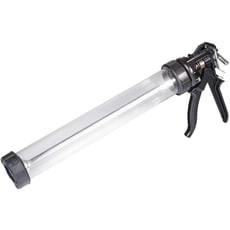
- Dispenser Guns – Manual and battery-powered applicator tools for resin cartridges, ensuring consistent application pressure and professional results
- Static Mixing Nozzles – Essential for proper mixing of two-part resin cartridges as they're dispensed into the drilled hole
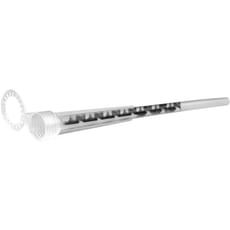
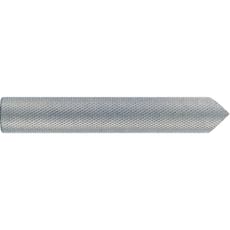
- Mesh Sleeves and Internal Sockets – Support systems for hollow materials, damaged substrates, and oversized holes requiring additional containment
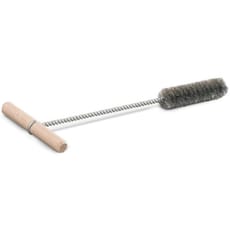
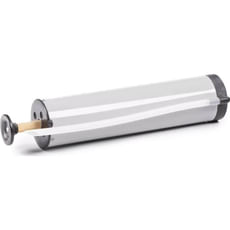
- Hole Cleaning Brushes and Pumps – Critical for removing drill dust and debris to ensure maximum bond strength and achieve specified pull-out values
- Threaded Rod and Studding – Available in various lengths, diameters, and materials (BZP and stainless steel) to complement resin systems
- Percussion Drill Bits (SDS) – From brands like Bosch, Makita, and DeWalt for preparing accurate holes in masonry and concrete
- Torque Wrenches – For accurate tightening of fixings to specification without over-stressing the cured resin bond
- Extension Tubes – For deep hole applications and overhead fixing work where standard nozzles cannot reach
- Foil Packs – Alternative resin packaging for specific applications and non-standard hole sizes
Safety Information
Chemical resin fixings contain substances requiring careful handling and proper safety precautions. Always read manufacturer safety data sheets (SDS) before use and ensure compliance with COSHH regulations on site.
Personal Protective Equipment: Always wear appropriate eye protection when dispensing resin, as cartridges operate under pressure. Use disposable gloves when handling uncured resin—many formulations cause skin sensitisation or allergic reactions. In confined spaces or poorly ventilated areas, respiratory protection may be required as some resins emit styrene or other volatile compounds during curing.
Ventilation: Ensure adequate ventilation when working with chemical resins, particularly in enclosed spaces. Some resin systems produce strong odours and fumes during application and the curing process.
Storage and Handling: Store resin products in cool, dry conditions away from direct sunlight and heat sources. Check expiry dates—expired resins may not cure properly or achieve specified load values. Keep cartridges and capsules sealed until use to prevent premature curing.
Installation Safety: Never load a chemical fixing until the specified cure time has fully elapsed, even if it appears set. Premature loading results in fixing failure with potentially catastrophic consequences. When drilling holes, follow HSE guidance for dust control and use appropriate extraction equipment, particularly when drilling concrete or masonry containing respirable crystalline silica.
Structural Considerations: Chemical resin fixings for structural applications must be installed by competent persons following manufacturer instructions and relevant structural calculations. Maintain proper spacing between fixings and edge distances as specified to prevent substrate failure through concrete breakout or splitting.
Frequently Asked Questions
What's the difference between resin capsules and cartridge systems?
Resin capsules are glass ampoules containing pre-measured resin and hardener that you insert into the hole before the stud, which breaks and mixes the components as you rotate it. They're economical and ideal for consistent hole sizes. Cartridge systems use a dispenser gun to inject two-part resin through a mixing nozzle, offering flexibility for varying hole depths and typically providing superior quality control for professional installations. Cartridges are generally preferred for structural work and critical applications where consistent mixing ratios are essential.
How long do I need to wait before loading a chemical resin fixing?
Cure times vary significantly depending on resin formulation, substrate temperature, and hole diameter. Fast-cure resins may be ready for loading in as little as 15-20 minutes at 20°C, whilst standard formulations typically require 45 minutes to several hours. Cold temperatures dramatically increase cure times—at 5°C, you might need to wait three times longer than at 20°C. Always consult the manufacturer's technical data for your specific product and site conditions, and never load a fixing prematurely as this compromises its load-bearing capacity and invalidates any structural certification.
Can I use chemical resin fixings in wet or underwater conditions?
Specialised underwater resin formulations are available for submerged or permanently wet conditions, but standard resins generally require dry or damp (not saturated) holes for proper bonding. If the hole contains standing water, it should be dried using compressed air or absorbent materials before resin injection. For applications that will be exposed to water after installation, ensure you're using appropriate waterproof resin formulations and stainless steel studs. Always check the manufacturer's specifications for your intended application conditions.
Do I need mesh sleeves for all chemical resin fixings?
Mesh sleeves aren't required for fixings in solid, undamaged concrete, brick, or stone. However, they're essential when fixing into hollow materials (like hollow concrete blocks), cracked or damaged substrates, or when hole tolerances are larger than ideal. The mesh contains the resin and increases the effective bonding surface area, preventing liquid resin from draining away before it cures. Internal sockets serve a similar purpose for through-fixings and specific applications. When in doubt, consult the resin manufacturer's installation guidelines for your substrate type.
Are chemical resin fixings stronger than mechanical anchors?
In most applications, properly installed chemical resin fixings provide superior load-bearing capacity compared to mechanical expansion anchors, particularly in cracked, weathered, or lower-strength base materials. The resin creates a bond across the entire embedment depth rather than relying on localised expansion pressure, distributing loads more evenly and reducing stress concentration. Chemical fixings also perform better in dynamic or vibration-prone applications. However, they require more careful installation, proper cure time, and aren't repositionable once installed. For critical structural applications, always follow engineered specifications and relevant British Standards regardless of fixing type.