

Chemicals, Sprays & Wipes
Pay in 3 interest-free payments on purchases from £30-2000 with  . Learn more.
 Loading...
End of content
Error - No more pages to load
About Chemicals, Sprays & Wipes
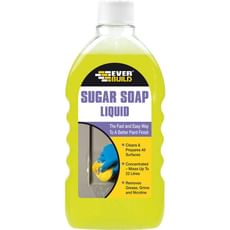
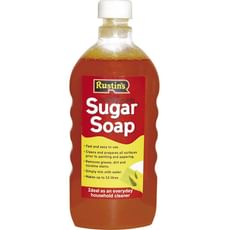
Maintaining a clean, safe, and professional workspace is fundamental to delivering quality work across the trades. The Tooled-Up range of chemicals, sprays, and wipes encompasses everything from heavy-duty industrial degreasers and specialist surface cleaners to convenient disposable wipes and targeted stain removers. Whether you're preparing surfaces before painting with sugar soap, removing graffiti from commercial premises, or simply keeping your hands and tools clean throughout the working day, this comprehensive category brings together professional-grade cleaning solutions designed to tackle the toughest challenges encountered on site, in the workshop, or during property maintenance.
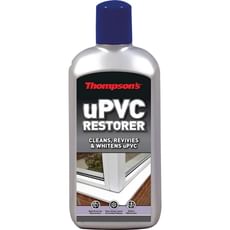
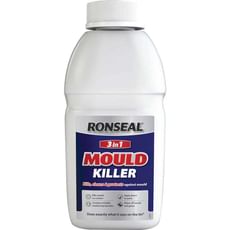
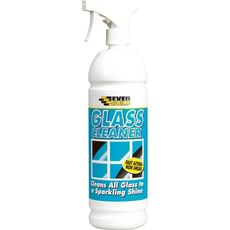
From window cleaners requiring streak-free glass cleaners to mechanics dealing with oil-soaked components, tradespeople across the UK rely on specialist formulations that deliver superior results compared to domestic alternatives. Tooled-Up.com stocks products specifically formulated for trade use, including powerful mould killers, UPVC cleaners that won't damage plasticisers, ink and gum removers for stubborn marks, and air fresheners to maintain pleasant working environments. All products meet UK safety standards and COSHH regulations, ensuring you can work confidently whilst maintaining compliance with HSE guidelines.
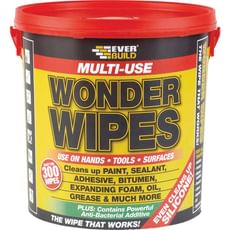
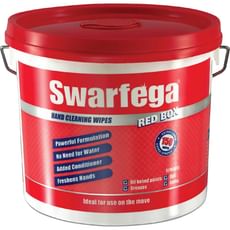
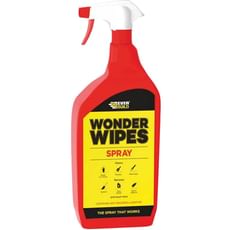
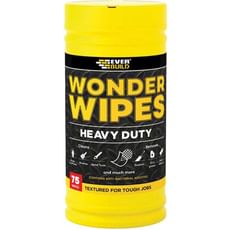
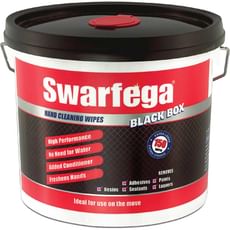
Many professional cleaning chemicals are available as concentrated formulas, offering exceptional value for regular users whilst reducing packaging waste and storage requirements. Alongside traditional trigger sprays and aerosols, this category features convenient wipes and towels for tradespeople working across multiple sites who need portable, ready-to-use cleaning solutions. Whether you're cleaning carpets between tenancies, removing adhesive residue during installations, or degreasing machinery components, you'll find specialist products engineered to deliver reliable, professional results every time.
Jargon Buster
- COSHH (Control of Substances Hazardous to Health) – UK workplace regulations governing the safe use, storage, and disposal of chemicals. Employers must conduct risk assessments, provide safety data sheets, and ensure proper training for anyone handling professional cleaning products covered by these regulations.
- Degreaser – Powerful cleaning agents formulated to break down oils, grease, and petroleum-based substances. Essential for workshop environments, machinery maintenance, and automotive applications where standard cleaners cannot penetrate heavy contamination.
- Biocide – Chemical substances designed to kill or inhibit living organisms including bacteria, mould, mildew, and algae. Commonly found in mould killers and specialist sanitising products, biocides must be used according to manufacturer instructions and COSHH requirements.
- pH Neutral – Cleaning solutions with a pH value around 7, neither acidic nor alkaline. Safe for use on sensitive surfaces without causing damage, discolouration, or degradation, making them ideal for regular maintenance cleaning on delicate materials.
- VOC (Volatile Organic Compounds) – Carbon-based chemicals that evaporate at room temperature, potentially affecting indoor air quality. Low-VOC or VOC-free formulations are increasingly preferred for enclosed workspaces and comply with environmental regulations.
- Surfactant – The active cleaning ingredient in detergents and cleaners that reduces surface tension, allowing products to spread effectively and penetrate dirt, grime, and grease. Different surfactants suit different cleaning applications and surface types.
Who Uses Chemicals, Sprays & Wipes?
- Painters and Decorators – Sugar soap for surface preparation, hand cleaners for paint removal, and general workspace maintenance products
- Builders and Construction Workers – Industrial cleaners for heavy-duty site cleaning, hand wipes for mobile use, and adhesive removers during installations
- Window Cleaners and Facilities Managers – Glass cleaners, UPVC cleaners, and maintenance products for commercial and residential properties
- Plumbers and Heating Engineers – Degreasers for components, hand cleaners for removing oils and sealants, and industrial wipes for tools and equipment
- Electricians – Contact cleaners for electrical components, hand sanitising wipes, and general cleaning solutions for maintaining tidy work areas
- Mechanics and Vehicle Technicians – Heavy-duty degreasers, specialist hand cleaners, and industrial wipes for automotive applications and workshop maintenance
- Carpenters and Joiners – Adhesive removers, hand cleaners, and surface preparation products for woodworking projects
- Property Maintenance Teams – Graffiti removers, mould killers, carpet sprays, and all-purpose cleaners for managing multiple properties
- Landlords and Letting Agents – Comprehensive cleaning solutions for property turnarounds, end-of-tenancy cleaning, and ongoing maintenance
- DIY Enthusiasts and Homeowners – Professional-grade products for home improvement projects, vehicle maintenance, and workshop cleaning
How to Choose the Right Chemicals, Sprays & Wipes
Identify Your Specific Cleaning Task: Different applications require different formulations. Heavy industrial grime and oil contamination demand powerful degreasers, whilst delicate surfaces like glass, UPVC, or polished metals require gentler, specialist cleaners. Match the product strength to your task to avoid surface damage whilst achieving optimal results. Consider whether you need general-purpose cleaners for routine maintenance or targeted solutions for specific challenges like mould, graffiti, or adhesive residue.
Verify Surface Compatibility: Always confirm that your chosen product is suitable for the material you're cleaning. Using inappropriate cleaners on surfaces like UPVC can damage plasticisers, whilst acidic products may etch polished metals or natural stone. When working with unfamiliar surfaces or expensive materials, test products on an inconspicuous area first to check for adverse reactions.
Assess COSHH Requirements: For workplace use, ensure products meet HSE guidelines and that safety data sheets are readily available. Consider whether you need personal protective equipment such as chemical-resistant gloves, eye protection, or respiratory protection. Evaluate ventilation requirements, particularly when working in confined spaces or using aerosol products.
Consider Format and Application Method: Decide whether you need trigger spray bottles for controlled application, aerosol products for wide coverage, concentrated formulas for dilution, or convenient wipes for portable use. Mobile tradespeople working across multiple sites often prefer disposable wipes, whilst workshop-based users may benefit from concentrated products and reusable spray bottles.
Calculate Quantity and Value: Professional users frequently achieve better value through concentrated formulations or bulk packs. A single bottle of concentrate can produce multiple litres of working solution, reducing packaging waste and cost per application. Consider your usage frequency, storage capacity, and whether you have appropriate containers for diluting concentrated products.
Environmental and Safety Considerations: Look for biodegradable formulations, recyclable packaging, and products with reduced VOC content where possible. Many modern professional cleaners deliver excellent results whilst minimising environmental impact and improving indoor air quality. Consider product disposal requirements and ensure compliance with local authority guidelines.
Popular Accessories
- Spray Bottles and Trigger Sprayers – Essential for diluting concentrated products and achieving controlled, targeted application
- Microfibre Cloths and Cleaning Rags – Reusable cloths for streak-free finishing, effective dirt removal, and reducing waste
- Chemical-Resistant Gloves – Protective gloves for safe handling of industrial-strength cleaning products and compliance with COSHH
- Buckets and Mixing Containers – For preparing diluted solutions accurately and organising cleaning tasks efficiently
- Scrubbing Brushes and Abrasive Pads – For agitating stubborn dirt and grime alongside chemical cleaners on durable surfaces
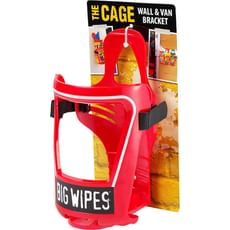
- Dispensers and Storage Solutions – Wall-mounted dispensers for wipes and organised storage systems for maintaining cleaning supplies on site
- Safety Equipment – Eye protection, aprons, and ventilation equipment for working safely with stronger chemical formulations
- Waste Disposal Bags – For safe, hygienic disposal of used wipes, cloths, and contaminated cleaning materials
Safety Information
Always read product labels, usage instructions, and safety data sheets before using any chemical cleaner. Many industrial-strength products require personal protective equipment including chemical-resistant gloves, eye protection, and adequate ventilation. Never mix different cleaning products unless specifically instructed by the manufacturer, as dangerous chemical reactions can occur, potentially releasing toxic fumes or causing burns.
Store all chemicals securely in their original containers with labels intact, away from heat sources, direct sunlight, and out of reach of children and unauthorised persons. Follow COSHH regulations for workplace use, ensuring proper risk assessments are completed, all users receive appropriate training, and emergency procedures are clearly communicated. Maintain an inventory of substances held on site and ensure safety data sheets are readily accessible.
Ensure adequate ventilation when using aerosols or products with strong vapours, particularly in confined spaces such as small rooms, vehicles, or enclosed workshops. Some cleaning chemicals produce fumes that can cause respiratory irritation or drowsiness. Dispose of chemicals responsibly according to local authority guidelines and manufacturer instructions – many products cannot be poured down standard drains and require special disposal methods. In case of skin contact, eye exposure, or ingestion, seek medical attention immediately and provide details of the product involved.
Frequently Asked Questions
What's the difference between industrial cleaners and domestic products?
Industrial and trade-grade cleaners contain higher concentrations of active ingredients, making them significantly more effective on heavy-duty grime, grease, and stubborn stains encountered in professional environments. They're formulated for frequent use and often offer superior value through concentrated formulas or bulk pack sizes. However, they may require more careful handling, appropriate PPE, and stricter adherence to COSHH regulations compared to domestic alternatives. The increased cleaning power means less product is needed per application, and tasks are completed more quickly.
Do I need different cleaners for different surfaces?
Yes, using the correct cleaner for each surface type is essential to avoid damage and achieve optimal results. UPVC requires specialist cleaners that won't damage plasticisers or cause discolouration, glass cleaners are formulated to be streak-free and quick-drying, whilst powerful industrial degreasers are too aggressive for delicate surfaces like acrylics or certain plastics. Using inappropriate products can cause permanent etching, discolouration, degradation, or loss of surface finish. When uncertain, always test on an inconspicuous area first.
How should I store cleaning chemicals on site?
Store chemicals in a cool, dry, well-ventilated area away from direct sunlight and heat sources. Keep them in their original containers with labels intact so safety information remains accessible. Ensure storage areas are secured to prevent unauthorised access, particularly if children or untrained persons are present. Separate incompatible products according to safety data sheet guidance, and never store chemicals near food preparation areas. Comply with COSHH regulations for workplace storage, maintain an up-to-date inventory, and ensure adequate spill containment measures are in place.
Are concentrated cleaners better value than ready-to-use products?
Concentrated formulas typically offer significantly better value for professional users with regular cleaning requirements. A single bottle of concentrate can produce multiple litres of working solution, dramatically reducing cost per application whilst minimising packaging waste and transport costs. However, you'll need appropriate spray bottles or containers for dilution and must follow mixing instructions carefully to ensure effective cleaning and avoid product waste. For occasional users or those requiring immediate application without preparation time, ready-to-use products may be more convenient despite higher unit costs.
What do I need to know about COSHH compliance when using cleaning chemicals?
COSHH compliance focuses on how you manage and use hazardous substances rather than prohibiting specific products. You must conduct risk assessments for all substances, maintain accessible safety data sheets, provide appropriate training to all users, ensure correct PPE is available and used, maintain adequate ventilation in work areas, and follow safe storage and disposal procedures. Choose products with clear hazard labelling and readily available safety information to simplify compliance. Document your risk assessments, training records, and any incidents or near-misses to demonstrate ongoing compliance with HSE requirements.