

Cobalt Drill Bits
Pay in 3 interest-free payments on purchases from £30-2000 with  . Learn more.
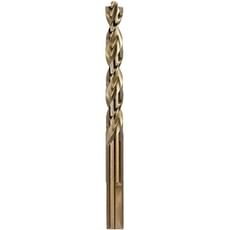
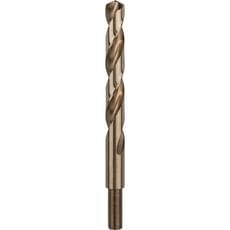
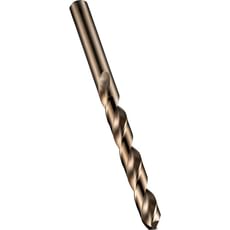
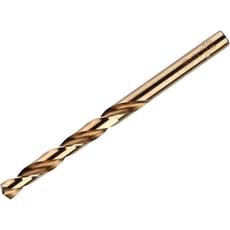
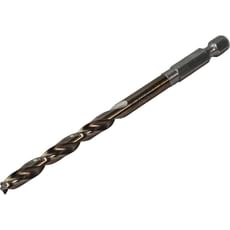
 Loading...
End of content
Error - No more pages to load
About Cobalt Drill Bits
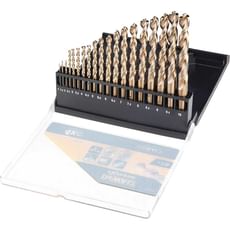
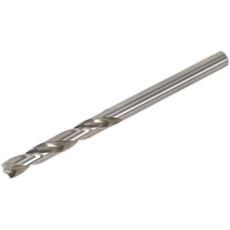
Cobalt drill bits represent a premium category of drilling tools engineered specifically for penetrating hard materials that would rapidly blunt standard HSS (High-Speed Steel) bits. Unlike surface-coated alternatives, genuine cobalt bits contain between 5-8% cobalt alloy blended uniformly throughout the entire steel structure, delivering exceptional heat resistance and prolonged cutting edge retention. When working with stainless steel, hardened steel, cast iron, titanium, or tough alloys, these specialist bits maintain their sharpness considerably longer than conventional alternatives, making them an indispensable investment for professional tradespeople and committed DIY enthusiasts tackling demanding metalworking projects.
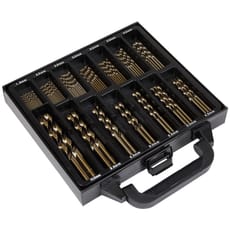
The comprehensive selection at Tooled-Up.com encompasses individual cobalt drill bits across various diameters alongside convenient multi-piece sets from industry-leading manufacturers including DeWalt, Bosch Professional, Dormer, Irwin, Draper Expert, Faithfull, and Sealey. Options range from compact 5-piece starter sets perfect for occasional specialist work through to extensive 29-piece professional collections covering virtually every drilling requirement. Most cobalt drill bits available feature HSS-E (High-Speed Steel-Extra) or HSS-Co designations, with many conforming to the M35 specification indicating 5% cobalt content—the recognised industry standard for general-purpose hard material drilling applications.
Whether you're a metal fabricator working structural steel, a maintenance engineer repairing industrial machinery, or an automotive technician drilling hardened chassis components, quality cobalt drill bits deliver tangible time and cost savings. Their superior performance in challenging applications translates to fewer bit changes, reduced drilling time, cleaner holes, and maintained accuracy even under the elevated temperatures generated when drilling hard metals. For professionals regularly encountering tough materials, cobalt bits aren't merely an upgrade—they're essential equipment that pays for itself through improved productivity and reduced downtime.
Jargon Buster
- HSS-Co (High-Speed Steel Cobalt): Steel drill bits with cobalt alloy integrated throughout the entire bit structure rather than just surface-coated, providing genuine heat resistance and hardness for drilling tough materials like stainless steel and hardened metals.
- M35 Specification: Industry designation indicating cobalt drill bits containing approximately 5% cobalt content, offering an optimal balance between performance and cost-effectiveness for most hard drilling applications encountered by tradespeople.
- Jobber Length: The standard drill bit length ratio (typically 10 times the diameter), suitable for most general drilling applications whilst offering good rigidity and adequate reach for typical metalworking tasks.
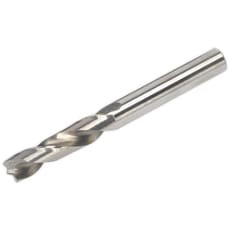
- Split Point Tip: A self-centring drill bit point geometry that significantly reduces walking and wandering when initiating holes, particularly valuable on hard metal surfaces where precision starting points are critical.
- 135° Point Angle: The most common tip angle geometry for cobalt bits, engineered to provide efficient cutting action and reduced thrust requirements when penetrating hardened materials, resulting in cleaner holes and extended bit life.
- HSS-E (High-Speed Steel Extra): Enhanced high-speed steel formulation often containing cobalt or other performance alloys, designed specifically for superior drilling performance in harder materials compared to standard HSS alternatives.
Who Uses Cobalt Drill Bits?
- Metal Fabricators and Welders: For drilling structural steel, angle iron, RSJ sections, and plate steel in workshop fabrication and site installation work
- Maintenance Engineers: Essential for repairing and maintaining industrial machinery, pumps, motors, gearboxes, and equipment featuring hardened components
- Automotive Technicians: Drilling through chassis rails, suspension components, brake assemblies, and other hardened automotive parts in repair workshops
- Agricultural Engineers: Working with tough farm machinery parts, plough blades, cultivator tines, and heavy-duty agricultural equipment repairs
- Plumbers and Heating Engineers: Drilling through cast iron pipes, radiators, stainless steel cylinders, and hardened plumbing fittings
- Aerospace and Precision Engineering: Machining specialised alloys, titanium components, high-grade stainless steel, and other advanced materials
- General Engineering Workshops: Any professional environment requiring reliable drilling of hard metals, alloys, and specialised materials
- Construction Steelwork Contractors: Installing fixings, connections, and brackets in structural steel frameworks and industrial buildings
How to Choose the Right Cobalt Drill Bits
Individual Bits vs. Complete Sets: If you regularly work with hard materials, comprehensive sets from DeWalt, Draper Expert, or Faithfull offer superior value and ensure appropriate sizes are immediately available. For occasional specialist drilling requirements, purchasing individual bits in specific sizes proves more economical.
Cobalt Content Considerations: M35 specification bits (5% cobalt) deliver excellent performance for most applications including stainless steel and cast iron drilling. Higher cobalt content (8% in M42 specification) provides enhanced heat resistance for the most demanding industrial applications, though at increased cost. For typical trade use, M35 represents the optimal balance.
Size Range Requirements: Consider the hole diameters you typically drill. Starter sets commonly range from 1mm to 10mm or 13mm, whilst professional collections like the DeWalt 29-piece extend this range considerably. Metric sizing remains standard across UK trade applications.
Brand Quality Factors: Premium manufacturers like Bosch Professional, Dormer, and DeWalt offer superior manufacturing tolerances and consistency, resulting in truer running bits and extended service life. Mid-range options from Draper Expert, Faithfull, and Sealey provide excellent value for regular professional use without compromising essential performance characteristics.
Point Design Features: Split point tips are highly recommended as they self-centre and prevent wandering on hard surfaces. Most quality cobalt bits feature this design alongside a 135° point angle specifically optimised for hard materials, reducing thrust requirements and improving hole quality.
Length Specifications: Standard jobber length bits suit most applications effectively. Consider specific drilling depth requirements—deeper holes necessitate longer bits, whilst precision work might benefit from shorter, more rigid stubby designs offering enhanced stability.
Popular Accessories
- Cutting Fluid and Lubricants: Essential for prolonging bit life and improving cutting performance when drilling hard metals—significantly reduces heat generation and friction
- Centre Punches: Create accurate starting points on hard metal surfaces to prevent drill bit wandering and ensure precise hole positioning
- Drill Bit Storage Cases: Organised storage protects your investment in quality cobalt bits and maintains them readily accessible—many sets include dedicated indexed cases
- Tap and Die Sets: Complement your drilling capability with thread-cutting tools for complete metalworking solutions and fixing installations
- Drill Bit Sharpeners: Extend the operational life of cobalt bits by restoring cutting edges when they eventually dull through use
- Pilot Drills and Step Bits: Create smaller pilot holes before enlarging with cobalt bits when working with particularly hard or thick materials
- Magnetic Drill Stands: For precision drilling in structural steel and heavy fabrication work where portable accuracy is essential
- Safety Glasses and Work Gloves: Essential PPE when drilling hard metals that produce sharp swarf and hot metal chips
Safety Information
Personal Protective Equipment: Always wear appropriate safety glasses or a face shield when drilling hard metals, as cobalt bits produce hot, sharp metal swarf that may fly unpredictably. Safety gloves are recommended for handling workpieces, though never wear loose gloves near rotating machinery which could catch and cause serious injury.
Secure Workpiece Clamping: Hard materials require significant drilling pressure. Always secure workpieces firmly using a vice, clamps, or magnetic drill stand. Never attempt to hold small components by hand when drilling with cobalt bits, as the torque can cause workpieces to spin violently, resulting in serious injuries.
Heat Management: Cobalt bits drilling hard materials generate considerable heat. Use appropriate cutting fluid or lubricant to manage temperatures and prolong bit life. Allow bits to cool naturally—never immerse hot bits in water as thermal shock can cause cracking and premature failure.
Correct Speed Settings: Always use lower drill speeds when working with cobalt bits in hard materials. Excessive speed generates heat that can damage even premium cobalt bits. Consult HSE guidance on safe metalworking practices and your drill manufacturer's recommendations for appropriate speeds based on material type and bit diameter.
Swarf Disposal: Sharp metal swarf produced during drilling can cause cuts and puncture injuries. Clear swarf regularly using a brush (never bare hands), and dispose of properly in designated metal waste containers in accordance with workplace COSHH assessments and local waste management regulations.
Frequently Asked Questions
What's the difference between cobalt drill bits and standard HSS bits?
Cobalt drill bits contain 5-8% cobalt alloy blended throughout the entire bit structure, making them significantly harder and more heat-resistant than standard HSS bits. This enables them to drill through hardened steel, stainless steel, cast iron, and other tough materials that would quickly destroy conventional bits. Whilst more expensive initially, cobalt bits last considerably longer when working with hard metals, making them more economical for professional metalworking applications.
Can I use cobalt drill bits in a standard cordless drill?
Yes, cobalt bits fit standard drill chucks and work with both corded and cordless drills. However, when drilling hard materials, you'll need a drill with adequate power and torque. Premium cordless drills from DeWalt, Milwaukee, or Makita in the 18V range typically provide sufficient power for most hard drilling applications, though corded drills or magnetic drill stands may be preferable for heavy-duty metalwork requiring sustained power.
Do I need cutting fluid when using cobalt drill bits?
For drilling hardened steel, stainless steel, and similar tough materials, cutting fluid significantly extends bit life and improves drilling performance by reducing heat and friction. For occasional drilling of softer metals, you can work dry, though lubrication always proves beneficial. Professional metalworkers typically use appropriate cutting fluid consistently to maximise their investment in quality cobalt bits and maintain optimal performance.
How do I know when my cobalt drill bits need replacing?
Warning signs include increased drilling time, excessive heat generation, rough or ragged holes, squealing noises, and the bit requiring significantly more pressure to cut effectively. Many cobalt bits can be resharpened several times using a proper drill bit sharpener, extending their useful life considerably before replacement becomes necessary, making them a cost-effective long-term investment.
Can cobalt drill bits be used for wood and plastic?
Yes, cobalt drill bits will drill wood, plastic, and softer materials perfectly well, though they're overqualified and more expensive for these applications. Standard HSS bits prove more economical for everyday drilling in softer materials. However, if you're working on projects involving both hard metals and softer materials, cobalt bits handle both without issue, eliminating the need for frequent bit changes during mixed-material work.