

Combi Drills
Pay in 3 interest-free payments on purchases from £30-2000 with  . Learn more.
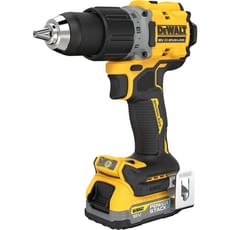
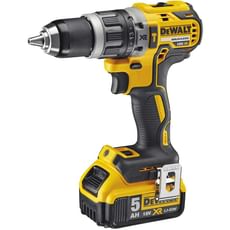
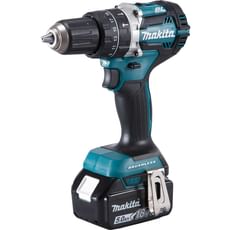
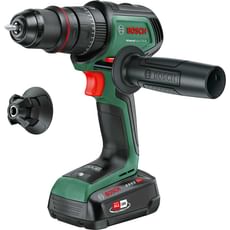
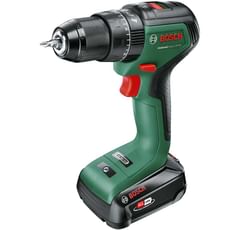
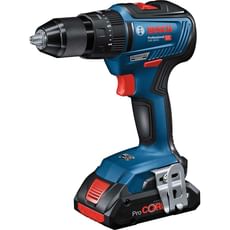
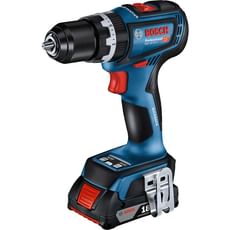
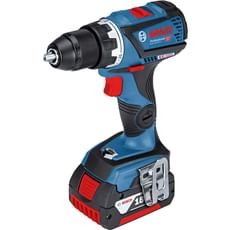
Bosch GSB 18V-90 C 18v Cordless Brushless Combi Drill With Kickback Control
in stock
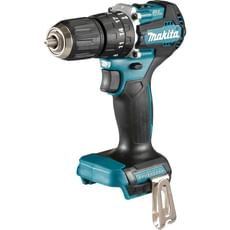
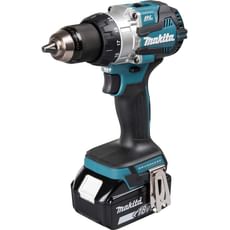
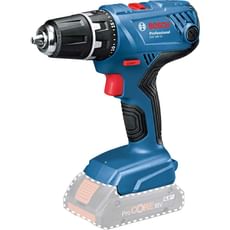
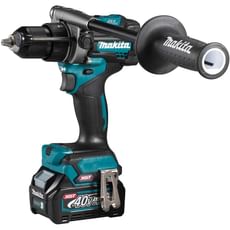
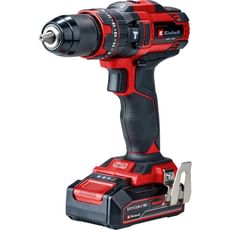
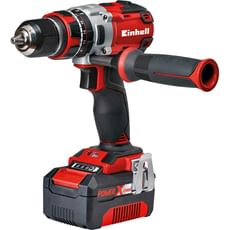
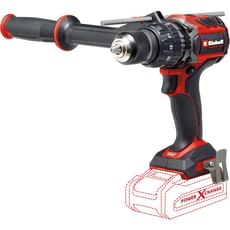
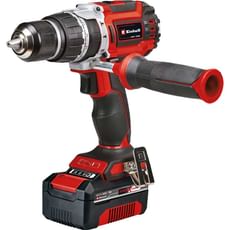
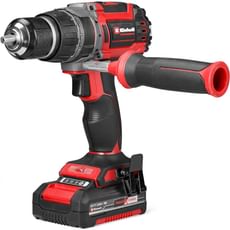
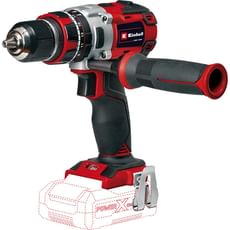
Einhell Professional TP-CD 18/120 Li-I BL 18v Cordless Brushless Combi Drill
in stock
 Loading...
End of content
Error - No more pages to load
About Combi Drills
Combi drills represent one of the most versatile and indispensable power tools for both professional tradespeople and DIY enthusiasts throughout the UK. These multi-functional machines combine three essential operations in a single compact unit: rotary drilling, hammer drilling, and precision screwdriving with adjustable torque control. This ingenious three-in-one design allows users to switch seamlessly between standard drilling in wood, metal and plastic, hammer action for masonry work in brick and concrete, and controlled screwdriving without stripping screw heads or damaging surfaces. For anyone seeking a reliable, multi-purpose drilling solution that eliminates the need for multiple separate tools, a quality combi drill delivers exceptional value whilst saving precious toolbox space.
Modern cordless combi drills have evolved dramatically in recent years, with brushless motor technology, high-capacity lithium-ion batteries, and intelligent power management systems delivering performance that genuinely rivals traditional 240v corded alternatives. Available across various voltage platforms from compact 12V models perfect for overhead work and tight spaces through to powerful 18V workhorses built for demanding site applications, there's a combi drill suited to every task and trade. The range at Tooled-Up includes leading manufacturers such as Bosch Professional, DeWalt, Makita, Black and Decker, Einhell, Festool and Draper, spanning entry-level DIY models through to professional-grade machines engineered to withstand daily site work and harsh conditions.
The adjustable torque clutch remains a defining feature of combi drills, providing precise control when driving screws into different materials without over-tightening or causing damage. Combined with variable speed triggers, two-speed gearboxes for different applications, and hammer action that engages for drilling into brick, concrete and blockwork, a quality combi drill genuinely eliminates the need for carrying multiple tools between jobs, saving both money and reducing the weight burden for mobile tradespeople.
Jargon Buster
- Brushless Motor: Advanced motor technology using electronic circuitry instead of carbon brushes, delivering improved efficiency, approximately 25-30% longer runtime per charge, reduced maintenance requirements, and extended tool lifespan compared to traditional brushed motors.
- Torque Settings (Clutch): Numbered ring on the collar that adjusts how much rotational force is applied before the clutch slips to prevent over-driving. Lower settings suit delicate screws in soft materials, whilst higher settings accommodate larger fixings or drilling operations.
- Ah (Ampere-hour): Battery capacity measurement indicating how much charge a battery pack holds. Higher Ah ratings such as 4.0Ah or 5.0Ah provide longer runtime between charges, though they add weight and bulk to the tool.
- Nm (Newton-metres): Unit measuring the maximum torque output of the drill. Higher Nm values indicate more powerful drilling and driving capability, with DIY models typically offering 30-50Nm and professional tools reaching 80Nm or considerably more.
- Hammer Action: Percussive drilling mode delivering rapid forward impacts alongside rotation, essential for drilling into masonry materials including brick, concrete and blockwork. Measured in impacts per minute (IPM).
- Chuck Size: The maximum drill bit shank diameter the chuck can accept, typically 10mm or 13mm on combi drills. Larger chucks accommodate bigger bits for drilling wider holes, though 13mm represents the standard for most applications.
Who Uses Combi Drills?
Combi drills serve an exceptionally broad user base across the UK construction, installation and DIY sectors:
- General builders and contractors who rely on combi drills daily for fixing, fastening and drilling across multiple materials on residential and commercial sites
- Electricians (sparkies) using them extensively for drilling cable routes, fixing back boxes, mounting consumer units and installing electrical fittings
- Plumbers for pipe bracket installation, fixing radiators, mounting boilers and general fastening work across various substrates
- Carpenters and joiners (chippies) for both wood drilling and driving screws in joinery applications, including second fixing and furniture installation
- Kitchen and bathroom fitters who need versatile drilling capability for unit installation across tiles, brick, plasterboard and other substrates
- Shop fitters for display and fixture installation work requiring precise control and multi-material drilling
- Maintenance engineers across facilities management requiring a portable, multi-purpose drilling solution for varied repair and installation tasks
- Decking and fencing contractors driving substantial quantities of screws into timber whilst maintaining precise depth control
- DIY homeowners tackling flat-pack furniture assembly, shelving installation, picture hanging and general home improvement projects
- Handyman services needing reliable, versatile tools for varied repair and installation jobs across different properties
How to Choose the Right Combi Drill
Voltage Platform: Consider whether a 12V or 18V system suits your requirements. Compact 12V models from brands like Bosch and Makita offer exceptional portability and reduced weight, making them ideal for overhead work, confined spaces, and lighter applications such as electrical installation or cabinet fitting. However, 18V combi drills deliver substantially more power and torque, proving better suited to regular masonry drilling, driving long screws into timber, and demanding site work. Assess your typical applications honestly when selecting voltage.
Brushless vs Brushed Motors: Whilst brushed motor drills cost less initially, brushless models from manufacturers including DeWalt, Bosch Professional and Milwaukee offer superior efficiency, translating to approximately 25-30% longer runtime per charge, increased power output, cooler operation and significantly extended tool life with virtually no maintenance. For professional users and serious DIY enthusiasts, the investment in brushless technology pays dividends through reduced downtime and lower long-term battery replacement costs.
Torque Output: Entry-level DIY combi drills typically offer 30-40Nm, perfectly adequate for general household tasks and occasional use. Mid-range models deliver 50-60Nm for more demanding DIY and light professional work including regular masonry drilling. Professional-grade machines reach 80Nm or higher, handling large masonry bits and driving substantial fixings into hardwood without stalling or straining.
Battery Capacity and Quantity: Consider both the Ah rating and number of batteries included in the kit. A 2.0Ah battery suits occasional users prioritising minimal weight, whilst 4.0Ah or 5.0Ah batteries better serve professionals needing extended runtime between charges. Many professional tradespeople invest in additional batteries to maintain continuous productivity on site without waiting for charging.
Build Quality and Brand Reputation: Professional brands including Bosch Professional, DeWalt, Makita and Festool engineer their combi drills for daily site abuse with robust housings, metal gearboxes, sealed switches and comprehensive warranties. DIY-focused brands such as Bosch Home and Garden, Black and Decker and Einhell offer excellent value for lighter-duty applications and occasional home use.
Kit Contents: Tooled-Up stocks both bare units and complete kits. Bare units suit those already invested in a particular battery platform, whilst complete kits including batteries, charger and carrying case offer better value for first-time buyers or those starting a new voltage system from scratch.
Popular Accessories
- Drill Bit Sets: HSS bits for metal drilling, wood bits including brad point and flat patterns, and masonry bits with carbide tips for brick and concrete work
- Screwdriver Bit Sets: Phillips, Pozi, Torx and hex driver bits in various lengths, including impact-rated bits for demanding applications
- Mixed Bit Sets: Comprehensive assortments combining drilling and driving bits for multiple materials in convenient storage cases
- Spare Batteries: Additional battery packs in various capacities to maintain productivity and minimise charging downtime on site
- Fast Chargers: Rapid charging units that significantly reduce charging times compared to standard chargers
- Quick-Change Chuck Adaptors: Enable rapid bit changes without manually opening the chuck, significantly speeding up workflow when alternating between drilling and driving
- Magnetic Bit Holders: Extend reach and hold screws magnetically for one-handed operation in awkward locations
- Right-Angle Adaptors: Allow drilling and driving in confined spaces where the drill body cannot fit
- Tool Cases and Organisers: Protect your investment and keep batteries, chargers and accessories organised for transport between jobs
- Drill Bit Sharpeners: Extend the life of HSS bits through periodic resharpening, reducing consumable costs over time
Safety Information
When operating combi drills, always wear appropriate eye protection to guard against flying debris, particularly when drilling masonry or metal which can produce sharp fragments and dust. Safety glasses or goggles meeting BS EN 166 standards provide essential protection and should be considered mandatory rather than optional.
Remove jewellery, secure loose clothing and tie back long hair before operation to prevent entanglement with rotating components. When drilling overhead, wear a dust mask or respirator (minimum FFP2 rated for masonry work) to avoid inhaling particulates. Masonry drilling generates silica dust, a substance regulated under COSHH (Control of Substances Hazardous to Health) regulations, making respiratory protection particularly important for extended masonry drilling operations.
Always check for hidden cables, pipes and services before drilling into walls, ceilings or floors using a suitable cable and pipe detector. This precaution proves especially critical when working in occupied properties where services may not be documented. Ensure workpieces are securely clamped where possible rather than hand-held to prevent the workpiece spinning and causing injury if the bit binds.
Inspect drill bits before use and discard any that are damaged, bent, cracked or excessively worn. Damaged bits can shatter during operation or cause the drill to snag dangerously. When working at height, use appropriate access equipment meeting HSE guidance and consider wearing a tool lanyard to prevent dropped tools causing injury to people below. Ensure batteries are removed during bit changes and when the tool is not in use.
Frequently Asked Questions
What's the difference between a combi drill and an impact driver?
A combi drill offers three functions—drilling, hammer drilling and screwdriving—with an adjustable clutch providing precise torque control for delicate work. An impact driver is specifically designed for driving screws and bolts, using rotational impacts to deliver much higher torque without the adjustable clutch mechanism. For most users, a combi drill provides greater versatility for varied tasks, though many professionals invest in both tools, using the combi drill for drilling operations and the impact driver for high-volume screwdriving where its superior power and speed prove beneficial.
Can I use my combi drill for mixing paint or plaster?
Whilst technically possible with a paddle mixer attachment, combi drills aren't ideal for sustained mixing applications. The high resistance encountered when mixing heavy materials such as plaster, render or tile adhesive can overheat the motor, drain batteries extremely rapidly, and place excessive stress on the gearbox not designed for such loads. For regular mixing work, a dedicated mixer tool with appropriate power output, gearing and cooling is strongly recommended to avoid premature wear or damage to your combi drill.
How long do combi drill batteries last before needing replacement?
Quality lithium-ion batteries typically maintain good performance for 300-500 complete charge cycles before capacity begins declining noticeably. With proper care—avoiding complete discharge, storing at moderate temperatures away from extremes, and using regularly rather than leaving dormant—batteries often provide 3-5 years of reliable service. Brushless motor drills extract more work per charge, maximising battery value and extending the time between replacement purchases.
What voltage combi drill do I need for drilling brick and blockwork?
For drilling holes up to 8-10mm diameter in brick and standard blockwork, a quality 12V combi drill with hammer action suffices for occasional use. However, for regular masonry drilling, particularly holes larger than 10mm or working in hard engineering brick and concrete, an 18V model with at least 50Nm torque and a 4.0Ah battery provides substantially better performance, faster drilling speeds and reduced user fatigue. Professional bricklayers and builders typically favour 18V models for consistent masonry work.
Are cheaper DIY combi drills worth buying or should I invest in professional models?
For occasional home use—assembling furniture, hanging pictures, light drilling and general household maintenance—budget-friendly models from brands like Black and Decker, Einhell or Bosch Home and Garden offer excellent value and perfectly adequate performance. However, if you're using the tool regularly, working professionally, or tackling demanding applications, investing in professional-grade models from Bosch Professional, DeWalt or Makita delivers superior durability, power, runtime and long-term reliability that justifies the higher initial cost through reduced downtime and replacement frequency.