

Corner Clamps
Pay in 3 interest-free payments on purchases from £30-2000 with  . Learn more.
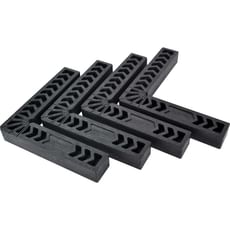
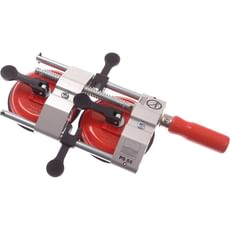
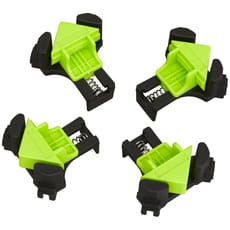
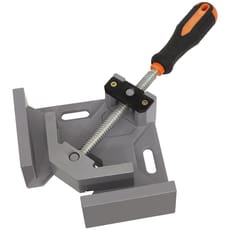
 Loading...
End of content
Error - No more pages to load
About Corner Clamps
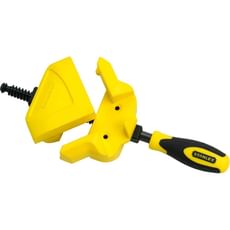
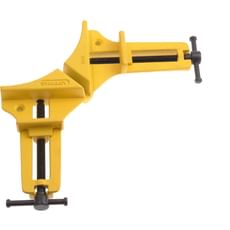
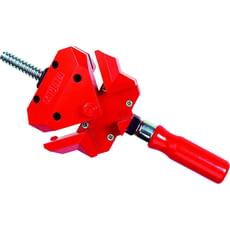
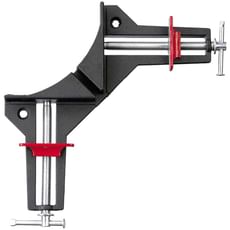
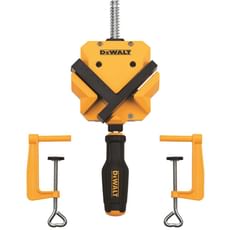
Corner clamps are indispensable workshop tools designed to hold two workpieces at precise right angles during assembly operations. Whether you're fabricating picture frames, constructing cabinets, welding metal structures, or creating box joints, a quality corner clamp ensures your work remains perfectly aligned whilst you fasten, glue, or weld. These versatile tools eliminate the frustration of attempting to hold components in position with one hand whilst working with the other, dramatically improving accuracy and efficiency across professional and DIY applications. Available in various configurations from lightweight aluminium models to heavy-duty welding clamps, they serve carpenters, fabricators, and home improvers alike.
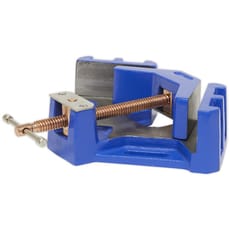
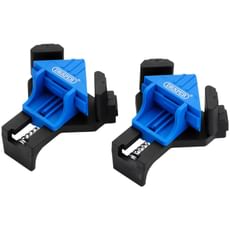
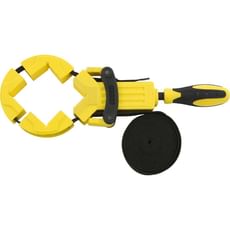
The range at Tooled-Up.com encompasses several distinct types to suit different applications. Standard corner clamps excel at woodworking projects, featuring adjustable jaws that accommodate various material thicknesses whilst securing workpieces firmly during assembly. Band clamps offer an innovative solution for frame-making, essentially combining four corner clamps into one adjustable system that wraps around rectangular or square frames, applying even pressure to all corners simultaneously. For metalworking and fabrication, specialist welders angle clamps feature robust all-metal construction with copper-plated threads and heat-resistant components that withstand welding spatter and high temperatures without damage.
Leading manufacturers including Bessey, Sealey, DeWalt, Stanley, Draper, Faithfull and Record offer corner clamps in various capacities and configurations. From compact clamps for delicate picture framing to heavy-duty welders clamps capable of handling substantial steel sections, there's a solution for every trade and application. Many models incorporate additional features such as quick-release mechanisms, swing jaw designs for irregular shapes, and multiple adjustment points to enhance versatility and ease of use on site or in the workshop.
Jargon Buster
- Mitre Joint: A corner joint where two pieces are cut at 45-degree angles and joined to create a 90-degree corner, commonly used in picture frames and architrave. Corner clamps hold these angled cuts perfectly aligned during gluing or fastening.
- Butt Joint: The simplest woodworking joint where the end of one piece meets the face or edge of another at a right angle. Corner clamps prevent movement whilst screws, nails or dowels are inserted.
- Band Clamp: A type of corner clamping system featuring a continuous adjustable strap or band with four corner pieces, designed to apply even pressure around the entire perimeter of rectangular or square frames simultaneously.
- Welders Angle Clamp: Heavy-duty metal corner clamps specifically engineered for fabrication work, featuring copper-plated threads and heat-resistant construction to prevent weld spatter adhesion and heat damage during welding operations.
- Jaw Capacity: The maximum thickness of material that can fit between the clamp's jaws, typically measured in millimetres. This specification determines the size of workpieces the clamp can accommodate.
- Swing Jaw: A pivoting jaw design that allows the clamp to accommodate irregular shapes or angled components beyond standard 90-degree applications, providing enhanced versatility.
Who Uses Corner Clamps?
Corner clamps are invaluable tools for a diverse range of trades and applications:
- Carpenters and Joiners: Essential for assembling cabinets, boxes, drawer units and furniture components with perfect right angles
- Picture Framers: Critical for creating professional mitre joints in picture frames, mirror surrounds and mounting work
- Welders and Metal Fabricators: Use specialist welders clamps to hold steel sections at precise angles during tack welding and full welding sequences
- Shop Fitters: Rely on corner clamps for assembling display units, shelving systems and custom retail fixtures on site
- Kitchen and Bathroom Fitters: Use them when assembling flat-pack units and creating bespoke cabinetry during installations
- Set Designers and Theatre Technicians: Employ corner clamps for building stage flats and scenery frames quickly and accurately
- DIY Enthusiasts: Home improvers use corner clamps for countless projects from building shelves to creating wooden planters and outdoor furniture
- Model Makers: Precision corner clamps help create accurate scale models, prototypes and architectural displays
- Window Fitters: Use angle clamps when assembling or repairing timber window frames and casements
- Furniture Restorers: Essential for regluing and repairing antique furniture joints whilst maintaining original angles
How to Choose the Right Corner Clamps
Application Type: Determine whether you need clamps for woodworking, metalworking or general assembly. Welders angle clamps with copper-plated components are essential for fabrication work, whilst standard clamps suit most carpentry and joinery applications. Band clamps excel at frame assembly where even pressure distribution across all four corners is critical.
Material Capacity: Check the jaw opening capacity to ensure the clamp accommodates your typical workpiece thickness. Most models handle materials from 10mm to 70mm thick, but heavy-duty versions offer greater capacity for substantial sections. Products like the Bessey PS-55 accommodate materials up to 55mm, whilst welders clamps often handle thicker steel sections.
Build Quality: Professional tradespeople should invest in robust clamps from reputable brands like Bessey, DeWalt or Sealey. Cast aluminium or steel construction provides durability for daily site use and withstands the rigours of professional environments, whilst budget options may suffice for occasional DIY projects.
Clamping Mechanism: Quick-release mechanisms save time on repetitive tasks, whilst fine adjustment screws offer precision for critical work. Swing jaw designs provide versatility when working with irregular shapes or angled components beyond standard 90-degree applications.
Portability Requirements: If you work across multiple sites, consider lightweight aluminium clamps or compact designs that won't overload your van. Workshop-based users can opt for heavier, more substantial models that remain permanently stationed at benches.
Quantity Needed: Frame assembly often requires multiple clamps simultaneously. Multi-piece sets from manufacturers like Faithfull or Sealey offer better value than purchasing individual units, whilst band clamps provide an all-in-one solution for box and frame projects, effectively replacing four separate corner clamps.
Popular Accessories
- Quick-Grip Bar Clamps: Complement corner clamps by providing additional pressure along workpiece edges during assembly operations
- Clamp Pads: Protect delicate surfaces from jaw marks and distribute clamping pressure more evenly across workpieces
- Wood Glue: PVA and polyurethane adhesives work alongside corner clamps for creating permanent woodworking joints
- Pocket Hole Jigs: Combine with corner clamps for creating concealed screw joints in cabinet and furniture construction
- Digital Angle Finders: Verify precise 90-degree angles before final clamping and assembly to ensure professional results
- Mitre Saws: Cut accurate 45-degree angles that corner clamps then hold perfectly during gluing or fastening
- Welding Magnets: Work alongside welders angle clamps to provide additional holding force for metal fabrication tasks
- Engineer's Squares: Essential for checking right angles before applying clamping pressure to workpieces
- Workbenches and Saw Horses: Provide stable platforms for clamping and assembly operations in workshops or on site
Safety Information
Secure Workpieces Properly: Ensure materials are fully seated in the clamp jaws before tightening. Insufficient engagement can cause workpieces to slip under pressure, potentially causing injury or damaging your project. Always apply clamping pressure gradually and check alignment before proceeding with drilling, fastening or welding operations.
Welding Applications: When using welders angle clamps, verify they're rated for high-temperature applications before striking an arc. Position clamps away from the direct welding zone where possible, and allow adequate cooling time before removal. Always wear appropriate welding PPE including leather gloves, apron and face protection. Ensure your workspace complies with HSE guidelines for hot work activities and maintain adequate ventilation.
Avoid Over-Tightening: Excessive clamping pressure can crush soft materials, crack joints, or deform thin sheet materials. It can also damage the clamp's threads or adjustment mechanisms, reducing tool lifespan. Apply only sufficient pressure to hold workpieces securely without causing visible deformation or material damage.
Stable Work Surface: Always use corner clamps on stable benches or work surfaces. Unstable setups can topple during assembly, causing injury or damage to workpieces and tools. Secure the clamp assembly to your workbench where appropriate to prevent movement during fastening operations, particularly when using power tools.
Frequently Asked Questions
What's the difference between a corner clamp and a mitre clamp?
The terms are often used interchangeably, but technically a mitre clamp is specifically designed for 45-degree mitred joints like picture frames, whilst corner clamps can accommodate both mitred joints and straight butt joints at 90 degrees. Most modern corner clamps available at Tooled-Up offer versatility to handle both joint types effectively, making them suitable for a wider range of applications.
Can I use standard corner clamps for welding?
Standard corner clamps aren't suitable for welding applications as the heat and spatter will damage plastic components, melt rubber grips, and cause metal threads to seize. Always use specialist welders angle clamps with copper-plated threads and all-metal heat-resistant construction for fabrication work. These are specifically designed to withstand the demanding conditions of welding environments and won't deteriorate under high temperatures.
How many corner clamps do I need for a picture frame?
For a traditional picture frame with four corners, you theoretically need four individual corner clamps—one for each joint. However, a band clamp provides a more practical solution as it functions as four corner clamps in one system, applying even pressure to all four corners simultaneously whilst keeping the frame square. This approach is faster and often delivers more consistent results than using multiple separate clamps.
Will corner clamps work with thick timber sections?
This depends on the jaw capacity of your specific clamp. Most standard corner clamps accommodate materials up to 50-70mm thick, whilst heavy-duty models and welders clamps can handle sections exceeding 100mm. Always check the manufacturer's specifications for jaw opening capacity before purchasing to ensure the clamp suits your typical workpiece dimensions and project requirements.
Do I still need to check for square when using corner clamps?
Yes, absolutely. Whilst corner clamps hold workpieces at approximately 90 degrees, you should always verify the angle with an engineer's square or digital angle finder before final fastening. Workpiece irregularities, clamp wear, or incorrect positioning can result in slightly out-of-square assemblies. Taking a moment to check with precision measuring tools ensures professional results every time and prevents costly mistakes.