

Delta Sanders

Pay in 3 interest-free payments on purchases from £20-£3000 with  . Learn more.
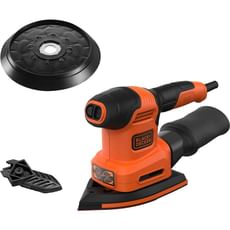
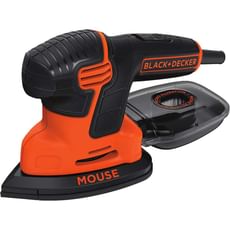
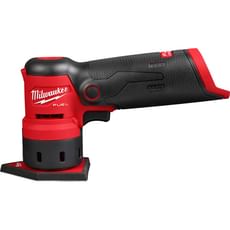
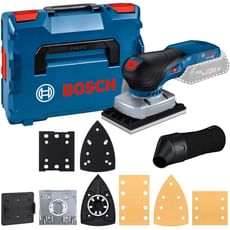

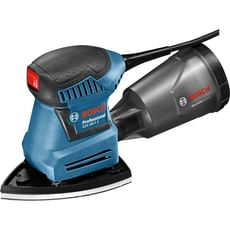
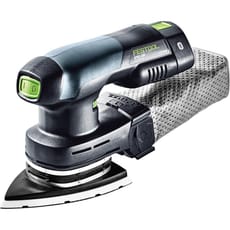
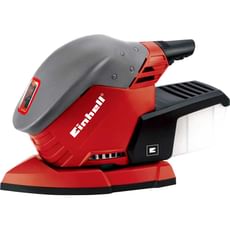
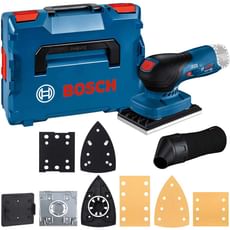
 Loading...
End of content
Error - No more pages to load
About Delta Sanders
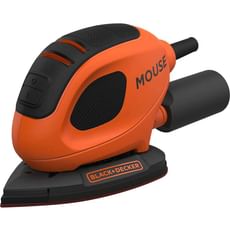
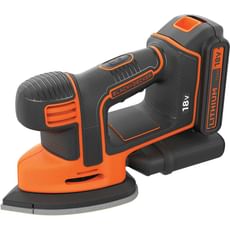
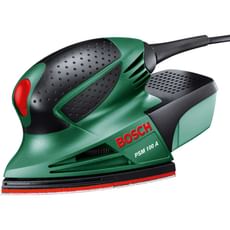
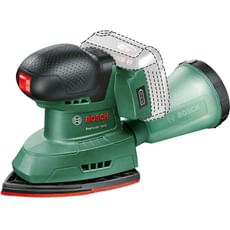
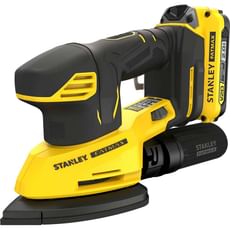
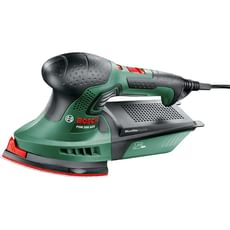
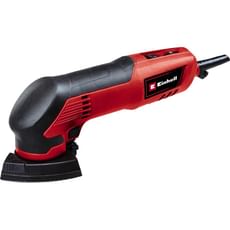
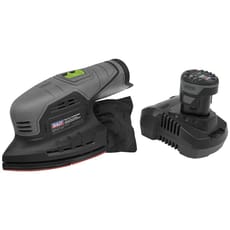
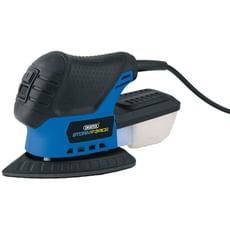
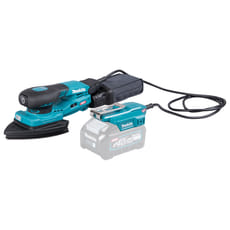
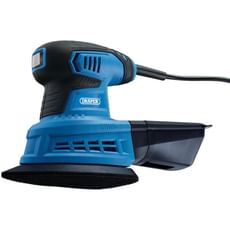
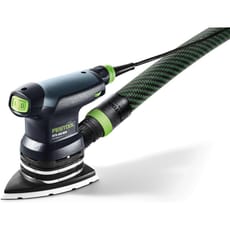
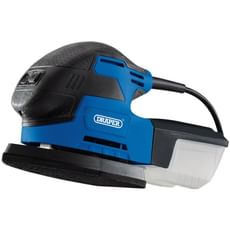
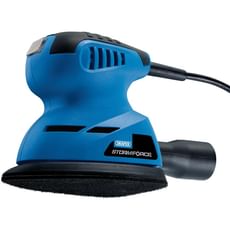
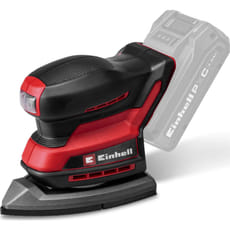
Delta sanders, also known as detail sanders or mouse sanders due to their distinctive triangular sanding pad, are essential power tools for achieving professional finishes in hard-to-reach areas. The characteristic delta-shaped sanding base allows these versatile tools to access tight corners, edges, and intricate profiles that standard orbital or random orbital sanders simply cannot reach. Whether you're preparing furniture for refinishing, smoothing window frames, touching up skirting boards, or working on detailed joinery, a delta sander provides the precision and control needed for intricate work.
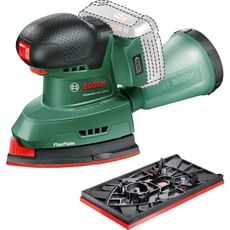
Modern delta sanders combine the benefits of detailed corner access with the ability to sand larger flat surfaces, making them remarkably versatile additions to any toolkit. Available in both corded 240v and cordless formats, today's models feature reduced vibration, efficient dust extraction systems, and quick-change sanding pad mechanisms for improved productivity. The selection at Tooled-Up.com includes budget-friendly DIY models through to professional-grade machines from manufacturers like Bosch, Festool, Makita, and Milwaukee. Many contemporary models also function as multi-sanders, accepting different base plates to transform them into finger sanders or profile sanders for even greater versatility.
The category encompasses compact mouse sanders perfect for intricate joinery work, more powerful detail sanders for general trade use, and advanced multi-sanders with interchangeable bases. With brands including Black & Decker, Draper, Einhell, Stanley, and both professional and DIY ranges from Bosch, you'll find machines suitable for everything from occasional home maintenance to demanding daily site work.
Jargon Buster
- Delta Pad: The triangular-shaped sanding base that gives these tools their name and enables access to corners and tight spaces. Typically measures between 90-110mm on the longest edge.
- Orbits Per Minute (OPM): The speed at which the sanding pad oscillates, typically ranging from 10,000 to 24,000 OPM. Higher speeds remove material faster but require more skill to avoid over-sanding.
- Hook and Loop (Velcro) System: A quick-change attachment method for sanding sheets that uses a Velcro-like fastening, allowing rapid pad changes without tools. Far more convenient than older clip or clamp systems.
- Micro-filtration: Advanced dust extraction systems that capture fine particles (often 99% of dust above 0.3 microns), protecting both the user and the work environment from harmful dust.
- Variable Speed Control: Allows adjustment of the sanding speed to suit different materials - lower speeds for delicate surfaces, higher speeds for aggressive stock removal.
- Multi-base System: Sanders that accept interchangeable base plates in different shapes (detail, finger, profile) to tackle various applications with a single tool.
Who Uses Delta Sanders?
Professional Tradespeople:
- Carpenters and joiners for fine finishing on furniture, doors, and window frames
- Kitchen and bathroom fitters for preparation work on units and trims
- Painters and decorators for surface preparation before painting or wallpapering
- Shop fitters and cabinet makers for detailed finishing work
- General builders for touching up skirting boards, architraves, and mouldings
- Restoration specialists working on period properties with intricate woodwork
DIY Enthusiasts and Home Users:
- Home renovators tackling upcycling and furniture restoration projects
- Hobbyist woodworkers building custom pieces
- Property maintainers preparing surfaces for decoration
- Model makers and craft enthusiasts requiring precision sanding
How to Choose the Right Delta Sanders
Power Source: Corded 240v models typically deliver 150-280W of consistent power, ideal for prolonged use and demanding applications. Cordless variants offer excellent portability and convenience for site work or locations without mains power, with 12V models suitable for light duties and 18V options providing performance comparable to corded machines. Consider battery compatibility with your existing power tool platform.
Pad Size and Configuration: Standard delta pads measure approximately 90-110mm at the base, but some models feature extended detail tips or finger attachments for ultra-precise work. Multi-sanders that accept different base plates offer exceptional versatility, effectively replacing several specialist tools.
Speed and Control: Variable speed control is valuable for working with different materials - softer woods, plastics, and painted surfaces benefit from lower speeds to prevent damage, whilst harder materials require higher speeds for efficient stock removal. Look for models offering 10,000-24,000 OPM range for maximum flexibility.
Dust Extraction: Effective dust collection is crucial for visibility, surface finish quality, and health protection. Better models feature micro-filtration systems and can connect to workshop vacuum extractors via standard 35mm hoses. Integrated dust boxes are convenient for mobile work but require more frequent emptying.
Ergonomics and Vibration: As detail work often requires extended periods of close control, consider weight, grip design, and anti-vibration features. Lighter models (under 1kg) reduce fatigue, whilst rubberised palm grips and low-vibration motors improve comfort and control.
Professional vs DIY Grade: Budget models from Black & Decker and Einhell (£30-60) suit occasional home use, mid-range options from Bosch DIY and Draper (£60-100) balance performance and value for regular users, whilst professional machines from Festool, Makita, and Milwaukee (£100-250+) deliver superior build quality, performance, and durability for daily trade use.
Popular Accessories
- Sanding Sheets and Pads: Available in grits from coarse (40-60) for heavy material removal through to ultra-fine (240-320) for finishing. Hook and loop sheets offer quick changes whilst punched versions improve dust extraction efficiency. Stock various grits for progressive sanding.
- Dust Extraction Hoses and Adaptors: Connect your sander to workshop vacuum systems for superior dust control. Standard 35mm hoses and adaptors ensure compatibility with most extractors.
- Additional Base Plates: For multi-sanders, supplementary finger, profile, or standard bases expand capability without purchasing separate tools.
- Replacement Dust Boxes: Spare dust collection containers allow continuous work whilst one is being emptied or cleaned.
- Backing Pads: Replacement interface pads maintain optimal sanding performance as the original wears over time.
- Carry Cases: Protect your investment during transport and storage, particularly important for cordless models with batteries and accessories.
Safety Information
Respiratory Protection: Always wear appropriate dust masks or respirators when sanding, particularly when working with MDF, treated timber, or old painted surfaces that may contain lead. HSE guidelines recommend FFP2 or FFP3 rated masks for fine dust protection. Consider mechanical extraction as your primary defence, with respiratory PPE as secondary protection.
Eye Protection: Safety glasses or goggles are essential to protect against dust and debris, even when using extraction systems. Fine particles can cause serious eye irritation.
Hearing Protection: Whilst delta sanders are relatively quiet compared to other power tools, extended use in enclosed spaces may warrant hearing protection, particularly with high-speed models.
Material Hazards: Be aware of COSHH regulations when sanding materials that may produce hazardous dust. Lead paint (common in pre-1970s properties), asbestos-containing materials, and certain treated timbers require specific control measures. When in doubt, conduct appropriate testing before commencing work.
Electrical Safety: Ensure corded 240v models are PAT tested regularly on professional sites. Use 110V transformers or battery-powered models on construction sites where required. Never use damaged cables or plugs with standard 13A connections, and always disconnect from the mains before changing accessories.
Secure Workpieces: Always clamp or secure items being sanded to prevent movement, maintaining better control and reducing accident risk.
Frequently Asked Questions
What's the difference between a delta sander and a mouse sander?
These terms are generally interchangeable - both refer to sanders with triangular (delta-shaped) sanding pads. "Mouse sander" is simply a colloquial term derived from the tool's pointed, mouse-like shape. Some manufacturers use "detail sander" as the formal product name.
Can I use a delta sander for large flat surfaces?
Whilst delta sanders can handle flat areas, they're less efficient than random orbital or sheet sanders for extensive surface work. Their strength lies in detailed areas, corners, and edges. For projects involving both large surfaces and detailed work, consider a multi-sander with interchangeable bases or pair your delta sander with a dedicated orbital model.
Should I choose corded or cordless for professional use?
Both have merits for trade work. Corded 240v models provide unlimited runtime and consistent power, ideal for workshop environments or extended sanding sessions. Modern 18V cordless models from brands available from Tooled-Up.com like Makita, Milwaukee, and Bosch Professional offer comparable performance with superior portability for site work. If you've already invested in a battery platform, cordless makes financial sense. Many professionals own both types.
How often should I change the sanding sheet?
Replace sheets when they stop cutting efficiently, typically indicated by the need for excessive pressure, glazing (shiny appearance), or visible wear. The pointed tip wears fastest due to concentrated use in corners. Progressive sanding through grits (coarse to fine) extends sheet life. Some manufacturers offer two-piece sheets allowing tip replacement without discarding the entire pad.
Do I need special sanding sheets for my delta sander?
Yes, sanding sheets must match your specific model's pad dimensions and fixing system. Most modern sanders use hook and loop (Velcro-style) attachment with pre-punched dust extraction holes. Check your model's specifications and ensure replacement sheets are compatible. Universal sheets are available but brand-specific options often provide superior fit and dust extraction performance.