

Demolition Hammers
Pay in 3 interest-free payments on purchases from £30-2000 with  . Learn more.
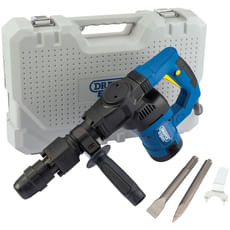
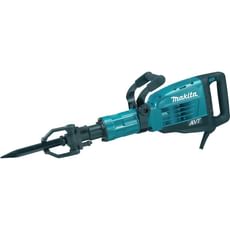
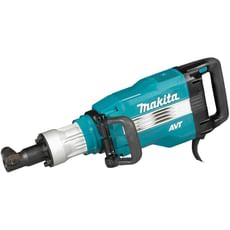
 Loading...
End of content
Error - No more pages to load
About Demolition Hammers
Demolition hammers represent the heavy-duty end of the power tool spectrum, engineered specifically for breaking through concrete, masonry, tiles, and other hard materials during renovation, construction, and demolition work. These powerful tools bridge the gap between standard rotary hammer drills and full-sized pneumatic breakers, offering impressive impact energy in a package that's manageable enough for both horizontal and vertical applications. Whether you're removing old floor tiles, chasing walls for cable runs, or breaking out concrete foundations, a quality demolition hammer delivers the raw power needed to make short work of tough demolition tasks.
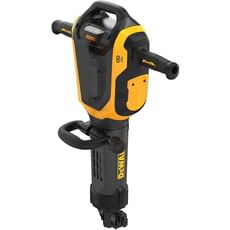
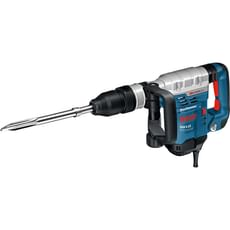
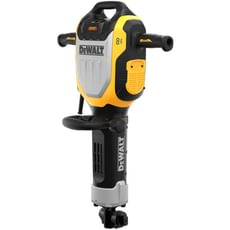
The selection available at Tooled-Up.com spans a comprehensive range of options from leading manufacturers including Makita, DeWalt, Bosch Professional, and Einhell, with models ranging from compact 18V cordless units ideal for lighter breaking work through to mains-powered giants delivering over 60 joules of impact energy. Most professional-grade models utilise the SDS Max fitting system for secure chisel retention and efficient power transfer, though heavier breaker-style units may feature 28mm hexagonal shank fittings. Modern demolition hammers incorporate advanced vibration reduction systems to comply with HSE guidelines on Hand-Arm Vibration Syndrome (HAVS), alongside active dust suppression and electronic controls for improved operator comfort during extended use.
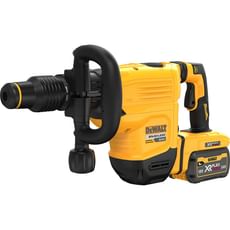
Today's demolition hammers increasingly feature brushless motor technology and, in the cordless sector, innovations like DeWalt's FlexVolt system allow a single battery platform to power everything from compact drills to heavy-duty breakers. This versatility makes them indispensable tools on UK building sites, where their relatively compact size compared to pneumatic alternatives means they can be deployed quickly without the need for compressors or generators. Available in both 240v mains-powered and cordless configurations, modern demolition hammers offer professionals and serious DIY enthusiasts the flexibility to tackle demanding breaking work in virtually any environment.
Jargon Buster
- SDS Max: A professional tool fitting system developed by Bosch, featuring larger shanks (18mm diameter) than standard SDS Plus. Designed for heavy-duty demolition work, it provides superior power transfer and secure chisel retention in high-impact applications.
- Impact Energy (Joules): The measure of striking force delivered with each blow, typically ranging from 2-5 joules for light demolition hammers up to 70+ joules for heavy breakers. Higher joule ratings mean faster material removal but increased weight and vibration.
- HAVS (Hand-Arm Vibration Syndrome): A serious health condition caused by prolonged exposure to tool vibration. Modern demolition hammers feature Anti-Vibration Technology (AVT) systems to reduce transmitted vibration and comply with Control of Vibration at Work Regulations 2005.
- Brushless Motor: An advanced motor design with no carbon brushes, offering increased efficiency, longer runtime on cordless models, reduced maintenance requirements, and extended tool lifespan compared to traditional brushed motors.
- Hexagonal Shank (28mm): An alternative fitting system used on heavier demolition breakers, providing extremely secure chisel retention for the most demanding professional applications. Not compatible with standard SDS Max accessories.
- Active Vibration Control (AVC): Electronic systems that counterbalance vibration in real-time, significantly reducing operator fatigue and extending safe working periods in accordance with HSE exposure limits.
Who Uses Demolition Hammers?
Demolition hammers are essential tools for a wide range of construction and renovation professionals across the UK:
- Demolition Contractors: Primary users who rely on these tools daily for stripping out buildings, breaking concrete, and removing structural elements
- Builders and General Contractors: For site preparation, foundation work, and renovation projects requiring material removal
- Electricians: Chasing walls for conduit installation and creating access points for consumer units and distribution boards
- Plumbers: Breaking through floors and walls to install pipework, soil stacks, and waste systems
- Groundworkers: Removing existing concrete bases, breaking up paths, and preparing surfaces for new construction
- Floor Fitters: Removing old tiles, screeds, and floor coverings before installing new flooring systems
- Bathroom and Kitchen Fitters: Breaking out old tiles, removing fixtures, and preparing surfaces during refurbishment projects
- Stonemasons and Landscapers: Shaping stone, breaking paving, and demolition work in hard landscaping projects
- Maintenance Teams: Facilities managers and property maintenance professionals tackling repair and renovation work
- Serious DIY Enthusiasts: Homeowners undertaking substantial renovation projects, extensions, or garden landscaping requiring significant demolition work
How to Choose the Right Demolition Hammers
Power Source: Mains-powered 240v models deliver consistent performance for extended periods and suit static site work or where power supply is readily available. Cordless 18V and 54V FlexVolt options offer unmatched flexibility for working across large sites, in properties without power, or where trailing cables present safety hazards. Consider your typical working environment and whether the convenience of cordless operation justifies the higher initial investment and need for spare batteries.
Impact Energy Requirements: Match the tool's power to your typical applications. Light demolition work like tile removal requires 5-15 joules, medium-duty concrete breaking needs 15-30 joules, whilst heavy structural demolition demands 30-70+ joules. Purchasing excessive power increases weight, vibration exposure, and cost, whilst underpowered tools struggle and increase job times significantly.
Fitting System: SDS Max is the professional standard for most demolition hammers, offering excellent compatibility with a wide range of chisels, points, and clay spades from multiple manufacturers. Heavier breakers may use 28mm hexagonal shanks. Verify that suitable accessories are readily available and affordable for your chosen fitting system before purchasing.
Vibration Control: This is critical for professional users who may spend hours operating these tools. Look for models with sophisticated anti-vibration systems, especially if you regularly exceed the HSE's Exposure Action Value of 2.5 m/s². Premium models from Makita, DeWalt, and Bosch incorporate multiple vibration-damping technologies that significantly reduce HAVS risk and operator fatigue.
Weight and Ergonomics: Consider where you'll be using the tool. Lighter models (4-7kg) can be used comfortably on walls and overhead, whilst heavier units (7-15kg) are best suited to floor work. Side or D-handle configurations affect control and comfort, particularly during vertical applications. If possible, handle tools before purchasing to assess whether the grip positions and weight distribution suit your physique and typical applications.
Additional Features: Variable speed control allows gentler work on delicate surfaces, soft-start reduces initial kickback, and electronic overload protection prevents motor damage. Some models offer rotary modes for drilling large holes in masonry, adding versatility. Integrated dust extraction compatibility is increasingly important for COSHH compliance when working with silica-containing materials.
Popular Accessories
- SDS Max Chisels and Points: The consumable cutting tools that perform the actual breaking work. Flat chisels for tile and surface removal, pointed chisels for precise breaking, wide chisels for rapid material removal, and clay spades for digging applications.
- Chisel Sets: Assortments providing multiple profiles in convenient carry cases, offering better value than purchasing individual accessories and ensuring you have the right tool for various demolition scenarios.
- Tool Cases and Bags: Heavy-duty storage solutions protecting your investment during transport and site storage, with space for accessories and documentation.
- High-Capacity Batteries: For cordless models, additional 5.0Ah, 6.0Ah, or 9.0Ah battery packs ensure continuous operation throughout the working day without lengthy charging breaks.
- Carbon Brushes: Replacement components for brushed motor models, essential maintenance items for extending tool lifespan.
- Dust Extraction Attachments: Specialised shrouds and vacuum connections for capturing harmful dust at source, essential for compliance with COSHH regulations when breaking silica-containing materials.
- Anti-Vibration Gloves: Specialist PPE reducing vibration transmission to hands and arms, complementing the tool's built-in vibration control systems.
Safety Information
Demolition hammers are powerful tools that present significant safety considerations requiring careful management on UK sites:
Personal Protective Equipment: Always wear appropriate PPE including safety boots with steel toecaps and midsole protection, impact-resistant safety glasses or full face shield, and hearing protection rated to at least SNR 27dB. Respiratory protection (minimum FFP3 standard) is essential when breaking concrete, masonry, or tiles due to harmful silica dust, in accordance with COSHH regulations. Anti-vibration gloves provide additional protection against HAVS.
Vibration Management: Comply with the Control of Vibration at Work Regulations 2005 by monitoring exposure times and staying below the daily exposure limit value of 5 m/s² A(8). Consult tool documentation for specific vibration emissions, implement job rotation where possible, and ensure tools are properly maintained as wear increases vibration levels significantly.
Electrical Safety: Mains-powered tools should be used with 110V transformers on construction sites in accordance with HSE guidance. Ensure all equipment is PAT tested regularly, inspect cables and plugs before each use, and never operate electrical tools in wet conditions. Install and use RCD protection rated at 30mA maximum for additional safety.
Material Hazards: Before breaking any structure, check for concealed cables, pipes, and services using appropriate detection equipment. Be aware that older buildings may contain asbestos-containing materials requiring specialist removal by licensed contractors. Some demolition work may require structural calculations and Building Control notification.
Safe Operation: Maintain firm footing and stable working positions, use both hands to control the tool, and never attempt to force the chisel or use the tool as a lever. Allow the tool's weight and impact energy to perform the work. Take regular breaks to prevent fatigue, which increases accident risk and vibration exposure effects.
Frequently Asked Questions
What's the difference between a demolition hammer and a combi drill with hammer action?
Demolition hammers are dedicated breaking tools delivering impact energy measured in joules (typically 5-70J) without rotation, designed specifically for breaking concrete and masonry. Combi drills with hammer action are primarily drilling tools with a secondary percussion function for masonry drilling, delivering far less impact force. Whilst a combi drill can drill holes in brick, only a demolition hammer has sufficient power for serious demolition work like breaking concrete floors or removing tiles.
Can I use my demolition hammer overhead or on walls?
It depends on the model. Lighter demolition hammers (typically under 7kg) with impact energy below 15 joules can be used on vertical surfaces and overhead for reasonable periods, though this is physically demanding work. Heavier models exceeding 10kg are really only practical for horizontal floor work due to their weight. Always check the manufacturer's guidance and be aware that overhead work significantly increases fatigue and vibration exposure, so take frequent breaks.
How do I know if I'm exceeding safe vibration exposure limits?
Check your tool's documentation for its vibration emission value (typically given in m/s²). The HSE sets an Exposure Action Value of 2.5 m/s² and Exposure Limit Value of 5 m/s² measured as an 8-hour time-weighted average. As a rough guide, a tool emitting 10 m/s² reaches the daily exposure limit after just two hours of continuous use. Many manufacturers provide trigger-time calculators, and apps are available to help monitor exposure. If you regularly use high-vibration tools, consider implementing job rotation and investing in models with superior vibration control systems.
Are cordless demolition hammers powerful enough for professional use?
Modern cordless technology has advanced considerably, with 54V FlexVolt systems from DeWalt and 36V/40V platforms from other manufacturers now delivering impact energy comparable to light-to-medium mains-powered models (15-30 joules). These are genuinely viable for professional trades like electricians, plumbers, and floor fitters tackling typical demolition tasks. However, for sustained heavy-breaking work or demolition contracting, mains-powered models still offer superior continuous performance and remain the professional choice for the most demanding applications.
Do I need any special training or certification to use a demolition hammer?
Whilst no specific UK certification is legally required for operating demolition hammers, employers have duties under the Health and Safety at Work Act to ensure operators are competent and properly trained. Many contractors require tool-specific training and induction for site access. Understanding vibration risks, COSHH compliance for dust control, and safe working practices is essential. If you're self-employed or a serious DIY user, familiarising yourself with HSE guidance on vibration and dust exposure is strongly recommended before undertaking significant demolition work.