
Diagnostic & Electrics

Pay in 3 interest-free payments on purchases from £20-£3000 with  . Learn more.





Loading...
End of content
Error - No more pages to load
About Diagnostic & Electrics
Diagnostic and electrical tools form the backbone of professional automotive maintenance and repair work, enabling accurate fault-finding and electrical system testing across all vehicle types. The Tooled-Up range of diagnostic equipment encompasses everything from basic continuity testers and voltmeters to sophisticated OBD scanners and compression testing kits. Modern vehicles increasingly rely on complex electronic systems to control engines, emissions, safety features and driver assistance functions, making quality diagnostic tools indispensable for anyone working on cars, vans, motorcycles or commercial vehicles. Whether troubleshooting an intermittent electrical fault, reading engine fault codes, or performing routine service checks, having the right diagnostic equipment ensures efficient, accurate work that identifies problems first time.
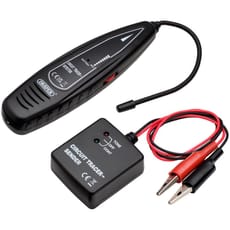
Professional automotive technicians, mobile mechanics and DIY enthusiasts all benefit from reliable diagnostic and electrical testing tools. The category includes compression testers for assessing engine condition, timing lights for ignition system setup, multimeters for measuring voltage and resistance, circuit testers for tracing electrical faults, and crimping tools for professional cable repairs. Automotive analysers and OBD diagnostic scanners allow direct communication with vehicle electronic control units, retrieving fault codes, monitoring live sensor data and performing system resets. Specialist tools such as antifreeze testers, cylinder leakage testers and spark plug testers round out a comprehensive toolkit for automotive diagnostics.
Investing in quality diagnostic equipment from trusted manufacturers like Bosch, Fluke, Draper and Silverline pays dividends in accuracy, durability and diagnostic confidence. Tooled-Up.com stocks diagnostic tools suitable for everyone from home mechanics maintaining their own vehicles to busy workshops handling multiple jobs daily. Quality tools withstand the rigours of professional use, provide repeatable accurate measurements, and ultimately save time by eliminating guesswork when diagnosing electrical and mechanical faults. With UK vehicles operating primarily on 12V electrical systems (24V for commercial vehicles) and 240v mains power for workshop equipment, having properly rated diagnostic tools ensures safe, effective fault-finding across all automotive applications.
Jargon Buster
- OBD-II (On-Board Diagnostics): The standardised diagnostic system mandated on all vehicles sold in the UK from 2001 onwards. OBD-II scanners connect to the vehicle's diagnostic port to read fault codes, monitor live sensor data and check emission system readiness.
- Multimeter: A versatile electrical testing instrument that measures multiple parameters including voltage (volts), current (amperage) and resistance (ohms). Digital multimeters provide accurate readings essential for automotive electrical diagnostics.
- Continuity Testing: The process of checking whether an electrical circuit is complete and capable of conducting current. Continuity testers quickly identify breaks in wiring, faulty switches or poor earth connections that cause electrical faults.
- Compression Ratio: The ratio between cylinder volume at bottom dead centre and top dead centre. Compression testers measure the pressure generated during the compression stroke to assess engine condition, identifying worn rings, valves or head gasket failures.
- Crimping: The method of joining electrical terminals to cables by mechanically compressing them together. Proper crimping tools create gas-tight, vibration-resistant connections superior to soldering for automotive applications.
- DTC (Diagnostic Trouble Code): Alphanumeric codes stored by vehicle electronic control units when faults are detected. DTCs guide technicians to specific system or component failures, significantly reducing diagnostic time.
Who Uses Diagnostic & Electrics?
- Professional Motor Mechanics: Garage technicians and main dealer workshops rely on diagnostic equipment daily for fault-finding, service work and pre-MOT checks across all vehicle makes and models.
- Auto Electricians: Specialists focusing on vehicle electrical systems depend heavily on multimeters, circuit testers, diagnostic scanners and crimping tools for installations, repairs and complex fault diagnosis.
- Mobile Mechanics: Independent technicians working at customer locations carry portable diagnostic tools including code readers, multimeters and compression testers for on-site fault-finding and repairs.
- Fleet Maintenance Engineers: Those responsible for commercial vehicle fleets require diagnostic equipment for routine inspections, breakdown diagnosis and maintaining multiple vehicles to operational standards.
- MOT Testers: Designated testing stations use diagnostic scanners to check emission systems, read stored fault codes and verify vehicle electronic systems during statutory inspections.
- Agricultural Engineers: Technicians servicing tractors, harvesters and farm machinery need diagnostic tools compatible with agricultural equipment electrical and engine management systems.
- Classic and Performance Car Enthusiasts: Owners and restorers working on older vehicles or modified cars benefit from timing lights, ignition testers and basic diagnostic equipment for tuning and maintenance.
- DIY Home Mechanics: Competent enthusiasts performing their own vehicle maintenance use diagnostic tools to accurately identify faults, avoiding unnecessary parts replacement and reducing repair costs.
- HGV and Plant Operators: Those maintaining commercial vehicles, construction equipment and plant machinery require heavy-duty diagnostic tools rated for 24V systems and robust site conditions.
How to Choose the Right Diagnostic & Electrics
Match Tools to Your Application: Professional workshops handling multiple vehicles daily need comprehensive diagnostic platforms with extensive vehicle coverage, live data streaming and bi-directional controls. Mobile mechanics benefit from portable, battery-powered tools with robust housings. DIY users typically require basic code readers, multimeters and compression testers suitable for occasional home use. Consider whether you'll work predominantly on one vehicle or across various makes, models and age ranges.
Verify Vehicle Compatibility: Ensure diagnostic scanners support the vehicles you'll service. OBD-II is standard on UK vehicles from 2001 onwards, but older vehicles require manufacturer-specific diagnostic equipment. Some advanced functions like service resets, DPF regeneration and coding require premium scanners or brand-specific tools. Check that compression tester and cylinder leakage tester kits include adapters for your engine types, as petrol and diesel engines have different thread specifications.
Prioritise Measurement Accuracy: Quality multimeters from manufacturers like Fluke or Megger provide repeatable accurate readings essential for correct diagnosis. Look for instruments with stated accuracy specifications (±0.5% for DC voltage is adequate for automotive work). Auto-ranging functionality simplifies operation across different voltage ranges. Ensure current measurement capacity suits your needs – basic circuit testing requires 10A capability, whilst starter motor testing needs 200A or higher ranges.
Consider Display and Usability: Backlit screens with large, clear displays aid working in poorly lit conditions under bonnets or beneath vehicles. Intuitive menu navigation on diagnostic scanners reduces diagnostic time and learning curves. Audible continuity indicators on multimeters and circuit testers provide feedback without needing to watch the display. Rubberised, ergonomic housings improve grip with oily hands in workshop environments.
Assess Build Quality and Durability: Professional-grade tools from brands like Bosch, Draper and Silverline withstand daily workshop use, accidental drops and exposure to oils, fuels and workshop chemicals. Check IP (Ingress Protection) ratings for moisture and dust resistance – particularly important for mobile mechanics working outdoors. Quality test leads with reinforced strain relief and protected probes last significantly longer than budget alternatives.
Plan for Updates and Expandability: Diagnostic scanners at Tooled-Up require regular software updates to maintain compatibility with new vehicle models and access updated fault code libraries. Consider whether the manufacturer offers affordable update subscriptions or if updates are included. Some platforms allow adding vehicle coverage modules as your business grows, protecting your initial investment whilst providing expansion options.
Popular Accessories
- Replacement Test Leads and Probes: Spare multimeter leads, back-probe kits for testing without piercing insulation, and extension leads for accessing difficult test points under vehicles.
- Terminal and Connector Kits: Assorted automotive terminals, spade connectors, bullet connectors and heat-shrink varieties for professional electrical repairs and installations.
- Crimping Tool Sets: Ratcheting crimpers and terminal assortments covering common automotive wire gauges, ensuring reliable electrical connections without soldering.
- Automotive Fuse Assortments: Mixed packs of blade fuses in standard amperage ratings (3A-30A) for repairs, plus mini and maxi fuse varieties for different vehicle applications.
- Battery Testers and Chargers: Dedicated battery condition testers, hydrometer-style density testers and intelligent chargers for maintaining batteries during diagnostic work.
- Jump Leads and Starter Packs: Heavy-duty jump leads and portable lithium starter packs essential for dealing with flat batteries during diagnostics and testing.
- Diagnostic Software Subscriptions: Annual update packages keeping OBD scanners current with latest vehicle models, fault codes and manufacturer-specific functions.
- Workshop Manuals and Wiring Diagrams: Vehicle-specific technical documentation, wiring diagrams and diagnostic flowcharts supporting systematic fault-finding approaches.
- Inspection Lamps and Cameras: Rechargeable LED work lights and borescope inspection cameras for illuminating and viewing inaccessible areas during diagnostics.
Safety Information
Working with automotive electrical systems requires strict adherence to safety procedures to prevent injury, equipment damage and vehicle harm. Always disconnect the battery negative terminal before working on electrical circuits unless specifically testing live systems. When testing energised circuits, use properly insulated tools and wear appropriate PPE including safety glasses and insulated gloves. Be particularly cautious with hybrid and electric vehicles, which store high voltages (up to 600V) in battery packs and associated cabling – only technicians with specific high-voltage training should work on these systems.
Ensure all diagnostic equipment is properly rated for automotive use with intact insulation and undamaged test leads. Never exceed the voltage or current ratings specified for your instruments. When performing compression tests, follow manufacturer instructions carefully to prevent injury from rotating engine components – disable ignition systems and ensure the vehicle cannot start unexpectedly. Keep fire extinguishers accessible when working with electrical systems, as short circuits can ignite fuel vapours or cause cable fires.
Always work in well-ventilated areas when running engines during diagnostic procedures to prevent carbon monoxide accumulation – never run engines in enclosed spaces without adequate extraction. Follow HSE guidelines for workshop safety, including proper cable management to prevent trip hazards and appropriate storage of diagnostic equipment when not in use. Protect sensitive electronic diagnostic tools from moisture, extreme temperatures and impact damage. Regularly inspect test leads, probes and connectors for wear, corrosion or damage that could result in inaccurate readings or electrical hazards.
When working beneath vehicles, use proper axle stands – never rely solely on jacks. Be aware that modern vehicles store electrical energy in capacitors and control modules even after battery disconnection – allow several minutes for systems to discharge before working on airbag circuits or other sensitive electronics. Dispose of damaged electrical components, contaminated materials and waste oils according to environmental regulations and local authority guidance.
Frequently Asked Questions
What's the difference between a basic code reader and a professional diagnostic scanner?
Basic OBD code readers simply retrieve and display diagnostic trouble codes (DTCs) stored by the engine control unit, requiring you to look up code definitions separately. They typically cost under £50 and suit DIY users needing occasional fault code access. Professional diagnostic scanners provide comprehensive functionality including code descriptions, live data streaming from multiple sensors simultaneously, freeze frame data showing conditions when faults occurred, the ability to clear codes and reset service indicators, plus bi-directional controls to activate components for testing. Premium scanners offer manufacturer-specific functions like DPF regeneration, injector coding and adaptation procedures. For professional technicians, the additional diagnostic capabilities justify the higher investment through reduced diagnostic time and more accurate fault identification.
Can I damage my vehicle's electronics by using diagnostic tools incorrectly?
Quality diagnostic equipment from reputable manufacturers is designed with protection circuits and follows standardised OBD protocols, making damage unlikely during normal use. However, certain precautions are essential: never disconnect diagnostic equipment whilst communicating with vehicle systems, as interrupted data transmission can occasionally corrupt control module memory. Avoid attempting coding, programming or adaptation procedures without proper training and vehicle-specific instructions. When using multimeters, ensure you've selected appropriate measurement ranges before connecting to circuits – applying resistance measurement to live circuits can damage the meter. Always verify you're connecting to the correct pins and circuits, as probing high-current circuits with inappropriate equipment can cause shorts. Follow manufacturer guidance, and if uncertain about a procedure, consult technical documentation or seek professional advice.
Why do compression test results vary between cylinders, and what's acceptable?
Minor variations in compression readings between cylinders are normal due to manufacturing tolerances, wear patterns and carbon deposits. Generally, variations up to 10% between cylinders are acceptable for a healthy engine. If one cylinder reads significantly lower (20% or more below the others), this indicates problems such as worn piston rings, damaged valves, valve seat recession or head gasket failure. Performing a wet compression test – adding a small amount of oil to the suspect cylinder – helps differentiate between ring wear (readings improve significantly) and valve problems (readings remain low). Diesel engines typically show compression readings of 350-450 psi, whilst petrol engines read 125-180 psi depending on design. Always perform compression tests with the engine at operating temperature, all spark plugs or injectors removed, throttle fully open, and battery fully charged for consistent cranking speed.
How do I know if a multimeter is suitable for automotive diagnostics?
Automotive multimeters should measure DC voltage from millivolts (for sensor circuits) to at least 20V, with accuracy of ±0.5% or better. Auto-ranging functionality simplifies operation by automatically selecting appropriate measurement ranges. Essential features include DC current measurement to 10A minimum (20A is preferable), resistance measurement for testing sensors and checking continuity, and an audible continuity beep for quick circuit testing without watching the display. Useful additional functions include frequency measurement for testing crankshaft and camshaft position sensors, duty cycle measurement for checking pulse-width modulated signals, and min/max recording to capture intermittent faults. The meter should have category ratings appropriate for automotive use (CAT III 600V provides adequate protection). Look for robust construction with rubber holsters, large backlit displays, and quality test leads with shrouded probe tips. Brands like Fluke, Draper and Silverline offer meters specifically designed for automotive applications with appropriate measurement ranges and protection features.
Do I need different diagnostic tools for petrol and diesel engines?
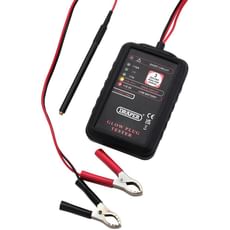
Most modern diagnostic scanners work with both petrol and diesel engines, as both use standardised OBD-II protocols mandated on UK vehicles from 2001 onwards. The scanner communicates with engine control units regardless of fuel type, reading fault codes and accessing live data. However, some specialist testing requires fuel-specific equipment: diesel engines need glow plug testers to check pre-heating systems, whilst petrol engines require ignition timing lights and spark plug testers. Compression testing adapters differ between fuel types – diesel engines use different thread sizes and require adapters that handle much higher pressures (350-450 psi versus 125-180 psi for petrol). Some advanced diesel-specific diagnostics like injector balance tests, DPF regeneration procedures and EGR system checks require professional-grade scanners with manufacturer-specific software. For DIY use, a standard OBD-II scanner suits both engine types, but professional workshops benefit from comprehensive platforms offering fuel-specific diagnostic routines and testing procedures.