

Dust & Protective Guards
Pay in 3 interest-free payments on purchases from £30-2000 with  . Learn more.

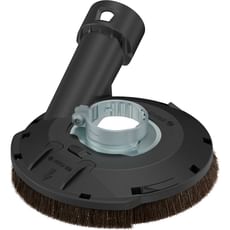
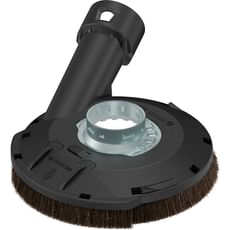
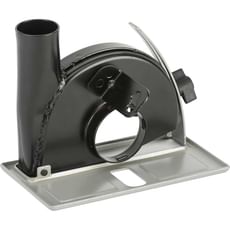
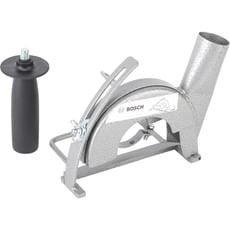
 Loading...
End of content
Error - No more pages to load
About Dust & Protective Guards
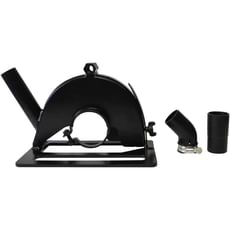
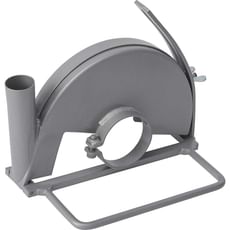
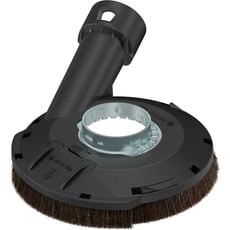
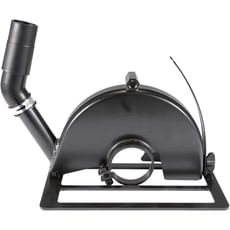
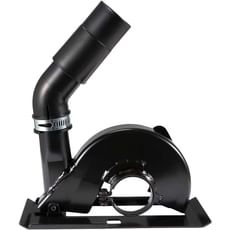
Dust and protective guards represent essential safety equipment for anyone operating angle grinders and similar power tools during cutting, grinding or chasing operations. These purpose-built accessories attach directly to power tools to contain and extract harmful dust at source, dramatically reducing airborne particles that pose serious health risks. When cutting through concrete, brick, stone, masonry or other materials, respirable crystalline silica (RCS) and other hazardous dusts are generated in enormous quantities. Without proper extraction and containment, these particles create not only a messy work environment but also present significant long-term health hazards including silicosis, COPD and lung cancer.
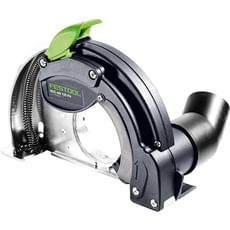
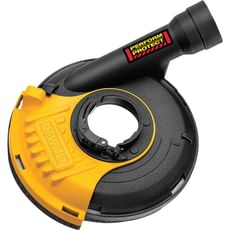
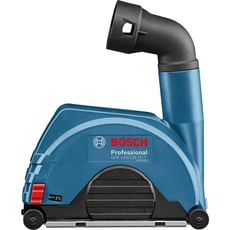
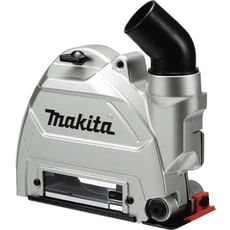
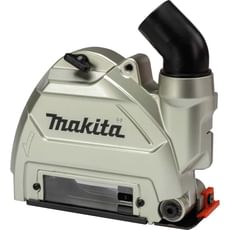
Modern dust guards feature integrated extraction ports that connect directly to vacuum cleaners or dedicated dust extractors, creating an enclosed working environment around the cutting or grinding disc. This design channels dust away through continuous suction whilst maintaining visibility of the work area. Tooled-Up.com stocks dust guards from leading manufacturers including Bosch Professional, Makita, DeWalt and Festool, engineered for specific tool sizes and applications. These range from compact 100mm guards through to heavy-duty 230mm systems, with options available for different disc sizes and specific grinder models.
The category encompasses several specialist types including basic extraction guards for general grinding, cutting guides with integrated dust collection for precision work, suction hoods designed for specific angle grinder models, and backing pad hand shields that provide additional operator protection. Whether working on construction sites, in domestic properties or workshop environments, using appropriate dust extraction guards helps tradespeople comply with HSE and COSHH regulations whilst protecting their health and maintaining professional working standards that clients increasingly expect.
Jargon Buster
- Dust Extraction Port: The outlet connection on a dust guard that attaches to a vacuum hose, typically 35mm diameter to match standard dust extractor fittings, allowing harmful particles to be immediately captured during cutting or grinding operations.
- Suction Hood: An enclosed shroud that surrounds the grinding or cutting disc to capture dust at source, creating negative pressure when connected to an extractor to pull particles away from the work area before they become airborne.
- Cutting Guide: An integrated adjustment mechanism found on advanced dust guards that helps maintain consistent cutting depth and straight lines whilst simultaneously providing dust extraction capability through the same attachment.
- Compatible Disc Size: The maximum grinding or cutting disc diameter that a particular dust guard is designed to accommodate, commonly 115mm, 125mm, 180mm or 230mm to match standard angle grinder specifications.
- M-Class/H-Class Extractor: Professional-grade dust extractors with specific filtration standards – M-Class for medium-hazard dusts and H-Class for high-hazard materials including RCS, asbestos and carcinogenic dusts.
- COSHH Compliance: Meeting the UK's Control of Substances Hazardous to Health regulations, which require adequate control measures when working with materials that generate hazardous dust, particularly silica from concrete and masonry.
Who Uses Dust & Protective Guards?
Dust and protective guards are essential equipment for a wide range of trades and users:
- Builders and General Contractors: For cutting chases in walls, trimming brickwork and general construction tasks where dust control is mandatory under current HSE guidance
- Stonemasons and Tilers: When cutting stone, porcelain, ceramic tiles and natural materials that produce fine crystalline silica dust requiring strict exposure controls
- Electricians (Sparkies): For chasing out walls to install cable runs whilst minimising dust spread in occupied properties and maintaining clean working conditions
- Plumbers: Cutting channels for pipework in concrete floors and block walls during installation work, particularly in residential properties where dust control is critical
- Demolition and Renovation Specialists: Managing dust when cutting through existing structures in refurbishment projects where hazardous materials may be present
- Shopfitters and Joiners: Creating clean cuts in various materials whilst maintaining tidy working conditions in retail and commercial premises during fit-out work
- Maintenance Engineers: Performing repairs and modifications in industrial and commercial environments where dust control is critical for ongoing operations
- Serious DIY Enthusiasts: Homeowners undertaking renovation projects who want to protect their health and keep their property clean during building work
How to Choose the Right Dust & Protective Guards
Tool Compatibility: First identify your angle grinder's disc size (100mm, 115mm, 125mm, 180mm or 230mm) and brand. Most dust guards are manufacturer-specific, with Bosch, Makita, DeWalt and Festool producing guards optimised exclusively for their own tool ranges. Check the product specifications carefully to confirm fitment with your exact grinder model, as spindle thread sizes, guard mounting systems and body shapes vary significantly between brands. Universal-fit guards rarely provide the secure attachment and effective dust capture of brand-matched equipment.
Extraction Connection: Ensure the dust guard features a standard extraction port (typically 35mm diameter) that matches your vacuum cleaner or dust extractor hose fittings. Professional extraction systems generally use 35mm connections as standard, whilst some adapters are available for domestic vacuum cleaners, though these provide considerably less suction power and may not achieve adequate dust suppression for hazardous materials.
Application Type: Consider whether you need a guard primarily for cutting (requiring a cutting guide for straight lines and depth control) or for general grinding work. Premium systems like the Bosch GDE FC-T range include adjustable cutting guides with depth stops, whilst basic guards focus purely on dust extraction around the work area. For precision cutting work, integrated guides significantly improve accuracy and consistency.
Visibility and Access: Look for guards with good visibility of the cutting line whilst still providing effective dust containment. Transparent sections or carefully designed open areas help maintain accuracy, particularly important for precision cutting work in confined spaces or when following marked lines on walls and floors.
Build Quality and Durability: Professional-grade guards from established brands available at Tooled-Up offer robust construction that withstands the rigours of daily site use. Metal components and quality engineering plastics resist impact damage better than budget alternatives, providing better long-term value for regular users and reducing the risk of guard failure during operation.
HSE and COSHH Compliance: For professional tradespeople, choosing dust extraction equipment that enables compliance with UK workplace health and safety regulations is not optional. Look for systems that demonstrably reduce exposure to hazardous dust to acceptable levels as defined by current HSE guidance, particularly when cutting materials containing respirable crystalline silica.
Popular Accessories
- Dust Extractors and Vacuum Cleaners: Essential companion equipment to provide the suction needed for effective dust removal through guards, with M-Class and H-Class extractors recommended for hazardous dusts
- Extraction Hoses: Flexible vacuum hoses, typically 35mm diameter, to connect dust guards to extractors, available in various lengths for different working environments and site conditions
- Hose Adapters: Conversion fittings to connect different diameter hoses or adapt extraction ports to various vacuum systems, enabling compatibility between different brands
- Replacement Cutting Discs: Diamond cutting discs and grinding wheels in appropriate sizes for use with dust guards when cutting masonry, concrete, stone and other materials
- Anti-Static Hoses: Specialist extraction hoses that prevent static build-up and improve dust flow in the extraction system, particularly important in dry working conditions
- Additional Guard Mounting Hardware: Spare clips, clamps and fixing components to replace worn parts and maintain secure guard attachment throughout the tool's working life
- Respirators and PPE: Whilst dust guards dramatically reduce exposure, respiratory protection remains advisable when working with hazardous materials as secondary protection
Safety Information
Working with power tools that generate dust requires serious attention to health and safety considerations. Prolonged exposure to certain types of dust, particularly respirable crystalline silica (RCS) from concrete, brick, stone and mortar, can cause serious lung diseases including silicosis, chronic obstructive pulmonary disease (COPD) and lung cancer. The HSE strictly regulates exposure to hazardous dusts under COSHH regulations, and employers must implement adequate control measures to protect workers.
Using a properly fitted dust guard connected to a suitable dust extractor represents a primary engineering control that significantly reduces dust at source. This approach is far more effective than relying solely on respiratory protective equipment (RPE). When selecting extraction equipment, ensure your vacuum or dust extractor is rated for the type of dust you're generating – M-Class extractors are suitable for medium-hazard dusts, whilst H-Class extractors are required for the most hazardous materials including materials containing RCS and asbestos.
Always ensure your dust guard is securely attached before starting work and check that extraction hoses are properly connected with no leaks or blockages that could reduce suction effectiveness. Position extraction equipment to avoid trip hazards from trailing hoses on site. Even with effective dust extraction in place, work in well-ventilated areas when possible and consider additional respiratory protection for particularly dusty operations or when working with known hazardous materials.
Regular maintenance of both dust guards and extraction equipment is essential for continued effectiveness. Clean or replace filters according to manufacturer recommendations, inspect guards for cracks or damage that could compromise dust containment, and ensure all connections remain airtight. Remember that dust guards are designed to work alongside, not replace, other safety equipment including eye protection, hearing protection and appropriate work gloves. Check guards for wear before each use and replace damaged components immediately.
Frequently Asked Questions
Do I need a special vacuum cleaner to use with a dust guard?
For effective dust extraction, you need a vacuum with sufficient suction power and appropriate filtration. Domestic vacuum cleaners typically lack the power and filtration needed for construction dust and may be damaged by fine particles. For professional use, particularly when cutting concrete, masonry or stone, you should use an M-Class or H-Class dust extractor that complies with HSE guidance. These specialist extractors provide higher airflow (typically 60+ litres per second), maintain suction when filters load with fine dust, and have filtration systems capable of capturing hazardous particles down to 0.3 microns. Many manufacturers like Bosch, Makita and DeWalt offer extractors specifically designed to work with their dust guard systems.
Will a dust guard fit any brand of angle grinder?
Most dust guards are manufacturer-specific and designed to fit particular ranges of angle grinders. Bosch guards fit Bosch grinders, Makita guards fit Makita tools, and so on. This is because guard mounting systems, spindle dimensions, body shapes and attachment mechanisms vary significantly between brands. Some universal-fit guards are available, but these generally don't provide the secure fit and effective dust capture of brand-matched equipment. Always check the compatibility information in the product specifications to ensure the guard will fit your specific grinder model and disc size before purchasing.
Can I use a dust guard for wet cutting?
Standard dust extraction guards are designed exclusively for dry cutting applications and should not be used with wet cutting methods. Introducing water into a dust extraction system can damage the vacuum cleaner or extractor and creates serious safety hazards with electrical equipment operating on 240v mains power. If your application requires wet cutting to suppress dust, you'll need a different approach using water feed systems designed specifically for that purpose. For most construction and renovation work, however, dry cutting with proper dust extraction provides excellent dust control without the mess and complications of water on site.
How much does using a dust guard affect cutting performance?
A properly designed dust guard should have minimal impact on cutting performance whilst providing significant benefits. You may need to work slightly more carefully to maintain visibility of your cutting line, and the guard adds a small amount of weight to the tool – typically 300-800g depending on the model. However, the improved visibility from reduced airborne dust, cleaner work area, and elimination of constant dust clouds actually make most jobs quicker and easier overall. The health benefits and reduced cleanup time far outweigh any minor adjustment to working technique required when first using a dust guard.
Are dust guards required by law on building sites?
Whilst dust guards themselves aren't specifically mandated by name, UK law requires employers to control exposure to hazardous substances under COSHH regulations and the Health and Safety at Work Act. When cutting materials that generate harmful dust, particularly those containing respirable crystalline silica, you must implement adequate control measures. The HSE strongly recommends on-tool extraction (dust guards connected to suitable extractors) as the most effective control method and this is often the only practical way to achieve compliant exposure levels. For professional tradespeople, using appropriate dust extraction equipment isn't just good practice – it's effectively a legal requirement to protect worker health and comply with workplace safety legislation.