

Electricians Tools
Pay in 3 interest-free payments on purchases from £30-2000 with  . Learn more.

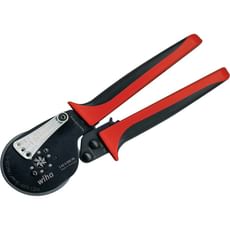
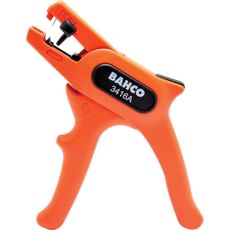
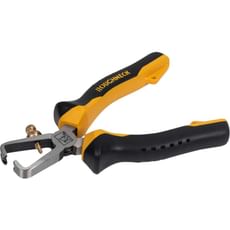
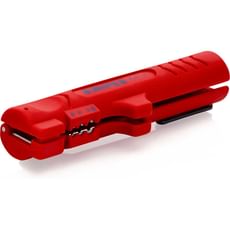
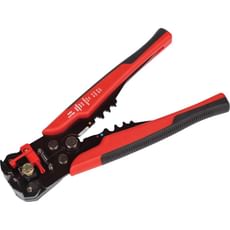
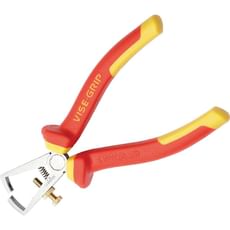
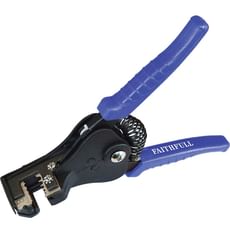
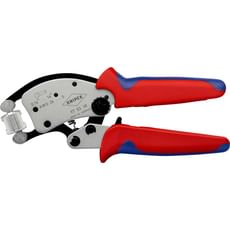
 Loading...
End of content
Error - No more pages to load
About Electricians Tools
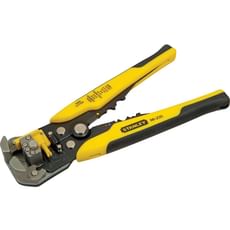
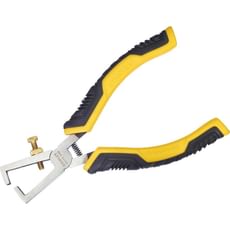
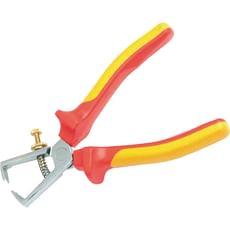
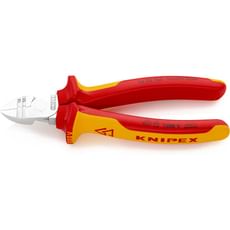
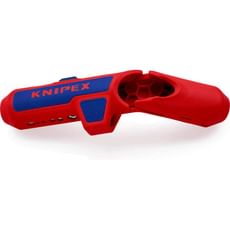
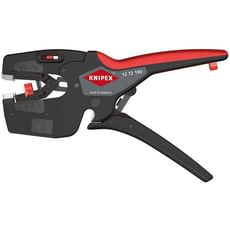
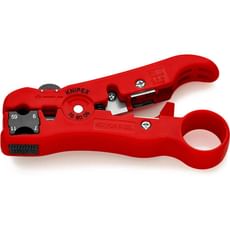
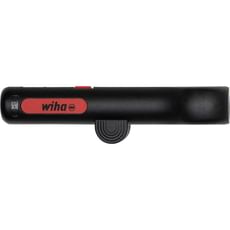
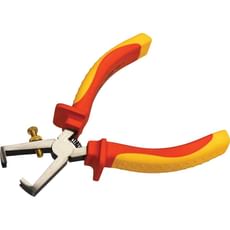
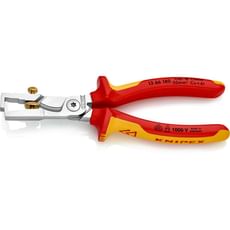
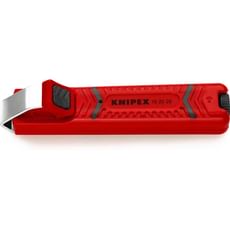
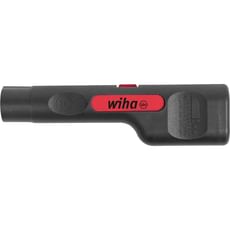
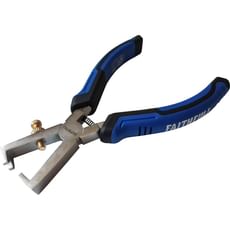
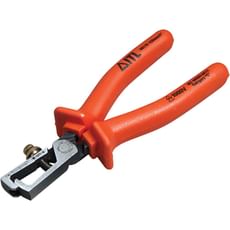
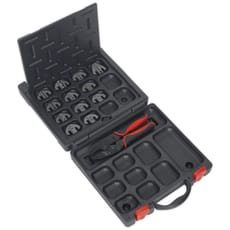
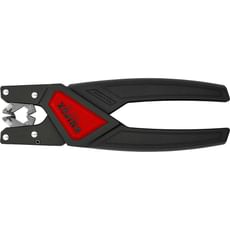
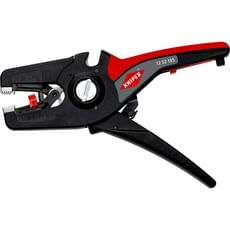
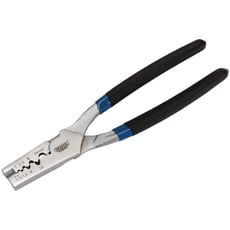
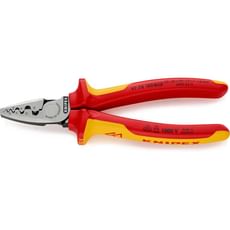
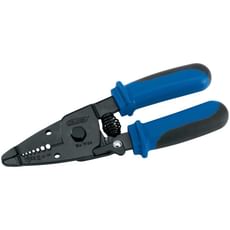
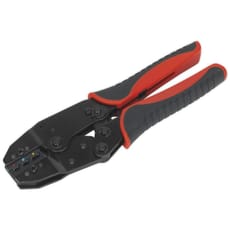
Electricians tools are the precision instruments and specialised equipment designed specifically for electrical installation, maintenance, and repair work. These essential tools enable qualified electricians and electrical engineers to work safely and efficiently with wiring, cables, circuits, and electrical components across both domestic and commercial environments. The range at Tooled-Up includes precision hand tools such as crimpers for creating secure cable connections, wire strippers for cleanly removing insulation without damaging conductors, and potentiometer tools for adjusting variable resistors in electronic circuits.
Whether you're a qualified sparky working on new build installations, maintaining industrial electrical systems, or carrying out rewiring projects, having the right electricians tools is absolutely critical for both work quality and personal safety. Modern electrical work demands tools that meet stringent UK safety standards whilst delivering the precision and reliability that professional tradespeople depend on. From creating terminations on multi-core cables to preparing conductors for connection in consumer units, the right hand tools make all the difference to efficiency and compliance with BS 7671 wiring regulations.
Leading manufacturers including Knipex, Wera, Wiha, and Stanley produce electricians tools that combine ergonomic design with durability and safety features such as VDE insulation rated to 1000V. Whether you're working on 240V domestic circuits or three-phase industrial installations, investing in quality electricians tools from trusted brands ensures you can complete every job to the highest professional standards whilst protecting yourself from electrical hazards.
Jargon Buster
- VDE Testing
- A German safety standard (Verband der Elektrotechnik) that certifies tools are safe for working on live electrical circuits up to 1000V AC. All electricians hand tools should carry VDE certification for maximum safety when working with mains electricity.
- Crimping
- The process of joining electrical conductors or terminals by mechanically deforming a metal sleeve to create a secure, gas-tight connection. Crimped connections are often more reliable than soldered joints in electrical installations and are required by many UK electrical standards.
- Cable Stripper
- A specialised tool designed to remove the outer sheath and insulation from electrical cables without nicking or damaging the internal conductors. Adjustable strippers accommodate different cable sizes and insulation thicknesses.
- Ferrule
- A metal tube crimped onto the end of stranded wire to create a solid termination point, preventing fraying and ensuring secure connections in terminal blocks and other electrical components.
- BS 7671
- The UK wiring regulations (18th Edition) that govern electrical installations in domestic, commercial, and industrial properties. All electrical work must comply with these regulations to ensure safety and legal compliance.
- AWG (American Wire Gauge)
- A standardised wire gauge system primarily used in North America, though sometimes referenced in UK electronics work. British electrical installations typically use metric measurements (mm²) for cable sizing instead.
Who Uses Electricians Tools?
Electricians tools are essential equipment for a wide range of professionals and trades:
- Qualified Electricians - Carrying out domestic, commercial, and industrial electrical installations and maintenance
- Electrical Engineers - Working on complex electrical systems, control panels, and industrial machinery
- Maintenance Engineers - Responsible for ongoing electrical maintenance in factories, facilities, and commercial buildings
- Solar Panel Installers - Connecting photovoltaic systems and creating weatherproof cable terminations
- Automotive Electricians - Working on vehicle wiring harnesses and electrical systems
- HVAC Engineers - Connecting electrical supplies to heating, ventilation, and air conditioning equipment
- Control Panel Builders - Assembling and wiring electrical distribution and control systems
- Security System Installers - Running and terminating low-voltage cabling for alarms and CCTV
- Telecommunications Engineers - Working with data cables and communication systems
- Appliance Repair Technicians - Diagnosing and repairing electrical faults in domestic and commercial equipment
- Theatre and Events Technicians - Installing and maintaining stage lighting and power distribution
How to Choose the Right Electricians Tools
Selecting appropriate electricians tools requires careful consideration of several important factors:
Safety Certification: Always prioritise tools with VDE or GS certification, especially for any work near live circuits. VDE-tested tools are individually tested to 10,000V and rated for working on circuits up to 1000V AC, providing essential protection against electrical shock. Never compromise on safety certification when purchasing electricians hand tools.
Cable Capacity and Size Range: Different stripping and crimping tools accommodate different cable sizes, typically measured in mm² for UK electrical work. Consider the range of cable sizes you regularly work with - domestic installations primarily use 1.0mm² to 10mm² cables, whilst industrial work may require tools capable of handling much larger conductors. Adjustable tools offer versatility but may not provide the precision of dedicated tools for specific cable sizes.
Build Quality and Durability: Professional electricians tools from brands like Knipex, Wera, and Wiha represent a significant investment but deliver superior longevity and performance. Look for hardened cutting edges, corrosion-resistant finishes, and robust mechanisms that will withstand daily use on site. Cheaper alternatives may seem economical initially but often require frequent replacement.
Ergonomics and Comfort: Electricians often perform repetitive actions throughout the day, making ergonomic design crucial for preventing hand fatigue and repetitive strain injuries. Multi-component handles, optimised grip geometry, and well-balanced tools reduce user fatigue significantly during extended use.
Precision and Clean Cuts: Quality wire strippers should remove insulation cleanly without nicking copper conductors, which can create weak points prone to failure. Crimpers should create consistent, gas-tight connections that meet the requirements of BS 7671. Test tools before committing to ensure they deliver the precision your work demands.
Brand Reputation and Warranty: Established manufacturers like Stanley, Bahco, and Irwin typically offer warranties and have proven track records for quality and reliability. Research reviews from other electricians and consider the availability of replacement parts or repair services.
Popular Accessories
To complement your electricians tools, consider these essential accessories and consumables:
- Crimp Terminals and Connectors - Bootlace ferrules, ring terminals, spade connectors, and insulated crimp terminals in various sizes
- Cable Ties and Cable Management - For securing and organising cables to professional standards
- Electrical Tape - PVC insulation tape in various colours for phase identification and insulation
- Heat Shrink Tubing - For creating waterproof, insulated connections and cable repairs
- Label Printers and Cable Markers - Essential for compliance and future maintenance work
- Tool Belts and Pouches - Keeping frequently-used tools accessible whilst working at height or on ladders
- Voltage Testers and Multimeters - For safe isolation verification and circuit testing
- Screwdriver Sets - VDE-insulated screwdrivers for terminal connections and accessory installation
- Tool Storage - Stanley FatMax, DeWalt TSTAK, or Milwaukee PACKOUT systems for organised tool transportation
- Cable Lubricant - For easier cable pulling through conduit and trunking
- Replacement Blades and Cutters - Spare parts for maintaining tool performance
Safety Information
Isolation and Proving: Always isolate electrical circuits at the consumer unit or distribution board before commencing work, and use a properly calibrated voltage tester to prove the circuit is dead. Follow the "prove-test-prove" methodology recommended by the HSE, testing your voltage indicator before and after checking for dead circuits.
Personal Protective Equipment: Wear appropriate PPE including safety glasses to protect against flying debris when cutting cables, and consider insulated gloves when working near potentially live conductors. Ensure clothing and footwear meet relevant safety standards for electrical work.
Tool Inspection: Regularly inspect VDE-insulated tools for damage to the insulation, as even minor cracks or chips can compromise electrical protection. Any damaged tools should be immediately withdrawn from service and replaced.
Work Environment: Ensure adequate lighting when carrying out precision work with crimpers and strippers. Maintain a clean, dry workspace free from trip hazards, and use appropriate access equipment such as step ladders or scaffold towers when working at height.
Competency and Qualifications: Only qualified and competent electricians should carry out work on fixed electrical installations. Ensure you hold appropriate qualifications (such as City & Guilds 2365, 2391, or equivalent) and comply with Part P of the Building Regulations for domestic work in England and Wales.
BS 7671 Compliance: All electrical work must comply with the current edition of BS 7671 (18th Edition) wiring regulations. Keep up to date with regulation changes and ensure your work meets all requirements for safety and certification.
Frequently Asked Questions
What's the difference between VDE and non-VDE electricians tools?
VDE-certified tools have been individually tested to 10,000V and are rated for safe use on live circuits up to 1000V AC. They feature specially designed insulation that provides protection against electrical shock. Non-VDE tools lack this certification and should never be used for electrical work where contact with live circuits is possible. For professional electrical work in the UK, VDE certification is essential for both safety and insurance purposes.
Can I use automatic wire strippers for all cable types?
Automatic wire strippers work excellently for standard single-core and multi-core cables commonly used in UK electrical installations, but may not be suitable for all cable types. Coaxial cables, screened cables, and some specialist conductors often require specific stripping techniques or dedicated tools. Always check the manufacturer's specifications to ensure your wire strippers are suitable for the cable types you're working with, and test on a scrap piece before working on your installation.
How often should I replace or service my crimping tools?
Professional crimping tools should be inspected before each use for signs of wear, damage, or misalignment. The crimping dies can wear over time, leading to inconsistent or poor-quality crimps that may fail in service. If you notice inconsistent results, damaged conductor strands, or incomplete crimps, the tool likely requires servicing or replacement. Many professional electricians working to BS 7671 have their crimpers calibrated or serviced annually to ensure reliable performance and compliance with electrical regulations.
What cable sizes do I need my strippers to accommodate for domestic work?
For typical UK domestic electrical installations, your wire strippers should accommodate cables from 1.0mm² (lighting circuits) up to 10mm² or 16mm² (shower circuits and supply cables). A good adjustable stripper covering 0.5mm² to 6mm² will handle most common domestic circuits including lighting (1.0mm² or 1.5mm²), sockets (2.5mm²), and cookers (6mm²). For larger cables such as meter tails or sub-mains, you may need dedicated heavy-duty strippers or cable knives.
Are ratchet crimpers better than standard crimping tools?
Ratchet crimpers offer significant advantages for professional electrical work. They ensure consistent crimping pressure by preventing release until the full crimping cycle is complete, which creates more reliable, uniform connections compared to standard plier-type crimpers. This consistency is particularly important for compliance with BS 7671 and for creating dependable long-term connections. Browse the selection at Tooled-Up.com to find ratchet crimpers that deliver the reliability and quality of crimped connections that professional electricians depend on.