

Engine Stands & Supports

Pay in 3 interest-free payments on purchases from £20-£3000 with  . Learn more.
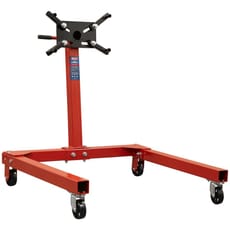
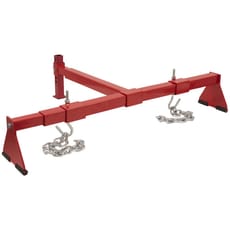
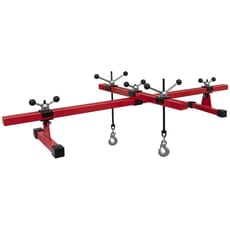

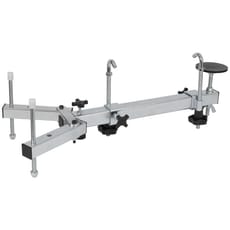
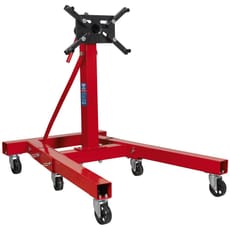
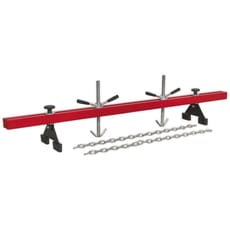
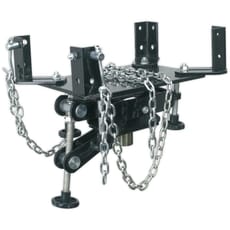
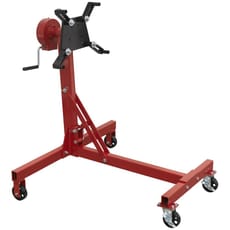

 Loading...
End of content
Error - No more pages to load
About Engine Stands & Supports
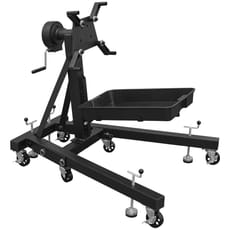
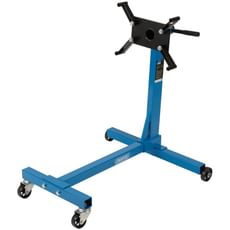
Engine stands and supports are indispensable pieces of workshop equipment designed to safely secure engines and gearboxes during removal, installation, rebuilding, or maintenance work. These robust tools provide a stable platform that allows mechanics and engineers to work at a comfortable height whilst rotating or accessing all sides of an engine block. Whether undertaking a complete engine rebuild, replacing a clutch, or carrying out repairs to cylinder heads or sumps, a quality engine stand is an invaluable investment for any professional workshop or serious DIY enthusiast.
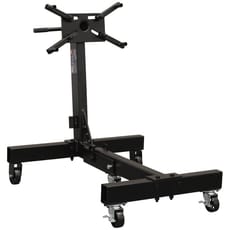
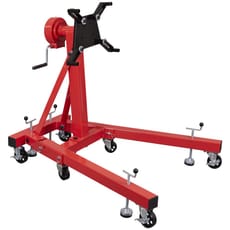
The comprehensive selection at Tooled-Up.com includes folding engine stands with capacities from 450kg to 900kg, rotating worm drive stands that allow 360-degree access, adjustable engine support beams that can be positioned across the engine bay, and specialised gearbox supports. Leading brands such as Sealey and Draper offer both entry-level and professional-grade equipment to suit different budgets and workshop requirements. From compact folding designs perfect for mobile mechanics to heavy-duty multi-cylinder rebuild stands for professional engine reconditioners, there's a solution for every automotive repair need.
Engine supports and stands are particularly crucial when working on modern vehicles where engine bays are increasingly compact and components are tightly packaged. Using proper support equipment not only makes the job safer and more manageable but also protects expensive engine components from damage during handling. Many stands feature adjustable mounting arms to accommodate different engine sizes and configurations, whilst support beams can take the weight of the engine whilst other components such as subframes or transmission mounts are removed.
Jargon Buster
- Worm Drive Mechanism: A gear system that allows smooth, controlled rotation of the engine stand head whilst securely locking it in any position. This enables easy access to all sides of the engine during servicing or rebuild work.
- Load Capacity: The maximum safe working weight the stand can support, typically ranging from 300kg to 900kg. Always ensure your chosen stand exceeds the weight of the engine you're working on, including any ancillary components still attached.
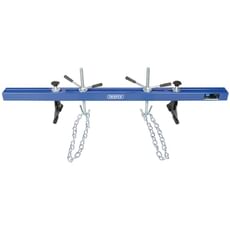
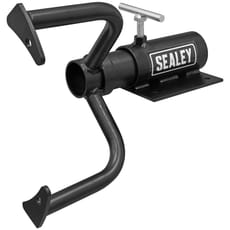
- Engine Support Beam: An adjustable horizontal bar that spans across the engine bay, resting on the inner wings or chassis rails, from which the engine can be suspended using chains or straps during removal or installation.
- Mounting Head: The adjustable bracket assembly on an engine stand that bolts directly to the engine block's bellhousing or rear mounting points, typically featuring slotted holes to accommodate different bolt patterns.
- Folding Design: A space-saving feature that allows the stand legs to fold flat for compact storage or transportation, particularly useful for mobile mechanics or smaller workshops with limited space.
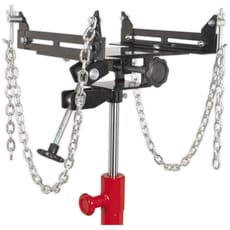
- Gearbox Support: A specialised adjustable prop or jack designed to take the weight of a gearbox whilst it's being removed or installed, often featuring a tilting saddle to accommodate the awkward shape of transmission housings.
Who Uses Engine Stands & Supports?
- Professional Motor Mechanics: Main dealers, independent garages, and MOT centres requiring regular engine removal and installation
- Engine Reconditioners: Specialists who strip, machine, and rebuild engines to factory or enhanced specifications
- Agricultural and Plant Engineers: Technicians maintaining tractors, diggers, and other heavy machinery with large diesel engines
- Marine Engineers: Those working on inboard boat engines and outboard motor repairs
- Classic Car Restorers: Enthusiasts and professionals undertaking comprehensive vehicle restoration projects
- MOD and Fleet Workshops: Large-scale vehicle maintenance facilities managing commercial or military fleets
- Mobile Mechanics: Travelling technicians who need portable, folding equipment for on-site engine work
- Serious DIY Enthusiasts: Home mechanics tackling major engine repairs or rebuilds in domestic garages
- Motorsport Teams: Racing workshops requiring frequent engine changes and rebuilds between events
How to Choose the Right Engine Stands & Supports
Determine Weight Capacity: Calculate the weight of the engines you'll typically work on. Four-cylinder petrol engines generally weigh 100-150kg, whilst V6 units range from 150-250kg, and V8 or large diesel engines can exceed 300kg. Always choose a stand with capacity well above your requirements for a safety margin.
Consider Rotation Requirements: If you'll be undertaking detailed engine rebuilds requiring access to the sump, cylinder heads, and rear components, a rotating stand with a worm drive mechanism is invaluable. For simple engine removal and storage, a fixed stand may suffice at lower cost.
Assess Available Space: Folding engine stands are ideal for smaller workshops or mobile mechanics who need to maximise floor space when equipment isn't in use. However, fixed stands typically offer greater stability for long-term rebuild projects.
Check Adjustability: Look for stands with adjustable mounting heads featuring multiple hole positions to accommodate different engine bolt patterns. Universal fitment is essential if you work on various vehicle makes and models. Similarly, support beams should offer a wide adjustment range to fit different engine bay widths.
Evaluate Build Quality: Professional-grade stands feature heavy-gauge steel construction, powder-coated finishes for corrosion resistance, and robust castors with locking mechanisms. Budget stands may be suitable for occasional DIY use but could lack the durability required for daily workshop use.
Consider Specialised Requirements: If you work extensively on gearbox removal, dedicated gearbox supports or under-vehicle supports offer better stability than improvised solutions. For large commercial or agricultural engines, heavy-duty rebuild stands with capacities exceeding 500kg may be necessary.
Popular Accessories
- Engine Leveller and Tilter Tools: Attachments for engine hoists that allow precise angle adjustment during installation
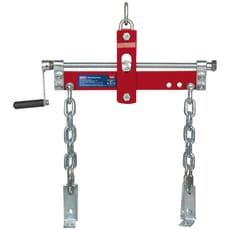
- Load Levellers: Balancing bars for engine cranes to control the angle when lifting engines in or out
- Engine Slings and Lifting Chains: Heavy-duty straps and chains rated for engine weights with adjustable attachment points
- Magnetic Trays and Parts Organisers: Essential for keeping track of bolts and small components during disassembly
- Engine Crane or Hoist: Hydraulic lifting equipment for removing and positioning engines onto stands
- Transmission Jacks: Specialised jacks for safely lowering and raising gearboxes during removal and installation
- Engine Repair Stands: Adjustable angle stands for holding cylinder heads or blocks during machining or assembly
- Workshop Creepers: Low-profile wheeled boards for accessing under-vehicle support equipment
- Drip Trays and Spill Containment: Essential for catching oil and fluids during engine work to comply with environmental regulations
Safety Information
Load Limits and Stability: Never exceed the manufacturer's stated load capacity for any engine stand or support. Ensure the engine is properly balanced on the stand before releasing crane or hoist support, and always work on level, solid flooring that can support the combined weight of equipment and engine.
Secure Mounting: Always use the correct grade of bolts (typically Grade 8.8 or higher) when mounting engines to stands, and ensure all fasteners are torqued to the appropriate specifications. Check that mounting bolts engage with threaded holes in the engine block by at least 20mm for adequate strength.
PPE Requirements: Wear steel-toe-capped safety boots when working around suspended engines or heavy stands. Safety glasses and suitable work gloves are essential when handling engines covered in oil and grime. The HSE recommends appropriate protective equipment for all mechanical work involving heavy components.
Two-Person Lifts: Many engines exceed safe manual handling weights. Always use mechanical lifting equipment such as engine cranes, and have a second person assist when positioning engines onto stands or aligning during installation to prevent crushing injuries.
Regular Inspection: Before each use, inspect stands for cracks in welds, bent components, or damaged castors. Check that locking pins, bolts, and worm drive mechanisms function correctly. Any equipment showing signs of damage or excessive wear should be taken out of service immediately.
Frequently Asked Questions
What size engine stand do I need for a typical car engine?
For most four-cylinder and V6 passenger car engines, a stand with 450-680kg capacity is adequate. However, it's wise to choose a 680-900kg capacity stand if you work on larger V8 engines, diesel units, or commercial vehicle powerplants. Tooled-Up stocks a range of Sealey and Draper stands in various capacities to suit different engine types. Always check your specific engine's weight including any ancillaries that will remain attached.
Can I leave an engine on a stand for extended periods during a rebuild?
Yes, quality engine stands are designed for long-term use during rebuild projects. However, ensure the stand is positioned on level ground away from traffic areas in your workshop, and periodically check that all bolts remain tight and the stand hasn't developed any structural issues over time.
Do I need a rotating engine stand or will a fixed one do?
This depends on the extent of your work. For simple engine removal, storage, and reinstallation, a fixed stand is sufficient and more economical. However, if you're undertaking comprehensive rebuilds requiring access to the sump, rear main seal, or cylinder head work, a rotating stand with 360-degree access significantly improves productivity and reduces physical strain.
How do engine support beams work and when should I use one?
Engine support beams span across the engine bay, resting on the inner wing panels or chassis rails, allowing you to suspend the engine from above using chains or straps. They're essential when you need to remove engine mounts, subframes, or gearboxes whilst keeping the engine in the bay, or when you need to support the engine during mount replacement without complete removal.
Are folding engine stands as stable as fixed ones?
Modern folding engine stands from reputable manufacturers like Sealey and Draper offer excellent stability when properly deployed and locked in position. The folding mechanism is designed for portability and storage convenience without compromising safety during use. Always ensure locking pins are fully engaged and the stand is on level ground before loading.