
Fence & Post Tools

Pay in 3 interest-free payments on purchases from £20-£3000 with  . Learn more.

Loading...
End of content
Error - No more pages to load
About Fence & Post Tools
Fence and post tools are essential equipment for anyone involved in fencing installation, boundary maintenance, or agricultural work. Whether you're a professional groundworker installing security fencing on a commercial site, a farmer maintaining field boundaries, or a homeowner tackling a garden fencing project, having the right tools makes all the difference between a quick, professional job and a time-consuming struggle. This category encompasses the specialist equipment needed to prepare ground, dig post holes, and securely install fence posts to create long-lasting, stable structures.
The selection at Tooled-Up.com includes manual and powered options to suit different soil conditions, job scales, and budgets. From traditional post hole diggers that offer precision and control in confined spaces, to powerful post hole augers that can tackle tough clay and compacted ground, there's a tool designed for every application. Post rammers complete the toolkit by ensuring fence posts are firmly compacted into position, providing the stability that's crucial for fence longevity and resistance to wind loading.
Investing in quality fence and post tools not only speeds up installation time but also ensures posts are set at the correct depth and angle, reducing the risk of fence failure and costly repairs down the line. Whether you're working with timber, concrete, or metal posts, and regardless of whether you're installing agricultural fencing, garden panels, or security barriers, the right tools will help you achieve professional results that stand the test of time.
Jargon Buster
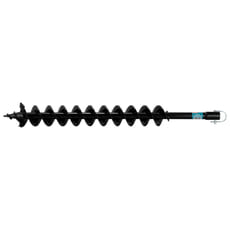
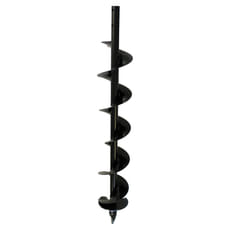
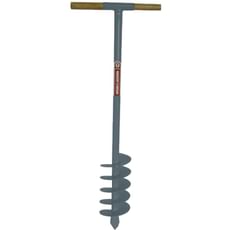
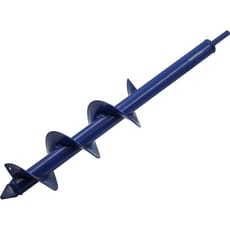
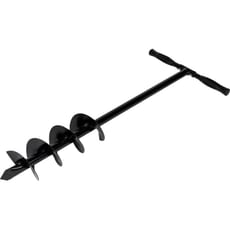
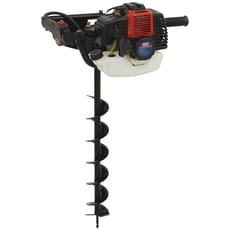
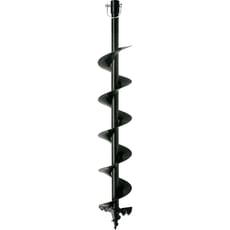
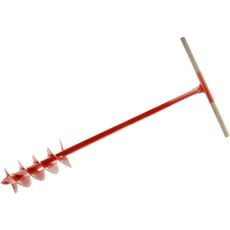
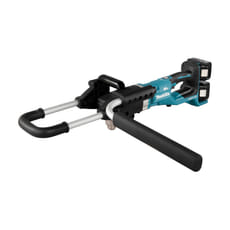
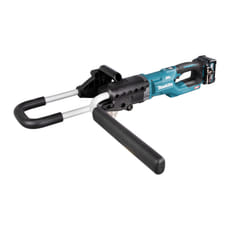
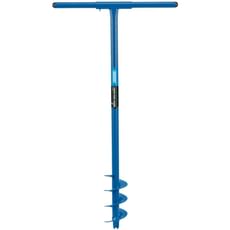
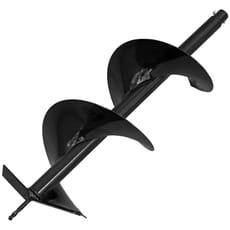
- Post Hole Auger – A drilling tool with a helical screw blade designed to bore cylindrical holes in the ground for fence posts. Available in manual, petrol, and electric versions, with various bit diameters to suit different post sizes.
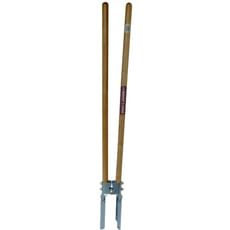
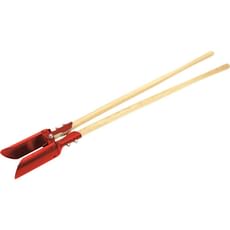
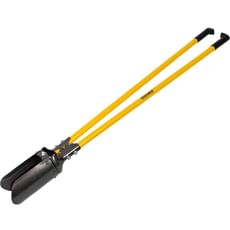
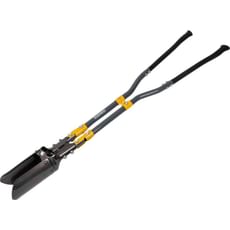
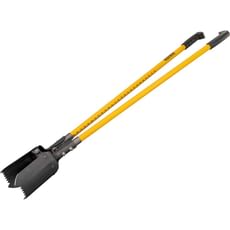
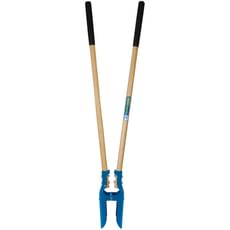
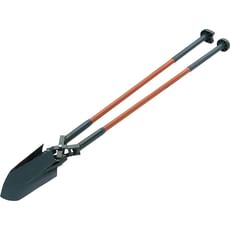
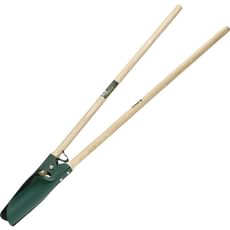
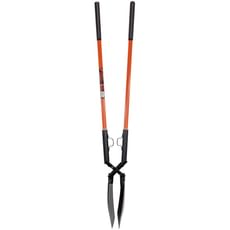
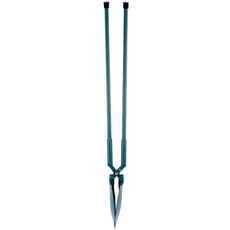
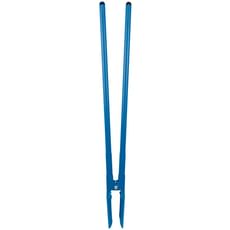
- Post Hole Digger (Clamshell Digger) – A manual tool with two long handles and blade-shaped jaws that close together to extract soil when digging post holes. Ideal for precision work and confined spaces where powered equipment cannot be used.
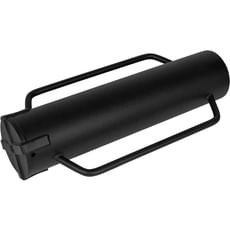
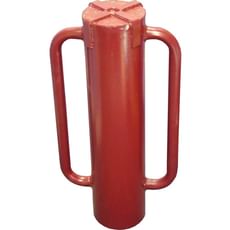
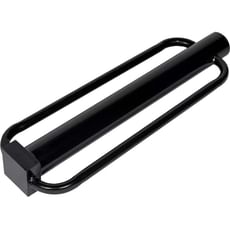
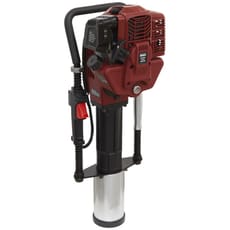
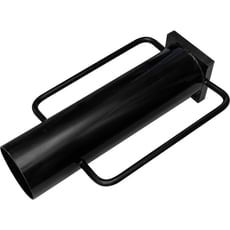
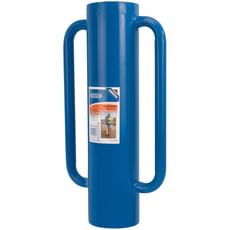
- Post Rammer (Post Driver) – A heavy cylindrical tool used to compact soil around fence posts or to drive posts directly into the ground. Manual versions rely on lifting and dropping weight, while powered options use pneumatic or petrol-driven force.
- Flight Diameter – The width of the auger blade, determining the diameter of the hole created. Common sizes range from 100mm to 300mm to accommodate different post dimensions.
- Frostline Depth – The depth below ground level to which the soil freezes during winter. In the UK, posts should generally be set at least 600mm deep, or one-third of the total post length, to prevent frost heave.
- Gravel Board – A horizontal timber board fixed at the base of fence panels to protect them from ground moisture and rot. Requires posts to be set deeper to accommodate the additional height.
Who Uses Fence & Post Tools?
Fence and post tools are used by a diverse range of trades and users, including:
- Fencing Contractors – specialists who install all types of fencing for residential, commercial, and agricultural clients
- Groundworkers – civil engineering tradespeople who prepare sites and install boundary structures
- Farmers and Agricultural Workers – for installing and maintaining field boundaries, livestock enclosures, and gates
- Landscapers and Garden Designers – creating privacy screens, garden boundaries, and decorative fencing features
- Estate Maintenance Teams – managing boundaries and fencing on large properties, farms, and commercial estates
- Local Authority Groundstaff – maintaining public spaces, parks, playgrounds, and footpaths
- DIY Enthusiasts and Homeowners – tackling garden fencing projects, replacing damaged posts, or installing new boundary fencing
- Tree Surgeons and Arborists – installing protective fencing around trees and newly planted areas
How to Choose the Right Fence & Post Tools
Selecting the appropriate fence and post tools depends on several important factors:
Soil Type and Conditions: Clay, rocky ground, or compacted soil typically requires powered augers with sufficient torque, whilst sandy or loamy soil can often be tackled with manual diggers. If you're working in particularly hard ground, consider petrol-powered augers with engine sizes of 52cc or above for adequate power.
Scale and Frequency of Work: Professional contractors installing dozens of posts will benefit from investing in robust petrol augers or two-man augers that can work continuously throughout the day. For occasional use or smaller domestic projects, a manual post hole digger or compact electric auger may offer better value and easier storage.
Post Hole Diameter and Depth: Ensure your auger bit or digger can create holes of sufficient size for your posts. Standard practice is to dig holes 150-200mm wider than the post and to a depth of at least 600mm for fence posts up to 1.8m high. Larger posts and taller fences require proportionally deeper holes.
Access and Portability: Consider how you'll transport equipment to the work site. Petrol augers are heavier but offer freedom from power cables, whilst 240v electric models are lighter but require access to mains electricity or a generator. Manual tools offer maximum portability for sites without vehicle access.
Post Material and Installation Method: Timber posts typically require post holes to be dug and backfilled with concrete or compacted hardcore. Metal posts may be driven directly into the ground using a post rammer. Choose tools appropriate to your preferred installation method.
Budget and Build Quality: Professional-grade tools from brands like Makita, DeWalt, and Bosch available from Tooled-Up offer superior durability and performance for regular use, whilst budget-friendly options from Einhell provide good value for light-duty applications. Consider the cost per use over the tool's lifetime rather than just the initial purchase price.
Popular Accessories
- Replacement Auger Bits – various diameters to suit different post sizes and extensions for deeper holes
- Spirit Levels and Post Levels – ensuring posts are perfectly vertical during installation
- String Lines and Pins – marking out straight fence runs and maintaining consistent post spacing
- Measuring Tapes and Markers – accurate measurement of post positions and hole depths
- Concrete Mix and Ballast – for securing posts in position once holes are dug
- Work Gloves – heavy-duty protection from blisters, splinters, and vibration when using manual tools
- Spades and Shovels – clearing loose soil and finishing holes to the correct profile
- Wheelbarrows – transporting concrete, removing excavated soil, and carrying posts to position
- Timber Preservative – treating the below-ground portion of timber posts before installation
- Post Mix Concrete – quick-setting formulations that eliminate the need for mixing equipment
- Ear Defenders and Safety Glasses – essential PPE when operating powered equipment
Safety Information
Working with fence and post tools involves several safety considerations that should not be overlooked:
Before You Dig: Always check for underground services before excavating. Contact utility companies to identify the location of gas pipes, electricity cables, water mains, and telecommunications lines. Cable detection equipment should be used on commercial sites.
Manual Handling: Post hole work is physically demanding. Use proper lifting techniques when handling tools, posts, and bags of concrete. Take regular breaks to avoid fatigue, which increases the risk of accidents. Consider mechanical assistance for particularly heavy posts or extended work periods.
Powered Equipment Safety: When using petrol or electric augers, wear appropriate PPE including safety glasses, ear defenders, sturdy boots with steel toecaps, and close-fitting work gloves. Ensure long hair is tied back and avoid loose clothing that could become entangled. Two-man augers should always be operated by two people as designed, never by a single person.
Vibration Exposure: Prolonged use of powered augers can lead to Hand-Arm Vibration Syndrome (HAVS). Follow HSE guidelines on exposure limits, take regular breaks, and keep hands warm and dry. Anti-vibration gloves can help reduce transmission of vibration to the hands and arms.
Trip Hazards: Open post holes present serious trip and fall hazards. Mark holes clearly, fence off work areas where necessary, and fill holes promptly. Never leave open holes unattended, particularly in areas accessible to the public or livestock.
Frequently Asked Questions
How deep should fence post holes be?
As a general rule, fence posts should be buried to a depth of at least one-third of their total length, with a minimum of 600mm below ground level for standard garden fencing up to 1.8m high. For taller fences, exposed locations, or heavy gates, increase the depth to 750-900mm. Always check local building regulations for specific requirements, particularly for boundary fencing.
Can I use a manual post hole digger in clay soil?
Whilst manual post hole diggers can work in clay, it's considerably more difficult and time-consuming than in lighter soils. For clay or heavily compacted ground, a powered auger will save significant time and effort. If you must use a manual digger in clay, soften the ground first by watering it thoroughly the day before, and sharpen the blades regularly to maintain cutting efficiency.
What's better for fence posts – concrete or compacted hardcore?
Both methods can provide secure post installation when done correctly. Concrete offers maximum stability and is recommended for gate posts, corner posts, and end posts that bear the greatest loads. A wet concrete mix provides the strongest bond. Compacted hardcore (postcrete or dry mix) is quicker to install, allows immediate work on the fence, and provides adequate support for intermediate fence posts. The choice often depends on budget, timeline, and specific site requirements.
Do I need a one-man or two-man post hole auger?
One-man augers are lighter, easier to transport, and sufficient for most domestic and light commercial fencing projects with post holes up to 200mm diameter in normal soil. Two-man augers offer significantly more power and torque, making them essential for difficult ground conditions, larger diameter holes (250-300mm), or high-volume professional work. Two-man models require two operators for safe use and are considerably more expensive, so they're primarily suited to professional contractors.
How do I maintain my fence and post tools?
Clean tools after each use, removing soil and debris before it hardens. For auger bits, use a wire brush and hose to remove compacted soil from the flights. Check and tighten all bolts regularly. Lubricate moving parts on manual diggers and sharpen cutting edges annually or when performance deteriorates. For petrol augers, follow the manufacturer's servicing schedule for oil changes, air filter cleaning, and spark plug replacement. Store tools in a dry location to prevent rust, and apply a light oil coating to metal surfaces during extended storage periods.