

Floor Paints
Pay in 3 interest-free payments on purchases from £30-2000 with  . Learn more.
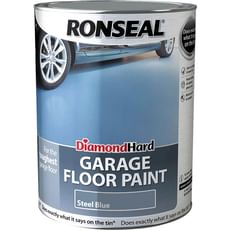
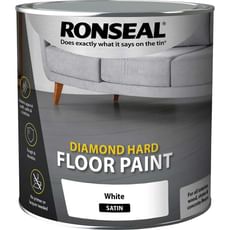
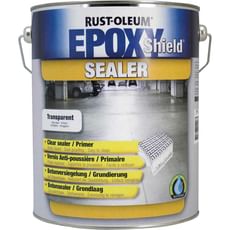
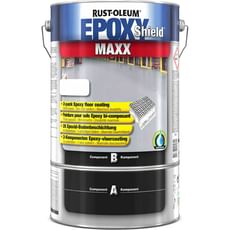
 Loading...
End of content
Error - No more pages to load
About Floor Paints
Floor paints are specialised protective coatings engineered to withstand the demanding conditions that floor surfaces endure, including heavy foot traffic, vehicle movement, chemical spills, impact damage, and constant abrasion. Unlike standard wall paints, these formulations incorporate enhanced durability properties, superior adhesion characteristics, and often include slip-resistant textures to ensure longevity even in harsh environments. Whether you're protecting a domestic garage floor, renovating a warehouse surface, refurbishing a workshop, or restoring a factory floor, the right floor paint transforms worn concrete, wood, or previously painted substrates into professional, easy-to-clean finishes that last for years.
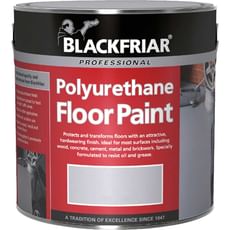
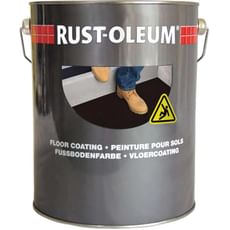
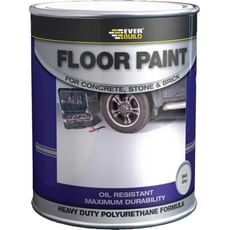
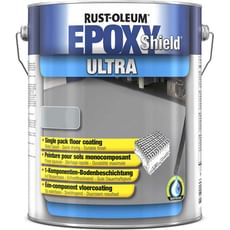
The floor paint selection at Tooled-Up.com includes epoxy-based coatings, polyurethane formulations, anti-slip finishes, decorative systems, and quick-drying aerosol options from trusted manufacturers including Rust Oleum, Ronseal, Blackfriar, and Everbuild. Epoxy floor paints deliver exceptional chemical resistance and mechanical strength, making them ideal for garages and industrial settings where oil, petrol, and automotive fluids are present. Polyurethane floor paints provide excellent flexibility and UV resistance for areas exposed to sunlight or temperature fluctuations, whilst specialist anti-slip formulations address safety requirements in commercial and industrial premises.
Modern floor paints offer far superior performance compared to traditional options, with products ranging from heavy-duty garage floor coating kits that resist oil stains and tyre marks to diamond-hard finishes designed for high-traffic commercial environments. Available in various colours and finishes including high gloss, satin, and textured anti-slip formulations, these coatings not only protect substrates from damage but also enhance the appearance of any space whilst simplifying maintenance routines. Many products come as complete kits with primers, sealers, and decorative flakes, making professional results achievable for both experienced tradespeople and DIY enthusiasts tackling home improvement projects.
Jargon Buster
- Epoxy Floor Paint: A two-component coating system comprising resin and hardener that chemically cures to create an extremely hard, chemical-resistant surface. Ideal for garages, workshops, and industrial floors where maximum durability is paramount.
- Polyurethane Floor Paint: A flexible, single-component paint with excellent abrasion resistance and UV stability. Better suited than epoxy for areas with significant temperature fluctuations or exposure to direct sunlight, as it resists yellowing and remains flexible.
- Anti-Slip Additive: Textured particles, aggregates, or grit mixed into floor paint to increase surface friction and reduce slip hazards, essential for compliance with HSE workplace safety requirements in commercial and industrial settings.
- Pot Life: The working time available after mixing two-component products before the chemical reaction makes the paint too viscous to apply properly. Typically ranges from 30 minutes to several hours depending on temperature and product formulation.
- Adhesion Primer: A specialised basecoat that improves paint bonding to difficult surfaces like smooth concrete, tiles, sealed floors, or previously painted substrates, ensuring long-lasting results and preventing premature coating failure.
- Decorative Flakes: Coloured vinyl or acrylic chips broadcast into wet epoxy floor coatings to create an attractive, textured finish that also helps hide surface imperfections and provides additional slip resistance.
Who Uses Floor Paints?
Floor paints are essential products for a diverse range of trades, professionals, and applications:
- Garage and Workshop Owners: Professional mechanics, fabricators, and DIY enthusiasts protecting concrete floors from oil, chemicals, and heavy tool impacts
- Property Maintenance Contractors: Facilities managers and maintenance teams responsible for commercial, retail, and industrial premises requiring durable flooring solutions
- Painters and Decorators: Professional tradespeople offering complete refurbishment services including specialist floor coating application
- Factory and Warehouse Managers: Industrial sites requiring durable, easy-to-clean surfaces that withstand forklift traffic, chemical exposure, and constant heavy use
- Retail Fit-Out Specialists: Contractors creating attractive, hardwearing floors for shops, showrooms, leisure facilities, and public spaces
- Agricultural Workers: Farmers and stable owners protecting barn, dairy, and livestock building floors from constant moisture and chemical exposure
- Landlords and Property Developers: Professionals upgrading rental properties or preparing buildings for sale with cost-effective floor improvements
- Home Improvement Enthusiasts: DIYers tackling garage, basement, conservatory, utility room, and porch floor projects
How to Choose the Right Floor Paints
Surface Type: Identify your substrate material before selecting a product. Concrete floors typically require different formulations than wood, metal, or previously painted surfaces. Some paints need specific primers for optimal adhesion, whilst others are formulated as all-in-one solutions. Always ensure the surface is clean, dry, and properly prepared according to manufacturer specifications for best results.
Traffic and Usage Intensity: Consider the level of wear your floor will experience. Light foot traffic in a home utility room requires less robust protection than a busy workshop or commercial garage subjected to vehicle tyres, dropped tools, and heavy equipment. Epoxy formulations generally offer superior durability for high-traffic and industrial applications, whilst polyurethane paints suit moderate-use domestic areas.
Chemical and Stain Resistance: Evaluate potential contaminants the floor will encounter. Garage floors need resistance to petrol, oil, brake fluid, antifreeze, and de-icing salts, whilst workshop floors may encounter solvents, paints, thinners, and cleaning chemicals. Industrial settings may require resistance to acids, alkalis, or other specialist chemicals. Epoxy coatings typically provide the best chemical resistance for demanding environments.
Slip Resistance Requirements: Assess safety needs, particularly for commercial premises where HSE regulations apply. Anti-slip formulations or those compatible with textured additives are essential for areas prone to moisture, spillages, or where pedestrian safety is paramount. Consider whether you need a textured finish from the outset or can add anti-slip aggregates during application for customised friction levels.
Drying Time and Application Method: Project timescales matter significantly. Quick-drying aerosol paints allow rapid line marking and small repairs with minimal disruption, whilst complete garage floor kits may require 24-72 hours before light foot traffic and several days before full curing for vehicle use. Consider whether you can keep the area out of service during application and curing periods, especially in commercial settings.
Aesthetic Requirements: Modern floor paints offer extensive colour and finish options beyond traditional grey. High gloss finishes create bright, professional appearances ideal for showrooms and retail spaces, whilst decorative flake systems provide attractive, variegated patterns perfect for domestic garages. Consider how the floor's appearance complements the overall space and whether you require specific colour-coding for safety or zoning purposes.
Popular Accessories
Achieve professional results and maintain your floor paint with these complementary products available from Tooled-Up:
- Floor Preparation Products: Concrete cleaners, degreasers, etching solutions, and surface preparation compounds to ensure optimal paint adhesion
- Primer and Sealer Coats: Specialised basecoats and protective topcoats for enhanced durability and professional multi-layer coating systems
- Application Tools: Long-handled roller frames, textured roller sleeves, extension poles, and edging pads designed for efficient floor coverage
- Anti-Slip Additives: Textured aggregates, grit compounds, and slip-resistant particles to customise surface friction levels
- Decorative Flakes: Colour-matched vinyl chips for creating attractive broadcast finishes with added texture and visual interest
- Masking Tape and Edging Tools: Professional-grade tapes and line applicators for crisp borders, safety markings, and defined zones
- Mixing Equipment: Paddle mixers and drill attachments for thorough blending of two-component epoxy systems
- Protective Equipment: Quality brushes, chemical-resistant gloves, respirators, knee pads, and safety goggles for safe, comfortable application
- Maintenance Products: Specialised floor cleaners formulated to preserve painted surfaces without degrading the coating
Safety Information
Ventilation: Always ensure adequate airflow when applying floor paints, particularly solvent-based and epoxy formulations. Open doors and windows, and consider using fans to maintain continuous air circulation. In confined spaces like basements, enclosed garages, or rooms without windows, mechanical ventilation may be necessary to prevent solvent vapour accumulation and ensure safe working conditions.
Personal Protective Equipment: Wear appropriate PPE including safety glasses or goggles to protect against splashes, chemical-resistant gloves suitable for the specific product type, and respiratory protection when working with products that emit strong fumes or contain isocyanates. Knee pads protect joints when working at floor level for extended periods, whilst protective overalls prevent skin contact with reactive chemicals.
COSHH Compliance: Professional users must comply with Control of Substances Hazardous to Health regulations. Review product safety data sheets before commencing work, conduct thorough risk assessments, and implement appropriate control measures. Many floor paints contain isocyanates or other sensitising agents requiring specific handling procedures and potentially requiring health surveillance for frequent users.
Skin Contact: Avoid prolonged or repeated skin contact with floor paints, particularly two-component epoxy systems which can cause allergic sensitisation. Wash any splashes immediately with soap and warm water. Never use solvents to clean skin. Barrier creams provide additional protection during application, though they don't replace proper gloves.
Storage and Disposal: Store floor paints in cool, dry conditions away from ignition sources, direct sunlight, and out of reach of children and animals. Dispose of empty containers and waste materials according to local authority guidelines for chemical waste. Never pour excess paint down drains or into watercourses. Part-used tins should be resealed properly to prevent solvent evaporation and skin formation.
Frequently Asked Questions
How long does floor paint take to dry before I can walk on it?
Drying times vary significantly between products and environmental conditions. Most standard floor paints allow light foot traffic after 16-24 hours, but full curing for heavy use typically requires 5-7 days. Epoxy floor coatings generally need 24 hours minimum before walking and 3-7 days before vehicle traffic or heavy equipment. Always check manufacturer specifications, as temperature, humidity, and ventilation significantly affect curing times. Cooler conditions below 10°C or poor ventilation can extend drying periods considerably, whilst warmer temperatures may accelerate curing.
Do I need to prime concrete before applying floor paint?
This depends on the concrete condition, porosity, and paint type. New, smooth, power-trowelled, or previously sealed concrete usually requires etching or priming to ensure adequate mechanical adhesion. Porous, aged, or rough concrete may accept certain paints directly after thorough cleaning and degreasing. Many modern floor paints include built-in primers for convenience on suitable substrates, whilst others require separate primer coats for optimal performance. When in doubt, priming is advisable as it significantly improves paint bonding, reduces the risk of coating failure, and extends system longevity.
Can I apply floor paint over existing painted floors?
Yes, provided the existing coating is sound, well-adhered, and properly prepared. Thoroughly clean the surface to remove all dirt, oil, and contaminants, remove any loose or flaking paint by scraping or wire brushing, and lightly abrade glossy finishes with coarse sandpaper or mechanical abrading equipment to create a key for the new coating. Test a small inconspicuous area first to ensure compatibility between coatings. If the existing paint is severely degraded, blistered, or poorly adhered, complete removal may be necessary for best results and long-term performance.
What's the difference between garage floor paint and regular floor paint?
Garage floor paints are specifically formulated to resist automotive chemicals including petrol, diesel, oil, brake fluid, antifreeze, and de-icing salts, which would quickly damage or stain standard floor paints. They also offer significantly enhanced abrasion resistance to withstand tyre traffic, dragging of jacks and equipment, and feature superior adhesion to concrete. Many garage-specific products include anti-slip properties for wet conditions and are designed to handle hot tyre pickup – the tendency for vehicle tyres to lift or mark fresh coatings when parking immediately after driving.
How do I maintain painted floors to maximise their lifespan?
Regular maintenance significantly extends floor paint life and appearance. Sweep or vacuum frequently to remove abrasive grit, sand, and dirt that can wear the coating. Clean spills promptly, especially chemicals, oils, and acidic substances. Use pH-neutral cleaners specifically designed for painted floors rather than harsh alkaline or acidic chemicals that might degrade the coating or dull the finish. Avoid dragging sharp or heavy objects across the surface, and consider protective mats in high-wear areas or beneath heavy equipment. Periodic recoating of high-traffic zones maintains protection before substrate exposure occurs.