

Fruit Pruners
Pay in 3 interest-free payments on purchases from £30-2000 with  . Learn more.
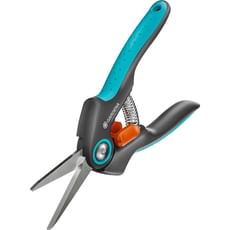
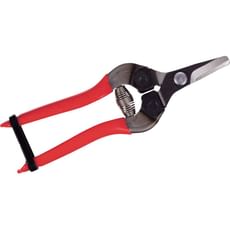
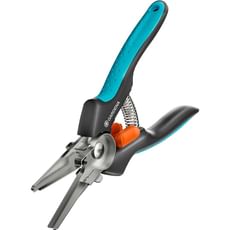
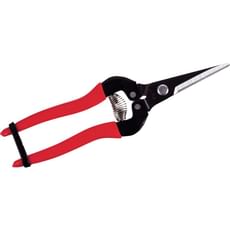
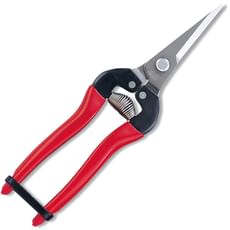
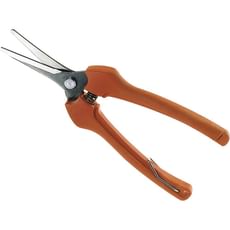
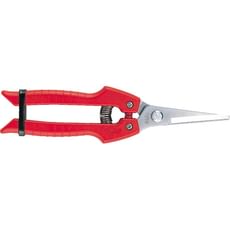
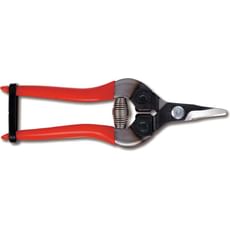

 Loading...
End of content
Error - No more pages to load
About Fruit Pruners
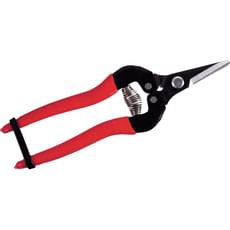
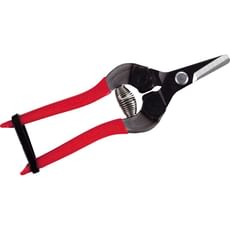
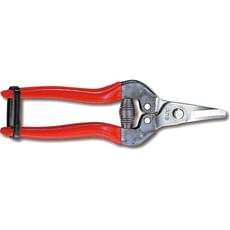
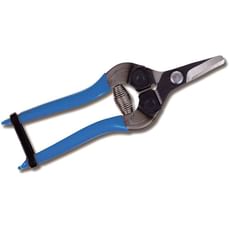
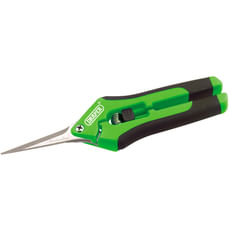
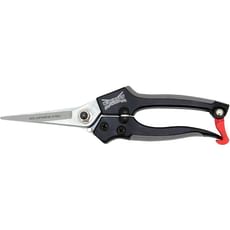
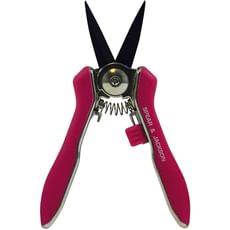
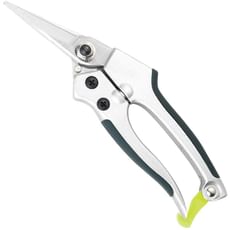
Fruit pruners are specialised precision cutting tools designed for delicate harvesting and pruning tasks in gardens, orchards, vineyards and horticultural settings. Unlike standard secateurs which handle heavier pruning work, fruit pruners feature fine, sharp blades that deliver clean, accurate cuts on delicate stems without crushing or damaging plant tissue. These compact scissor-style tools typically measure between 150-200mm in length, making them ideal for detailed work in confined spaces between fruit clusters, flower heads and young growth. Professional gardeners, fruit growers and keen domestic gardeners rely on fruit pruners for tasks including harvesting soft fruits, deadheading roses, cutting flowers, pruning tomato plants, maintaining grape vines and general precision work where standard secateurs would prove too cumbersome.
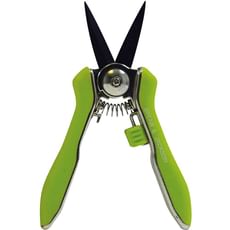
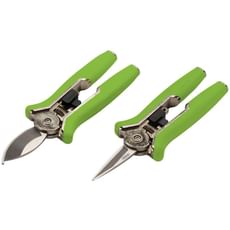
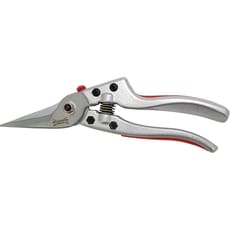
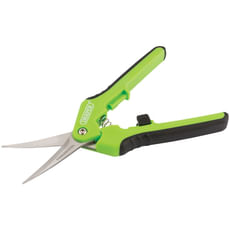
The selection at Tooled-Up.com includes several distinct fruit pruner designs to suit different applications and working conditions. Pointed tip models feature blades that taper to a fine point, providing excellent access into tight spaces and allowing precise cutting between closely-spaced stems. Snub nose variants offer rounded blade tips that eliminate the sharp point, making them safer for pocket storage and reducing the risk of accidental injuries whilst maintaining effective cutting performance. Curved blade fruit pruners provide ergonomic cutting angles when working overhead or at awkward positions, similar to nail scissors, which reduce wrist strain during extended use. Straight blade models deliver traditional scissor-style cutting action for maximum control and precision on flat cutting planes.
Professional-grade fruit pruners from leading manufacturers like ARS, Bahco and Spear & Jackson incorporate advanced features including hardened high-carbon steel or stainless steel blades that maintain their edge through repeated use, ergonomically shaped handles with soft-grip materials to reduce hand fatigue, and spring-action mechanisms that automatically open the blades after each cut. Stainless steel blade variants resist corrosion when working with sappy plants or in damp conditions, whilst marquench hardening processes deliver exceptional blade durability. Quality fruit pruners typically handle stems up to 5-8mm diameter, with blade lengths ranging from 30-50mm depending on the model and intended application.
Jargon Buster
- Bypass Action: A cutting mechanism where two sharpened blades pass each other like scissors, producing clean cuts that don't crush plant tissue. This is the standard cutting action for fruit pruners and essential for maintaining healthy plants after pruning or harvesting.
- Pointed Tip: Blades that terminate in a fine, sharp point allowing access into tight spaces between fruit clusters, flower heads and stems. Essential for precision harvesting work and detailed pruning in crowded plantings.
- Snub Nose: Blades with rounded, blunt tips that eliminate the sharp point found on standard models. These reduce the risk of accidental punctures or injuries whilst maintaining effective cutting performance, making them safer for pocket storage and use around other plants.
- Curved Blade: Pruner blades with an angled or curved profile that provide ergonomic cutting angles when working overhead or at difficult positions. The curved design reduces wrist rotation and strain during extended pruning sessions.
- Marquench Hardening: An advanced heat treatment process that gives pruner blades exceptional durability and edge retention. This Japanese technique creates blades that maintain sharpness through hundreds of cuts without frequent resharpening.
- Spring Action: An integral spring mechanism that automatically opens the blades after each cut, reducing hand fatigue and speeding up repetitive harvesting tasks. Particularly beneficial for professional users making hundreds of cuts daily.
Who Uses Fruit Pruners?
- Professional Gardeners & Groundskeepers: Maintenance of ornamental gardens, estate grounds and public parks requiring regular deadheading and precision pruning work
- Fruit Growers & Orchard Managers: Commercial harvesting of soft fruits, grapes and delicate produce where clean cuts prevent spoilage and disease transmission
- Horticulturalists & Nursery Workers: Propagation work, cutting scions for grafting, maintaining young stock plants and detailed cultivation tasks
- Viticulturists: Grape vine maintenance, harvesting and detailed pruning work in commercial vineyards
- Florists: Cutting and preparing flowers and foliage for arrangements, where clean cuts extend vase life
- Allotment Holders: Harvesting vegetables, pruning tomato plants, maintaining productive kitchen gardens and general cultivation work
- Landscape Gardeners: Detailed finishing work on planting schemes, maintaining established borders and precision pruning tasks
- Domestic Gardeners & DIY Enthusiasts: General garden maintenance, rose deadheading, harvesting herbs, maintaining potted plants and container gardening
How to Choose the Right Fruit Pruners
Blade Style: Select pointed tip pruners for precision work in tight spaces and detailed harvesting tasks where access between stems is crucial. Choose snub nose models if safety and pocket storage are priorities, or if multiple users will handle the tools. Curved blade pruners suit overhead work and reduce wrist strain during extended use, whilst straight blade models offer traditional scissor action for controlled, precise cuts on flat cutting planes.
Blade Material: Stainless steel blades from premium brands like ARS resist corrosion and maintain sharpness longer, particularly important when working with sappy plants or in damp British conditions. Standard hardened steel blades offer excellent cutting performance at lower cost but require more maintenance to prevent rust. Look for marquench hardened blades for professional-grade edge retention.
Handle Design: Ergonomically shaped handles with soft-grip materials cushion the hand during extended use and reduce fatigue. Test the opening span to ensure comfortable operation for your hand size. Spring-loaded handles reduce effort during repetitive cutting tasks, particularly beneficial for professional users making hundreds of cuts daily.
Cutting Capacity: Most fruit pruners handle stems up to 5-8mm diameter. Consider your typical applications—delicate flower stems and herb harvesting require different capabilities than woody grape vines or young tree growth. Match the tool's cutting capacity to your most frequent tasks.
Build Quality: Professional brands like ARS, Bahco and Gardena offer superior manufacturing standards with precisely aligned blades, robust pivot mechanisms and replaceable parts. Investment in quality tools from Tooled-Up pays dividends in longevity and consistent cutting performance over many seasons.
Weight & Balance: Lightweight tools reduce hand fatigue, particularly important for professional users. Well-balanced pruners feel natural in hand and require less conscious control during detailed work. Japanese manufacturers like ARS specialise in lightweight designs that don't compromise on strength.
Popular Accessories
- Sharpening Stones & Files: Diamond sharpening tools and whetstones for maintaining blade edges and restoring cutting performance
- Tool Maintenance Oils: Lubricating and protecting oils for pivot points and blades to ensure smooth operation
- Blade Cleaning Solutions: Removing sap and plant residues that can harbour disease and affect cutting performance
- Holsters & Tool Pouches: Safe storage and convenient access whilst working, protecting blades and preventing injuries
- Replacement Springs: Spare springs for spring-action models to maintain automatic blade opening function
- Garden Gloves: Protective gloves for handling thorny plants like roses whilst pruning
- Secateurs & Loppers: Complementary cutting tools from brands like Bahco and Spear & Jackson for larger diameter branches
- Pruning Saws: For stems beyond pruner capacity requiring different cutting techniques
- Disinfectant Sprays: Sterilising blades between plants to prevent disease transmission in professional growing operations
Safety Information
Fruit pruners feature sharp blades capable of causing cuts and puncture wounds. Always store tools with blades closed and safety catches engaged where fitted. When working, keep fingers clear of the cutting zone and maintain awareness of blade position at all times. Pointed tip models require particular care to avoid accidental injuries—consider snub nose alternatives if tools will be carried in pockets or used in confined spaces around other plants.
Wear appropriate protective gloves when pruning thorny plants like roses or brambles. When working overhead or on ladders, secure tools with lanyards to prevent drops that could cause injuries. Clean and disinfect blades between different plants to prevent transmission of diseases and pests—this is particularly important in commercial growing operations and nurseries.
Store pruners in dry conditions to prevent corrosion, and keep blades sharp as blunt tools require excessive force and increase accident risk. For professional users, follow HSE guidelines on work-related upper limb disorders by taking regular breaks during repetitive cutting tasks, using ergonomically designed tools with cushioned grips, and alternating between different activities throughout the working day.
Frequently Asked Questions
What's the difference between fruit pruners and secateurs?
Fruit pruners are smaller and more precise than secateurs, with finer blade tips designed for delicate work in confined spaces. They typically handle stems up to 5-8mm diameter and excel at detailed harvesting and precision pruning between fruit clusters. Secateurs are larger, more robust tools for general pruning work on stems up to 20mm diameter. Both tools serve complementary purposes in garden maintenance.
Do I need pointed or snub nose fruit pruners?
Pointed tip pruners offer superior precision and access into tight spaces between fruit clusters and stems, making them ideal for detailed harvesting work and professional applications. Snub nose models sacrifice some precision but are safer to carry in pockets and handle, with no sharp point to cause accidental injuries. Consider pointed models for stationary work at benches or in greenhouses, and snub nose for tools carried throughout the day.
How do I maintain my fruit pruners?
Clean blades after each use to remove sap and plant debris. Wipe with an oily cloth to prevent rust, and oil the pivot point regularly to ensure smooth operation. Sharpen blades when cuts become ragged using a fine sharpening stone or diamond file. Disinfect blades with horticultural disinfectant when moving between plants to prevent disease transmission. Store in dry conditions with blades closed and safety catches engaged.
Can fruit pruners be used for harvesting vegetables?
Yes, fruit pruners excel at harvesting vegetables with delicate stems including tomatoes, peppers, courgettes and aubergines. The clean cutting action prevents damage to remaining plant tissue, encouraging continued production, and the compact size allows access to produce hidden amongst foliage. They're also ideal for harvesting herbs, salad leaves and cutting flowers for indoor arrangements.
Which brands offer the best quality fruit pruners?
ARS fruit pruners from Japan are renowned for exceptional blade quality, marquench hardening and precision engineering, representing the professional choice for demanding applications. Bahco offers excellent European-manufactured pruners with ergonomic designs and reliable performance. Gardena, Spear & Jackson and Draper provide dependable performance at competitive prices suitable for regular domestic use and light professional work.