

Full Face Masks

Pay in 3 interest-free payments on purchases from £20-£3000 with  . Learn more.
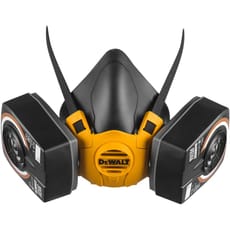
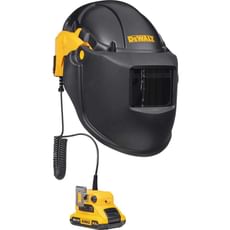
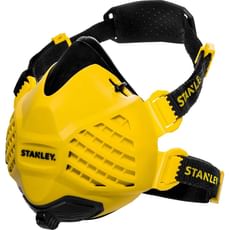
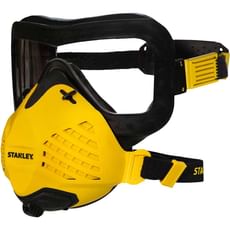
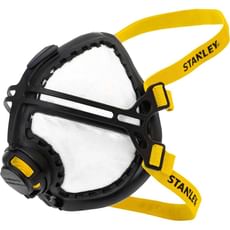
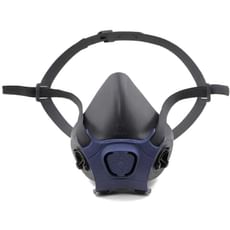
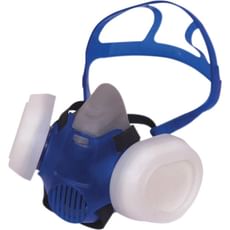


 Loading...
End of content
Error - No more pages to load
About Full Face Masks
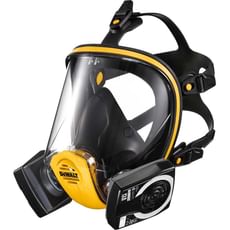
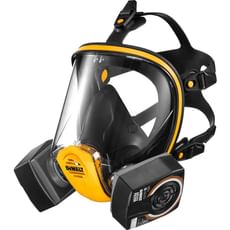
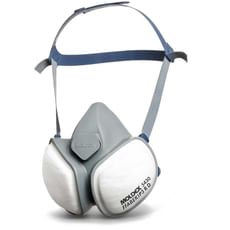
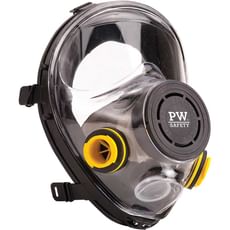
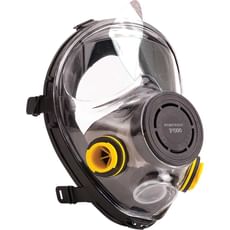
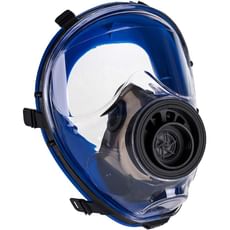
Full face masks deliver comprehensive respiratory protection for tradespeople and professionals working in hazardous environments where airborne contaminants threaten health and safety. Unlike half mask respirators, these protective devices cover the entire face from forehead to chin, safeguarding not only the respiratory system but also the eyes and facial skin from exposure to dangerous particles, gases, vapours, and chemical splashes. This complete facial coverage makes full face masks essential equipment for demanding applications including spray painting, asbestos removal, chemical handling, welding, and working with toxic dusts or fibres.
Modern full face respirators combine advanced filtration technology with ergonomic design to deliver both protection and comfort during extended wear periods. The selection at Tooled-Up.com includes models equipped with various filter configurations—from P3 particulate filters for fine dusts through to A2P3 combination filters that protect against both gases and particles. Leading manufacturers like DeWalt, Moldex, and Portwest offer respirators that comply with BS EN standards and meet HSE requirements under COSHH regulations, ensuring workplace safety across construction sites, industrial facilities, and professional workshops.
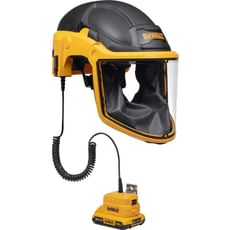
The range spans from standard full face masks with replaceable bayonet-fit filters through to premium powered air purifying respirators (PAPR) that actively draw air through filtration systems, reducing breathing resistance whilst providing the highest protection levels. Whether you're a professional decorator tackling solvent-based coatings, an asbestos removal specialist requiring P3-rated protection, or a welder needing integrated respiratory and eye protection, selecting appropriate full face respiratory equipment isn't merely about regulatory compliance—it's fundamental to safeguarding long-term health against occupational respiratory diseases.
Jargon Buster
- P3 Filter: The highest grade of particulate filter available in the UK, removing at least 99.95% of airborne particles including fine dusts, asbestos fibres, and water-based mists. Required for high-risk environments and licensed asbestos work.
- A2P3 Filter: A combination filter providing dual protection against organic gases and vapours (A2 classification) plus particles (P3 classification). Essential for spray painting with solvent-based products and applications involving both vapour and particulate hazards.
- PAPR (Powered Air Purifying Respirator): A motorised respiratory system that actively draws contaminated air through filters and delivers clean air to the face mask under positive pressure, significantly reducing breathing effort and providing enhanced protection factors.
- Assigned Protection Factor (APF): A numerical rating indicating the level of protection a respirator provides in workplace conditions. Standard full face masks typically achieve APF 20-40, whilst powered systems can deliver APF 40 or higher.
- COSHH: Control of Substances Hazardous to Health—UK regulations requiring employers to prevent or adequately control employee exposure to hazardous substances through risk assessment and appropriate protective measures including respiratory protection.
- Face Fit Testing: A mandatory assessment procedure required by HSE guidance to verify that tight-fitting respirators create an effective seal with individual facial features, ensuring contaminated air cannot bypass filters through gaps.
Who Uses Full Face Masks?
- Painters and Decorators: Protection from paint sprays, solvents, isocyanates, and volatile organic compounds during spray application work
- Asbestos Removal Specialists: Essential PPE for licensed and non-licensed asbestos work requiring P3 particulate filtration
- Welders and Fabricators: Safeguarding against welding fumes, metal particulates, and grinding dusts, often with integrated welding shields
- Chemical Handlers: Workers managing hazardous chemicals, industrial cleaning agents, pesticides, and corrosive substances
- Construction Workers: Site operatives exposed to silica dust from cutting and grinding, cement dust, and mixed construction contaminants
- Manufacturing Personnel: Factory workers handling industrial dusts, fibres, production fumes, and process emissions
- Automotive Refinishers: Bodyshop professionals applying primers, base coats, clear coats, and two-pack paints
- Pharmaceutical Workers: Personnel handling active pharmaceutical ingredients, fine powders, and sensitising substances
- Agricultural Workers: Applying crop protection products, handling grain dusts, and working in confined agricultural spaces
- Industrial Cleaners: Operatives using strong cleaning chemicals, working in contaminated environments, or conducting deep cleaning operations
How to Choose the Right Full Face Masks
Identify Your Workplace Hazards: Begin with a thorough COSHH assessment or workplace risk evaluation to identify specific contaminants present. Different hazards demand different filter types—particulate filters (P1, P2, P3) for dusts and fibres, gas filters (A, B, E, K) for vapours and gases, or combination filters for mixed exposures. For professional applications involving fine dusts, spray painting, or asbestos work, P3 or A2P3 filters represent the minimum recommended protection level.
Determine Required Protection Level: Standard full face masks with replaceable filters offer excellent protection for most professional applications and provide good value for regular use. Powered air purifying respirators deliver the highest protection factors with significantly reduced breathing effort, making them particularly beneficial for extended wear periods, physically demanding work, or when working in hot environments where breathing resistance could cause fatigue and reduce productivity.
Ensure Proper Fit and Comfort: An effective face seal is absolutely critical for respiratory protection—even small gaps allow contaminated air to bypass filters entirely. Browse full face masks at Tooled-Up.com that feature adjustable head harnesses, soft silicone face seals, and lightweight construction for comfort during full-shift wear. If you wear prescription glasses, select models with internal spectacle frame compatibility or consider PAPR systems with loose-fitting hoods that accommodate eyewear without compromising the protective seal.
Consider Field of Vision Requirements: Choose respirators with wide, optically-correct visors that provide good peripheral vision essential for safe working. Anti-fog coatings or active ventilation systems help maintain clear visibility when moving between different temperature zones or during physically demanding tasks that increase respiration rates.
Check Filter Availability and Compatibility: Verify that replacement filters are readily available and understand the recommended change schedule for your application. Brands like DeWalt, Moldex, and Trend offer comprehensive filter ranges with clear compatibility information. Check whether your chosen mask uses bayonet-fit or screw-thread filter connections and whether filters are supplied individually or in economical multi-packs.
Verify Standards Compliance: Ensure all respiratory protective equipment meets current BS EN standards and carries CE marking. For professional workplace use, equipment must comply with relevant UK health and safety regulations and be demonstrably suitable for the specific substances and concentration levels encountered, in accordance with HSE guidance and manufacturer limitations.
Popular Accessories
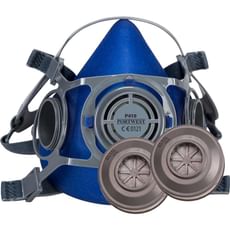
- Replacement Filters: P3 particulate filters, A2P3 combination filters, ABEK multi-gas filters, and specialist filters for specific contaminants
- Pre-filters and Particulate Covers: Extend primary filter life by capturing larger particles before they reach main filtration elements
- Face Seals and Gaskets: Replacement silicone or rubber seals to maintain proper fit, comfort, and effective sealing over time
- Visor Cleaning Products: Specialised wipes and solutions for cleaning face shields without scratching or damaging optical surfaces
- Anti-fog Treatments: Sprays, wipes, and coating solutions to prevent visor condensation in varying temperature conditions
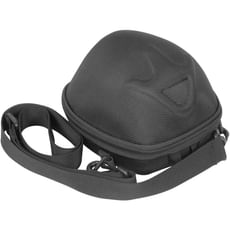
- Protective Storage Cases: Hard cases and bags for safe storage and transportation when masks aren't in use
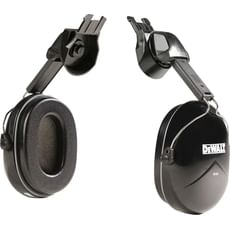
- Clip-on Ear Defenders: Integrated hearing protection for noisy environments, available from manufacturers like DeWalt with SNR ratings
- Hard Hat Mounting Systems: Combined head and respiratory protection systems for construction and industrial applications
- PAPR Battery Packs: Replacement or spare rechargeable batteries and charging stations for powered respiratory systems
- Welding Shield Attachments: Flip-up or fixed welding lenses that integrate with full face masks for combined respiratory and arc protection
- Communication Systems: Speech diaphragms and electronic communication devices for noisy or remote working environments
Safety Information
Face Fit Testing Requirements: UK health and safety regulations require face fit testing for tight-fitting respirators in workplace situations where respiratory protective equipment is necessary. This quantitative or qualitative testing ensures your chosen mask creates an effective seal with your individual facial features. Employers must arrange testing through competent persons, and users must be clean-shaven where the mask seals to the face—even stubble prevents proper sealing and compromises protection. Testing should be repeated annually or following significant weight changes, dental work, or facial injuries.
Filter Selection and Replacement: Using incorrect filter types or failing to replace filters appropriately can result in dangerous exposure to harmful contaminants. Always match filter specifications precisely to workplace hazards identified in your COSHH assessment. Replace particulate filters when breathing becomes difficult, when visibly loaded with contaminant, or according to manufacturer recommendations. Gas and vapour filters must be changed immediately upon detecting odour or taste breakthrough, even if breathing resistance remains acceptable. Never remove or change filters whilst in contaminated areas—always move to clean air first.
Storage and Maintenance Procedures: Store full face masks in clean, dry conditions away from direct sunlight, extreme temperatures, and chemical contamination when not in use. Regularly inspect face seals, head harnesses, valves, and visor condition for damage, deterioration, or contamination. Clean visors using appropriate solutions specified by manufacturers to avoid scratching polycarbonate or damaging anti-fog coatings. Any damaged or worn components must be replaced immediately—never use compromised respiratory protection equipment as it may provide no effective protection whatsoever.
Medical Considerations: Wearing respiratory protective equipment increases breathing effort and can be physically demanding, particularly during manual work or in warm environments. Workers with pre-existing respiratory conditions, cardiovascular problems, or claustrophobia should seek occupational health advice before using respirators. If you experience dizziness, breathing difficulty, nausea, or other adverse symptoms whilst wearing respiratory protection, leave the contaminated area immediately, remove the mask in clean air, and seek medical attention if symptoms persist.
Training and Competency: All respirator users must receive adequate instruction and training on correct fitting procedures, limitations of protective equipment, maintenance requirements, and emergency procedures. Keep manufacturer instructions accessible and ensure all personnel understand when respiratory protection is required, how to conduct user seal checks, and how to identify when equipment needs replacement or servicing according to HSE guidance and workplace procedures.
Frequently Asked Questions
What's the difference between full face masks and half mask respirators?
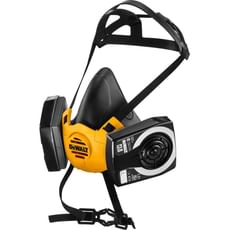
Full face masks cover the entire face including eyes, providing higher assigned protection factors (typically APF 20-40) compared to half masks (APF 10-20). Full face respirators protect against eye irritation from airborne contaminants and prevent facial skin exposure to hazardous substances. They eliminate the fogging issues that occur when wearing separate safety glasses with half masks, and are mandatory for higher-risk environments or when working with substances that can damage eyes or cause skin sensitisation. Half masks are more compact and suitable for lower-risk applications where eye protection isn't required from respiratory hazards.
How long do P3 filters last on full face masks?
P3 filter lifespan varies considerably depending on contaminant concentration, duration of exposure, working intensity, and breathing rate. Replace particulate filters when breathing resistance noticeably increases, when filters appear visibly loaded with contaminant, or according to manufacturer recommendations (often expressed as hours of use). For combination filters with gas or vapour elements, replacement is necessary immediately upon detecting odour or taste breakthrough, even if breathing resistance hasn't increased. In high-contamination environments, filters may require replacement after just a few hours, whilst light-duty applications might achieve several days of use. Always follow workplace procedures and err on the side of caution.
Can I wear prescription glasses with a full face mask respirator?
Standard prescription glasses typically prevent proper face seal formation with full face masks, allowing contaminated air to bypass filters. Many manufacturers including DeWalt and Moldex offer internal spectacle frame kits that securely hold corrective lenses inside the mask without breaking the crucial face seal. These frames are specifically designed to work with the mask's sealing area. Alternatively, powered air purifying respirators with loose-fitting hoods or face shields can accommodate regular prescription glasses without compromising respiratory protection, making them ideal for spectacle wearers who require respiratory protection regularly.
Are powered air purifying respirators worth the additional investment?
PAPR systems offer significant advantages justifying their higher cost for regular users and demanding applications. Benefits include dramatically reduced breathing resistance making physical work less tiring, higher assigned protection factors, compatibility with beards and facial hair that would prevent sealing with tight-fitting masks, and substantially greater comfort during extended wear periods or in warm environments. They're particularly valuable for full-shift use, physically demanding work, or applications requiring maximum protection. For occasional use or less intensive applications, standard full face masks with replaceable filters provide excellent protection at lower initial cost, though filter replacement expenses accumulate over time.
Do I legally need face fit testing for workplace respiratory protection?
Yes, HSE guidance requires face fit testing for tight-fitting respirators including full face masks when used for workplace respiratory protection under COSHH regulations. Testing must be conducted by a competent person using approved qualitative or quantitative methods, and should be repeated annually or whenever there are significant changes to facial features such as major weight loss or gain, dental work, or facial injuries. This isn't merely guidance—it's a legal requirement in many industries to demonstrate that respiratory protective equipment provides the assumed level of protection. Employers are responsible for arranging and documenting face fit testing for all employees required to wear tight-fitting respirators.