

Garden Pest Control

Pay in 3 interest-free payments on purchases from £20-£3000 with  . Learn more.
 Loading...
End of content
Error - No more pages to load
About Garden Pest Control
Maintaining a healthy, thriving garden requires more than just regular watering and pruning – effective pest control is essential for protecting your plants, lawn, and outdoor spaces from unwanted visitors. The garden pest control range at Tooled-Up.com provides professional solutions for dealing with everything from slugs and snails to rats, mice, moles, and larger nuisances like rabbits and squirrels. Whether you're a professional groundskeeper, landscape gardener, or dedicated home gardener, having the right pest control equipment and treatments ensures your outdoor spaces remain healthy and pest-free throughout the year.
From chemical treatments and biological deterrents to humane cage traps and ultrasonic repellers, this category offers diverse solutions to suit different pest problems and personal preferences. Leading brands including Proctor Brothers, Vitax, Doff, and Rentokil provide proven products that meet UK safety standards and deliver reliable results. Whether you're dealing with an ant infestation on your patio, protecting your vegetable patch from slugs, or need to humanely remove wildlife from your property, you'll find professional-grade solutions designed for both immediate control and long-term prevention.
Understanding which pest control method works best for your specific situation is crucial for success. Some problems require immediate chemical intervention, whilst others benefit from preventative measures like physical barriers or deterrent devices. Available products include quick-acting sprays and powders for immediate pest elimination, bait stations for ongoing rodent control, humane cage traps for wildlife management, and innovative ultrasonic repellers that keep pests away without harmful chemicals. All products comply with UK pesticide regulations and COSHH requirements, ensuring safe, responsible pest management in domestic and commercial settings.
Jargon Buster
- Rodenticide: A chemical pesticide specifically formulated to kill rodents such as rats and mice. Available in various forms including wax blocks, grain baits, and pellets, these must be used responsibly according to UK regulations.
- Bait Station: A secure, lockable container designed to hold rodenticides safely, preventing access by children, pets, and non-target wildlife whilst allowing rodents to enter and consume the bait.
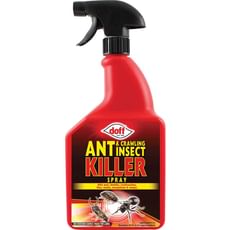
- Contact Insecticide: A pesticide that kills insects upon direct contact with the spray or treated surface, providing quick knockdown of crawling insects like ants and other garden pests.
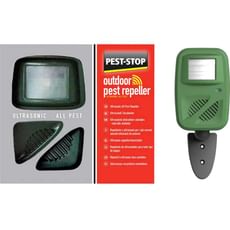
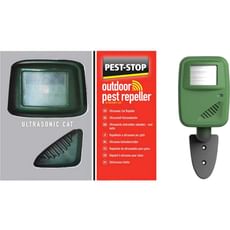
- Ultrasonic Repeller: An electronic device that emits high-frequency sound waves inaudible to humans but unpleasant to certain pests, deterring them from entering the protected area without using chemicals.
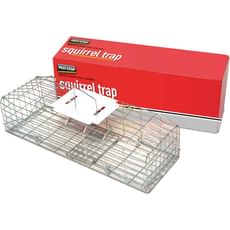
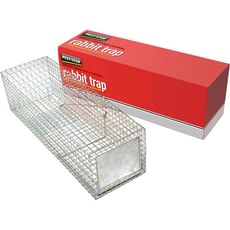
- Humane Trap: A cage or box trap designed to capture animals alive without causing injury, allowing for safe relocation according to UK wildlife laws. Commonly used for rabbits, squirrels, and other larger garden pests.
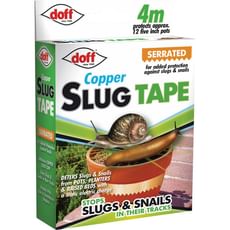
- Molluscicide: A pesticide specifically designed to kill slugs and snails. Available in pellet form, liquid concentrate, or physical barriers like copper tape that disrupts their movement.
Who Uses Garden Pest Control?
- Professional Gardeners and Landscapers: Managing client properties and maintaining pest-free gardens throughout the season
- Groundskeepers and Estate Managers: Controlling pest populations across large areas including parks, sports grounds, and institutional properties
- Allotment Holders: Protecting vegetable crops and fruit plants from slugs, snails, and other garden pests
- Commercial Growers and Nurseries: Maintaining plant health and preventing pest damage in growing environments
- Pest Control Professionals: Using professional-grade traps and treatments as part of comprehensive pest management services
- Property Maintenance Teams: Addressing pest issues in communal gardens, housing developments, and commercial premises
- Home Gardeners and DIY Enthusiasts: Protecting domestic gardens, patios, and outdoor living spaces from common garden pests
- Farmers and Smallholders: Managing rodent populations and protecting livestock feed stores from pest damage
How to Choose the Right Garden Pest Control
Identify Your Pest Problem: Accurate identification is the first step to effective control. Different pests require different approaches – what works for slugs won't necessarily work for rodents or larger wildlife. Look for signs like plant damage, droppings, tracks, or actual sightings to determine which pest you're dealing with. Consider whether you need immediate elimination or ongoing prevention, as this will influence your product choice.
Consider Your Environment: Think about where you'll be using the pest control products. If you have children, pets, or wildlife regularly visiting your garden, prioritise safer options like humane traps, ultrasonic repellers, or physical barriers. For areas where chemical treatments are necessary, always use bait stations to secure rodenticides safely. Consider whether the treatment area is exposed to rain, which may affect product effectiveness.
Chemical vs Non-Chemical Solutions: Decide whether you prefer chemical treatments or alternative methods. Chemical sprays and powders offer quick results for insect problems, whilst rodenticides provide effective long-term control of rats and mice. However, ultrasonic repellers, cage traps, and physical deterrents like adhesive copper tape or wall spikes offer chemical-free alternatives that may be preferable in organic gardens or around sensitive areas. Many experienced users employ an integrated approach, combining different methods for optimal results.
Scale of Infestation: The severity of your pest problem influences product selection. Minor slug issues might only require copper tape around vulnerable plants, whilst serious ant infestations may need both spray treatments and crack-and-crevice powders. For persistent rodent problems, combine bait stations with cage traps for comprehensive control. Larger wildlife issues like rabbits or squirrels typically require cage traps or professional deterrent systems.
Legal and Safety Considerations: Always check that products comply with UK regulations and are approved for your intended use. Some rodenticides are restricted to professional use only, whilst others are suitable for domestic applications. Follow all safety instructions carefully, particularly regarding storage, application, and disposal. Consider COSHH requirements if using products in a professional capacity, and ensure you understand any legal restrictions around trapping and relocating wildlife.
Popular Accessories
- Protective Gloves: Essential when handling traps, bait stations, or applying chemical treatments safely
- Sprayers and Applicators: For precise application of liquid pesticides and insecticides around garden areas
- Warning Signs: To alert others when pesticides or traps have been deployed in shared or public spaces
- Storage Containers: Secure, weather-resistant boxes for storing pesticides safely away from children and pets
- Replacement Bait Blocks: Ongoing supplies of rodenticide for maintaining bait stations throughout the season
- Garden Inspection Torch: Useful for checking traps and identifying pest activity during evening hours
- Sanitising Spray: For cleaning cages and traps between uses, particularly important for humane wildlife traps
Safety Information
Garden pest control products require responsible handling to protect yourself, others, and the environment. Always read product labels thoroughly before use and follow all manufacturer instructions precisely. When using chemical pesticides, wear appropriate PPE including gloves and eye protection, and avoid application on windy days to prevent drift. Store all pest control products in their original containers in a secure location away from children, pets, and food items.
Rodenticides must be used with particular care as they pose risks to non-target animals. Always deploy rodent baits inside tamper-resistant bait stations and position them away from areas accessible to children and pets. Check traps and bait stations regularly, and dispose of dead rodents promptly and hygienically using gloves. Never handle poisoned rodents without protection, as secondary poisoning can affect pets and wildlife.
When using cage traps for wildlife, check them at least once daily to minimise stress to captured animals. UK law protects certain species, so familiarise yourself with regulations regarding wildlife removal and relocation. Ultrasonic devices are generally safe but should be positioned according to manufacturer guidelines for optimal effectiveness. Always dispose of used pesticides and containers according to local council regulations – never pour chemicals down drains or dispose of them with general household waste.
Frequently Asked Questions
What's the most effective way to control slugs and snails in my garden?
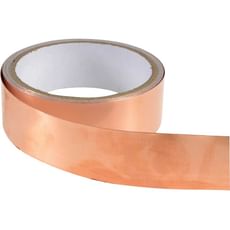
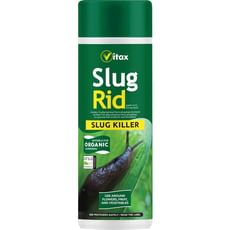
Adhesive copper tape provides an excellent chemical-free barrier around pots and raised beds, as slugs receive a small electrical shock when crossing it. For larger areas, slug pellets or liquid treatments work effectively, though you should choose pet-safe formulations if you have animals. Regular removal of hiding places like old leaves and debris also helps reduce populations. Many gardeners find success combining physical barriers with occasional chemical treatments for comprehensive control.
Are ultrasonic pest repellers effective for all garden pests?
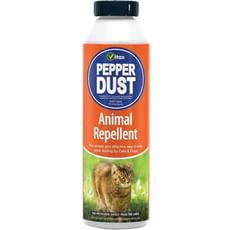
Ultrasonic repellers can be effective for deterring certain pests, particularly cats, foxes, and some rodents, but results vary depending on the device quality and pest species. They work best as part of an integrated pest management approach rather than as a sole solution. Position devices according to manufacturer instructions for maximum coverage, and remember that ultrasonic waves don't penetrate solid objects, so placement is crucial. They're most suitable for prevention rather than eliminating existing infestations.
How do I safely use rodent bait stations in my garden?
Always place bait stations against walls or fences where rodents naturally travel, securing them properly to prevent tampering. Use the key or locking mechanism to prevent children and pets accessing the bait inside. Check stations every few days, replacing consumed bait and removing any dead rodents found nearby. Position stations away from areas where pets exercise, and consider alternative methods like cage traps if you're concerned about secondary poisoning risks to wildlife.
Can I relocate wildlife caught in humane traps?
UK law restricts the relocation of certain species, particularly grey squirrels, which cannot legally be released back into the wild under the Wildlife and Countryside Act 1981. For other species like rabbits, check local regulations before relocating, as releasing animals far from capture sites can cause welfare issues. Many experts recommend consulting pest control professionals for wildlife removal, as they understand legal requirements and can ensure humane handling. Always check traps frequently to minimise stress to captured animals.
What's the difference between ant killer spray and powder?
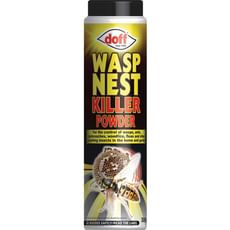
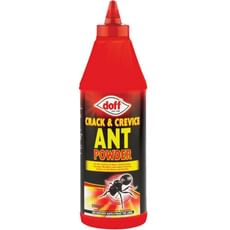
Ant killer sprays provide immediate contact kill and are ideal for treating visible ant trails, nest entrances, and surface infestations. They offer quick knockdown but may not eliminate the entire colony. Ant powders work more slowly but can be applied into cracks, crevices, and nest sites where they're carried back to the colony, potentially eliminating the queen and providing longer-lasting control. For comprehensive ant control, many users apply powder to nest sites and spray to visible trails for both immediate and long-term results.