

Garden Tools
Featured Categories




New Products



Top Sellers





About Garden Tools
Whether you're maintaining a compact urban garden, tending to a sprawling country estate, or managing professional landscaping projects, having the right garden tools makes all the difference. The garden tools category at Tooled-Up.com encompasses everything from essential hand tools like spades, forks and secateurs to sophisticated outdoor power equipment including lawnmowers, hedge trimmers and pressure washers. With trusted brands including Fiskars, Bahco, Gardena, DeWalt, Makita and Bosch in stock, both professional landscapers and weekend gardeners have access to equipment that delivers reliable performance season after season.
From soil preparation and planting through to lawn maintenance and seasonal pruning, this comprehensive range covers every aspect of horticulture and landscape management. You'll find specialised equipment for fence installation, watering and irrigation systems, garden chemicals and fertilisers, plus practical solutions for waste management including composters and garden tidy accessories. Many garden power tools operate on standard UK 240v mains electricity, whilst an expanding selection of cordless battery-powered alternatives offers greater flexibility, reduced noise and zero local emissions for environmentally conscious users.
The selection caters for both domestic gardeners and professional landscapers, with filtering options to help narrow down choices by brand, power source, blade length, cutting capacity and budget. Whether you're a professional groundskeeper requiring robust machinery for daily commercial use or a DIY enthusiast looking for weekend gardening essentials, you'll find quality tools backed by manufacturer warranties and comprehensive customer support.
Jargon Buster
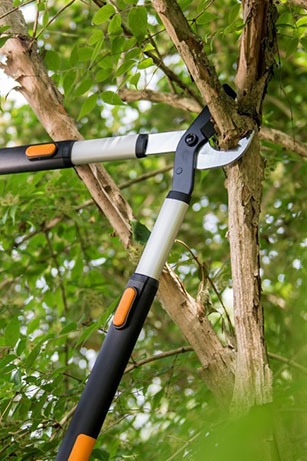
- Bypass vs Anvil Cutting: Bypass secateurs and loppers have two curved blades that slide past each other like scissors, ideal for clean cuts on living wood. Anvil cutters have a single blade that closes onto a flat surface, better suited for dead wood but can crush living stems.
- Mulching Function: A lawnmower feature that finely chops grass clippings and returns them to the lawn as natural fertiliser, eliminating the need for collection and disposal whilst improving soil health and reducing waste.
- Cutting Width/Deck Size: The width of the cutting blade or deck on mowers and trimmers, typically measured in centimetres. Wider cutting widths cover more ground quickly but are less manoeuvrable in tight spaces and narrow pathways.
- Two-Stroke vs Four-Stroke Engines: Two-stroke petrol engines require oil mixed with fuel and are lighter but noisier. Four-stroke engines have separate oil reservoirs, run more quietly and efficiently, and comply more easily with current emissions standards.
- Hedge Trimmer Blade Gap: The space between cutting teeth, measured in millimetres. Larger gaps (20-35mm) handle thicker branches, whilst smaller gaps (12-20mm) provide finer, more precise cuts for formal hedges and topiary work.
- IP Rating: Ingress Protection rating indicating resistance to dust and water. Essential for outdoor electrical equipment exposed to British weather conditions – look for minimum IP44 for garden power tools used outdoors.
Who Uses Garden Tools?
- Professional Landscapers: Requiring heavy-duty equipment for daily commercial groundwork, garden construction and maintenance contracts
- Groundskeepers and Estate Managers: Maintaining large properties, parks, sports facilities and public gardens to exacting standards
- Tree Surgeons and Arborists: Needing specialised pruning equipment, loppers and professional-grade saws for tree care and maintenance
- Gardening Services and Maintenance Contractors: Operating mobile garden maintenance businesses serving multiple domestic and commercial clients
- Local Authority Ground Staff: Managing public spaces, verges, parks and community gardens throughout the year
- Allotment Holders: Requiring durable hand tools for vegetable cultivation, plot maintenance and seasonal growing
- Property Maintenance Companies: Providing comprehensive property care services including regular garden upkeep and landscaping
- Golf Course and Sports Ground Maintenance Teams: Managing specialist turf care and grounds maintenance to professional standards
- Homeowners and DIY Enthusiasts: Maintaining domestic gardens, lawns and outdoor spaces throughout the growing season
- Hobby Gardeners: Pursuing gardening as a leisure activity with focus on quality tools and ease of use
How to Choose the Right Garden Tools
Consider Your Garden Size and Type: Compact urban gardens require different equipment to large rural properties. Small spaces benefit from lightweight, manoeuvrable tools and compact storage solutions, whilst larger gardens justify investing in ride-on mowers, extended-reach hedge trimmers and comprehensive tool collections for efficient maintenance.
Power Source Selection: Choose between mains electric (240v), petrol-powered, or cordless battery tools. Mains electric suits smaller gardens with accessible power points, petrol provides maximum power for heavy-duty professional use, whilst modern lithium-ion battery platforms offer excellent performance without cables or emissions – increasingly popular for domestic and light commercial applications.
Ergonomics and User Comfort: Look for tools with comfortable grips, appropriate weight distribution and adjustable handles. Professional users particularly should prioritise ergonomic designs to reduce fatigue and prevent repetitive strain injuries during extended use. Telescopic handles on rakes, hoes and hedge trimmers accommodate different user heights and reduce back strain.
Build Quality and Materials: Stainless steel components resist corrosion in damp British conditions, whilst carbon steel offers durability for digging tools. Forged construction typically outlasts pressed or welded alternatives. Check for reinforced joints, comfortable cushioned grips and sealed bearings on mechanical tools.
Maintenance Requirements: Consider ongoing maintenance needs – petrol engines require regular servicing, blade sharpening is essential for cutting tools, and battery systems need proper charging routines. Professional users should factor maintenance costs and downtime into purchasing decisions when selecting equipment.
Brand Ecosystem Compatibility: If you already own cordless power tools from manufacturers like Makita, DeWalt, Bosch or Milwaukee, consider their garden tool ranges that use compatible battery platforms, reducing costs and simplifying battery management across your tool collection.
Popular Accessories
- Replacement Blades and Cutting Components: Spare blades for hedge trimmers, lawnmower blades, chainsaw chains and strimmer line for ongoing maintenance
- Extension Cables and RCDs: Outdoor-rated extension leads and safety residual current devices for mains-powered equipment operating at 240v
- Tool Sharpening Equipment: Sharpening stones, files and honing tools to maintain cutting edges on secateurs, shears and blade equipment
- Fuel and Oil: Two-stroke oil, chain oil, fuel stabilisers and engine maintenance products for petrol equipment
- Protective Guards and Covers: Weather-resistant covers for mowers, machinery and garden furniture to extend lifespan in British weather
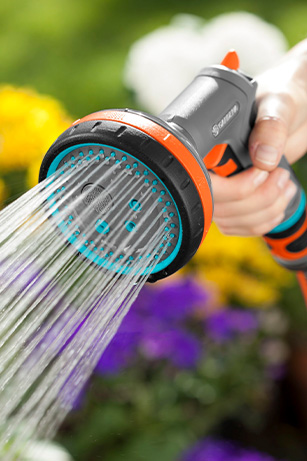
- Watering Accessories: Hose connectors, spray guns, sprinklers and irrigation timers for efficient watering systems
- Collection and Disposal: Grass collection bags, garden waste sacks and composting accessories for managing garden waste
- Battery Chargers and Spare Batteries: Additional power packs and rapid chargers for cordless tool platforms to minimise downtime
- Protective Workwear: Gardening gloves, safety glasses, ear defenders and appropriate footwear for safe working
- Tool Storage Solutions: Sheds, tool organisers and wall-mounted storage systems to protect equipment investments
Safety Information
Personal Protective Equipment: Always wear appropriate PPE including sturdy footwear, protective gloves, and safety glasses when operating garden tools. Ear defenders are essential when using petrol-powered equipment or noisy machinery, and face shields should be worn when operating strimmers and brush cutters to protect against flying debris and projectiles.
Electrical Safety: All mains-powered garden equipment should be used with an RCD (Residual Current Device) to prevent electric shock. Regularly inspect cables for damage, never use electric tools in wet conditions, and always disconnect from the mains before adjusting or cleaning. Ensure equipment meets UK electrical safety standards with proper BS 1363 plugs fitted and rated for 240v operation.
Chemical Handling: When using fertilisers, pesticides or weed killers, follow COSHH (Control of Substances Hazardous to Health) guidelines. Wear appropriate protective clothing, avoid application in windy conditions, and store chemicals securely away from children and pets. Always read product instructions thoroughly before use and dispose of containers responsibly.
Tool Maintenance and Inspection: Regularly inspect tools for damage, wear or loose components before use. Keep blades sharp – dull blades require excessive force and increase accident risk. Clean tools after use and store safely to prevent corrosion and accidental injury. Check that all guards and safety features are functioning correctly.
Safe Operating Practices: Clear the working area of debris, pets and bystanders before starting work. Never disable safety guards or interlocks on power equipment. When using ladders for hedge trimming or tree work, ensure stable positioning and consider professional assistance for work at height as defined by HSE regulations.
Frequently Asked Questions
Q: Should I choose petrol, electric or battery-powered garden tools?
A: Each power source has advantages. Petrol offers maximum power and runtime for large properties and professional use but requires more maintenance and produces emissions. Mains electric (240v) suits smaller gardens with accessible power points, offering consistent power and lower running costs. Modern battery platforms provide excellent performance without cables or emissions, ideal for medium gardens and increasingly popular for professional use, though runtime is limited by battery capacity.
Q: How often should I sharpen my garden cutting tools?
A: Secateurs, shears and loppers should be sharpened whenever you notice ragged cuts rather than clean slices – typically every few weeks during active growing seasons. Lawnmower blades benefit from sharpening 2-3 times per season for optimal cut quality. Hedge trimmer blades should be inspected regularly and sharpened or replaced when performance declines. Sharp tools require less effort, produce better results and reduce plant damage.
Q: What size lawnmower cutting width do I need?
A: For small gardens under 100 square metres, a 30-35cm cutting width is sufficient and offers good manoeuvrability. Medium gardens (100-500 square metres) benefit from 35-45cm widths balancing coverage and control. Large lawns over 500 square metres justify 45-50cm+ widths or ride-on mowers to reduce mowing time. Consider access points, obstacles and storage space alongside lawn area when selecting equipment.
Q: Are cordless garden tools powerful enough for professional use?
A: Modern high-voltage battery platforms (36V-54V) from brands like Makita, DeWalt and Milwaukee now deliver professional-grade performance suitable for landscaping contractors and grounds maintenance. Battery technology advances have significantly improved runtime and power output, making cordless increasingly viable for commercial applications. Many professionals now operate primarily cordless systems for reduced noise, zero emissions and lower maintenance compared to petrol alternatives.
Q: How can I maintain my garden tools during winter?
A: Clean all tools thoroughly, removing soil and debris. Apply light oil to metal components to prevent rust during storage. Drain fuel from petrol equipment or add fuel stabiliser. Sharpen blades and make any necessary repairs whilst tools are not in regular use. Store in a dry, frost-free location. For battery tools, store batteries at partial charge (around 50%) in moderate temperatures to maximise lifespan.
