

Guide Rails & Accessories
Pay in 3 interest-free payments on purchases from £30-2000 with  . Learn more.
 Loading...
End of content
Error - No more pages to load
About Guide Rails & Accessories
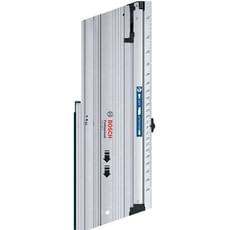
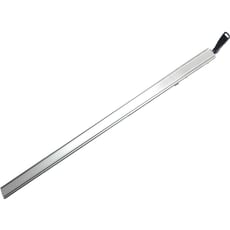
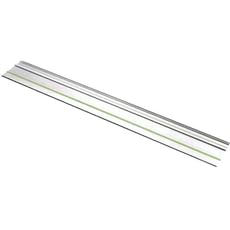
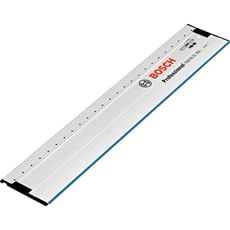
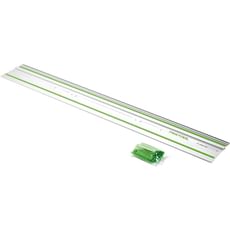
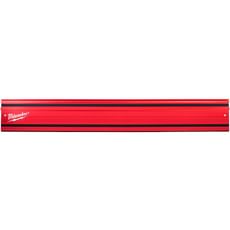
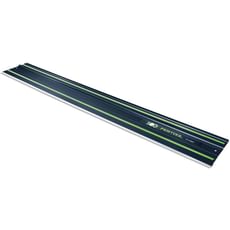
Guide rails are precision-engineered aluminium tracks that transform handheld power tools into highly accurate cutting systems, delivering workshop-grade precision in portable applications. Designed primarily for plunge saws, these tracks create perfectly straight cutting edges that eliminate guesswork from long rip cuts, cross cuts, and angled cuts in sheet materials, hardwoods, and manufactured boards. The guide rail system ensures your tool travels smoothly along a predetermined path, delivering splinter-free cuts with minimal tear-out on both edges of the workpiece. This level of accuracy traditionally required expensive stationary machinery, but modern guide rail systems bring professional results to site work and mobile applications.
Whilst plunge saws are the most common pairing, guide rails have evolved into versatile accessories compatible with circular saws, jigsaws, and routers when fitted with appropriate adaptors. Available in standard lengths from 800mm up to 3000mm, rails can be joined together using connector accessories to achieve virtually any cutting length required on site. This modular approach makes them far more practical than traditional straight edges or cumbersome site-built jigs, especially for tradespeople working across multiple locations.
The Guide Rails & Accessories category at Tooled-Up.com encompasses both the rails themselves and the extensive range of complementary products that maximise their functionality. From carry cases and storage solutions to clamps, connectors, parallel guides, and saw base adaptors, these accessories help you get the most from your investment. Leading manufacturers including Makita, Bosch, Festool, DeWalt, and Milwaukee each offer their own guide rail ecosystems, though some systems share compatibility or can be adapted to work across brands.
Jargon Buster
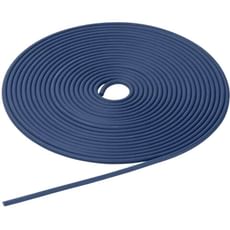
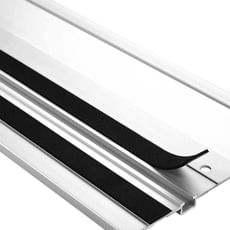
- Anti-Splinter Strip: A replaceable rubber or plastic insert along the guide rail edge that the saw blade cuts through, preventing tear-out and splintering on the top surface of the workpiece. This strip wears over time and can be replaced to maintain clean cuts.
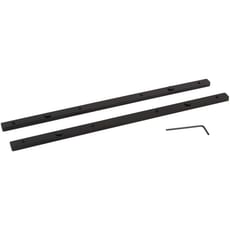
- Connector or Joining Piece: An accessory that allows two guide rails to be precisely aligned and joined together to create a longer continuous cutting length. Essential for sheet materials wider than your longest single rail.
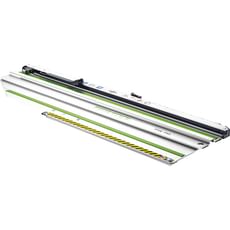
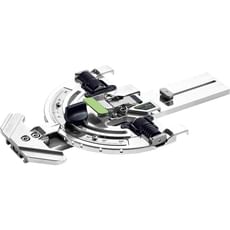
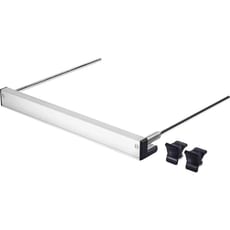
- Parallel Guide or Side Fence: An adjustable accessory that mounts to the guide rail, allowing you to position the rail at an exact parallel distance from a workpiece edge. Eliminates the need for measuring and marking when making multiple identical cuts.
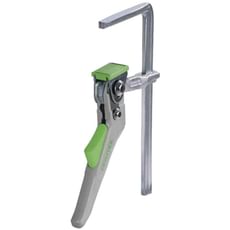
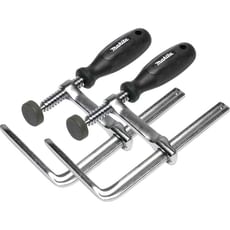
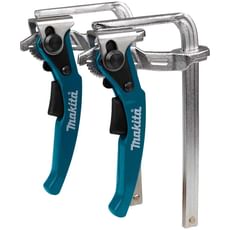
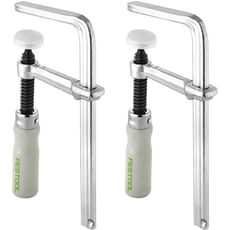
- Guide Rail Clamp: A spring-loaded or screw-operated clamp designed to secure the guide rail firmly to the workpiece, preventing movement during cutting operations. Superior to standard G-clamps as they're optimised for the rail profile.
- Cross-Compatibility: The ability of guide rails and accessories from different manufacturers to work together. Some brands use similar profiles, whilst others require specific adaptors to achieve compatibility.
- Sacrificial Edge: The soft edge material on the guide rail that the saw blade actually passes through. Protects both the blade and the workpiece whilst ensuring zero-clearance cutting for splinter-free results.
Who Uses Guide Rails & Accessories?
Guide rail systems are essential equipment for a wide range of professional tradespeople and serious DIY enthusiasts:
- Carpenters and Joiners: For precise cutting of sheet materials, hardwoods, and manufactured boards on site and in the workshop
- Kitchen Fitters: Cutting worktops, plinths, and panels with professional accuracy in customer homes
- Shopfitters and Retail Contractors: Creating clean, accurate cuts in laminated boards, MDF, and display materials
- Flooring Specialists: Trimming engineered boards, laminate, and large format panels to exact dimensions
- Bathroom Fitters: Precision cutting of moisture-resistant boards and panels in confined spaces
- General Builders: For first and second fix carpentry requiring accurate straight cuts
- Furniture Makers: Breaking down sheet materials and creating perfectly straight edges on cabinet components
- Signage Professionals: Cutting acrylic, composite panels, and substrate materials with clean edges
- Theatre and Exhibition Contractors: Site-based cutting of scenic materials and display boards
- Serious DIY Enthusiasts: Home renovators and workshop hobbyists seeking professional-quality results
How to Choose the Right Guide Rails & Accessories
Determine Compatible Systems: First establish which guide rail system matches your existing power tools. Festool, Makita, DeWalt, Bosch, and Milwaukee each have proprietary systems, though some offer cross-compatibility. If starting fresh, consider which brand ecosystem aligns with your other cordless tools to maximise battery platform benefits.
Select Appropriate Rail Lengths: Consider the typical materials you work with. A 1400mm rail suits most site work and standard sheet materials, whilst 800-1000mm rails offer greater portability. Professional shopfitters often invest in both 1400mm and 2700-3000mm options, using connectors when even longer cuts are required. Remember that rails store more easily when purchased in shorter lengths that join together.
Assess Build Quality: Premium guide rails from Festool and Mafell feature exceptionally rigid extrusions with minimal flex, whilst mid-range options from Makita, Bosch, and DeWalt offer excellent value with robust construction. Check for features like non-slip backing strips, clear measurement scales, and the quality of anti-splinter strips which affect both accuracy and cut quality.
Plan for Essential Accessories: At minimum, invest in quality guide rail clamps to secure the rail during cutting. A connector is essential if you'll join multiple rails, whilst parallel guides dramatically speed up repetitive cutting tasks. Browse the selection at Tooled-Up.com for purpose-designed carry cases that protect your investment during transport and storage, particularly important for site-based tradespeople.
Consider Cross-Tool Compatibility: If you plan to use the guide rail with tools beyond your plunge saw, verify which adaptors are available. Router adaptors, circular saw adaptors, and jigsaw bases extend the functionality significantly, effectively creating a multi-tool precision cutting system from a single guide rail investment.
Future-Proof Your Purchase: Guide rails represent a long-term investment. Choose a system from an established manufacturer with good accessory availability and support. Check that replacement anti-splinter strips and other consumable components are readily available through UK stockists.
Popular Accessories
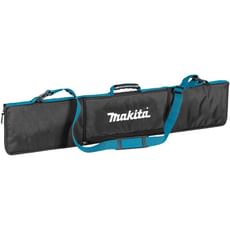
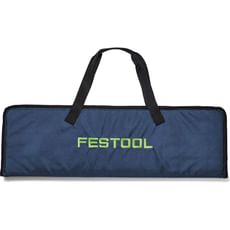
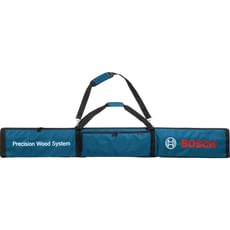
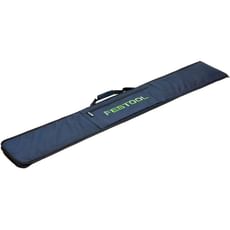
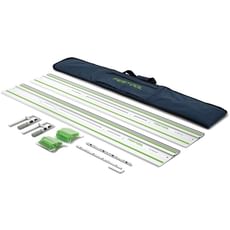
- Guide Rail Carry Cases: Protective storage solutions designed to hold one or multiple rails with space for accessories
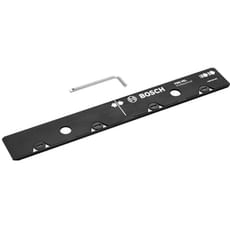
- Guide Rail Connectors: Precision alignment devices for joining two rails into a longer continuous track
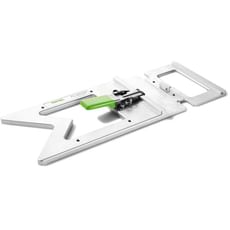
- Parallel Guides and Side Fences: Adjustable accessories for positioning rails at exact distances from workpiece edges
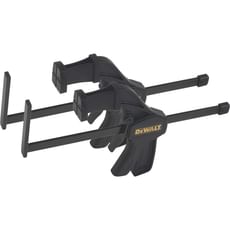
- Guide Rail Clamps: Quick-release or screw-type clamps specifically designed for guide rail profiles
- Router Adaptors: Base plates that allow routers to run along guide rails for accurate grooving and profiling
- Circular Saw Adaptors: Conversion accessories enabling standard circular saws to work with guide rail systems
- Replacement Anti-Splinter Strips: Consumable rubber or plastic inserts that maintain clean, splinter-free cutting
- Angle Guides and Protractors: Accessories for setting precise angled cuts using your guide rail
- Non-Slip Pads: Adhesive or replaceable grip strips that prevent rail movement on smooth surfaces
- Extension Stops and Measuring Accessories: Attachments for accurate repetitive cutting without marking
- Cross Cut Accessories: Square guides and stops for perfect 90-degree cross cutting
Safety Information
Secure the Rail Properly: Always use appropriate clamps to secure the guide rail to your workpiece before cutting. An unsecured or poorly secured rail can shift during operation, causing dangerous kickback or ruining the workpiece. Position clamps where they won't interfere with the saw's path.
Check Rail Condition: Before each use, inspect the guide rail for damage, distortion, or debris. A bent or damaged rail compromises cutting accuracy and can cause the saw to bind or kick back. Clean the rail's underside and running surface regularly to maintain proper grip and smooth operation.
Maintain Awareness of Saw Position: The guide rail obscures your direct view of the cutting line. Always be aware of where the blade will exit the material and ensure no obstructions, clamps, or body parts are in the blade path. Support long workpieces properly to prevent binding or dropping as the cut completes.
Wear Appropriate PPE: Always use safety glasses or goggles when operating power tools on guide rails. Hearing protection is essential, particularly in enclosed spaces. Dust extraction should be connected whenever possible to minimise airborne particles – guide rail saws produce significant dust even with sharp blades.
Follow HSE Guidelines: Professional users must conduct risk assessments for cutting operations and ensure all equipment is properly maintained. Keep power tool user manuals accessible and ensure anyone using guide rail systems has received appropriate training in their safe operation.
Frequently Asked Questions
Can I use guide rails from different manufacturers together?
Some guide rails share similar profiles and may work across brands, but this isn't guaranteed. Festool and Makita rails, for example, have some compatibility, whilst other manufacturers use proprietary profiles. However, your saw or tool must have the correct base designed for that specific rail profile. Always verify compatibility before purchasing, as mixing systems can compromise accuracy and safety. Some third-party manufacturers produce universal adaptors, but results vary.
What length guide rail should I buy first?
For most tradespeople and DIYers, a 1400mm guide rail offers the best balance of versatility and portability. This length handles standard sheet material cuts (1220mm boards with room for saw positioning) whilst remaining manageable on site. If you primarily work with smaller materials or in confined spaces, an 800-1000mm rail provides excellent manoeuvrability. You can always add longer rails or use connectors later as needs evolve.
Do I need a plunge saw or can I use my existing circular saw?
Whilst purpose-designed plunge saws offer the best experience with guide rails, you can use a standard circular saw with the appropriate adaptor if one is available for your saw model. However, plunge saws provide superior dust extraction, better visibility, cleaner plunge cutting capability, and bases specifically designed for guide rail use. If you regularly cut sheet materials, investing in a plunge saw and guide rail system delivers significantly better results than adapting a circular saw.
How do I maintain the anti-splinter strip on my guide rail?
The anti-splinter strip wears naturally as your saw blade cuts through it. To maximise its life, only cut through it when necessary – position the rail so cuts occur slightly inboard when possible. When you notice increased splintering or tear-out on workpiece edges, it's time to replace the strip. Most manufacturers offer replacement strips as consumable items. Installation typically involves removing the old strip and pressing or adhering the new one into the channel along the rail edge.
Can guide rails be used for angled or bevelled cuts?
Yes, guide rails excel at angled and bevelled cuts. The rail maintains a straight cutting line whilst your plunge saw or circular saw is tilted to the desired bevel angle (typically up to 45 degrees). This combination of straight tracking with angled cutting is particularly useful for creating chamfers, mitred edges, and compound angles that would be extremely difficult to achieve freehand. Some systems offer dedicated angle guides and protractor accessories for setting precise angles relative to the workpiece edge.