

Hand Cleaners & Wipes

Pay in 3 interest-free payments on purchases from £20-£3000 with  . Learn more.

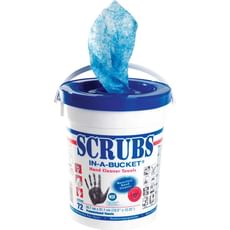
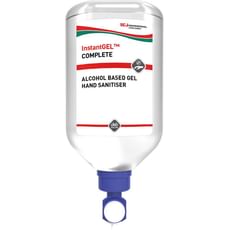
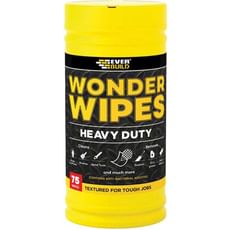
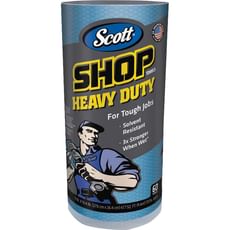


 Loading...
End of content
Error - No more pages to load
About Hand Cleaners & Wipes
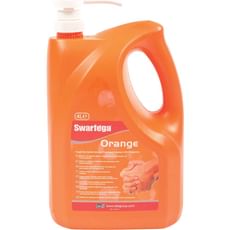
Professional hand cleaners and wipes are indispensable for tradespeople, engineers, mechanics, and DIY enthusiasts who regularly handle stubborn contaminants like oil, grease, paint, adhesives, and industrial grime. Unlike standard household soap, specialist hand cleaners are formulated with powerful yet skin-safe ingredients designed to break down persistent substances whilst remaining gentle enough for multiple daily uses. Available in pump dispensers, tubs, sachets, and pre-moistened wipes, these products ensure effective hand hygiene both on-site and in the workshop.
The range available at Tooled-Up.com encompasses both waterless and water-activated formulations, with many products containing natural scrubbing agents such as pumice, cornmeal, or citrus extracts to provide mechanical cleaning action alongside chemical degreasing. Modern hand cleaners often include skin conditioners, moisturisers, and protective agents to prevent the drying and cracking that can result from repeated washing throughout a working day. For maximum convenience, industrial-strength hand wipes offer a portable, no-water-needed solution perfect for mobile tradespeople, vehicle workshops, and remote site work where washing facilities may be limited or unavailable.
Whether you're a mechanic dealing with engine oil, a decorator removing adhesive residue, or a builder washing off cement dust, having the right hand cleaning products readily available isn't just about comfort—it's a health and safety requirement. Many substances encountered on building sites and in workshops can be harmful if left on skin, making effective hand cleaning a COSHH compliance necessity for numerous professional environments. Proper hand hygiene helps prevent occupational dermatitis and ensures tradespeople can maintain skin health despite daily exposure to harsh contaminants.
Jargon Buster
- Pumice: A naturally occurring volcanic rock used in ground form as an abrasive agent in heavy-duty hand cleaners. The fine particles provide mechanical scrubbing action to lift ingrained dirt and grime without damaging skin tissue.
- Waterless Hand Cleaner: Formulations that don't require water or rinsing, using solvents and emulsifiers to break down contaminants which are then wiped away. Ideal for mobile work, site portacabins, and locations without washing facilities.
- Skin Conditioner: Ingredients such as lanolin, glycerin, or aloe vera added to hand cleaners to replace natural oils stripped during cleaning, helping prevent dry, cracked hands that are prone to dermatitis.
- Heavy-Duty vs Light-Duty: Heavy-duty cleaners contain stronger solvents and abrasives for removing oil, tar, and resin, whilst light-duty options are gentler formulations suitable for less stubborn dirt like dust and light grease.
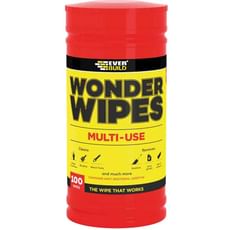
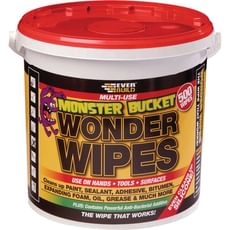
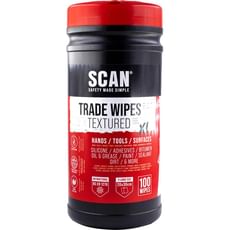
- Industrial Wipes: Pre-moistened disposable cloths impregnated with cleaning solution, offering convenience and portion control. Often individually wrapped or supplied in tubs for workshop dispensers.
- pH-Balanced: Formulations designed to match the natural pH of human skin (around 5.5), reducing irritation and helping maintain the skin's protective acid mantle during frequent washing.
Who Uses Hand Cleaners & Wipes?
Professional hand cleaners and wipes are relied upon daily by a wide range of trades and industries:
- Mechanics and Vehicle Technicians: Removing engine oil, grease, brake fluid, and transmission fluid
- Plant Engineers and Fitters: Cleaning hydraulic oil, cutting fluids, and industrial lubricants
- Painters and Decorators: Removing paint, varnish, sealant, and adhesive residues
- Builders and General Labourers: Washing off cement, mortar, concrete dust, and bitumen
- Plumbers and Heating Engineers: Cleaning flux, soldering paste, jointing compound, and general grime
- Electricians: Removing cable lubricant, thermal compound, and installation debris
- Carpenters and Joiners: Cleaning wood stains, preservatives, adhesives, and fine sawdust
- Agricultural Workers: Dealing with diesel, hydraulic fluid, pesticides, and organic matter
- Factory and Warehouse Staff: General industrial cleaning and maintaining hygiene standards
- DIY Enthusiasts: Anyone undertaking home improvements, vehicle maintenance, or workshop projects
How to Choose the Right Hand Cleaners & Wipes
Contaminant Type: Match the cleaner strength to what you're removing. Oil and grease require solvent-based formulations, whilst lighter dirt may only need mild detergent-based cleaners. Silicone, resin, and adhesives often need specialist formulations with enhanced dissolving capabilities.
Abrasive Level: Heavy-duty cleaners with pumice or other scrubbing agents are excellent for ingrained dirt but shouldn't be used unnecessarily. Light-duty cleaners without abrasives are better for frequent washing and sensitive skin, reducing the risk of irritation.
Facility Availability: If you have access to running water, traditional paste or gel cleaners offer the most thorough cleaning. For mobile work, vehicles, or site cabins, waterless cleaners and wipes provide maximum convenience without compromising effectiveness.
Skin Sensitivity: Those prone to dermatitis or with sensitive skin should prioritise pH-balanced formulations with added moisturisers and skin conditioners. Look for products that are dermatologically tested and free from harsh fragrances or unnecessary additives.
Dispenser Format: Workshops benefit from wall-mounted dispensers with large refill containers for economy. Mobile tradespeople might prefer smaller tubs, tubes, or sachet packs. Wipe tubs and individual sachets suit vehicle cabs and site bags perfectly.
Frequency of Use: For all-day use requiring multiple washes, invest in quality formulations with skin protection. Cheap cleaners may work initially but can cause skin problems with repeated exposure, potentially leading to occupational dermatitis and time off work.
COSHH Compliance: In commercial environments, ensure products come with proper safety data sheets and comply with workplace health and safety requirements, particularly if removing potentially hazardous substances covered by HSE regulations.
Popular Accessories
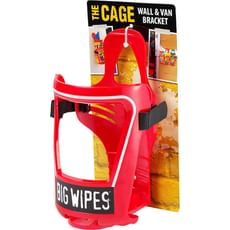
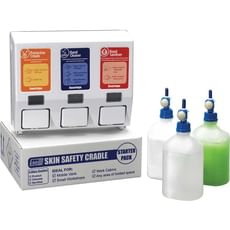
- Wall-Mounted Dispensers: Brackets and pump units for workshop installation of bulk hand cleaner containers
- Barrier Creams: Pre-work skin protection that creates a barrier against contaminants, making subsequent cleaning easier
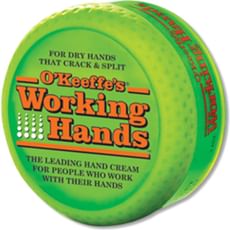
- Moisturising Creams: Post-work hand creams to restore moisture and repair dry or cracked skin
- Nail Brushes: Stiff-bristled brushes designed for cleaning under fingernails and around cuticles
- Paper Towel Dispensers: Wall-mounted units for drying hands hygienically in workshops
- Disposable Gloves: Nitrile or latex gloves offering primary protection against contaminants
- Workshop Aprons: Protective workwear from brands like Portwest and Scruffs to minimise skin contact with contaminants
- First Aid Kits: Essential backup for any cuts or abrasions that may occur during manual work
Safety Information
Always read product labels and safety data sheets before use, particularly when working with heavy-duty industrial cleaners. Whilst formulated for skin contact, hand cleaners should never be ingested or used near eyes—rinse immediately with water if accidental contact occurs. Some formulations contain solvents or fragrances that may cause allergic reactions in sensitive individuals; discontinue use if irritation develops and consult a healthcare professional.
Store hand cleaners in their original containers away from direct sunlight and extreme temperatures. Keep lids firmly closed to prevent drying out and contamination. In workplace settings, ensure products are COSHH-assessed and appropriate training is provided to all staff. Never use white spirits, petrol, or other harsh solvents directly on skin as alternatives to proper hand cleaners—these can cause severe dermatitis and long-term skin damage.
HSE guidance recommends implementing a complete skin care programme in workplaces where employees are exposed to skin irritants, including provision of suitable cleaning products, barrier creams, and moisturisers. Regular skin checks can identify early signs of occupational dermatitis, allowing intervention before serious conditions develop.
Frequently Asked Questions
What's the difference between waterless and traditional hand cleaners?
Traditional hand cleaners require water for rinsing and typically provide the most thorough clean, making them ideal for workshop environments with washing facilities. Waterless cleaners use solvents and are wiped off without rinsing, offering convenience for mobile tradespeople and site work where water isn't readily available. Both can be equally effective when matched correctly to the contaminant type, and many professionals keep both formats to hand.
How often should I use heavy-duty hand cleaner?
Use heavy-duty formulations only when necessary to remove stubborn contaminants like oil, tar, or resin. For lighter cleaning throughout the day, switch to a mild or medium-duty cleaner to reduce skin stress. Over-use of abrasive cleaners can strip natural oils and damage the skin's protective barrier, potentially leading to dermatitis. Consider barrier creams for additional protection if you're washing hands more than five or six times daily.
Can I use hand wipes instead of washing with cleanser?
Industrial hand wipes are excellent for convenience and quick cleaning, particularly for mobile work or when water isn't available. However, for heavily contaminated hands or end-of-day cleaning, traditional washing with hand cleaner and water typically provides more thorough results. Many professionals browsing Tooled-Up use wipes for interim cleaning and proper hand cleaner for final wash-up at day's end.
Why do my hands get dry and cracked despite regular cleaning?
Frequent washing strips natural oils from skin, particularly when using heavy-duty cleaners. Choose pH-balanced formulations with added moisturisers and skin conditioners, and always apply a quality hand moisturiser after washing. Consider using barrier cream before work to provide additional protection. If problems persist, consult an occupational health professional as you may be developing occupational dermatitis that requires medical intervention.
Are hand cleaners safe for use with septic tanks?
Most modern hand cleaners are biodegradable and septic-safe, but check individual product specifications if you have a septic system. Waterless cleaners that are wiped off rather than rinsed don't enter drainage systems at all. Avoid disposing of large quantities of heavily contaminated wipes down toilets, as the removed contaminants rather than the wipes themselves may affect septic bacteria and system performance.