
Hard Hats

Pay in 3 interest-free payments on purchases from £20-£3000 with  . Learn more.
Loading...
End of content
Error - No more pages to load
About Hard Hats
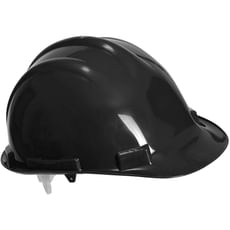
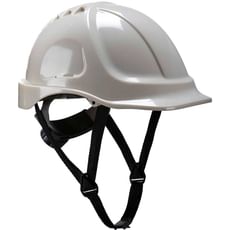
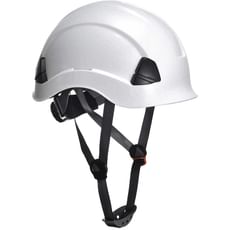
Hard hats are essential personal protective equipment (PPE) designed to safeguard your head from falling objects, debris, and impacts on construction sites, industrial facilities, and anywhere overhead hazards exist. Modern safety helmets have evolved significantly from basic designs, now incorporating advanced features such as ventilation systems, adjustable ratchet headbands for improved comfort during extended wear, and compatibility with accessories like visors, ear defenders, and chin straps. The range at Tooled-Up includes standard safety helmets meeting EN397 standards, specialist mountaineer-style helmets for working at height, full brim designs for enhanced sun and rain protection, and glow-in-the-dark models for low-light environments.
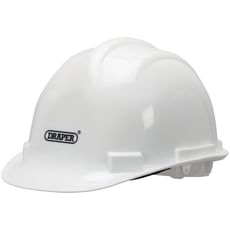
Tooled-Up.com stocks a comprehensive selection of safety helmets from trusted manufacturers including Portwest, Scan, Sirius, Draper, Handy, and Sealey, ensuring you'll find the right head protection to meet HSE requirements and keep you safe on the job. The collection includes options ranging from the economical Draper EN397 Hard Hat Safety Helmet to the advanced Portwest Height Endurance Mountaineer Helmet, all manufactured to rigorous British and European safety standards. Whether you need a basic cap-style helmet for general site work or a fully-featured design with integrated accessory slots, there's a solution suited to every application.
Whether you're a site manager needing to kit out your entire team, a self-employed tradesperson requiring reliable head protection, or a DIY enthusiast tackling home renovation projects, selecting the right hard hat is crucial. The variety of styles, adjustment mechanisms, and additional features available means there's a helmet suited to every application, climate, and personal preference whilst maintaining the highest safety standards required on UK work sites. All hard hats feature impact-tested, high-density polyethylene shells with fully adjustable head harnesses designed for all-day comfort and protection.
Jargon Buster
- EN397 Certification: The European standard that specifies physical and performance requirements for industrial safety helmets, including impact absorption, penetration resistance, and flame resistance. This is the minimum standard required for hard hats on most UK construction sites and ensures your helmet has passed rigorous testing for protection against falling objects and lateral deformation.
- Ratchet Suspension: An internal headband adjustment system featuring a wheel mechanism that allows you to fine-tune the fit of your helmet quickly and easily, ensuring comfort and security during wear. The Portwest Expertbase Wheel Ratchet Safety Helmet exemplifies this system, offering superior adjustment compared to pin-lock systems.
- Ventilation: Strategically placed vents or slots in the helmet shell that allow air circulation to reduce heat build-up and perspiration, particularly important for extended wear in warm conditions or during physically demanding work. Vented models maintain EN397 certification whilst providing enhanced comfort.
- Full Brim vs Cap Style: Full brim helmets feature a continuous rim around the entire helmet providing 360-degree protection from sun and rain, whilst cap-style helmets have a peak at the front only, similar to a baseball cap, offering a more compact profile that's ideal for confined spaces.
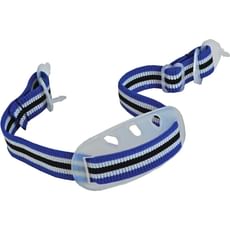
- Chin Strap: A textile strap that fastens under the chin to secure the helmet firmly in place, essential for working at height or in windy conditions where dislodgement could occur. Many models like the Scan Deluxe Safety Helmet include integrated chin strap systems.
- Slot System: Pre-drilled holes or slots in the helmet shell designed to accept compatible accessories such as ear defenders, face shields, and headlamps without compromising the structural integrity of the hard hat. The Portwest Endurance range features comprehensive slot systems for maximum versatility.
Who Uses Hard Hats?
Hard hats are mandatory PPE across numerous trades and industries where head injury risks exist:
- Construction Workers: Bricklayers, labourers, site managers, and general builders working on sites with overhead hazards and falling object risks
- Electricians and Sparkies: Working in commercial and industrial settings where head protection is required, particularly in plant rooms and during installation work
- Scaffolders: Requiring helmets with chin straps for working at height, often choosing mountaineer-style designs for enhanced security
- Roofers: Protecting against falls and dropped materials when working on roofing projects, often preferring lightweight vented designs
- Demolition Crews: Working in high-risk environments with falling debris and structural collapse hazards
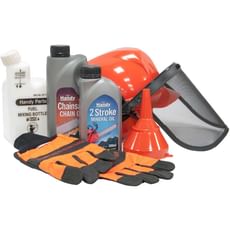
- Arborists and Tree Surgeons: Requiring specialist helmets compatible with chainsaw PPE systems, face shields, and ear defenders
- Warehouse and Logistics Staff: Operating in facilities with forklift traffic, stacked materials, and overhead storage systems
- Engineers and Maintenance Teams: Accessing plant rooms, industrial machinery, and confined spaces in manufacturing and facilities management
- Utility Workers: Employed by gas, water, and electrical utility companies working on infrastructure projects
- DIY Enthusiasts: Undertaking major home renovation projects involving overhead work, demolition, or tree felling
How to Choose the Right Hard Hats
Selecting the appropriate hard hat depends on several key factors relating to your specific work environment and requirements:
Safety Standards: Ensure your helmet meets EN397 as a minimum for industrial use. All hard hats available from Tooled-Up carry CE and UKCA approval, confirming they meet British safety requirements. If working at height or in specialist environments, check whether EN12492 (mountaineering-style) or additional certifications are required by your risk assessment.
Comfort and Fit: Look for helmets with ratchet suspension systems that allow precise adjustment for different head sizes and shapes. The Portwest Endurance range features ergonomic designs with comfortable headbands for all-day wear. Consider the weight of the helmet if you'll be wearing it for extended periods – lighter models reduce neck strain during long shifts.
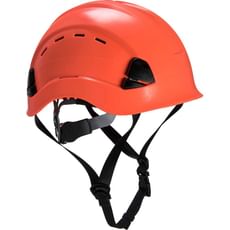
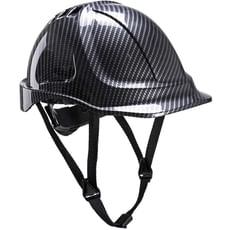
Ventilation Needs: If working in warm environments or undertaking physically demanding tasks, vented safety helmets help reduce heat stress and improve comfort through increased airflow. The Portwest Height Endurance Vented Safety Helmet offers excellent ventilation without compromising protection, ideal for summer site work or hot climates.
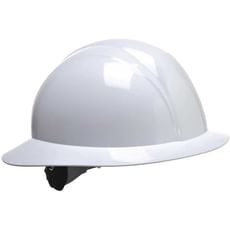
Environmental Conditions: Full brim helmets like the Portwest Full Brim Hard Hat offer superior protection from sun and rain compared to cap-style designs, making them popular with outdoor workers. For low-light or night work, consider glow-in-the-dark models such as the Portwest Glowtex Endurance helmet for enhanced visibility and safety.
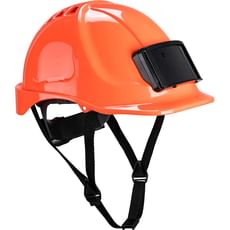
Accessory Compatibility: Check whether you'll need to attach ear defenders, face shields, or headlamps to your helmet. Look for models with integrated slot systems and ensure accessories are from compatible manufacturers for guaranteed fitment. The Portwest Endurance Badge Holder Safety Helmet offers multiple accessory mounting points.
Colour Coding: Many sites use helmet colours to denote different roles or seniority – white for supervisors, yellow for general operatives, orange for visitors. Check your site's requirements before purchasing, as most models are available in multiple colour options.
Durability and Replacement: Hard hats degrade over time through UV exposure and general wear. Check manufacturer guidelines, but typically helmets should be replaced every 3-5 years from the date of manufacture, or immediately after any significant impact, even if no visible damage is apparent.
Popular Accessories
Enhance the functionality and protection level of your hard hat with these complementary accessories:
- Chin Straps: Essential safety equipment for securing helmets when working at height or in windy conditions, required by HSE working at height regulations
- Sweatbands: Absorbent fabric strips that attach to the internal suspension for improved comfort and hygiene during extended wear
- Ear Defenders: Clip-on hearing protection that integrates seamlessly with helmet slot systems for combined head and hearing protection
- Face Shields and Visors: Mesh or clear plastic shields for comprehensive eye and face protection during grinding, strimming, or chainsaw work
- Safety Goggles: Worn underneath hard hats for additional eye protection when face shields aren't required
- Helmet Lights and Headlamps: Hands-free illumination for working in dark environments, confined spaces, or during winter months
- High-Visibility Covers: Reflective covers that slip over helmets to improve visibility during roadside work or night operations
- Badge Holders: For displaying CSCS cards, identification, or certification cards required on many UK construction sites
- Winter Liners: Insulated padding that fits inside helmets for cold weather working conditions without compromising fit
- Replacement Suspension Systems: Internal headbands and cradles that should be replaced annually to maintain comfort and safety
Safety Information
Proper use and maintenance of hard hats is critical to ensuring they provide the protection you rely on. The HSE mandates that employers provide suitable head protection where there is a risk of head injury from falling objects, striking fixed objects, or electrical hazards, and users must ensure helmets are worn correctly at all times in designated areas.
Pre-Use Inspection: Before each use, examine your hard hat thoroughly for cracks, dents, chemical damage, or excessive wear. Check that the suspension system is intact, correctly adjusted, and functioning properly. Pay particular attention to the shell for any hairline cracks, especially around mounting points. Any helmet that has sustained an impact must be replaced immediately, even if no visible damage is apparent, as the shell's protective properties may be compromised and unable to withstand a second impact.
Correct Fitting: Adjust the internal suspension so the helmet sits squarely on your head with approximately 25-30mm clearance between your head and the shell – this gap is crucial for impact absorption. The helmet should be level on your head, not tilted back, and feel secure without being uncomfortably tight. The headband should rest comfortably around your forehead about 25mm above your eyebrows. Always use chin straps when working at height as required by working at height regulations, and ensure the strap is properly adjusted to prevent the helmet from dislodging.
Cleaning and Storage: Clean helmets regularly using only mild soap and warm water – harsh chemicals, solvents, or petroleum-based products can degrade the high-density polyethylene shell material and compromise its protective properties. Rinse thoroughly and allow to air dry naturally. Store helmets in a cool, dry location away from direct sunlight, heat sources, and chemicals. Never store heavy objects on top of helmets as this can cause deformation that weakens the shell. Avoid leaving helmets in vehicle rear windows where they'll be exposed to concentrated sunlight.
Replacement Schedule: Even without obvious damage, hard hat shells degrade over time due to UV exposure, temperature extremes, and general wear. Follow manufacturer guidelines, but generally replace helmet shells every 3-5 years from the date of manufacture (not first use). The suspension system typically requires replacement every 12 months as the webbing and headband materials deteriorate faster than the shell. Record the date of first use inside your helmet using a permanent marker to track its service life. Check the manufacturer's date stamp – usually moulded into the shell – to determine the helmet's age.
Frequently Asked Questions
What's the difference between a hard hat and a safety helmet?
These terms are used interchangeably in the UK to describe the same product. Both refer to protective headwear meeting EN397 standards designed to protect against falling objects, impacts, and penetration from sharp objects. Some people use "hard hat" to describe traditional cap-style designs and "safety helmet" more broadly, but there's no official distinction between the terms in British safety regulations. All models provide the same level of certified protection regardless of what they're called.
Can I drill holes in my hard hat to add extra ventilation?
Absolutely not. Drilling, cutting, painting, or modifying a hard hat in any way will immediately void its safety certification and significantly compromise its protective capabilities by creating weak points in the shell. You also cannot apply stickers or adhesives that might chemically react with the polyethylene material. If you need better ventilation, purchase a helmet specifically designed with integrated vents that maintain EN397 certification, such as the vented models in the Portwest range which provide airflow without compromising protection.
How often should I replace my hard hat?
Most manufacturers recommend replacing the helmet shell every 3-5 years from the date of manufacture (check the moulded date stamp inside), and the internal suspension system should be replaced annually as it degrades faster than the shell. However, you must replace your hard hat immediately if it sustains any impact – even a minor one – shows visible damage like cracks or dents, has been dropped from height, or has been exposed to chemicals or extreme temperatures. When in doubt, replace it – your head isn't worth the risk of relying on compromised protection.
Are hard hats required for all construction work?
The HSE doesn't mandate hard hats for every single construction activity, but they are required wherever there's a reasonable risk of head injury from falling objects, striking fixed objects, or electrical hazards. Site-specific risk assessments determine PPE requirements, and the vast majority of construction sites implement blanket hard hat policies in designated areas for comprehensive protection. Failure to wear required head protection can result in being removed from site and may affect insurance coverage in the event of an injury.
Can I wear a hard hat over a beanie or baseball cap?
No, you should never wear anything underneath your hard hat except accessories specifically designed for helmet use, such as manufacturer-approved winter liners that are designed to work with the suspension system. Wearing beanies, baseball caps, or other headwear interferes with the suspension system's ability to absorb impacts and prevents the helmet from fitting correctly with the required 25-30mm clearance, significantly reducing its protective effectiveness. In cold weather, choose a hard hat with an integrated winter liner or purchase compatible thermal accessories designed for use with safety helmets.