

Hats
Pay in 3 interest-free payments on purchases from £30-2000 with  . Learn more.

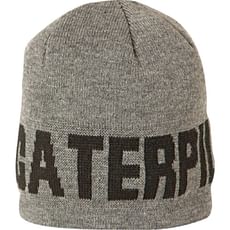
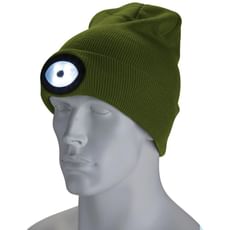
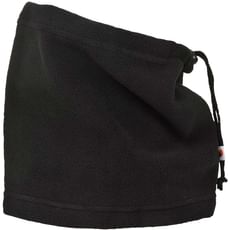
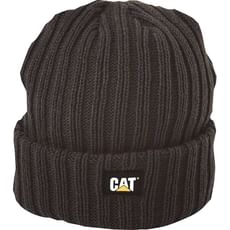
 Loading...
End of content
Error - No more pages to load
About Hats
Professional work hats represent an essential category of personal protective equipment and comfort wear for tradespeople working across diverse environments throughout the UK. The selection at Tooled-Up.com encompasses everything from flame-resistant balaclavas and welding hoods engineered for high-hazard workplaces to innovative LED beanie hats that provide hands-free illumination for electricians and mechanics working in poorly lit spaces. Whether facing harsh winter conditions on outdoor construction sites, operating in cold storage facilities, or requiring specialist thermal protection combined with advanced safety features, the right headwear significantly impacts both comfort and workplace safety throughout extended shifts.
Modern work headwear has evolved considerably beyond basic thermal insulation. Today's professional hats incorporate advanced materials including flame-resistant fabrics meeting BS EN ISO standards, anti-static properties essential for electronics work and explosive atmospheres, and anti-microbial treatments that maintain hygiene during regular wear. Leading manufacturers such as Portwest, Modaflame, and Caterpillar engineer these products specifically for demanding trade environments, with many featuring rechargeable LED head lights integrated directly into beanie designs. These innovations deliver 150+ lumens of brightness with run times of 4-8 hours, proving invaluable for plumbers accessing unlit loft spaces, mechanics working beneath vehicles, or construction professionals starting early morning site work.
Beyond specialist safety headwear, the range includes versatile options such as neck tubes, multiway scarves, and traditional knit caps from brands including Snickers and Dickies. These practical accessories withstand the rigours of daily site work whilst maintaining protective qualities through repeated washing, making them cost-effective investments for both professional tradespeople and dedicated DIY enthusiasts tackling projects in unheated workshops and garages.
Jargon Buster
- Flame Resistant (FR)
- Materials specially treated or inherently manufactured to self-extinguish when exposed to flames, meeting BS EN ISO 11612 standards for thermal protection. Essential for welders, electricians working on live systems, and anyone operating near heat sources or with flammable materials.
- Anti-Static Fabric
- Textiles engineered to prevent static electricity build-up, crucial when working with sensitive electronic equipment or in environments where electrostatic discharge could ignite flammable substances, gases, or explosive atmospheres such as petrochemical facilities.
- Balaclava
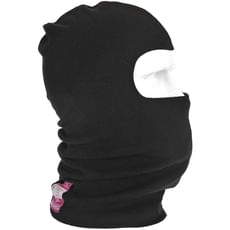
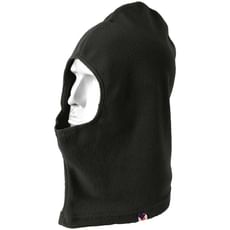
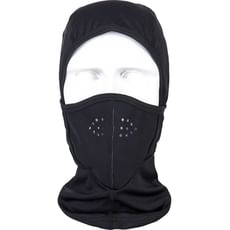
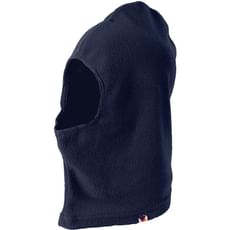
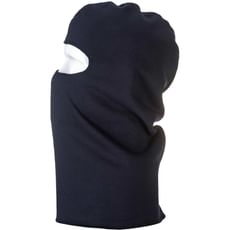
- Full head covering providing protection to the entire head, face, and neck whilst leaving eyes, nose, and mouth exposed. Available in standard thermal versions for cold weather and flame-resistant variants for hazardous work conditions, designed to fit comfortably under hard hats and welding helmets.
- Lumen Output
- Measurement of visible light emitted by LED head lights integrated into beanie hats, typically ranging from 100-300 lumens for professional work applications. Higher lumen ratings provide greater illumination for detailed tasks, with most quality models offering multiple brightness settings to extend battery life.
- Multiway Scarf/Neck Tube
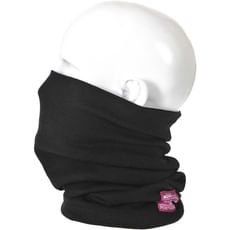
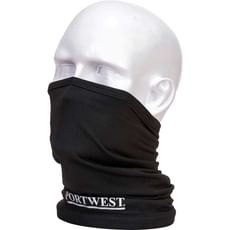
- Versatile tubular headwear worn in multiple configurations—as neck warmer, face covering, headband, or skull cap—providing adaptable protection that adjusts to changing conditions throughout the working day without requiring additional garments.
- Anti-Microbial Treatment
- Chemical treatment applied to fabric fibres that inhibits bacterial and fungal growth, reducing odours and improving hygiene when hats are worn regularly in demanding conditions or stored in damp site environments.
Who Uses Hats?
Professional work headwear serves diverse trades and industries across the UK:
- Construction Workers: Site labourers, bricklayers, scaffolders, and groundworkers requiring thermal protection during outdoor winter work and early morning starts
- Electricians: Sparkies working in poorly lit loft spaces, under-floor areas, consumer units, or attending emergency call-outs benefit from LED-equipped beanies providing hands-free illumination
- Welders and Fabricators: Professionals requiring flame-resistant hoods and balaclavas that integrate with welding helmets whilst providing critical neck and face protection from sparks and spatter
- Mechanics and Vehicle Technicians: Those working under vehicles, in engine bays, or performing mobile repairs where hands-free lighting and warmth are essential
- Plumbers and Heating Engineers: Tradespeople accessing cold loft spaces, basements, crawl spaces, and outdoor installations during winter months
- Warehouse and Logistics Staff: Workers in cold storage facilities, refrigerated distribution centres, or unheated warehouses requiring continuous thermal protection
- Landscapers and Groundskeepers: Outdoor professionals exposed to the elements year-round, particularly during early morning and winter operations
- Engineers and Maintenance Technicians: Those working in plant rooms, confined spaces, or outdoor installations requiring both thermal protection and task lighting
- Emergency Services: First responders requiring flame-resistant headwear, visibility in low-light conditions, and protection during rescue operations
- DIY Enthusiasts: Home improvers tackling projects in garages, sheds, and outdoor spaces during colder months where comfort impacts productivity
How to Choose the Right Hats
Assess Environmental Hazards: Begin by evaluating workplace risks. If you work with welding equipment, electrical systems, or near open flames, flame-resistant options from Modaflame, Bizflame, or Bizweld ranges meeting BS EN ISO standards are essential rather than optional. These provide critical protection against thermal hazards and brief flame contact. For environments with explosive atmospheres or when working with sensitive electronics, anti-static properties become non-negotiable safety requirements.
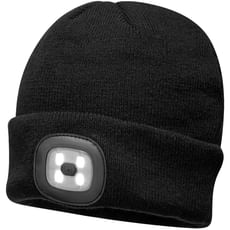
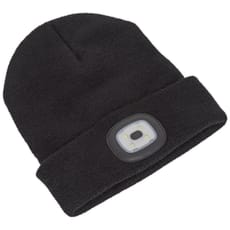
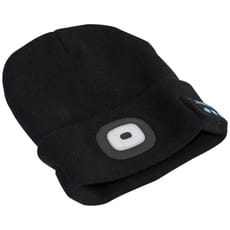
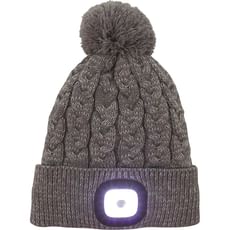
Evaluate Lighting Requirements: Consider whether integrated LED lighting would improve productivity and safety. Rechargeable LED beanie hats from Portwest, Scan, and Draper eliminate the bulk and discomfort of head torches whilst delivering 100-300 lumens of hands-free illumination. USB rechargeable models offer cost-effective, environmentally friendly operation with typical run times of 4-8 hours per charge. Models featuring multiple brightness settings allow you to balance illumination needs against battery life throughout your shift.
Select Appropriate Materials: Acrylic and wool-blend knits provide excellent thermal insulation for general outdoor work whilst remaining breathable to prevent overheating during physical tasks. For extreme cold conditions or exposed outdoor sites, consider balaclavas or cape hoods protecting neck and lower face areas. Anti-microbial treatments prove beneficial if wearing headwear for extended periods or multiple consecutive days, reducing bacterial build-up and odours that develop in damp site conditions.
Ensure PPE Compatibility: Verify your chosen hat works with other personal protective equipment. Balaclavas and hoods must fit comfortably under hard hats, welding helmets, or respirators without compromising seal integrity or stability of primary safety equipment. Low-profile designs work best in confined spaces and when wearing multiple PPE layers. Test compatibility before relying on combinations in working environments.
Consider Versatility: Multiway scarves and neck tubes offer excellent value, adapting to fluctuating conditions throughout the day. These can be quickly adjusted from full face coverage during exposed outdoor work to simple neck warmers when moving indoors or during physical tasks that generate body heat, eliminating the need to carry multiple garments.
Popular Accessories
- Safety Helmets and Hard Hats: Essential companions ensuring balaclavas and beanies fit comfortably underneath whilst maintaining proper clearance for impact protection
- High-Visibility Vests and Jackets: Complement thermal headwear with reflective outerwear for comprehensive worksite visibility during low-light conditions
- Insulated Work Gloves: Coordinate thermal protection with quality gloves for complete extremity warmth in cold environments
- Safety Glasses and Goggles: Ensure eye protection fits comfortably with balaclavas and neck tubes without compromising seal or causing fogging
- Ear Defenders and Hearing Protection: Low-profile beanie designs work effectively under or alongside hearing protection without creating uncomfortable pressure points
- USB Charging Cables and Power Banks: Keep LED-equipped hats charged throughout extended shifts or when working at remote sites without mains access
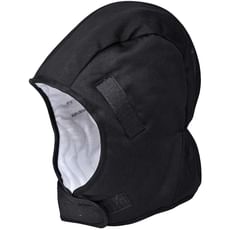
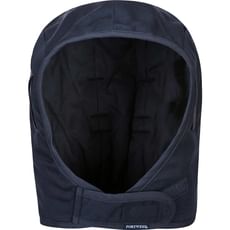
- Helmet Liners: Additional thermal layer options designed specifically for wearing under hard hats in extreme cold conditions
- Welding Helmets and Screens: Pair flame-resistant balaclavas and hoods with appropriate face protection for comprehensive coverage during hot work
Safety Information
When selecting and using work headwear, adherence to UK health and safety regulations remains paramount. The Health and Safety Executive (HSE) requires employers to provide appropriate personal protective equipment where risks cannot be adequately controlled through other means. Headwear forming part of your PPE must meet relevant British and European standards with proper certification markings.
Flame-Resistant Headwear Standards: Products marketed as flame-resistant or fire-retardant must comply with BS EN ISO 11612 or equivalent standards specific to the hazard. These garments provide protection against brief contact with flames and radiant heat but are not invincible—they require proper maintenance and replacement when damaged or contaminated. Never assume a hat provides flame protection unless it carries appropriate certification markings and accompanying documentation.
Maintenance and Inspection: Regularly inspect headwear for damage, wear, or contamination that might compromise protective properties. Flame-resistant materials lose effectiveness when contaminated with oils, solvents, greases, or flammable substances. Follow manufacturer washing instructions carefully, as improper laundering degrades protective treatments. Avoid fabric softeners, bleach, and harsh detergents. Anti-static properties may diminish over time and through repeated washing—replace as recommended by manufacturers.
LED Head Light Safety: When using beanie hats with integrated LED lighting, charge batteries using appropriate chargers connected to UK 240v mains supplies with correct fusing, or use certified USB power sources. Inspect USB cables regularly for damage, fraying, or exposed wiring. Whilst these lights prove invaluable for task illumination, they should not serve as your sole light source in hazardous environments—always carry backup illumination and maintain charged spare batteries.
Integration with Other PPE: Ensure work hats don't compromise effectiveness of primary safety equipment. Hard hats must sit correctly with proper suspension system clearance—excessively bulky headwear underneath can affect impact protection and cause helmets to sit too high or loosely. Balaclavas worn with respirators or breathing apparatus must not interfere with face seal integrity, potentially allowing contaminants to bypass filtration. When combining multiple PPE items, conduct fit testing to verify compatibility.
Frequently Asked Questions
Can I wear a beanie hat under my safety helmet on construction sites?
Yes, provided the beanie is thin enough not to compromise helmet fit and protective capability. The hard hat must still sit securely with the suspension system functioning correctly and maintaining required clearance from your head—typically 25-40mm depending on the helmet standard. Avoid excessively thick hats that force the helmet to sit too high, loosely, or at incorrect angles. Tooled-Up stocks low-profile designs from Portwest and other manufacturers specifically engineered for wearing under hard hats without compromising safety.
How do I maintain flame-resistant hats to preserve their protective properties?
Always follow manufacturer care instructions precisely, as requirements vary between inherent and treated flame-resistant fabrics. Typically, wash FR garments separately from non-FR items using mild detergent without bleach, fabric softeners, or starch, which coat fibres and reduce effectiveness. Air drying is often recommended over tumble drying at high temperatures. Never use chemical treatments or stain removers. Inspect regularly and replace immediately if fabric shows degradation, heavy contamination with oils or solvents, charring, or physical damage. Flame-resistant properties don't last forever—follow replacement schedules.
How long do rechargeable LED beanie hats last per charge?
Run times vary by model, brightness setting, and battery capacity, but quality rechargeable LED beanies typically provide 4-8 hours of continuous illumination on full charge. Models from Portwest, Scan, and Draper feature multiple brightness modes—high settings (150+ lumens) consume power faster, whilst lower settings extend battery life significantly, often to 8+ hours. USB rechargeable models generally require 2-3 hours charging from standard 240v USB adapters or computer USB ports. Cold ambient temperatures reduce battery performance, so expect shorter run times during winter use.
Are anti-static hats necessary for electrical installation work?
Anti-static headwear is primarily required in environments where static discharge poses explosion risks—petrochemical facilities, areas with flammable gases or vapours, paint spray booths, or when handling static-sensitive electronic components like circuit boards. For general electrical installation work, anti-static hats aren't typically mandatory under UK regulations, though flame-resistant properties are strongly advisable when working on live systems, in switchgear, or around electrical cabinets. Always follow your employer's risk assessment, method statements, and specified PPE requirements rather than making independent decisions about safety equipment.
What's the difference between welding balaclavas and cape hoods?
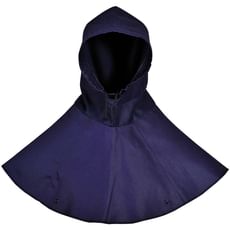
Both provide flame-resistant head and neck protection for welding operations, but differ in coverage and fit. Balaclavas offer full face coverage (except eyes, nose, and mouth) worn directly against skin as a base layer under welding helmets, providing close, secure fit that moves with your head. Cape hoods cover head, neck, and shoulders more loosely, often extending over the upper torso, and may integrate with welding jackets or leather aprons for comprehensive upper body protection. Welders choose based on personal preference, welding process (MIG, TIG, stick), position (overhead work benefits from shoulder coverage), and whether additional shoulder protection from spatter is required.