

Inverter Welders

Pay in 3 interest-free payments on purchases from £20-£3000 with  . Learn more.


 Loading...
End of content
Error - No more pages to load
About Inverter Welders
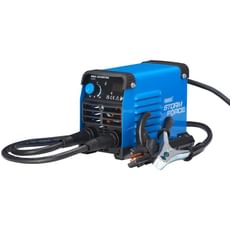
Inverter welders represent the cutting edge of modern welding technology, transforming how tradespeople and fabricators approach metalwork projects. Unlike conventional transformer-based equipment, these sophisticated machines use advanced electronics to convert 240v mains electricity into high-frequency current, delivering professional-grade performance in remarkably compact, lightweight packages. This revolutionary approach results in welders that are typically 70% lighter than traditional alternatives, whilst offering superior arc stability, enhanced energy efficiency, and exceptional portability for both workshop and site-based applications.
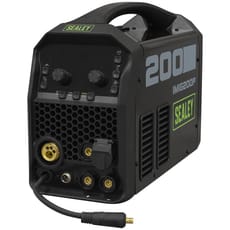
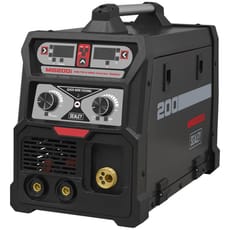
The selection at Tooled-Up.com encompasses MMA (Manual Metal Arc) inverter welders for versatile stick welding, MIG (Metal Inert Gas) units for faster production work, and sophisticated multi-process machines capable of TIG (Tungsten Inert Gas) welding. Available in amperage ratings from 120A through to 200A, these machines cater for everything from light-duty maintenance and repair tasks to demanding heavy fabrication projects. Leading manufacturers including Sealey and Draper provide reliable equipment featuring advanced technologies such as digital displays, hot start functions, arc force control, and anti-stick protection, ensuring consistent results whether working with mild steel, stainless steel, or aluminium.
Modern inverter technology has revolutionised mobile welding services and site work, with many units weighing under 10kg whilst maintaining industrial-grade performance. Multi-process capabilities allow professional fabricators to switch seamlessly between MIG, TIG, and MMA welding modes using a single machine, representing excellent value for workshops handling diverse metalwork tasks. The combination of reduced weight, improved duty cycles, and enhanced control makes inverter welders the preferred choice for agricultural engineers, automotive technicians, construction contractors, and fabrication specialists across the UK.
Jargon Buster
- MMA (Manual Metal Arc): Also known as stick welding, this robust process uses a flux-covered consumable electrode to lay the weld. Particularly effective for outdoor work and handling rusty or painted materials, making it the go-to choice for maintenance, repair, and agricultural applications where surface preparation is limited.
- MIG (Metal Inert Gas): A semi-automatic welding process feeding continuous wire electrode through a torch whilst shielding gas protects the molten weld pool. Significantly faster than MMA with cleaner results and reduced spatter, making it ideal for production work and thin materials.
- TIG (Tungsten Inert Gas): The precision welding method using a non-consumable tungsten electrode to create exceptional quality welds. Requires greater skill but produces superior results on thin materials, stainless steel, and aluminium, with minimal post-weld cleanup required.
- Duty Cycle: Expressed as a percentage indicating operational time within a 10-minute period before cooling is required. A 60% duty cycle at 160A means 6 minutes welding followed by 4 minutes rest. Professional users should prioritise higher duty cycles for sustained productivity.
- Hot Start: An intelligent feature providing additional current boost when striking the arc, preventing electrode sticking to the workpiece. Particularly beneficial for beginners and when working with larger diameter electrodes or challenging positions.
- IGBT Technology: Insulated Gate Bipolar Transistors represent the latest advancement in inverter circuitry, delivering improved efficiency, faster switching speeds, and more stable arc characteristics compared to older MOSFET designs, resulting in superior weld quality and reduced energy consumption.
Who Uses Inverter Welders?
Inverter welders serve an extensive range of professional trades and applications:
- Fabricators and welders: Workshop-based steel fabrication, custom metalwork projects, architectural metalwork, and general welding services requiring versatile equipment
- Agricultural engineers: Essential for farm machinery repairs, gate and fencing fabrication, livestock equipment maintenance, and rural engineering work in outdoor environments
- Automotive technicians: Body panel repairs, exhaust system fabrication, chassis modifications, and classic car restoration in garages and specialist workshops
- Plant and machinery fitters: On-site repair work for construction equipment, industrial plant machinery, and emergency breakdown services requiring portable solutions
- Maintenance engineers: Manufacturing facilities, utilities companies, and industrial sites requiring regular repair, modification, and fabrication capabilities
- Mobile welding services: Self-employed tradespeople offering call-out services benefit enormously from the lightweight, portable nature of inverter technology
- Construction contractors: Structural steelwork, security grilles, railings, access platforms, and site-based fabrication where portability is paramount
- Bodyshops and vehicle repairers: Accident repair centres, commercial vehicle workshops, and trailer manufacturers requiring precise, controllable welding for thin gauge materials
- DIY enthusiasts and hobbyists: Home workshop projects, garden furniture fabrication, artistic metalwork, and restoration projects requiring professional-quality results
- Educational establishments: Training centres, further education colleges, and apprenticeship schemes teaching welding skills to the next generation of tradespeople
How to Choose the Right Inverter Welders
Amperage Rating: Material thickness determines your amperage requirements. A 120-140A unit comfortably handles materials up to 6mm thick, perfectly suited for light fabrication, repairs, and DIY projects. For heavier work up to 10mm, specify 160-180A models offering increased penetration and improved duty cycles. Professional fabricators regularly working with thicker materials should consider 200A units providing maximum capacity and sustained performance for demanding applications.
Welding Process Requirements: Identify which welding processes your work demands. Single-process MMA inverters deliver excellent value for stick welding applications including maintenance, repair, and outdoor work. Multi-process machines offering MIG, TIG, and MMA capabilities provide maximum flexibility for workshops handling varied projects, though represent higher initial investment. Consider whether gasless MIG capability matters for outdoor applications where shielding gas proves impractical.
Duty Cycle Considerations: Professional users undertaking extended welding sessions should prioritise machines offering 60% duty cycles or higher at typical working amperages. This ensures thermal protection won't interrupt productivity during demanding fabrication work. Occasional users and DIY enthusiasts can manage perfectly well with lower duty cycles (20-40%), as natural breaks between welds provide adequate cooling time. Remember that duty cycle ratings improve substantially when operating at reduced amperage settings.
Portability and Construction: Mobile welding services and site-based contractors should prioritise lightweight designs—most inverter welders range from 5-15kg. Look for robust carry cases, weather-resistant construction, and convenient carry handles. Workshop-based users can focus on features and performance over portability. Check IP ratings if working in dusty fabrication shops or damp construction site environments common throughout the UK.
Features and Control Systems: Digital displays provide precise amperage adjustment and clearer readings compared to traditional analogue dials. Hot start, anti-stick, and arc force controls significantly enhance usability, particularly benefiting less experienced welders. Some models from Sealey incorporate battery charging functions, adding valuable versatility for automotive workshops and mobile maintenance services.
Brand Reputation and Support: Established manufacturers like Sealey and Draper offer comprehensive warranties, reliable after-sales support, and readily available spare parts through Tooled-Up. Consider long-term serviceability, availability of consumables, and local technical support when making your investment decision, particularly for professional applications where downtime costs money.
Popular Accessories
- Auto-darkening welding helmets: Essential eye protection featuring electronic filters that automatically adjust shade when the arc strikes, dramatically improving comfort, safety, and productivity during extended welding sessions
- Welding electrodes and rods: Stock various diameters and specifications for different materials—including general purpose 6013 and 7018 low-hydrogen rods for structural work, plus specialist electrodes for stainless steel and cast iron repairs
- MIG welding wire and shielding gas: Appropriate wire specifications (mild steel, stainless, aluminium) matched to your applications, plus gas cylinders or flux-cored wire for gasless operation in outdoor environments
- TIG consumables: Tungsten electrodes in various sizes, gas lenses for improved shielding, collets, back caps, and ceramic cups for precision TIG welding applications
- Welding gloves and protective clothing: Heat-resistant gauntlets, leather aprons, flame-retardant jackets, and specialist welding sleeves protecting against sparks, spatter, and intense UV radiation
- Earth clamps and welding leads: Heavy-duty replacement cables and upgraded earth clamps ensuring reliable electrical connections and replacing worn components for optimal performance
- Welding magnets and clamps: Positioning aids holding workpieces at precise angles (45°, 90°, 135°), dramatically improving weld quality and reducing setup time for complex assemblies
- Wire brushes and chipping hammers: Essential tools for cleaning welds, removing slag deposits, and preparing materials before welding to ensure sound fusion
- Welding trolleys and storage solutions: Mobile carts for workshop organisation, easy equipment movement, and secure storage of gas cylinders and accessories
- Fume extraction equipment: Portable extraction units and flexible arms for controlling welding fumes, particularly important for workshop environments and COSHH compliance
Safety Information
Electrical Safety: All inverter welders must connect to properly earthed 240v supplies compliant with BS 7671 wiring regulations. Always use RCD (residual current device) protection, particularly essential for site work or when operating in damp conditions common on UK construction sites. Verify your electrical installation can handle input current requirements—typically 16-32A depending on welder rating. Never operate equipment with damaged cables or plugs, and conduct regular visual inspections for wear, particularly on leads subjected to site work conditions.
Personal Protective Equipment: Welding generates intense UV and infrared radiation, molten metal spatter, and potentially toxic fumes. Always wear a welding helmet with appropriate shade rating (typically shade 10-13 for arc welding processes), heat-resistant gauntlets extending beyond the wrist, leather apron or flame-retardant overalls, and safety boots with metatarsal protection. Ensure adequate ventilation or deploy fume extraction equipment, particularly when welding galvanised materials, stainless steel, or in confined spaces—COSHH regulations mandate proper control of welding fumes in workplace environments.
Fire Prevention: Welding sparks can travel up to 10 metres and remain hot enough to ignite combustible materials for extended periods. Remove all flammable substances from the work area, keep appropriate fire extinguishers readily accessible (dry powder or CO2 types), and never weld near fuel tanks, gas cylinders, or volatile chemicals. Be particularly aware of sparks travelling through gaps in flooring or penetrating walls to adjacent areas. Allow sufficient cooling time before leaving the work area unattended, particularly important for site-based work.
Workshop and Site Safety: Maintain adequate working space free from trip hazards, particularly trailing leads and gas hoses. Use welding screens or curtains to protect others from harmful arc flash. When working on construction sites, comply fully with HSE guidelines, CDM regulations, and site-specific safety requirements including hot work permits. Never attempt welding on containers that have held flammable materials without proper purging and hot work certification. Always disconnect power before changing electrodes, adjusting settings, or performing maintenance procedures.
Frequently Asked Questions
What's the difference between an inverter welder and a traditional transformer welder?
Inverter welders employ modern electronic circuitry to convert 240v mains electricity at high frequency, making them significantly lighter (often 70% lighter), considerably more energy-efficient, and far more portable than traditional transformer welders. They provide superior arc stability, more precise amperage control, and additional features including hot start, anti-stick, and arc force adjustment. Whilst transformer welders remain incredibly robust and simple with minimal electronics to fail, inverter technology delivers substantially better performance in a more convenient package for most modern applications, particularly mobile welding services.
Can I run an inverter welder from a domestic 13A plug socket?
Many smaller inverter welders (120-140A models) can operate from standard 13A domestic sockets, though performance becomes limited at maximum output settings. Larger machines typically require 16A or 32A dedicated supplies via appropriate industrial connectors (blue CEE form sockets). Always verify the welder's input current requirements against your electrical installation capacity. Operating from undersized supplies will trip circuit breakers repeatedly and potentially damage equipment. For permanent workshop installations, consider engaging a qualified electrician to install dedicated circuits compliant with BS 7671 regulations, ensuring reliable operation and protecting your investment.
What amperage inverter welder do I need for general fabrication work?
For most general fabrication involving mild steel up to 6-8mm thick, a 160A inverter welder provides excellent versatility handling the majority of workshop tasks including structural work, repairs, and light to medium fabrication projects. Professional fabricators regularly working with thicker materials (up to 10mm) should consider 180-200A models offering increased capacity and improved duty cycles for sustained productivity. Occasional users and DIY enthusiasts will find 120-140A units perfectly adequate for typical projects including garden furniture, gates, trailer repairs, and general home workshop applications.
Do I need a multi-process welder or is MMA enough?
This depends entirely on your application requirements and working environment. MMA (stick welding) proves incredibly versatile, functions reliably outdoors in windy conditions, handles rusty or painted materials effectively, and requires minimal ancillary equipment—making it ideal for maintenance, repair, agricultural work, and site-based fabrication. However, if you regularly need to weld thin materials (under 3mm), require faster production speeds, or work frequently with stainless steel and aluminium, a multi-process machine offering MIG and TIG capabilities provides substantially greater flexibility. Consider your typical projects, material types, and whether the additional investment justifies the expanded capabilities for your specific business or workshop requirements.
How important is duty cycle when choosing an inverter welder?
Duty cycle becomes absolutely critical for professional users undertaking extended welding sessions on production work or large fabrication projects. A 60% duty cycle at 160A permits 6 minutes continuous welding in every 10-minute period before thermal protection activates, allowing the machine to cool. Professional fabricators, mobile welding services, and busy workshops should prioritise higher duty cycles maintaining productivity without frustrating interruptions. For DIY users and occasional welding tasks, lower duty cycles (20-40%) prove perfectly adequate as natural breaks between welds—for measuring, fitting, grinding, and positioning—provide sufficient cooling time. Remember that duty cycle ratings improve dramatically at lower amperage settings, so a machine rated 40% at 160A might achieve 100% duty cycle at 100A.