

Jack Planes
Pay in 3 interest-free payments on purchases from £30-2000 with  . Learn more.
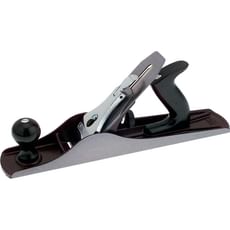
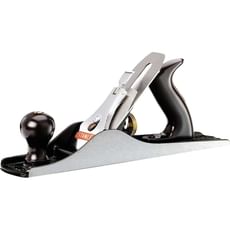
 Loading...
End of content
Error - No more pages to load
About Jack Planes
The jack plane stands as one of the most versatile and indispensable hand tools in any woodworker's collection, earning its reputation as the true workhorse of the traditional bench plane family. Typically measuring between 350-380mm (14-15 inches) in length, jack planes occupy the perfect middle ground between shorter smoothing planes and longer jointer planes, making them ideal for a comprehensive range of tasks from initial stock preparation to surface flattening and edge jointing. Their balanced size delivers excellent control whilst offering sufficient length to bridge hollows and flatten uneven timber surfaces effectively, which is why many experienced craftspeople recommend the jack plane as the first bench plane purchase for anyone serious about traditional woodworking.
The jack plane category at Tooled-Up.com features quality options from renowned manufacturers including Stanley, Record, and Faithfull, with designs that have remained largely unchanged since the 19th century – a testament to their perfectly evolved functionality. Whether you're working with softwoods or hardwoods, a quality jack plane can remove material quickly when set for a heavy cut, or produce fine shavings for finishing work when adjusted for a lighter pass. The No. 5 designation has become synonymous with jack planes, representing the standard size that balances manoeuvrability with effective cutting performance, though modern variations like low-angle jack planes offer improved performance on difficult grain patterns and end grain work.
From traditional Bailey-pattern planes with their cast iron bodies and adjustable frogs to contemporary low-angle variants offering enhanced versatility on challenging timbers, jack planes remain indispensable for both professional joiners and serious DIY enthusiasts. They're particularly valuable for dimensioning rough timber, flattening boards after initial thicknessing, and preparing surfaces before final smoothing – tasks that would be time-consuming or impractical with power tools alone, especially on site or in workshops where dust extraction and power access may be limited.
Jargon Buster
- Bailey Pattern: The classic plane design developed by Leonard Bailey in the 1860s, featuring an adjustable frog mechanism and lever cap. This remains the most common jack plane configuration, exemplified by Stanley's iconic No. 5 model and widely adopted by other manufacturers.
- Frog: The angled metal support that holds the plane iron at the correct cutting angle. An adjustable frog allows you to alter the mouth opening without removing the blade, affecting how the plane handles different timber types and grain patterns.
- Mouth: The opening in the sole through which the blade protrudes. A tighter mouth provides better support for the wood fibres directly ahead of the cutting edge, reducing tear-out on difficult grain, whilst a wider mouth permits heavier shavings during aggressive stock removal.
- Chipbreaker (Cap Iron): The curved metal piece that sits atop the cutting iron, designed to break shavings and prevent them from causing tear-out. Proper chipbreaker setup – positioning it very close to the cutting edge for fine work – is crucial for achieving clean cuts on challenging timber.
- Low-Angle Design: A plane configuration where the blade is bedded at approximately 12-15 degrees rather than the traditional 45 degrees. Combined with a bevel-up blade orientation, these planes excel at working end grain and difficult woods with interlocked or reversing grain patterns.
- Sole: The flat bottom surface of the plane that rides along the workpiece. A truly flat, well-lapped sole is essential for accurate planing and consistent results, as any twist or curvature will compromise the tool's ability to flatten timber effectively.
Who Uses Jack Planes?
Jack planes are essential tools for a diverse range of professionals and craftspeople, including:
- Joiners and Carpenters: For fitting doors, preparing timber for joinery work, and site work where power tools aren't practical or appropriate
- Cabinetmakers: Essential for fine furniture making, dimensioning hardwoods, and achieving surfaces ready for finishing without relying solely on machine planing
- Shopfitters: Useful for on-site adjustments and fitting work where precision hand tool work is required in occupied premises
- Restoration Specialists: Invaluable for heritage work on period properties where traditional methods and finishes are essential for authenticity
- Boat Builders: Particularly useful for shaping spars, planking, and working with marine timbers that may be difficult to process with machinery
- DIY Enthusiasts: Serious home woodworkers undertaking furniture projects, timber framing, or general workshop projects who appreciate the satisfaction of traditional hand tool methods
- Set Designers and Props Makers: For creating and modifying wooden components for theatre and film production where speed and adaptability are crucial
- Luthiers and Instrument Makers: For preparing tonewoods and precise dimensioning of musical instrument components where traditional methods often produce superior results
How to Choose the Right Jack Planes
Blade Width and Quality: Standard jack planes feature blades approximately 50mm (2 inches) wide. Look for planes with high-carbon steel or laminated blades that will hold an edge well. Premium models may offer thicker, harder-wearing irons that require less frequent sharpening and resist chatter when taking heavy cuts.
Body Construction: Cast iron bodies are traditional and provide excellent weight for momentum when planing, helping the tool do the work rather than requiring excessive pressure. Ensure the sole is machined flat – any twist or curvature will compromise performance significantly. Brands like Stanley, Record, and Faithfull available at Tooled-Up offer reliable cast construction that will last decades with proper care.
Adjustment Mechanisms: Quality jack planes feature both lateral adjustment levers for squaring the blade and depth adjustment wheels for precise control of cut depth. Check these mechanisms operate smoothly without excessive play or stiffness, as worn or poorly machined adjusters can make setup frustrating and imprecise.
Ergonomics: The front knob and rear tote should feel comfortable in your hands, especially if you'll be using the plane for extended periods. Traditional rosewood or beech handles develop a pleasant patina with use, whilst modern synthetic materials offer durability and consistent grip in all workshop conditions.
Standard vs. Low-Angle: Traditional 45-degree bed angles work excellently for general purpose work and most grain directions, but if you frequently work end grain or difficult timbers with interlocked grain, consider a low-angle jack plane which offers superior performance on these challenging cuts with reduced tear-out.
Budget Considerations: Entry-level planes can perform well with proper setup, blade sharpening, and sole flattening, making them suitable for occasional users or those learning traditional techniques. Professional tradespeople benefit from premium models like the Stanley Sweetheart range, which offer superior castings, precision manufacturing, and better quality irons for consistent, reliable performance straight from the box.
Popular Accessories
- Replacement Blades: Upgrade or spare irons in various steel grades, including high-carbon steel, laminated options, and premium alloys for extended edge retention
- Sharpening Stones: Essential for maintaining sharp cutting edges – waterstones, diamond plates, or oilstones in various grits from coarse grinding through to fine honing
- Honing Guides: Jigs that hold the blade at a consistent angle during sharpening, ensuring accurate bevel angles and making the sharpening process more reliable
- Plane Blade Protectors: Leather or wooden covers to protect the cutting edge during storage and transport, preventing damage and maintaining sharpness
- Lapping Plates: Precision-flat surfaces for truing plane soles and flattening the backs of plane irons, essential for optimal performance
- Winding Sticks: Parallel straightedges used in pairs to check for twist when flattening boards, helping identify high and low spots
- Tool Rolls and Cases: Protective storage solutions for keeping planes safe on site or in the workshop, particularly important for protecting cutting edges
- Camellia Oil or Tool Wax: Rust preventatives and lubricants for protecting cast iron surfaces and ensuring smooth operation, especially in damp workshop environments
Safety Information
Whilst jack planes are relatively safe hand tools compared to power equipment, proper handling practices remain important for preventing injury and achieving quality results:
Blade Handling: Plane irons are extremely sharp and should be handled with care, particularly when sharpening or adjusting. Always retract the blade fully when adjusting or storing the plane, and never leave a plane with an exposed blade on the workbench where it could cause injury if knocked or grabbed inadvertently.
Secure Workpieces: Always ensure timber is properly secured in a vice or with clamps before planing. Attempting to plane unsecured work can result in the workpiece moving unexpectedly, potentially causing injury or damaging the blade edge against the bench or vice hardware.
Body Position: Maintain a stable stance with feet apart and position yourself so the planing stroke moves away from your body. This prevents loss of balance if the plane suddenly breaks through or the workpiece moves, and keeps hands clear of the blade path.
Workshop Environment: Ensure adequate lighting to see the work surface clearly and identify grain direction properly. Maintain good housekeeping by clearing shavings regularly to prevent slipping hazards, particularly around machinery where trailing shavings could cause accidents.
Tool Maintenance: Keep all adjustment mechanisms in good working order and ensure all components are secure. A plane with loose or damaged parts may behave unpredictably and could cause injury or poor quality work requiring additional corrective passes.
Frequently Asked Questions
What's the difference between a jack plane and a smoothing plane?
A jack plane (typically No. 5, around 355mm long) is longer than a smoothing plane (No. 4, around 250mm), making it better suited for flattening larger surfaces and removing material quickly. The jack plane's length helps bridge hollows in timber effectively, whilst smoothing planes are designed for final surface finishing on already-flat boards. The jack plane is more versatile and often recommended as a first bench plane purchase, as it can handle both stock removal and reasonably fine finishing work with appropriate setup adjustments.
How should I set up a jack plane for different tasks?
For heavy stock removal and initial flattening, set a deeper cut with a slightly cambered (curved) blade edge and open the mouth wider to accommodate thicker shavings. For finer work approaching final dimensions, reduce the depth of cut significantly, close the mouth for better fibre support, and ensure the blade is set more squarely across its width. The chipbreaker should be set closer to the cutting edge (around 0.5mm) for fine work to prevent tear-out on difficult grain patterns.
Why does my jack plane tear the grain instead of cutting smoothly?
Tear-out usually indicates a blunt blade, incorrect chipbreaker position, or planing against the grain direction. First, ensure your blade is properly sharpened with a keen edge – even slight dullness causes tearing rather than cutting. Position the chipbreaker very close to the cutting edge (0.5-1mm) for difficult grain. Try planing from the opposite direction, as grain direction can be difficult to read on some timber. Take lighter cuts with a tighter mouth setting. Some highly figured timbers may require a very fine, skewed cut or a low-angle plane to avoid tear-out entirely.
Do I need to flatten the sole of a new jack plane?
Most quality planes from established manufacturers like Stanley, Record, and Faithfull arrive with reasonably flat soles, but checking flatness is worthwhile before first use. Place the plane on a known-flat surface (a sheet of glass or machined cast iron surface plate) with abrasive paper and check for high spots. Light lapping may improve performance, particularly around the mouth area where flatness is most critical. Extensive flattening is rarely necessary on new planes from reputable brands, though vintage or budget planes may require more attention to achieve optimal flatness.
Can I use a jack plane on all types of timber?
Jack planes work effectively on both softwoods and hardwoods, though setup may need adjustment between timber types. Softwoods generally plane easily but can be prone to compression and fuzzing, so keep blades very sharp and take reasonably fine cuts. Dense hardwoods require sharp blades and may benefit from lighter cuts to avoid excessive effort. Highly figured or interlocked grain timber can be challenging with standard planes – consider a low-angle jack plane or take very fine cuts with the chipbreaker set close to the edge for best results on these difficult timbers.