

Jointing Cutter Bits
Pay in 3 interest-free payments on purchases from £30-2000 with  . Learn more.
 Loading...
End of content
Error - No more pages to load
About Jointing Cutter Bits
Jointing cutter bits are precision-engineered router accessories that enable woodworkers to create strong, accurate joints in timber and manufactured boards. These specialised cutters transform a standard router into a versatile jointing machine, producing everything from traditional finger joints and dowel holes to modern biscuit joint slots. Whether you're assembling kitchen cabinets, constructing drawer boxes, or building bespoke furniture, jointing cutter bits deliver professional-quality connections that rival results from expensive dedicated machinery. The bearing-guided design ensures consistent depth and accuracy throughout each cut, making these tools essential for joiners, cabinet makers, and serious woodworking enthusiasts.
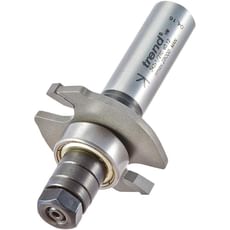
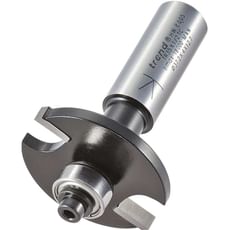
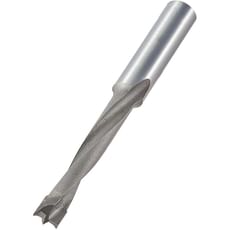
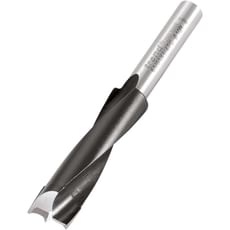
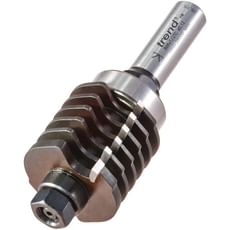
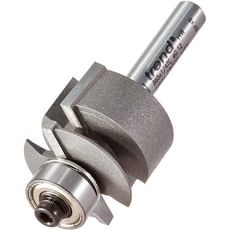
The selection available at Tooled-Up.com includes three primary types of jointing cutters, each designed for specific applications. Biscuit jointer sets create precise slots that accept compressed beech wafers, providing excellent alignment and strength for panel assembly and carcass construction. Finger jointer sets produce interlocking rectangular profiles that offer substantial gluing surface area, ideal for decorative box corners and drawer construction. Router dowel drills create accurately positioned holes for traditional dowel jointing, a reliable method favoured in furniture assembly and frame construction. Each type features carbide-tipped cutting edges for durability and sealed bearings that guide the cutter along the workpiece edge.
Trend dominates this specialist category with professional-grade offerings ranging from CRAFTPRO specifications for demanding workshop use to TRADE ranges designed for daily professional applications. These precision cutters work with routers from major brands including Makita, DeWalt, Bosch, and Festool, requiring a minimum 1200W power output and either 1/4" or 1/2" collet compatibility. Quality jointing cutter bits maintain sharpness through hundreds of joints when properly maintained, making them a worthwhile investment for anyone regularly undertaking joinery work.
Jargon Buster
- Bearing Guided – A roller bearing mounted on the cutter shaft that runs along the workpiece edge, controlling cutting depth automatically and ensuring consistent results without relying solely on fence positioning.
- Biscuit Joint – A jointing method using compressed beech wood wafers (biscuits) inserted into matching slots. When glue is applied, the biscuits expand to create strong, accurately aligned connections between components.
- Finger Joint – An interlocking joint featuring rectangular "fingers" that mesh together, also known as a comb joint. Provides substantial gluing surface area and is commonly used in box and drawer construction.
- Dowel Joint – A traditional method using cylindrical wooden pegs (dowels) inserted into precisely aligned holes drilled in mating components, creating strong mechanical connections when glued.
- Shank Diameter – The diameter of the cutter shaft that fits into the router collet, typically 6mm, 8mm, 1/4" or 1/2" in UK workshops. Must match your router's collet size for safe operation.
- Carbide Tipped – Cutting edges manufactured from tungsten carbide, an extremely hard material that maintains sharpness far longer than standard steel, essential for clean cuts in hardwoods and sheet materials.
Who Uses Jointing Cutter Bits?
- Joiners and Carpenters – Creating strong joints in door frames, window installations, timber construction projects, and general carpentry work
- Cabinet Makers – Assembling kitchen units, fitted wardrobes, bespoke cabinetry, and commercial joinery requiring professional-quality joints
- Furniture Manufacturers – Producing consistent, reliable joints in tables, chairs, chests, bedroom furniture, and other furnishing pieces
- Shopfitters – Installing retail displays, shelving systems, commercial joinery, and point-of-sale fixtures requiring precision assembly
- Restoration Specialists – Repairing antique furniture and matching traditional jointing techniques in conservation and restoration work
- Serious DIY Enthusiasts – Home woodworkers undertaking furniture building, workshop projects, and quality home improvements
- Educational Workshops – Training centres and colleges teaching traditional and modern joinery techniques to apprentices and students
How to Choose the Right Jointing Cutter Bits
Joint Type Required: Determine which jointing method best suits your project requirements. Biscuit joints excel at panel alignment and cabinet construction, offering quick assembly with excellent strength. Finger joints provide both structural integrity and visual interest for boxes and drawers. Dowel joints offer traditional reliability for furniture assembly and frame construction. Consider purchasing sets that include multiple sizes for versatility across different material thicknesses.
Router Compatibility: Verify your router's collet size and power rating before purchasing. Most jointing cutters require at least a 1/2" (12.7mm) collet and a router with 1200W or more for safe, effective operation. Larger finger jointer sets particularly demand adequate power to handle the increased cutting load. Check that your router accepts the shank diameter of your chosen cutter.
Material Quality: Professional-grade carbide-tipped cutters from manufacturers like Trend justify their investment through extended tool life and consistently clean cuts. The bearing quality matters significantly – sealed ball bearings run smoother and last longer than basic bushings, particularly important when the bearing guides every cut. Tooled-Up stocks TRADE specification cutters designed for daily professional use alongside CRAFTPRO ranges offering excellent value for regular workshop applications.
Workpiece Dimensions: Match the cutter size to your typical material thickness. Biscuit jointer sets accommodate various sizes (0, 10, 20) corresponding to different biscuit dimensions and material thicknesses. Finger jointer spacing affects both joint strength and appearance. Dowel drill sizes should match standard dowel diameters readily available from timber suppliers.
Frequency of Use: Professional tradespeople working daily should invest in TRADE specification cutters designed for durability and consistent performance under demanding conditions. CRAFTPRO ranges suit regular workshop use, whilst occasional users can achieve good results with standard precision cutters for intermittent projects.
Popular Accessories
- Wooden Biscuits – Compressed beech wafers in sizes 0, 10, and 20 for use with biscuit jointer cutters
- Dowel Pins – Hardwood cylindrical pegs in various diameters (6mm, 8mm, 10mm) for dowel jointing applications
- Router Guide Bushes – Template following accessories for precision positioning when using jointing cutters
- Router Tables – Stationary mounting systems from Makita, DeWalt, or Bosch for enhanced control during jointing operations
- Straight Edges and Clamps – Essential for accurate workpiece positioning and secure holding during routing
- Cutter Storage Cases – Protective storage to prevent damage to carbide tips and bearing surfaces
- Wood Glue – High-quality PVA adhesives specifically formulated for strong timber joints
- Extraction Hoses – Dust collection accessories compatible with your router for cleaner, safer working conditions
Safety Information
Personal Protective Equipment: Always wear safety glasses or a face shield to protect against flying chips and dust particles. Hearing protection is essential when operating routers, which commonly exceed 90dB. Avoid loose clothing, jewellery, and tie back long hair that could become entangled in rotating cutters. Consider dust masks or respirators when routing manufactured boards containing formaldehyde-based adhesives, in line with COSHH regulations applicable to UK workshops.
Tool Setup and Operation: Ensure the router is unplugged from the 240v mains supply before installing or changing jointing cutters. Tighten collets securely and verify the cutter is properly seated before operation. Never exceed the maximum safe speed marked on the cutter – larger diameter jointing bits require reduced RPM to prevent dangerous vibration or cutter failure. Always rout in the correct direction against the rotation to maintain control, typically moving from left to right on a router table or counterclockwise on external edges.
Work Area Considerations: Secure workpieces firmly with clamps – never attempt to hold timber by hand whilst routing joints. Maintain a clean work area free from obstacles and debris that could cause trips or interfere with operation. Ensure adequate lighting to see the cutting line clearly. Follow HSE guidelines for workshop ventilation, particularly when routing creates fine dust. Never remove guards or safety features from your router, and keep hands at least 150mm away from rotating cutters at all times.
Frequently Asked Questions
Can I use jointing cutter bits in a handheld router or do I need a router table?
Most jointing cutter bits work effectively in both handheld routers and router tables, though each setup offers distinct advantages. Biscuit jointers and dowel drills often work better handheld, allowing you to bring the tool to the workpiece for natural positioning. Finger jointers typically benefit from router table mounting, providing better control and safety when machining smaller components. For professional results, a powerful router (1200W minimum) with variable speed control suits both applications.
How do I know which biscuit size to use for my project?
Biscuit selection depends on material thickness and joint requirements. Size 0 biscuits suit materials 12-15mm thick, size 10 works for 15-18mm stock, whilst size 20 handles 18mm and thicker materials. The biscuit should penetrate approximately two-thirds of the material thickness. For maximum strength in thicker materials, use the largest biscuit that fits safely. Many joinery projects use size 20 as standard for 18mm cabinet-grade sheet materials commonly found in UK workshops.
Why are bearing-guided cutters better than using the router fence alone?
Bearing-guided jointing cutters provide several advantages over fence-based routing. The bearing follows the workpiece edge directly, automatically compensating for minor variations in material width or edge straightness. This ensures consistent joint depth even on irregular stock. Bearings also enable template work and curved jointing impossible with a fence. For repetitive cabinet work or furniture production, bearing guidance delivers superior consistency and reduces setup time between components.
How often should I replace jointing cutter bits?
Carbide-tipped jointing cutters from quality manufacturers like Trend typically last through hundreds of joints before requiring replacement. Signs of wear include burning on cut surfaces, increased effort required to feed material, rough edges requiring additional sanding, or chipping rather than clean cutting. Professional users might sharpen or replace cutters annually depending on usage, whilst occasional users may achieve several years of service. Clean cutters after use and store properly to maximise lifespan.
Are jointing cutter bits compatible with all router brands?
Jointing cutter bits are generally universal, provided the shank diameter matches your router's collet size. UK workshops typically use 1/4" (6.35mm) or 1/2" (12.7mm) shanks compatible with Makita, DeWalt, Bosch, Festool, and other major router brands. Always verify your collet size and ensure your router has adequate power for the specific cutter – larger jointing bits require at least 1200-1400W. Some routers accept both imperial and metric sizes through interchangeable collets, offering maximum flexibility across different cutter ranges.