

Lawnmowers & Accessories
Pay in 3 interest-free payments on purchases from £30-2000 with  . Learn more.
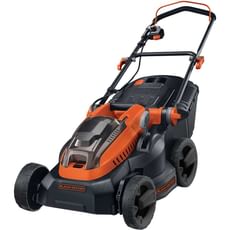
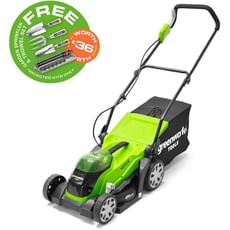
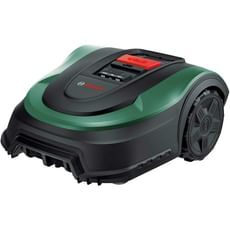
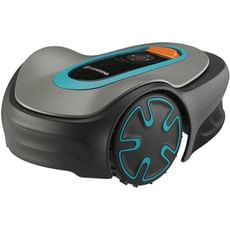
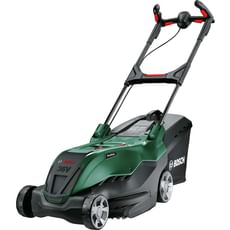
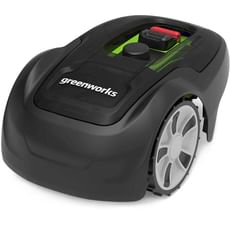
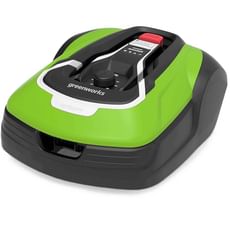
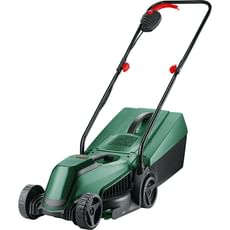
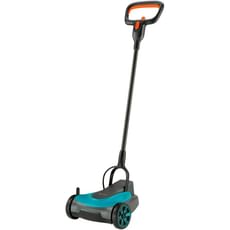
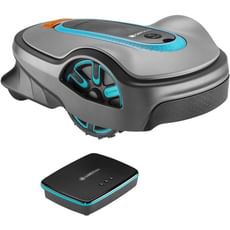
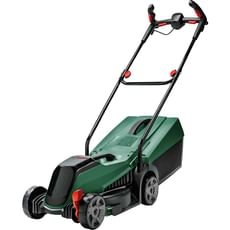
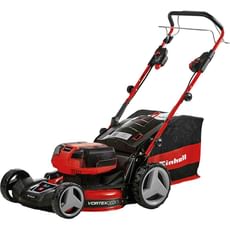
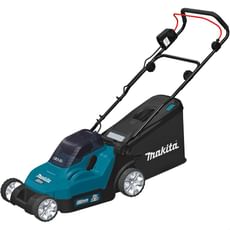
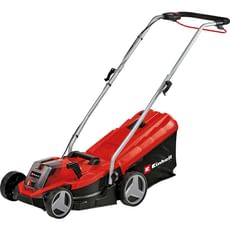
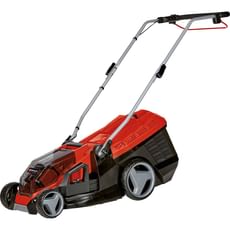
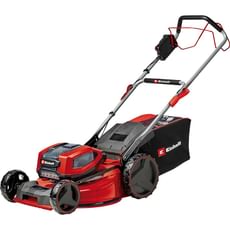
Einhell Professional GP-CM 36/47 S HW Li 36v Cordless Brushless Self Propelled Lawnmower 470mm
in stock
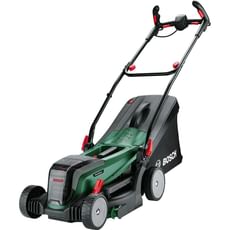
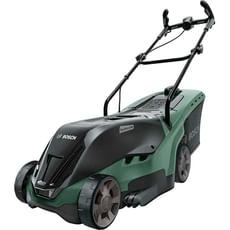
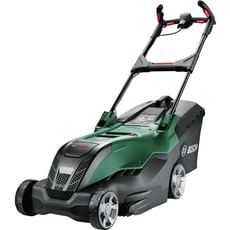
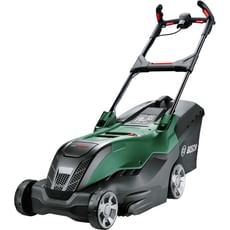
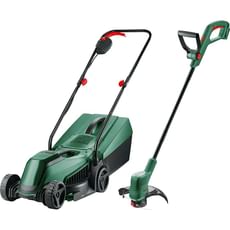
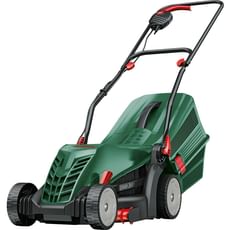
Bosch UNIVERSALROTAK 2X18V-37-550 P4A 36v Cordless Rotary Lawnmower 370mm
in stock
in stock
 Loading...
End of content
Error - No more pages to load
About Lawnmowers & Accessories
Maintaining a well-kept lawn requires the right equipment, and the lawnmower remains the cornerstone of garden maintenance for both professional groundskeepers and homeowners alike. From traditional push cylinder mowers to advanced robotic models, the range of lawnmowers available has evolved significantly to meet diverse requirements. Whether tackling compact urban gardens or expansive commercial grounds, selecting appropriate equipment ensures efficient grass cutting with professional results throughout the growing season.
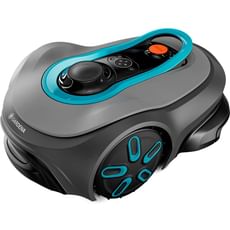
Modern lawnmowers are available in multiple configurations including rotary, hover, cylinder, ride-on and robotic models, each designed for specific applications and terrain types. Power options span petrol engines for maximum autonomy, 240v electric motors for convenient domestic use, and battery-powered cordless units offering excellent manoeuvrability. Tooled-Up.com stocks machines from leading manufacturers including Bosch, Flymo, Webb, McCulloch and Gardena, alongside comprehensive accessories to maintain peak performance. The Bosch Rotak series represents a popular choice for rotary mowers, whilst robotic options like the Bosch Indego and Gardena SILENO models provide automated lawn care solutions.
Beyond the mowers themselves, proper maintenance accessories prove essential for longevity and cutting performance. This category encompasses replacement blades, drive belts, spark plugs, engine oil, grass collection boxes, and specialised tools including lawnmower sharpeners. Genuine replacement parts such as nuts, bolts, fingerwheels and spacers ensure machines continue operating safely and efficiently. Mulching attachments convert standard mowers for nutrient recycling, whilst robotic mower accessories expand the capabilities of automated systems. Understanding both the equipment and supporting products available from Tooled-Up enables informed decisions that maximise value and performance.
Jargon Buster
- Rotary Mower: The most common lawnmower type featuring horizontally rotating blades beneath the cutting deck. Available as push or self-propelled models, suitable for general-purpose lawn maintenance with rear rollers creating striped finishes.
- Cutting Width: The width of grass cut in a single pass, typically ranging from 30cm for compact electric models to 50cm+ for larger petrol mowers. Wider cutting widths reduce mowing time but require more storage space and manoeuvrability.
- Self-Propelled: Mowers equipped with drive systems that power the wheels, reducing operator effort particularly on slopes or larger lawns. Drive engagement is controlled via handlebar levers, with variable speed options on premium models.
- Mulching: A cutting technique that finely chops grass clippings and deposits them back onto the lawn, returning nutrients to the soil. Requires specific blade designs and deck configurations, often available as attachments for standard rotary mowers.
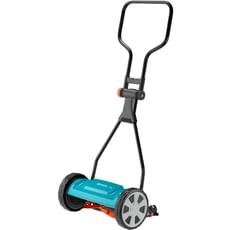
- Cylinder Mower: Traditional mower design using a cylindrical arrangement of blades rotating against a fixed bottom blade, similar to scissors. Provides the finest cut quality for ornamental lawns and bowling greens, available in powered or manual push configurations.
- Hover Mower: Lightweight rotary mowers that float on an air cushion generated by a fan above the blades. Exceptionally manoeuvrable over uneven terrain and obstacles, predominantly 240v electric powered for domestic gardens.
Who Uses Lawnmowers & Accessories?
- Professional Groundskeepers: Maintaining parks, sports facilities, golf courses and public spaces requiring commercial-grade equipment
- Landscape Gardeners: Contractors providing comprehensive garden maintenance services across multiple properties
- Property Maintenance Companies: Managing grounds for residential developments, business parks and commercial premises
- Local Authorities: Council workers maintaining verges, recreation grounds and municipal green spaces
- Facilities Managers: Overseeing grounds maintenance for schools, hospitals, hotels and corporate sites
- Homeowners & DIY Enthusiasts: Residential users maintaining domestic gardens from small urban plots to larger rural properties
- Estate Managers: Caring for extensive private grounds, country estates and agricultural properties
- Sports Ground Staff: Maintaining playing surfaces for football pitches, cricket squares and bowling greens
How to Choose the Right Lawnmowers & Accessories
Lawn Size and Terrain: Garden dimensions primarily dictate suitable mower types. Compact urban gardens under 100 square metres suit 240v electric or hover mowers, whilst properties exceeding 500 square metres benefit from self-propelled petrol models or cordless battery machines. Very large grounds above 2000 square metres warrant ride-on mowers for efficiency. Consider terrain challenges including slopes, obstacles and uneven surfaces when selecting between wheeled and hover designs.
Power Source Selection: Mains 240v electric mowers provide reliable power for small-to-medium gardens within cable reach, offering quiet operation and minimal maintenance. Petrol engines deliver maximum power and runtime for extensive areas without electrical infrastructure, though requiring regular servicing including oil changes and spark plug replacement. Battery-powered cordless mowers combine electric convenience with petrol-like freedom, ideal for medium gardens where runtime and recharge cycles align with cutting requirements. Robotic mowers operate autonomously on rechargeable batteries, suited to regularly maintained lawns with perimeter wire installation.
Cutting Performance Requirements: Rotary mowers handle most general applications including longer grass and slightly uneven terrain. Cylinder mowers produce superior finish quality for ornamental lawns requiring frequent cutting at consistent heights. Evaluate cutting width relative to garden size—wider decks reduce mowing time but compromise manoeuvrability around flowerbeds and tight spaces. Self-propelled models significantly reduce operator fatigue on larger properties or gradients.
Collection and Disposal: Grass collection boxes suit tidier gardens and prevent thatch buildup, requiring regular emptying during mowing. Rear discharge models deposit clippings directly onto lawns, acceptable for frequent cutting schedules. Mulching capabilities recycle nutrients whilst eliminating disposal requirements, though demanding more frequent mowing to manage clipping volume effectively.
Maintenance Accessibility: The Tooled-Up range includes replacement parts across major brands, ensuring long-term serviceability. Verify availability of consumables including blades, belts, spark plugs and filters before purchasing. Consider maintenance requirements—petrol engines demand seasonal servicing, whilst electric motors require minimal attention beyond blade sharpening and cleaning.
Popular Accessories
- Replacement Blades: Sharp blades ensure clean cuts promoting healthy grass growth; replacement intervals depend on usage intensity and striking hidden objects
- Drive Belts: Essential wear items on self-propelled models requiring periodic replacement to maintain drive system performance
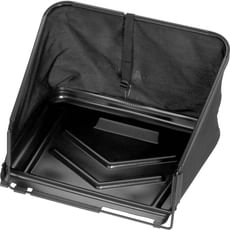
- Grass Collection Boxes: Replacement or additional boxes for efficient clipping collection and disposal
- Lawnmower Sharpeners: Blade sharpening tools maintaining optimal cutting performance between professional sharpening services
- Engine Oil: Four-stroke petrol mowers require regular oil changes using appropriate viscosity grades for seasonal conditions
- Spark Plugs: Annual replacement maintains reliable starting and efficient combustion in petrol engines
- Mulching Attachments: Convert standard rotary mowers for mulching operation, including specialised blades and discharge plugs
- Robotic Mower Accessories: Boundary wires, charging stations, replacement cutting discs and anti-theft systems for automated mowers
- Fasteners and Fixings: Nuts, bolts, fingerwheels and spacers securing blades and adjusting cutting heights safely
- Maintenance Tools: Specialist spanners and blade removal tools for safe servicing procedures
Safety Information
Personal Protective Equipment: Always wear sturdy footwear with ankle support and non-slip soles when operating lawnmowers. Safety glasses or visors protect against flying debris, particularly important when mowing near gravel paths or hard surfaces. Hearing protection is advisable for extended use of petrol mowers. Avoid loose clothing that could become entangled in moving parts.
Electrical Safety: When using 240v electric mowers, always connect through an RCD (Residual Current Device) providing 30mA protection against electric shock. Inspect cables before each use for damage or exposed conductors. Route cables behind the operator to prevent accidental cutting, and never use electric mowers in wet conditions or on damp grass.
Operational Precautions: Clear lawns of stones, branches, toys and other debris before mowing to prevent projectile hazards and blade damage. Disconnect spark plugs on petrol models or remove batteries from cordless units before performing any maintenance including blade inspection or cleaning. Never override safety guards or operate mowers with damaged shields. Ensure children and pets remain indoors or well away from mowing areas.
Fuel Handling: Store petrol in approved containers away from ignition sources and living areas. Refuel outdoors with engines cold, never whilst running or hot. Wipe spills immediately and allow vapours to dissipate before starting. Follow HSE guidance for storing and handling flammable liquids in domestic and commercial settings.
Blade Maintenance: Disconnect power sources before inspecting or replacing blades. Wear heavy-duty gloves when handling sharp components. Ensure blades are correctly balanced and securely fastened using appropriate torque specifications. Damaged or bent blades must be replaced rather than straightened, as structural integrity cannot be reliably restored.
Frequently Asked Questions
How often should lawnmower blades be sharpened?
Blade sharpening frequency depends on usage intensity and grass conditions, but most domestic mowers benefit from sharpening twice per season—typically spring and mid-summer. Professional groundskeepers may sharpen weekly during peak growing periods. Indicators for sharpening include ragged grass tips appearing brown after mowing, increased engine strain, and visible blade damage. Lawnmower sharpeners available at Tooled-Up.com enable maintenance between professional servicing.
What's the difference between 2-stroke and 4-stroke petrol mowers?
Four-stroke engines feature separate compartments for engine oil and petrol, requiring no fuel mixing but periodic oil changes. They run quieter, produce fewer emissions and offer greater fuel efficiency. Two-stroke engines require pre-mixed petrol and oil in specific ratios, are lighter and simpler, but louder and less environmentally friendly. Most modern petrol mowers use 4-stroke technology, with engine oil and spark plugs representing key maintenance consumables.
Can I use a rotary mower for striped lawn finishes?
Yes, provided the rotary mower is equipped with a rear roller rather than wheels at the back. The roller flattens grass in alternating directions with each pass, creating the characteristic striped appearance seen on sports grounds. Models like the Bosch Rotak series with rear rollers achieve this effect. Hover mowers and wheeled rotaries without rollers cannot produce striped finishes.
What cutting height should I use for my lawn?
General-purpose lawns perform best cut between 25-40mm, promoting healthy root development whilst resisting drought and weeds. Ornamental lawns may be cut shorter at 15-25mm but require more frequent mowing and careful maintenance. Never remove more than one-third of grass height in a single cut, as excessive reduction stresses plants. Raise cutting height during dry periods and lower slightly for moss control in damp conditions.
Do robotic mowers work effectively on sloped gardens?
Most robotic mowers handle gradients up to 25-35% (approximately 14-20 degrees), though specifications vary between models. The Bosch Indego and Gardena SILENO ranges include models designed for sloped terrain. Perimeter wire installation must account for slopes, and very steep areas may require alternative mowing solutions. Robotic mower accessories including additional boundary wire and securing pegs assist with challenging installations on uneven properties.