

Log Splitting Axes
Pay in 3 interest-free payments on purchases from £30-2000 with  . Learn more.
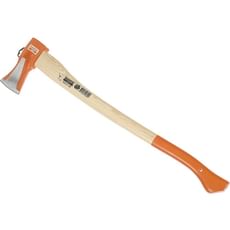
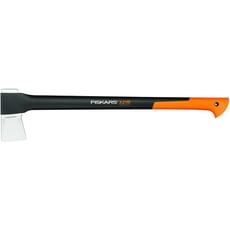
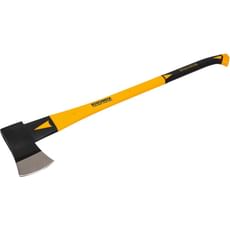
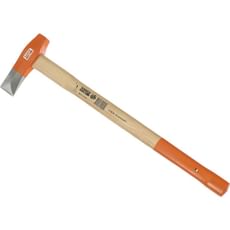
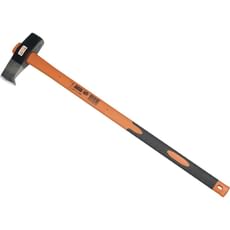
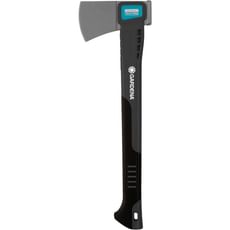
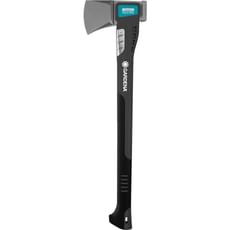
 Loading...
End of content
Error - No more pages to load
About Log Splitting Axes
Log splitting axes are essential tools designed specifically for breaking down logs into manageable pieces for firewood. Unlike felling axes that cut through wood fibres, splitting axes work by forcing the fibres apart along the grain, making them far more efficient for preparing firewood. The collection at Tooled-Up.com features models from trusted brands including Fiskars, Bahco, Gardena, Hultafors, and Roughneck, offering options for both occasional users and professionals who regularly process large quantities of timber.
These axes are engineered with wedge-shaped heads that create a splitting action rather than a cutting one. The head geometry, combined with the weight distribution and handle length, determines the force delivered with each swing. Lighter models are ideal for smaller logs and extended use with reduced fatigue, whilst heavier splitting mauls generate greater force for tackling thick, knotty wood. Handle materials vary between traditional hickory wood and modern composite designs, each offering distinct advantages in terms of durability, weight, and weather resistance.
Tooled-Up stocks splitting axes in various sizes to suit different applications, from compact kindling splitters to extended XXL models capable of generating tremendous splitting force. Some designs incorporate dual functionality with hammer heads on the reverse side, allowing users to drive splitting wedges into particularly stubborn logs. This versatility makes them valuable additions to any woodyard, campsite, or domestic firewood preparation setup.
Jargon Buster
- Splitting Maul: A heavier variant of the splitting axe with a thicker, wedge-shaped head designed for maximum splitting force on large or difficult logs. Typically weighs between 2.5kg and 3.5kg.
- Hickory Handle: Traditional axe handle material made from North American hickory wood, prized for its strength, shock absorption, and flexibility. Requires more maintenance than composite alternatives but offers excellent feel and control.
- Composite Handle: Modern handle construction using fibreglass or polymer materials. These offer superior durability, weather resistance, and reduced weight compared to wooden handles, with minimal maintenance requirements.
- Overstrike Protection: A reinforced collar or guard where the handle meets the head, protecting the shaft from damage if you miss the log and strike the handle against the chopping block.
- Kindling Splitter: A smaller, lighter axe designed specifically for splitting logs into smaller kindling pieces for fire starting. Features a shorter handle and lighter head for precise, controlled strikes.
- Eye: The socket in the axe head where the handle is inserted and secured, typically with wedges to ensure the head remains firmly attached during use.
Who Uses Log Splitting Axes?
- Homeowners with wood-burning stoves who regularly prepare their own firewood supplies
- Groundskeepers and estate managers maintaining large properties with woodland areas
- Forestry workers processing felled timber on-site
- Tree surgeons and arborists breaking down timber from tree work
- Camping and outdoor enthusiasts preparing firewood for recreational use
- Landscapers dealing with timber removal and site clearance
- Agricultural workers managing woodland and hedgerow maintenance
- Biomass fuel suppliers preparing logs for commercial sale
- DIY enthusiasts maintaining their own firewood stocks
- Smallholders and rural property owners managing their own timber resources
How to Choose the Right Log Splitting Axes
Handle Length: Longer handles (700-900mm) generate greater swing force, making them ideal for large logs but more demanding physically. Shorter handles (500-700mm) offer better control and reduced fatigue for smaller logs and extended sessions. Consider the typical log diameter you'll be splitting and your physical capability.
Head Weight: Lighter heads (1-1.5kg) suit smaller logs and allow for more swings before fatigue sets in. Medium weights (1.5-2.5kg) offer versatility for general use. Heavier mauls (2.5kg+) maximise splitting force for large, knotty timber but require more effort per swing. Match the head weight to your typical workload.
Handle Material: Traditional hickory handles provide excellent shock absorption and a natural feel that many users prefer. Composite handles offer superior durability, won't rot or split, and often feature anti-vibration properties. Consider maintenance requirements and working conditions when choosing.
Head Design: Standard splitting axe heads feature a wedge profile optimised for forcing fibres apart. Some models include a hammer function on the reverse for driving splitting wedges. Anti-friction coatings on the head help prevent the axe becoming stuck in logs. Check for quality tool steel construction that holds an edge well.
Brand Reputation: Established manufacturers like Fiskars, Bahco, and Hultafors have decades of experience in axe design. Their products typically feature superior metallurgy, better balance, and more reliable handle attachment methods. Consider warranty coverage and replacement part availability.
Safety Features: Look for overstrike protection, secure head attachment methods, and comfortable grip designs that reduce slippage. Some models include blade guards for safe storage and transportation, which is particularly important if the axe will be moved between sites.
Popular Accessories
- Splitting Wedges: Steel or composite wedges for use with mauls to split particularly tough or knotty logs that resist single-strike splitting
- Axe Sharpening Stones and Files: Essential for maintaining the cutting edge and ensuring efficient splitting performance
- Blade Guards and Sheaths: Protective covers for safe storage and transportation, preventing injury and edge damage
- Chopping Blocks: Purpose-designed stable bases that protect your axe edge and provide a safe splitting surface
- Safety Goggles: Impact-resistant eye protection to guard against flying wood chips and splinters
- Steel Toe Cap Boots: Essential PPE for protecting feet from dropped logs or misplaced strikes
- Work Gloves: Protective gloves offering grip and blister prevention during extended splitting sessions
- Replacement Handles: Spare wooden or composite handles for maintaining tools and extending their working life
- Axe Oil: Protective treatment for wooden handles to prevent drying, cracking, and weather damage
Safety Information
Log splitting axes are powerful tools that demand respect and proper technique. Always ensure a stable, level working surface with adequate clearance around you—at least two axe-lengths in all directions to account for missed swings. Position logs on a sturdy chopping block at a comfortable height, never attempt to split wood held in your hand or resting on the ground.
Appropriate personal protective equipment is essential. Wear impact-resistant safety goggles or a face shield to protect against flying wood chips, which can cause serious eye injuries. Steel toe cap boots conforming to EN ISO 20345 standards protect feet from dropped logs or glancing blows. Consider wearing protective gloves with good grip to prevent blisters and maintain control, though some experienced users prefer bare hands for better feel.
Inspect your axe before each use, checking for loose heads, damaged handles, or compromised attachment points. A flying axe head poses extreme danger. Maintain a sharp edge—counterintuitively, blunt axes are more dangerous as they require excessive force and are prone to glancing off logs unpredictably. Store axes safely with blade guards fitted and out of reach of children.
Work when alert and take regular breaks to prevent fatigue, which leads to poor technique and accidents. Never use splitting axes above shoulder height or in wet, slippery conditions. If you're new to axe work, seek guidance from experienced users or consider training courses. The HSE provides guidance on safe manual handling and tool use applicable to log splitting activities.
Frequently Asked Questions
What's the difference between a splitting axe and a felling axe?
Splitting axes feature a wider wedge-shaped head designed to force wood fibres apart along the grain, whilst felling axes have thinner, sharper heads for cutting across the grain. Splitting axes are specifically optimised for preparing firewood from already-felled logs, whereas felling axes are designed to cut down standing trees. Using the wrong tool for each job results in poor performance and increased effort.
Should I choose a wooden or composite handle?
Hickory wooden handles offer traditional shock absorption and a natural feel preferred by many users, but require maintenance and can deteriorate with weather exposure. Composite handles are virtually maintenance-free, won't rot or split, often include anti-vibration features, and perform consistently in all conditions. Choose wooden handles if you value traditional feel and don't mind maintenance, or composite for maximum durability and minimum upkeep.
How long should my splitting axe handle be?
Handle length depends on the log sizes you typically split and your physical build. Shorter handles (500-600mm) suit smaller logs and offer better control with less fatigue. Medium handles (600-750mm) provide versatility for general use. Longer handles (750-900mm) generate maximum splitting force for large logs but are more physically demanding. Taller users can generally manage longer handles more effectively than shorter users.
How do I maintain my log splitting axe?
Keep the blade sharp using a file or sharpening stone, working from the shoulder of the head toward the edge at the correct bevel angle. Clean the head after use to prevent rust, applying a light oil coating for storage. Wooden handles benefit from occasional treatment with linseed oil or specialist axe handle oil to prevent drying and cracking. Store axes in a dry location with blade guards fitted, and regularly check that the head remains securely attached to the handle.
Can I use a splitting axe for other tasks?
Splitting axes are optimised specifically for splitting logs and shouldn't be used for felling trees, limbing, or precision carpentry work. The thick wedge profile makes them unsuitable for fine cutting tasks. Some models include a hammer function on the reverse for driving splitting wedges, which is acceptable use. Using splitting axes for inappropriate tasks damages the tool, produces poor results, and can be dangerous. Always use the correct tool for each specific job.