

Motorcycle Lifts & Stands
Pay in 3 interest-free payments on purchases from £30-2000 with  . Learn more.
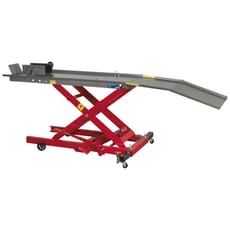

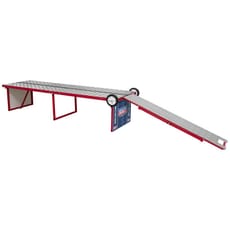
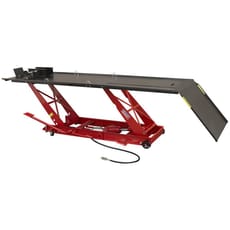
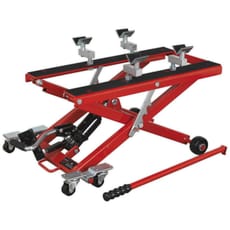
 Loading...
End of content
Error - No more pages to load
About Motorcycle Lifts & Stands
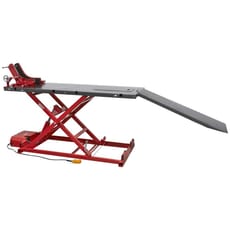
Motorcycle lifts and stands are indispensable workshop tools designed to elevate motorcycles, ATVs, and compact machinery to a comfortable working height, transforming routine maintenance, repairs, and detailing from awkward, back-breaking tasks into straightforward jobs. Whether you're a professional motorcycle mechanic operating from a busy dealership, a mobile servicing technician working from a van, or a dedicated home enthusiast maintaining your own machine, the right lifting equipment provides safe, stable access to hard-to-reach components for tasks including chain maintenance, wheel removal, oil changes, brake servicing, and tyre fitting.
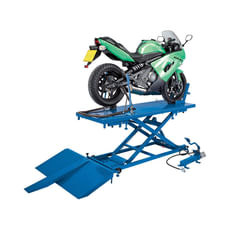
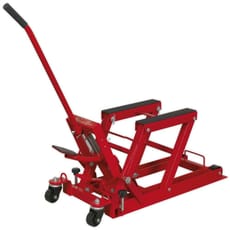
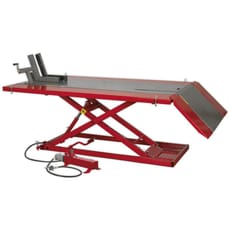
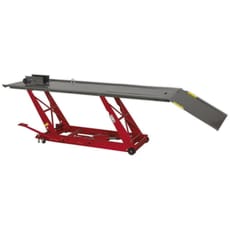
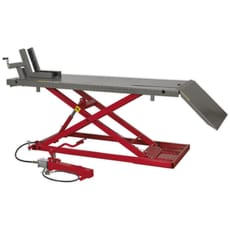
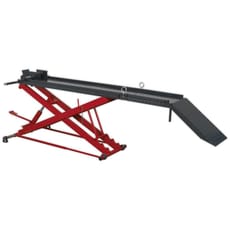
The selection at Tooled-Up.com encompasses hydraulic motorcycle lifts offering smooth, controlled elevation with impressive load capacities up to 680kg, scissor stands for stable mid-height positioning, paddock stands for wheel-off servicing, and pneumatic lifts for rapid height adjustment in high-volume workshop environments. With leading brands including Sealey and Draper represented across 36 different models, you'll find lifting solutions suitable for everything from lightweight commuter bikes and sportsbikes through to heavy touring motorcycles, adventure bikes, and quad bikes. Many lifts feature adjustable wheel chocks, integrated tie-down points, and robust steel construction to ensure your valuable machine remains secure throughout the maintenance process.
Modern motorcycle lifts incorporate practical features such as 12V electric operation for mobile mechanics working without access to mains power, 360-degree floating paddock stands that accommodate various swingarm configurations and bobbin positions, and folding designs that maximise storage efficiency in smaller workshops or home garages. Loading ramps, extension platforms, and specialist bobbin supports are available as accessories to create a complete lifting system tailored to your specific requirements and the types of motorcycles you regularly service.
Jargon Buster
- Hydraulic Lift: A lifting mechanism using fluid pressure to raise and lower the platform smoothly and safely. Most hydraulic motorcycle lifts feature a foot-operated pump for hands-free operation and a release valve for controlled descent, requiring no external power source.
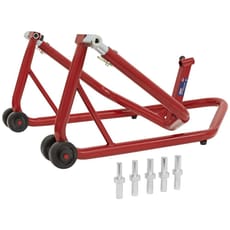
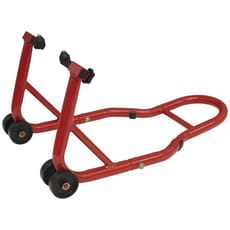
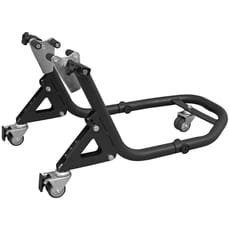
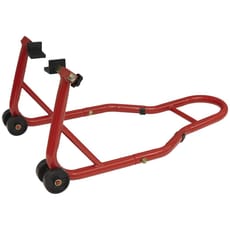
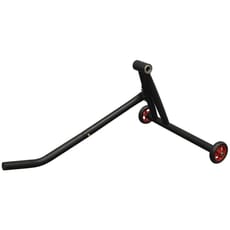
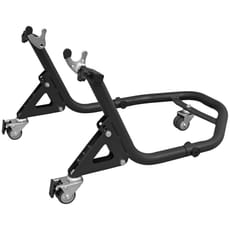
- Paddock Stand: A specialised stand supporting a motorcycle by either the front or rear axle area, lifting one wheel completely off the ground. Essential for wheel removal, chain maintenance, and tyre changes. Available in bobbin-type designs (which engage with swingarm spools) or universal floating configurations.
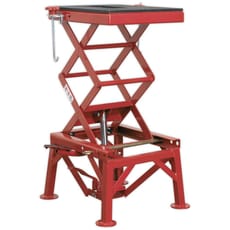
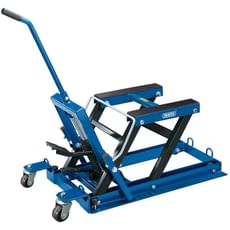
- Scissor Jack/Stand: A lifting device featuring a crossed-arm mechanism that extends vertically when operated via hydraulic pump or manual screw action. Provides stable mid-height support and typically folds flat for compact storage when not in use.
- Load Capacity: The maximum safe working load (SWL) that a lift or stand can support, measured in kilograms. Always ensure your lift's capacity exceeds your motorcycle's wet weight (including all fluids, fuel, and accessories) with adequate safety margin.
- Pneumatic Lift: An air-powered lifting system connected to a workshop compressor, offering rapid height adjustment with minimal physical effort. Particularly valuable in commercial environments where multiple bikes are serviced daily and speed is essential.
- Wheel Chock: An adjustable cradle or guide that locates and secures the motorcycle's front or rear wheel on the lift platform, preventing lateral movement during elevation or when working on the machine. Critical for stability and safety.
Who Uses Motorcycle Lifts & Stands?
- Professional motorcycle mechanics working in dealerships, independent workshops, and MOT testing stations
- Mobile motorcycle servicing technicians who travel to customers' homes or business premises
- Motorcycle restoration specialists undertaking comprehensive rebuilds and custom fabrication projects
- Fleet maintenance engineers responsible for courier companies, motorcycle training schools, and emergency services vehicles
- Racing teams and track day organisers requiring quick, reliable access to motorcycles for adjustments and repairs
- ATV and quad bike dealers servicing agricultural and recreational all-terrain vehicles
- Serious DIY motorcycle enthusiasts who perform their own maintenance, upgrades, and winter preparation work
- Motorcycle detailers and valeters who need access to all areas of the machine for thorough cleaning
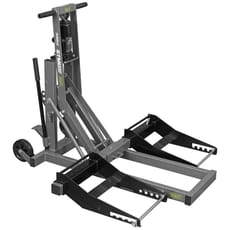
- Garden machinery servicing businesses, as many motorcycle lifts also accommodate ride-on mowers and compact tractors
- Motorcycle training centres and educational institutions teaching maintenance skills
How to Choose the Right Motorcycle Lifts & Stands
Weight Capacity: Calculate the wet weight of the heaviest motorcycle you'll be lifting, including fuel, oil, coolant, and any accessories such as luggage systems or crash protection. Select a lift with a capacity at least 50kg above this figure to provide a safety margin. Most lifts range from 300kg to 500kg capacity, with heavy-duty models from Sealey and Draper accommodating touring bikes and ATVs up to 680kg.
Lifting Mechanism: Hydraulic foot-pump lifts offer excellent control and require no external power source, making them ideal for home garages without 240v power near the working area. Pneumatic air-hydraulic models provide faster operation for busy workshops with compressed air available. Electric 12V lifts are perfect for mobile mechanics operating from vans without access to mains electricity or air compressors, running from vehicle batteries or portable power supplies.
Platform Dimensions: Ensure the lift platform is sufficiently long and wide to accommodate your motorcycle's wheelbase and width comfortably. Adjustable wheel chocks are essential for securing different tyre sizes, whilst side extension platforms increase stability for wider machines or when working near the edges. Measure your longest wheelbase motorcycle before purchasing.
Maximum Lift Height: Consider your comfortable working height – typically between 700mm and 1000mm allows most technicians to work without excessive bending or stooping. Higher maximum heights are beneficial for taller users or when detailed underside inspection and engine work is required. Remember that very high lifts may make initially loading the motorcycle more challenging.
Portability and Storage: If workshop space is limited, folding scissor stands and paddock stands offer excellent storage efficiency, folding flat to store against walls or under benches. Heavy-duty hydraulic lifts with platform sizes exceeding 2 metres may be workshop-permanent fixtures. Consider whether integrated wheels or castors would facilitate repositioning around your workspace.
Stand Type for Specific Tasks: Paddock stands (front and rear) are essential if you regularly remove wheels for tyre changes or need to tension and lubricate chains. Central hydraulic lifts provide better access to the entire underside for engine work, oil changes, exhaust servicing, and comprehensive cleaning. Folding workbench-style ramps from Draper combine lifting capability with integral tool storage.
Compatibility with Your Motorcycles: Universal paddock stands work with most bikes but may require aftermarket bobbins (spools) fitted to the swingarm. Floating 360-degree designs from Sealey accommodate different swingarm angles and bobbin positions. For front stands, verify compatibility with your fork configuration – some sportsbikes require headstock stands rather than fork-mounted types.
Popular Accessories
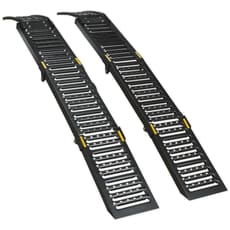
- Loading Ramps: Steel folding ramps to safely load motorcycles onto hydraulic lifts, particularly important for machines without centre stands or very low ground clearance sportsbikes
- Extension Side Platforms: Additional support platforms that attach to the main lift to provide stable access for wider machines or additional working surface area
- Swingarm Bobbins/Spools: Aftermarket fittings that screw into threaded mounting points on the swingarm, enabling use with bobbin-type paddock stands on bikes without factory-fitted bobbins
- Wheel Chock Extensions: Adjustable cradles and guides to accommodate different tyre widths and diameters securely, particularly useful for wide rear tyres on sportsbikes
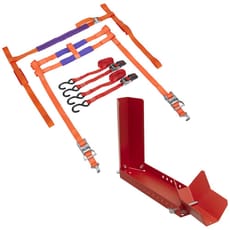
- Tie-Down Straps and Ratchets: Essential for securing motorcycles during transport or when working on elevated machines to prevent unwanted movement
- Drip Trays and Workshop Mats: Protect your lift platform and workshop floor from oil, fuel, coolant spills, and general debris during servicing
- Workshop Lighting: LED inspection lamps and magnetic work lights to illuminate the underside and engine bay when the motorcycle is elevated
- Rolling Workshop Stools: Adjustable-height seats that allow comfortable access to elevated motorcycles without standing for extended periods, reducing fatigue
Safety Information
Load Limits: Never exceed the manufacturer's stated maximum load capacity. Remember that dynamic loads (movement whilst elevated) place additional stress on lifting mechanisms. Always verify your motorcycle's actual weight including fuel, luggage, and accessories. If unsure, err on the side of caution and choose a higher capacity model.
Secure Positioning: Ensure the motorcycle is centred on the lift platform with the wheel correctly located in the chock before elevating. Check that the centre of gravity falls within the platform footprint, particularly for bikes with high-mounted luggage, touring accessories, or raised fuel tanks. An off-centre load is extremely dangerous.
Stable Ground Surface: Always operate motorcycle lifts on level, solid concrete floors. Never use lifts on uneven, soft, or sloped surfaces such as tarmac, paving slabs, or wooden floors. Ensure the lift's feet or base plates have full contact with the ground before loading. Check for oil spills or other contamination that could cause the lift to slide.
Hydraulic Maintenance: Regularly inspect hydraulic rams, hoses, and seals for leaks or damage according to HSE guidelines for lifting equipment. Bleed air from hydraulic systems according to manufacturer instructions. Never work beneath a motorcycle supported solely by hydraulic pressure – use mechanical locks or safety props if provided.
Controlled Descent: Always lower motorcycles slowly using the release valve, maintaining control throughout the descent. Keep hands, feet, and tools clear of moving parts and pinch points during elevation or descent. Never release the valve fully, which can cause sudden dropping.
Paddock Stand Usage: When using paddock stands, ensure the motorcycle is stable and balanced before releasing your hold. Use both front and rear stands simultaneously for maximum stability when removing wheels. Never leave motorcycles unattended on paddock stands in high-traffic areas where they might be knocked over.
Personal Protective Equipment: Wear steel toe-capped safety boots when operating motorcycle lifts to protect against crushing injuries. Consider gloves when handling motorcycles to prevent trapped fingers and improve grip. Ensure adequate lighting to identify hazards clearly, particularly when working underneath elevated machines.
Frequently Asked Questions
What weight capacity do I need for my motorcycle lift?
Check your motorcycle's handbook for the wet weight (including all fluids) and add at least 50kg safety margin. Most standard motorcycles up to 750cc are comfortably handled by 350-400kg capacity lifts available from Tooled-Up. Large touring bikes, adventure motorcycles, and ATVs typically require 450-500kg capacity models. If you work on multiple bikes or plan to keep the lift long-term, choosing a higher capacity model provides flexibility for future machines. Remember that aftermarket exhausts, luggage systems, touring accessories, and crash protection add significant weight to the overall load.
Can I use a motorcycle lift for ATVs and quad bikes?
Yes, many hydraulic motorcycle lifts from Sealey and Draper are specifically designed to accommodate ATVs, quad bikes, and even small garden machinery like ride-on mowers. Check the platform dimensions – you'll need sufficient width (typically 600mm or more) and length to support all four wheels comfortably without any wheel hanging over the edge. Some models include adjustable wheel chocks or extension platforms specifically for ATV use. Verify the weight capacity covers your ATV's loaded weight, as these are often substantially heavier than motorcycles, with some models exceeding 500kg.
What's the difference between hydraulic, pneumatic, and electric motorcycle lifts?
Hydraulic lifts use a foot-operated pump to build pressure in a ram, requiring no external power source – ideal for home garages without convenient 240v sockets or compressed air. Pneumatic (air-hydraulic) lifts connect to workshop air compressors for faster, effortless operation suited to busy commercial environments where speed matters. Electric 12V lifts run from vehicle batteries or portable power supplies, making them perfect for mobile mechanics working at customer locations. Hydraulic models are generally most affordable and reliable with minimal maintenance; pneumatic fastest for high-volume work; electric most portable for off-site servicing.
Do I need both front and rear paddock stands?
It depends on the work you're undertaking. A rear paddock stand alone allows chain maintenance, rear wheel removal, rear brake servicing, and rear tyre changes. Adding a front stand enables complete wheel removal for front tyre changes, fork servicing, brake servicing, and comprehensive cleaning with both wheels off the ground. For serious maintenance, winter storage, or professional work, having both stands provides maximum stability and access. Many mechanics start with a rear stand (more frequently needed for chain maintenance) and add a front stand later. Universal floating stands from Sealey offer better compatibility across different motorcycle models than fixed designs.
Are motorcycle lifts suitable for small home garages with limited space?
Absolutely – several options suit compact workshops. Scissor stands and paddock stands fold flat for storage against walls or under benches when not in use, occupying minimal floor space. Some hydraulic lifts feature folding designs or removable platforms. Consider models with integrated wheels that allow easy repositioning rather than permanent floor fixtures taking up valuable space. Measure your garage carefully, accounting for space needed to manoeuvre the motorcycle onto the lift and walk around it whilst elevated. Many home mechanics find a quality rear paddock stand provides excellent functionality in minimal storage space compared to full hydraulic lifts, whilst still enabling essential maintenance tasks.