
Nibblers & Shears

Pay in 3 interest-free payments on purchases from £20-£3000 with  . Learn more.
Loading...
End of content
Error - No more pages to load
About Nibblers & Shears
Nibblers and shears are specialised power tools designed to cut sheet metal, profiled materials and various other substrates with speed and precision. Whether you're a fabricator working with stainless steel, an HVAC engineer cutting galvanised ducting, or a roofer trimming metal cladding on site, these tools deliver clean, accurate cuts with significantly less physical effort than manual methods. Both tool types have evolved from traditional hand tools but now harness electric or pneumatic power to handle demanding cutting applications across multiple trades.
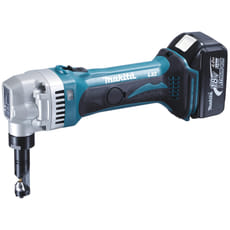
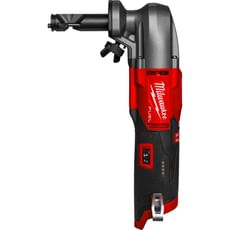
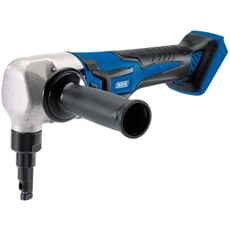
Electric nibblers operate by rapidly removing small crescent-shaped pieces of material in a punching action, making them particularly effective for tight curves, intricate cutouts and working with corrugated or profiled sheets. They can typically handle sheet metal thicknesses from 1.5mm up to approximately 4mm whilst producing minimal distortion—a critical advantage when dimensional accuracy matters. The cutting mechanism means nibblers generate considerable metal swarf, which requires careful management but allows exceptional manoeuvrability around complex shapes and patterns.
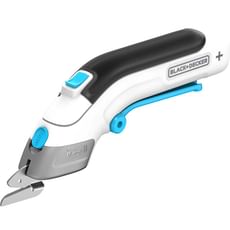
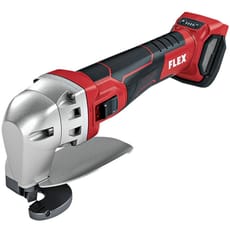
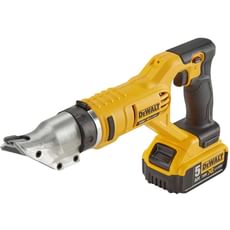
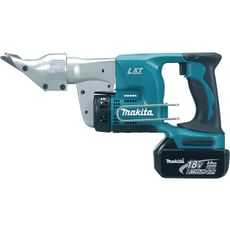
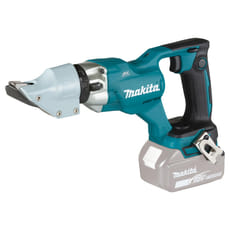
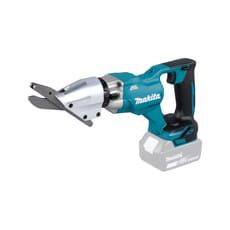
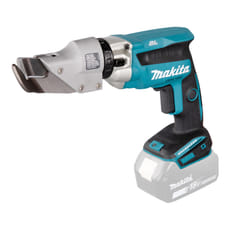
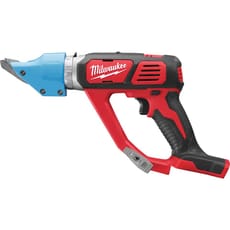
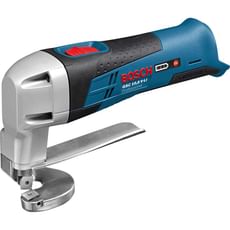
Power shears function more like motorised scissors, using reciprocating blades to slice through materials in a shearing action. They excel at straight cuts and gentle curves whilst producing far less waste material than nibblers, making them ideal for cleaner working environments or locations where metal debris could present hazards. The range available from Tooled-Up includes both corded 240v models for continuous workshop operation and cordless 18v battery-powered options from leading manufacturers such as Makita, Milwaukee, DeWalt and Bosch. Beyond metalwork, certain models prove equally capable with PVC sheeting, heavy textiles, carpet and composite materials, adding versatility to professional toolkits.
Jargon Buster
- Stroke Rate (SPM): Strokes per minute—the number of cutting actions the tool performs each minute. Professional models typically operate between 1,500 and 2,500 SPM, with higher rates generally delivering faster cutting speeds through materials.
- Cutting Capacity: The maximum material thickness the tool can effectively cut, usually specified in millimetres for different metals. Most professional nibblers and shears handle mild steel from 1.5mm to 4mm, though capacity varies depending on material hardness and ductility.
- Minimum Cutting Radius: Particularly relevant to nibblers, this measurement indicates the tightest curve the tool can navigate. Quality nibblers can often manage radii as tight as 30-50mm, essential for detailed cutouts and intricate fabrication work.
- Swarf: The small metal chips, curls and offcuts produced during cutting operations. Nibblers generate substantial quantities of sharp swarf requiring careful cleanup, whilst shears produce minimal waste material.
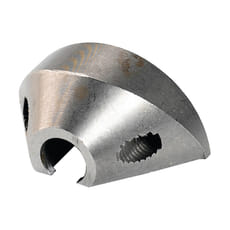
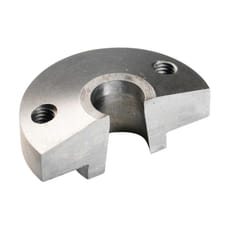
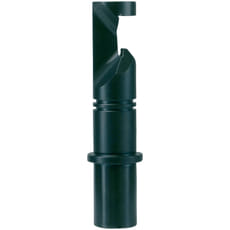
- Die Set: The replaceable cutting components in a nibbler—typically comprising a punch and die assembly. Premium die sets from manufacturers like Bosch and Milwaukee ensure clean, burr-free cuts and represent essential consumables for maintaining cutting quality.
- Head Orientation: Some power shears feature 360-degree rotating heads allowing directional cutting without constantly repositioning your grip, particularly useful when following marked cutting lines on flat sheet materials.
Who Uses Nibblers & Shears?
These versatile cutting tools serve essential roles across numerous trades and applications:
- HVAC Engineers & Ductwork Installers: Cutting galvanised steel and aluminium ducting components to precise dimensions with minimal distortion
- Roofing Contractors: Trimming metal roofing sheets, flashing, guttering and cladding materials on site
- Sheet Metal Fabricators: Precision cutting of mild steel, stainless steel and aluminium in workshop and manufacturing environments
- Automotive Body Repair Technicians: Cutting body panels, repair sections and undertaking custom fabrication work
- Electrical Contractors: Creating knockouts and access openings in metal electrical enclosures, cable trays and containment systems
- Shopfitters & Signage Installers: Cutting composite panels, thin aluminium sheet and various architectural cladding materials
- Agricultural & Industrial Maintenance Teams: On-site repairs requiring precision metal cutting without access to workshop machinery
- Serious DIY Enthusiasts: Home renovation projects, garage fabrication and classic vehicle restoration work
How to Choose the Right Nibblers & Shears
Nibbler or Shears? Begin by assessing your typical cutting requirements. Select nibblers for tight curves, small cutouts and working with profiled or corrugated materials where the punching action provides advantages. Choose shears when you need predominantly straight cuts, cleaner working conditions, or when operating near sensitive equipment where metal swarf could cause problems or foreign object damage.
Power Source: Corded 240v models deliver constant power for intensive workshop use and extended cutting sessions. Cordless 18v options from Milwaukee, Makita or DeWalt offer excellent portability for site work and locations without mains access. Consider models compatible with battery platforms you already own to maximise investment value and maintain charging infrastructure consistency.
Cutting Capacity: Match the tool's maximum capacity to your typical material thicknesses. For general HVAC, roofing and light fabrication work, 1.5-2.5mm capacity proves adequate. Metal fabricators regularly working with heavier gauge materials should consider 3-4mm capacity professional models from brands like Fein or Bosch that handle demanding applications.
Build Quality & Ergonomics: Professional tradespeople benefit from robust construction featuring metal gearboxes and quality die sets that withstand daily use. Prioritise comfortable grip designs with balanced weight distribution, particularly important for overhead cutting or extended operation. Variable speed triggers provide enhanced control for precision work and different material types.
Budget Considerations: Entry-level models from Einhell start around £60-80, suitable for occasional DIY applications. Mid-range tools (£120-200) from established manufacturers offer improved reliability for regular professional use. Premium models (£250+) from Makita, Milwaukee or Fein deliver superior performance, longevity and typically include comprehensive warranties for demanding trade environments.
Popular Accessories
- Replacement Die Sets: Essential consumables for nibblers that wear through use. Keeping spares available minimises downtime and maintains consistent cutting quality on professional jobs.
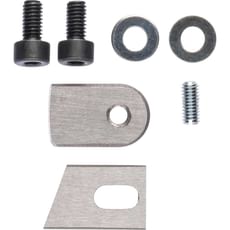
- Replacement Blades: Shears require periodic blade replacement to maintain cutting performance. Original equipment manufacturer blades ensure optimal compatibility and cut quality.
- Cutting Oil/Lubricant: Extends die and blade service life whilst improving cut quality, particularly beneficial when working with stainless steel or harder metal alloys.
- Safety Glasses & Face Shields: Essential PPE protecting against flying metal particles and swarf, especially important when using nibblers which generate considerable debris.
- Cut-Resistant Gloves: Quality work gloves from brands like DeWalt or Portwest protect hands from sharp metal edges and potentially hot swarf.
- Metal Files & Deburring Tools: For smoothing cut edges and removing burrs, ensuring safe handling and achieving professional-looking results.
- Tool Storage Systems: Protect your investment with organised storage from MakPac, TSTAK or PACKOUT systems compatible with your existing tool organisation setup.
Safety Information
Always wear appropriate personal protective equipment including safety glasses or a face shield, as both tool types can eject metal particles at high velocity. Nibblers particularly generate substantial quantities of sharp metal swarf presenting both cut and puncture hazards—wear cut-resistant gloves when handling materials and clearing waste. Ensure adequate workshop ventilation, as cutting certain coated or treated metals can release harmful fumes. When working with galvanised steel, zinc fumes may be produced—follow HSE guidance for working with these materials.
Never disable blade guards or safety features, and always disconnect tools from power sources before changing dies, blades or performing maintenance. Secure workpieces properly before cutting to prevent sudden movement or vibration. Exercise particular caution when completing cuts, as offcuts may have extremely sharp edges and can spring away unexpectedly. When using corded tools on site, ensure they're protected by RCD devices rated to current UK electrical safety standards (BS 7671).
Store tools securely when not in use, and keep replacement blades and dies in their original protective packaging to prevent accidental contact with sharp cutting edges. Be aware that freshly cut metal edges remain sharp and may be hot immediately after cutting. Always follow the manufacturer's specific safety guidance and operating instructions for your particular model, and ensure operators receive appropriate training before use.
Frequently Asked Questions
What's the main difference between a nibbler and power shears?
Nibblers cut by punching out small crescent-shaped pieces of material, making them excellent for tight curves and intricate shapes but producing considerable sharp metal swarf. Shears work like powered scissors with a shearing action, offering cleaner operation with minimal waste but typically unable to navigate curves as tightly. Nibblers also produce less material distortion compared to shears, important for precision metalwork.
Can I use these tools to cut materials other than metal?
Yes, many models successfully cut PVC sheeting, heavy cardboard, leather, carpet and various fabrics. However, always verify the manufacturer's specifications first. Using tools on materials they're not designed for can damage blades or dies and potentially void warranties. For dedicated fabric or carpet applications, specialised shears designed specifically for those materials deliver better results.
How thick metal can these tools cut?
This varies by model and manufacturer, but most professional nibblers and shears handle mild steel from 1.5mm to 4mm thickness. Always check the specific cutting capacity for the material you're working with—capacity differs for mild steel, stainless steel, aluminium and other metals due to their varying hardness and ductility. Cutting capacity typically reduces when working with harder materials.
Are cordless models powerful enough for professional trade use?
Modern 18v cordless tools from quality manufacturers like Milwaukee, Makita and DeWalt at Tooled-Up.com deliver performance comparable to corded models for most professional applications. They're ideal for site work where portability and freedom from cables matters. For continuous heavy-duty workshop use with thick materials throughout the day, corded 240v models may still offer advantages in sustained power delivery without battery changes.
How often do I need to replace blades or dies?
This depends on usage intensity and the materials being cut. Professional tradespeople cutting daily may require replacements every few months, whilst occasional users might achieve years of service. Signs that replacement is needed include increased effort required to cut, rough or torn cut edges, and excessive burring on finished edges. Regular lubrication with appropriate cutting oil significantly extends component life and maintains cutting quality.