

Oil Drainers

Pay in 3 interest-free payments on purchases from £20-£3000 with  . Learn more.

 Loading...
End of content
Error - No more pages to load
About Oil Drainers
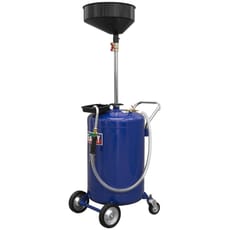
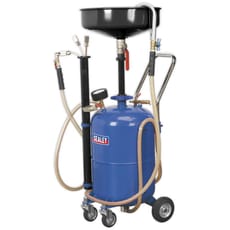
Oil drainers are indispensable workshop tools designed to safely collect, store and transport waste oil and fluids during vehicle servicing and machinery maintenance. These essential pieces of equipment transform what could be a messy, hazardous task into a clean, efficient process that protects both workshop environments and the surrounding ecosystem. From simple gravity-fed collection bowls to sophisticated air-powered extraction systems, oil drainers accommodate every application from occasional DIY servicing to high-volume professional workshops handling dozens of oil changes weekly.
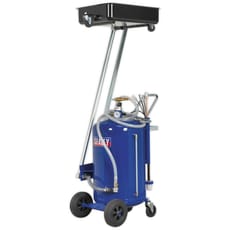
Modern oil drainers fall into several distinct categories, each suited to different working environments and operational requirements. Gravity oil drainers represent the most straightforward approach, positioning collection vessels beneath drain plugs to catch waste oil as it flows naturally from engines and gearboxes. Suction oil drainers offer a cleaner alternative, extracting oil directly through dipstick tubes using vacuum pressure, eliminating the need to access sump plugs from underneath vehicles. For professional workshops managing higher volumes, mobile units on heavy-duty castors provide excellent manoeuvrability between service bays, whilst air-powered pump-away stations can rapidly transfer collected oil to separate storage drums, keeping the drainer continuously available for the next service.
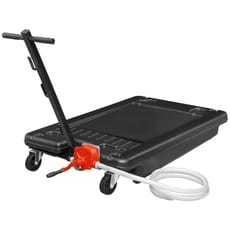
The selection available from Tooled-Up includes everything from compact low-level drainers designed for vehicles with minimal ground clearance to high-capacity mobile units exceeding 100 litres. Many professional models feature integrated inspection chambers with transparent viewing sections, allowing technicians to examine extracted oil for metal particles, coolant contamination or other warning signs of engine wear. Whether you're a mobile mechanic requiring portable solutions, managing a busy garage, or maintaining a commercial vehicle fleet, choosing the right oil drainer significantly improves workflow efficiency whilst ensuring compliance with HSE waste oil handling regulations.
Jargon Buster
- Gravity Drainer
- A collection vessel positioned beneath drain plugs that uses gravity alone to capture oil as it flows from the sump. Requires no power source, making them economical for occasional use and DIY applications, though they necessitate vehicle access from underneath.
- Suction Oil Drainer
- A device employing vacuum pressure to extract oil through the dipstick tube, bypassing the need to remove sump plugs entirely. Particularly valuable for vehicles with undertray protection or difficult-to-access drain points, offering cleaner, faster extraction.
- Pump-Away Station
- Advanced systems featuring integrated pneumatic or manual pumps that transfer collected waste oil to separate storage containers or disposal drums. This keeps the primary drainer ready for immediate reuse without requiring manual emptying between services.
- Air Discharge
- Oil drainers equipped with pneumatic systems powered by compressed air (typically 6-8 CFM at 90 PSI) for rapid oil extraction and transfer. Common in professional workshops with existing air line infrastructure, significantly reducing service times.
- Inspection Chamber
- A transparent viewing section incorporated into the drainer that allows examination of extracted oil for metal particles, coolant contamination, excessive sludge or other diagnostic indicators of engine condition and potential problems.
- Low Level Drainer
- Compact drainers with collapsed heights typically under 300mm, designed for use beneath vehicles with minimal ground clearance or when working on standard workshop ramps without requiring additional jacking.
Who Uses Oil Drainers?
- Motor mechanics and automotive technicians performing routine vehicle servicing, maintenance and oil changes
- MOT testing stations conducting regular vehicle inspections with integrated service facilities
- Fleet maintenance workshops servicing company vehicles, delivery vans, HGVs and commercial truck fleets
- Mobile mechanics requiring portable, reliable oil drainage solutions for on-site vehicle repairs and servicing
- Agricultural engineers maintaining tractors, combine harvesters, sprayers and farm machinery
- Plant and machinery engineers servicing generators, compressors, pumps and industrial equipment
- Marine mechanics working on boat engines, marine diesel systems and watercraft maintenance
- DIY enthusiasts and home mechanics maintaining their own vehicles and garden machinery
- Classic car restorers performing regular maintenance on vintage, specialist and collector vehicles
- Industrial maintenance teams servicing manufacturing equipment, hydraulic systems and machinery
- Groundscare professionals maintaining mowers, tractors and landscaping equipment
- Recovery and breakdown services performing roadside repairs and fluid changes
How to Choose the Right Oil Drainers
Capacity Requirements
Consider the typical oil volumes you'll handle during routine services. Most passenger cars contain 4-6 litres of engine oil, whilst larger vehicles, vans and commercial engines may hold 8-12 litres or more. Select a drainer with sufficient capacity to accommodate your largest regular jobs without mid-service emptying. Professional workshops handling multiple services daily typically opt for 65-100 litre capacity units that can manage several oil changes before requiring disposal. Remember that adequate headroom above the stated capacity prevents overfilling and potential spills.
Extraction Method
Gravity drainers offer economical, reliable performance for standard sump plug drainage when vehicle access from underneath presents no challenges. Suction drainers provide faster, cleaner extraction through dipstick tubes, particularly valuable for vehicles with undertray protection, difficult-to-access sump plugs or when working in time-sensitive mobile situations. Air-powered systems suit busy workshops with compressed air supplies, delivering rapid oil extraction and transfer capabilities that significantly reduce service times and physical effort.
Mobility and Working Height
Mobile drainers mounted on robust castors allow effortless positioning beneath vehicles and convenient movement to disposal areas or storage locations. Check the collapsed height specification carefully—low-level models are essential when working with vehicles on standard ramps or those with minimal ground clearance, such as sports cars or lowered vehicles. Heavy-duty castors with locking mechanisms ensure stability during use whilst providing smooth movement when required.
Pump-Away Features
If your workshop handles multiple oil changes daily, integrated pump systems deliver substantial time savings by transferring waste oil to larger storage drums without manual handling. Air discharge pumps powered by compressed air operate faster than manual alternatives and eliminate physical effort in high-volume environments. Manually-operated pump systems remain effective for moderate-volume workshops without compressed air infrastructure, though they require more physical input.
Construction Quality and Durability
Professional-grade units from manufacturers like Sealey and Draper feature robust steel construction, chemical-resistant powder-coated finishes and heavy-duty castors that withstand daily workshop use. These units resist corrosion from oils, solvents and workshop environments far more effectively than lightweight alternatives. Examine weld quality, seal materials and component thickness—these factors determine longevity in demanding commercial environments where equipment faces continuous use and potential impacts.
Additional Features and Functionality
Extension funnels increase collection area diameter, helping guide oil flow and prevent spills during drainage. Inspection chambers enable diagnostic checks of oil condition for metal particles or contamination. Some models include probe sets for accessing hard-to-reach drain points or extracting oil from gearboxes, differentials and hydraulic systems. Integrated tool trays, magnetic drain plug holders and calibrated level indicators add convenience in professional settings.
Popular Accessories
- Extension funnels and adapter funnels for increasing collection area and accommodating different vehicle configurations
- Probe sets and extension tubes for accessing hard-to-reach drain points, gearboxes and differential units
- Oil drain pans and catch trays for additional collection capacity or simultaneous multi-fluid drainage
- Waste oil storage drums and sealed containers for proper disposal and environmental compliance
- Oil absorbent mats, granules and spill kits for managing accidental spills and maintaining clean workspaces
- Filter wrenches and oil filter removal tools for complete service capabilities
- Pneumatic hose reels for organised air line management with air-powered drainer systems
- Workshop ramps, axle stands and vehicle lifts to provide proper access for oil drainage
- Chemical-resistant gloves and PPE for safe handling of waste oils and contaminated fluids
- Funnels, jugs and measuring containers for precise oil refilling after services
- Magnetic drain plug tools for safe removal and prevention of dropped plugs
Safety Information
Waste oil handling requires strict adherence to HSE guidelines and COSHH regulations governing hazardous substance management. Always allow engines to cool adequately before draining oil to prevent serious burns from hot fluids, which can reach temperatures exceeding 100°C during operation. Wear appropriate PPE including chemical-resistant gloves and safety glasses, as waste oil contains harmful contaminants, degraded additives and potentially carcinogenic compounds that pose health risks through skin contact or splashing.
Ensure oil drainers are positioned on stable, level ground before use, and that all wheels are locked to prevent movement during drainage. Never exceed the manufacturer's stated capacity, as overfilling creates spill risks and hazardous slip hazards in workshop environments. When using air-powered systems, verify that compressed air pressure does not exceed manufacturer specifications (typically 90-120 PSI maximum) to prevent equipment damage, seal failure or potentially dangerous fluid projection.
Waste oil is classified as hazardous waste under UK environmental legislation and must be disposed of through licensed waste carriers in accordance with Environmental Protection Act requirements. Never mix waste engine oil with other automotive fluids such as coolant, brake fluid, transmission fluid or solvents, as this complicates proper disposal and may constitute illegal waste management. Maintain disposal records as required by environmental regulations, particularly for commercial workshops and fleet operations.
Store collected waste oil in sealed, leak-proof containers within designated areas away from ignition sources, open flames and electrical equipment. Ensure storage areas provide adequate ventilation to prevent vapour accumulation. Clearly label all waste oil containers with contents and collection dates. Regular inspection of drainer seals, valves and hoses prevents leaks that could create environmental contamination or workplace hazards. Clean any spills immediately using appropriate absorbent materials and dispose of contaminated absorbents as hazardous waste.
Frequently Asked Questions
What's the difference between gravity and suction oil drainers?
Gravity drainers collect oil through the traditional sump plug removal method, requiring access beneath the vehicle to position collection vessels and remove drain plugs. Suction drainers extract oil through the dipstick tube using vacuum pressure, which proves cleaner, faster and eliminates crawling underneath vehicles. Suction drainers are particularly advantageous for vehicles with undertray protection, difficult-to-access sump plugs, or when working in mobile situations where time efficiency matters. However, gravity drainers typically provide more complete drainage as they allow any sludge or sediment to exit through the sump rather than potentially remaining in the engine.
How do I determine what capacity oil drainer I need?
Check the oil capacity specifications for your typical vehicles—most passenger cars hold 4-6 litres, whilst vans, SUVs and larger engines may require 8-12 litres or more. Commercial vehicles and plant machinery can exceed 20 litres. Choose a drainer with at least double the capacity of your largest regular job to allow safety margin and prevent mid-service emptying. Professional workshops typically select 65-100 litre units that accommodate multiple oil changes before requiring disposal, improving workflow efficiency. Consider future requirements too—investing in slightly larger capacity than immediately necessary provides operational flexibility as your business grows.
Can I use the same drainer for different types of oil and fluids?
Whilst you can use the same drainer for different grades and viscosities of engine oil (synthetic, semi-synthetic, mineral), you should never mix engine oil with other automotive fluids such as coolant, brake fluid, transmission fluid or hydraulic oil. Different fluids have distinct disposal requirements and chemical properties—mixing them violates environmental regulations and complicates proper waste management. If your workshop services various fluid systems, consider dedicated drainers for each fluid type. This separation ensures compliance with waste disposal legislation and prevents cross-contamination that could affect recycling processes.
Do I need an air-powered drainer or will a manual one suffice?
Manual gravity drainers and hand-pump suction units provide perfectly adequate performance for occasional use, DIY mechanics and smaller workshops handling moderate service volumes. However, if you're performing multiple oil changes daily, air-powered systems significantly reduce service times and eliminate physical effort associated with manual pumping. They're particularly beneficial for extracting thick, cold oils during winter months or for rapid pump-away functionality to storage drums. Before selecting air-powered models available at Tooled-Up.com, ensure your workshop has suitable compressed air supply (typically 6-8 CFM at 90 PSI minimum) and consider running costs against time savings.
What maintenance do oil drainers require?
Regularly empty your drainer before approaching maximum capacity to prevent overfilling and spills—operating at 80-90% capacity maximum is advisable. Clean the collection chamber periodically to remove accumulated sludge that reduces effective capacity and can harbour contamination. Inspect seals, valves, drain taps and hoses quarterly for wear, damage or deterioration, replacing components as necessary to prevent leaks. For air-powered units, ensure pneumatic connections remain clean and secure, and lubricate pneumatic components according to manufacturer guidelines using appropriate pneumatic tool oil. Always store drainers in dry conditions to prevent corrosion, and check castor wheels for smooth operation and secure mounting.