

Planers & Thicknessers
Pay in 3 interest-free payments on purchases from £30-2000 with  . Learn more.
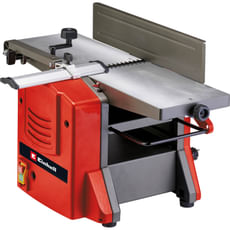
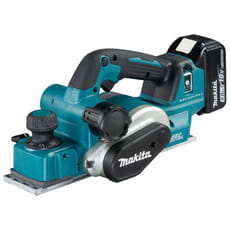
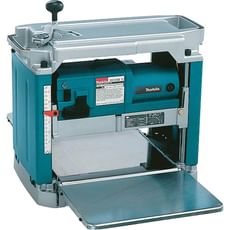
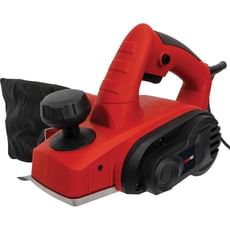
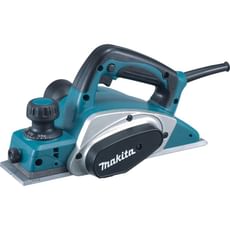
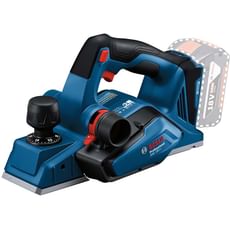
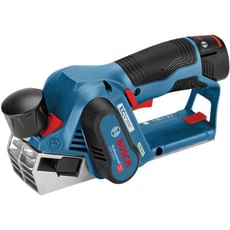
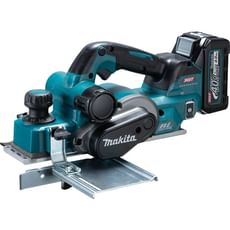
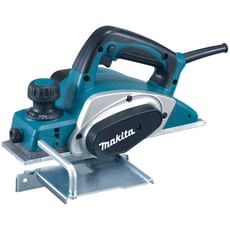
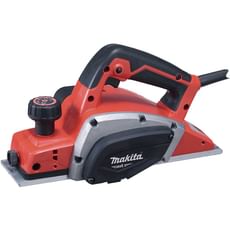
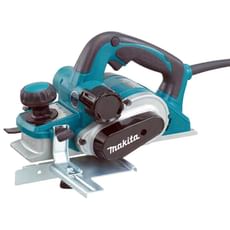
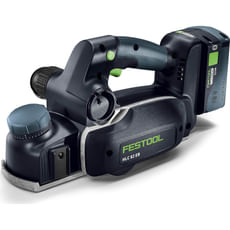

 Loading...
End of content
Error - No more pages to load
About Planers & Thicknessers
Planers and thicknessers are essential woodworking machines that transform rough-sawn timber into smooth, uniformly dimensioned boards ready for joinery and construction projects. These power tools have revolutionised timber preparation, enabling woodworkers to process large quantities of stock with precision and consistency that would be virtually impossible to achieve by hand. Whether you're a professional joiner preparing material for a fitted kitchen or a DIY enthusiast building bespoke furniture, these machines deliver the flat, parallel surfaces that form the foundation of quality woodwork.
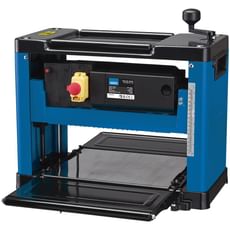
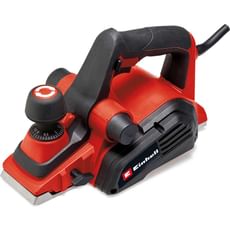
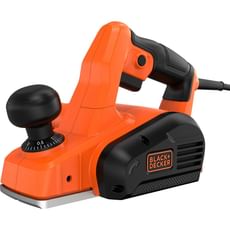
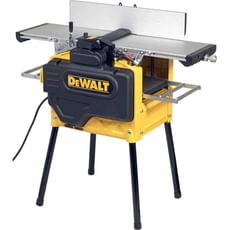
The category encompasses two distinct but complementary tool types. Planer thicknessers are bench-mounted machines designed to surface and dimension timber to exact specifications, feeding boards through motorised cutterheads to achieve perfectly flat faces and uniform thickness. Handheld planers, by contrast, offer portability and versatility for site work, door fitting, and smaller surfacing tasks. Tooled-Up.com stocks both categories to serve the full spectrum of timber preparation needs, from workshop-based batch processing to on-site adjustments and finishing work.
Modern planers and thicknessers range from compact 240v benchtop units suitable for small workshops to industrial three-phase machines capable of handling wide boards and hardwoods. Cordless planers have also emerged as practical options for tradespeople requiring genuine portability without sacrificing performance. Leading manufacturers such as DeWalt, Makita, Bosch, and Festool offer models across all price points, featuring innovations like helical cutterheads, digital depth gauges, and dust extraction systems that make timber preparation cleaner, quieter, and more efficient than ever before.
Jargon Buster
- Planing Depth: The maximum amount of material the machine can remove in a single pass, typically ranging from 1mm to 3mm. Deeper cuts require more powerful motors and are generally reserved for initial stock preparation rather than fine finishing.
- Planing Width: The maximum width of timber the machine can accommodate, ranging from 82mm on compact handheld planers to over 400mm on industrial planer thicknessers. This specification determines the size of boards you can process without making multiple passes.
- Cutterhead: The rotating cylinder containing the cutting blades or knives. Traditional straight-knife cutterheads use two or three reversible blades, whilst helical or spiral cutterheads feature multiple small carbide inserts arranged in a spiral pattern for smoother, quieter cutting with less tear-out.
- Snipe: A common planing defect where slightly more material is removed at the beginning or end of a board, creating a noticeable dip. Quality planer thicknessers minimise snipe through robust tables and pressure rollers that support the workpiece throughout its travel.
- Rebate Capacity: On handheld planers, the maximum depth of rebate (recessed step) the tool can cut when used with a side fence. This specification is crucial for carpenters fitting doors and creating joinery features.
- Feed Rate: On planer thicknessers, the speed at which timber is fed through the machine, measured in metres per minute. Faster feed rates increase productivity but may compromise surface finish, particularly on figured or difficult timbers.
Who Uses Planers & Thicknessers?
- Joiners and Carpenters: For dimensioning timber components, creating flush surfaces, and fitting doors and windows on site
- Cabinet Makers and Furniture Makers: Essential for preparing stock to precise dimensions and achieving the flat, square surfaces required for quality furniture construction
- Shopfitters: For preparing and fitting bespoke timber elements, from counter tops to display fixtures
- Flooring Specialists: Particularly handheld planers for levelling high spots, fitting skirting boards, and adjusting door clearances
- Timber Frame Builders: For processing structural timber and creating accurate joinery connections
- General Builders: Handheld planers are invaluable for door fitting, beam preparation, and general timber adjustment work
- Boat Builders: For shaping and fairing timber components to precise profiles
- DIY Enthusiasts and Woodworking Hobbyists: For home workshop projects requiring dimensioned timber and professional-quality surface finishes
How to Choose the Right Planers & Thicknessers
Application and Scale: Consider whether you need a benchtop planer thicknesser for workshop-based stock preparation or a handheld planer for site work and smaller tasks. If you regularly dimension large quantities of rough-sawn timber, a planer thicknesser becomes an essential workshop investment. For door fitting, site carpentry, and occasional surfacing, a quality handheld planer from manufacturers like Makita or DeWalt will prove more practical and cost-effective.
Capacity Requirements: Match the machine's planing width to your typical material dimensions. A 260mm planer thicknesser suits most furniture and joinery work, whilst wider models accommodate table tops and panels. For handheld planers, consider both width capacity (typically 82mm to 170mm) and rebate depth if you plan to use the tool for joinery applications beyond simple surface planing.
Power Source and Portability: Most benchtop planer thicknessers operate on standard 240v household supply, though larger models may require 16A circuits. The Tooled-Up range includes three-phase options for industrial environments. For handheld planers, cordless models offer genuine site flexibility, whilst corded versions typically deliver more sustained power for demanding applications.
Build Quality and Features: Cast iron or aluminium tables provide stability and accuracy, whilst pressed steel construction reduces cost but may compromise longevity. Look for features like parallel fences, depth stops, dust extraction ports, and blade-changing systems that match your skill level. Premium brands such as Festool and Bosch Professional offer innovations like automatic blade-setting systems that significantly reduce setup time.
Dust Extraction: Planers and thicknessers generate substantial quantities of waste. Effective extraction is essential for workshop cleanliness, machine longevity, and respiratory health. Ensure any machine you consider has adequate extraction ports and compatible hose diameters for connection to workshop vacuum systems.
Popular Accessories
- Replacement Planer Blades: Tungsten carbide tipped (TCT) blades for extended life, particularly when working with abrasive materials or reclaimed timber
- Side Fences and Guides: For accurate rebate cutting and chamfering operations with handheld planers
- Dust Extraction Hoses and Adaptors: To connect planers to workshop vacuum systems for effective waste removal
- Machine Stands and Cabinets: Purpose-designed supports for benchtop planer thicknessers, often incorporating storage for accessories and waste collection
- Infeed and Outfeed Roller Stands: Essential supports when processing longer boards through planer thicknessers
- Push Blocks and Safety Equipment: For safe material handling when using planer thicknessers
- Carrying Cases: Protective storage and transport solutions for handheld planers, particularly cordless models used on site
- Sharpening Jigs and Blade Setting Gauges: For maintaining blade sharpness and accurate installation
Safety Information
Planers and thicknessers present significant hazards and must be operated with appropriate precautions. The rotating cutterhead can cause severe lacerations, whilst ejected workpieces pose impact risks. Always ensure guards are correctly fitted and never attempt to plane material shorter than the manufacturer's minimum length specification. Keep hands well clear of the cutterhead and use push blocks when working with shorter pieces on planer thicknessers.
Wood dust created by these machines contains particles classified as hazardous to health under COSHH regulations. Always connect tools to adequate dust extraction systems and wear appropriate respiratory protection, particularly when working with hardwoods or treated timber. Eye protection is mandatory, as chips and debris can be ejected at considerable velocity. Hearing protection is advisable for extended use, particularly with larger machines.
Ensure planer thicknessers are securely mounted to stable benches or stands that prevent movement during operation. Check all settings and adjustments are locked before starting the machine, and wait for the cutterhead to reach full speed before feeding material. Never reach into the machine whilst the cutterhead is rotating, and always disconnect power before blade changes or maintenance. Follow HSE guidance on woodworking machinery and ensure adequate training before operating these tools professionally.
Frequently Asked Questions
What's the difference between a planer and a thicknesser?
A planer (or surface planer) machines one face of a board flat, whilst a thicknesser machines the opposite face parallel to the first at a uniform thickness. Many machines combine both functions in a single unit, termed a planer thicknesser or combination machine. These versatile tools allow you to first flatten one face on the planer bed, then flip the board and pass it through the thicknesser to create the parallel opposite face. This two-stage process is fundamental to preparing rough-sawn timber for joinery and furniture making.
Can I use a handheld planer instead of a planer thicknesser?
Handheld planers excel at site work, door fitting, and smaller surfacing tasks, but cannot match the accuracy, efficiency, or capacity of a benchtop planer thicknesser for dimensioning stock. If you regularly work with rough-sawn timber or need to prepare multiple boards to identical dimensions, a planer thicknesser is the appropriate tool. Handheld planers complement rather than replace benchtop machines, offering portability and versatility for applications where moving the tool to the work is more practical than bringing material to a static machine.
How often do planer blades need replacing or sharpening?
Blade life depends on usage intensity, timber type, and whether you encounter hidden nails or grit in reclaimed material. TCT blades typically last significantly longer than high-speed steel alternatives. Most blades are reversible, effectively doubling their lifespan. Signs that blades need attention include burn marks on timber, increased effort required to feed material, or visible nicks in the blade edge. Professional workshops running machines daily may sharpen or replace blades monthly, whilst hobby users might achieve a year or more between services.
Do I need three-phase power for a planer thicknesser?
Many quality planer thicknessers operate perfectly well on standard 240v single-phase domestic supply, making them suitable for home workshops and small professional setups. Models up to approximately 2,000 watts typically run on single-phase power, though you may need a 16A circuit for larger machines rather than a standard 13A socket. Three-phase models are generally reserved for industrial applications or where maximum power and efficiency are required for processing hardwoods or very wide boards continuously.
What thickness of timber can I remove in one pass?
Maximum planing depth varies by machine, typically ranging from 2mm to 3mm on benchtop models. However, attempting to remove the maximum depth in hardwoods or wide boards can overload the motor, cause poor surface finish, or result in snipe. Better practice involves taking lighter cuts of 0.5mm to 1mm for finishing passes, reserving deeper cuts for initial stock removal in softwoods. The golden rule is to let the machine work at its own pace without forcing material through – if you're having to push hard, reduce the depth of cut.