

Planers

Pay in 3 interest-free payments on purchases from £20-£3000 with  . Learn more.

 Loading...
End of content
Error - No more pages to load
About Planers
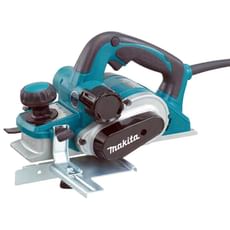
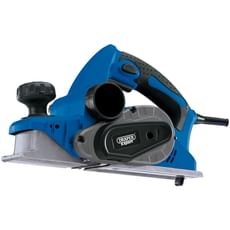
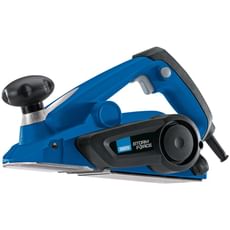
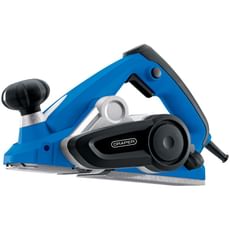
Planers are indispensable power tools for anyone working with timber, designed to shave precise layers of wood from surfaces to achieve smooth, flat finishes and exact dimensions. Whether you're fitting doors that need trimming to size, levelling uneven joists, creating rebates for glazing, or chamfering edges for decorative detail, a quality planer transforms tasks that would take hours by hand into quick, controlled operations. Modern electric and cordless planers combine robust motors with micro-adjustable depth settings, enabling both professional tradespeople and keen DIY enthusiasts to achieve consistently accurate results across a wide range of carpentry applications.
The selection at Tooled-Up.com includes both corded 240v electric planers and cordless battery-powered models from leading manufacturers including Makita, DeWalt, Bosch Professional, Festool, and Milwaukee, alongside excellent value options from Einhell, Draper, and Black and Decker. Most planers feature rotating cutter blocks with reversible tungsten carbide-tipped blades that remove wood in controlled depths, typically offering 82mm planing widths suitable for standard joinery work and adjustable cutting depths from 0-3mm per pass. From compact 12v cordless models perfect for fine finishing and overhead work to powerful 750-920 watt mains-powered planers capable of rapid stock removal on demanding site projects, there's a planer configuration to match every application, budget and working environment.
Contemporary planers incorporate numerous features that enhance precision and usability, including brushless motors for superior efficiency and extended runtime, parallel side fences for accurate edge planing, integrated V-grooves for consistent chamfering, and spring-loaded kickstands that automatically protect blade edges when you set the tool down. Many professional models also offer superior dust extraction capabilities essential for cleaner working conditions and compliance with COSHH regulations on construction sites and in workshop environments.
Jargon Buster
- Planing Width: The maximum width of timber the planer can shave in a single pass, typically 82mm on standard models. This dimension determines how many passes you'll need to complete wider boards—standard 82mm handles most carpentry work comfortably.
- Cutting Depth: The maximum amount of material removable in one pass, usually adjustable from 0-3mm in increments of 0.1mm or finer. Deeper cuts accelerate stock removal but demand more motor power and create greater resistance.
- Rebating (Rabbeting): The process of creating a stepped recess along timber edges, commonly required for glazing frames, panel joints, and various joinery applications. Most planers include a side fence and depth stop specifically for controlled rebating work.
- Brushless Motor: Advanced motor technology using electronic controllers rather than carbon brushes, delivering significantly improved efficiency, extended runtime on cordless platforms, reduced maintenance requirements, and longer overall tool life compared to traditional brushed motors.
- Chamfering: Creating a bevelled or angled edge on timber, typically at 45 degrees. Many planers feature a V-groove machined into the front shoe that guides the tool for consistent, repeatable chamfers along board edges.
- Kickstand: A spring-loaded rear section that automatically elevates the planer's cutter block away from the work surface when you release pressure, protecting both the sharp cutting edges and your workpiece from accidental damage between cuts.
Who Uses Planers?
Planers serve essential functions across numerous trades and applications:
- Carpenters and Joiners: For fitting doors and windows, creating precise joints, achieving exact timber dimensions on site, and general carpentry work requiring material removal and surface preparation.
- Shopfitters: Installing bespoke counters, shelving systems, and custom joinery where precise fitting to irregular spaces and professional finishes are absolutely essential.
- Kitchen and Bathroom Fitters: Adjusting door heights, scribing worktops to uneven walls, trimming panels, and ensuring perfect fits in spaces where millimetre accuracy matters.
- Builders and General Contractors: Levelling structural joists, removing material from framing timbers, adjusting door frames, and handling general carpentry tasks across construction projects.
- Restoration and Heritage Specialists: Working with reclaimed timber, fitting new components to period properties, and matching existing profiles where hand-finishing techniques are required.
- Furniture Makers and Cabinetmakers: Dimensioning solid timber, creating joints with precise tolerances, and achieving smooth surfaces before final sanding and finishing.
- Property Maintenance Teams: Repair work involving doors, windows, skirting boards, and general timber maintenance across residential and commercial properties.
- DIY Enthusiasts: Home renovation projects, garden construction, woodworking hobbies, and any application requiring precise timber preparation and professional-looking results.
How to Choose the Right Planers
Power Source: Corded 240v electric planers deliver consistent power for extended workshop use and heavy-duty applications, with motors typically ranging from 600 watts to 950 watts. Tooled-Up stocks cordless models in both 12v and 18v platforms that offer excellent portability for site work, overhead applications, and locations without mains power, though battery capacity and runtime should be considered for larger projects. If you already use a particular battery system—such as Makita LXT, DeWalt XR, or Milwaukee M18—staying within that platform maximises value and eliminates battery duplication.
Planing Capacity: Most standard planers offer 82mm width and up to 3mm depth per pass, which suits the vast majority of carpentry and joinery tasks. Consider your typical applications when evaluating cutting depth—deeper cuts speed up stock removal on thick timber but require more powerful motors and create greater resistance. Rebating capacity, typically 0-20mm, matters particularly if you regularly create rebates for glazing, panel work, or joinery applications.
Motor Technology: Brushless motors, featured in premium models from Makita, DeWalt, Bosch Professional, and Festool, deliver superior efficiency, significantly longer runtime on cordless tools, and extended operational lifespan. Traditional brushed motors in budget-friendly options from Einhell, Draper, and Black and Decker still perform admirably for lighter-duty and intermittent use, particularly for DIY applications.
Build Quality and Features: Professional-grade planers feature robust machined aluminium shoes for dimensional accuracy, precision depth adjustment mechanisms with clear scales, and superior dust extraction ports. Look for integrated kickstands, parallel fences for accurate edge work, V-grooves in the front shoe for chamfering, and comfortable ergonomic handles. Premium brands like Festool and Bosch Professional often include electronic speed control and exceptional dust collection integration for cleaner working.
Budget Considerations: Entry-level planers from Einhell and Black and Decker (£50-£100) suit occasional DIY use and softer materials. Mid-range options from Draper and standard Bosch models (£100-£200) balance performance and value for regular use by serious DIY enthusiasts and light trade applications. Professional models from Makita, DeWalt, Milwaukee, and Festool (£200-£500+) justify their premium cost through exceptional durability, consistent performance, advanced features, and reliability for daily commercial use on demanding construction sites.
Popular Accessories
- Replacement Blades: Tungsten carbide-tipped (TCT) reversible blades maintain sharpness significantly longer than standard HSS blades, essential for demanding work with abrasive construction timber or when working with reclaimed wood.
- Dust Extraction Bags and Adaptors: Capture wood shavings for cleaner working environments and improved air quality; universal adaptors connect planers to workshop vacuum extraction systems for superior dust control.
- Parallel Side Fences: Guide the planer accurately along edges and control rebating depth with precision; often included with the tool but available separately as replacements or upgrades.
- Blade Setting Gauges: Precision adjustment tools that ensure blades are positioned at exactly the correct height for optimal cutting performance and superior surface finish.
- Storage Cases: Protect your investment during transport between sites and in storage, particularly important for tradespeople working across multiple locations.
- Additional Batteries and Fast Chargers: Extended runtime for cordless models, with rapid charging technology minimising downtime on busy projects where continuous operation is essential.
- Sharpening Systems: Blade sharpening jigs, honing guides, and diamond stones to restore cutting edges between replacements, significantly reducing long-term blade costs.
- Workpiece Clamps and Benches: Secure timber safely during planing operations, essential for both accuracy and safety compliance on professional sites.
Safety Information
Planers are powerful cutting tools that require proper safety precautions and appropriate protective equipment:
- Eye Protection: Always wear safety glasses or goggles to protect against flying wood chips and dust—this is a legal requirement under HSE guidelines for professional use and essential for DIY applications.
- Hearing Protection: Planers frequently exceed 85dB, particularly in enclosed workshop spaces; use ear defenders or plugs for extended operation to prevent hearing damage.
- Dust Management: Wood dust poses serious respiratory risks and hardwood dust is classified as a carcinogen under COSHH regulations; always connect dust extraction or work in well-ventilated areas with appropriate respiratory protection.
- Secure Workpieces: Always clamp timber securely to a stable work surface before planing; never attempt to hold small pieces by hand whilst operating the planer as this creates significant kickback risks.
- Electrical Safety: Ensure corded planers are connected to 240v RCD-protected supplies, particularly on construction sites where current UK electrical safety regulations apply. Check cables regularly for damage.
- Blade Safety: Always disconnect from power or remove batteries before changing blades or making adjustments; wait for the cutter block to stop rotating completely before setting the tool down, even with kickstand protection.
- Two-Handed Operation: Maintain firm control with both hands on designated grip areas throughout the cut to prevent kickback and ensure accurate, controlled passes.
- Inspect Timber: Carefully check for nails, screws, staples, and other metal objects embedded in timber that could damage expensive blades or cause dangerous kickback—particularly important when working with reclaimed materials.
Frequently Asked Questions
What's the difference between a planer and a sander?
A planer removes material using rotating cutting blades to reduce thickness, flatten surfaces, and change dimensions, whilst a sander uses abrasive paper to smooth surfaces without significantly altering size. Planers are for dimensioning, straightening, and shaping timber; sanders create fine finishes after planing. The typical workflow involves planing first to achieve correct dimensions and flatness, then sanding progressively through finer grits for a smooth, finished surface ready for coating or polishing.
Can I use a planer on reclaimed or salvaged timber?
Yes, but exercise extreme caution and expect accelerated blade wear. Old timber frequently contains hidden nails, screws, staples, or embedded grit and dirt that will instantly damage expensive planer blades. Always inspect reclaimed wood meticulously, use a metal detector if available, and consider using older or cheaper blades specifically for reclaimed material. Salvaged timber is often significantly harder and more abrasive than fresh sawn timber, requiring more frequent blade sharpening or replacement to maintain cutting quality.
Should I choose corded or cordless for professional trade use?
Both configurations offer distinct advantages depending on your typical working conditions. Corded 240v planers deliver consistent power indefinitely for extended workshop use and heavy stock removal without battery limitations or charging concerns. Cordless 18v models excel for site work, overhead applications, working in occupied properties, and locations without convenient mains power, with modern brushless technology providing impressive runtime. Many professional tradespeople invest in both formats: corded for workshop-based dimensioning work and cordless for installation and site applications. If selecting cordless, ensure you have sufficient high-capacity batteries (5.0Ah or higher recommended) for uninterrupted working throughout the day.
How often should I replace or sharpen planer blades?
Blade life varies considerably depending on usage intensity, timber type, and material condition. Professional tradespeople working daily with construction timber may require sharpening or replacement every few weeks, whilst DIY users might achieve months of service. Clear indicators that blades need attention include: tearout and rough surfaces instead of clean cuts, burn marks on timber, increased effort required to push the planer through the cut, reduced cutting depth performance, or visible nicks and damage to blade edges. Most quality tungsten carbide-tipped blades can be professionally sharpened 3-5 times before replacement becomes necessary, making this a cost-effective maintenance approach.
What planing width do I need for typical carpentry work?
The standard 82mm planing width suits the overwhelming majority of carpentry, joinery, and general construction applications, comfortably handling door edges, window frames, architraves, skirting boards, and dimensional timber up to approximately 75mm (3 inches) wide. This width allows you to plane most standard timber sections in one or two passes. Unless you regularly work with very wide boards, specialist applications like boat building, or large-scale furniture making, an 82mm planer provides excellent versatility and represents the industry standard for both professional trade use and serious DIY applications.