

Planes

Pay in 3 interest-free payments on purchases from £20-£3000 with  . Learn more.
Loading...
End of content
Error - No more pages to load
About Planes
Hand planes remain essential tools for fine woodworking, joinery, and carpentry, offering unmatched control and precision for shaping, smoothing, and flattening timber. From preparing rough-sawn boards to achieving glass-smooth finishes on hardwoods, the right plane makes all the difference between acceptable and exceptional results. Whether you're fitting doors, cleaning up glued joints, chamfering edges, or creating perfectly flat surfaces for furniture making, planes deliver results that power tools simply cannot match for delicate work and final finishing.
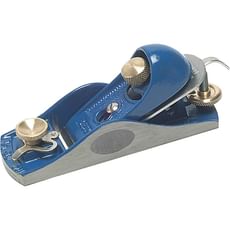
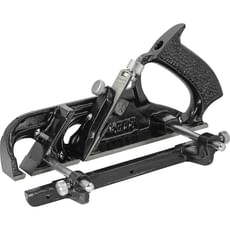
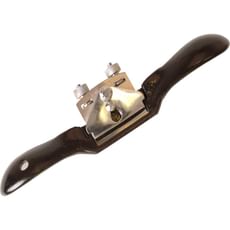
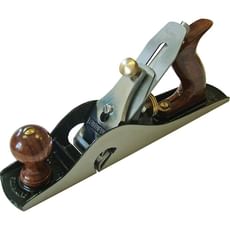
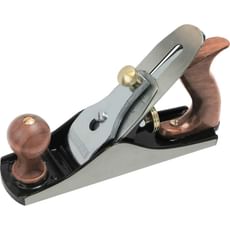
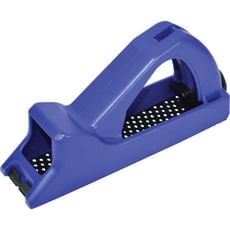
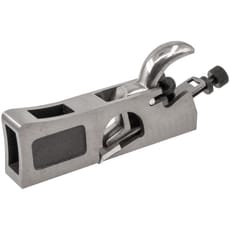
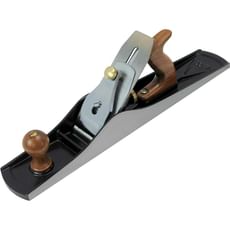
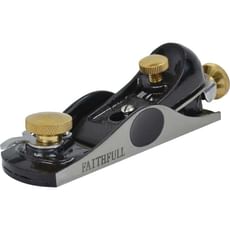
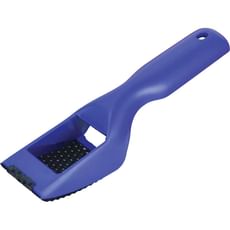
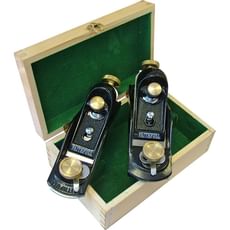
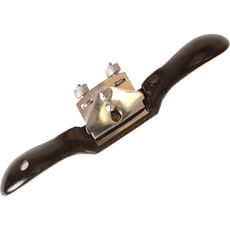
The planes category encompasses a diverse range of specialised tools, each designed for specific woodworking tasks. Bench planes form the workhorse family, with jack planes for initial stock removal, smoothing planes for final finishing, and jointer planes for flattening long boards. Block planes offer one-handed convenience for chamfering, end-grain work, and site carpentry. Specialist tools like rebate planes cut shoulders and housings, whilst spokeshaves excel at shaping curved work such as chair legs and windsor chair backs. Modern surform tools provide rapid stock removal on wood, composites, and even soft plastics.
Tooled-Up.com stocks planes from renowned manufacturers including Stanley, Faithfull, Silverline, and specialist brands that continue traditional craftsmanship standards. From budget-friendly options for DIY enthusiasts to premium planes featuring ductile iron bodies, precision-ground soles, and high-carbon steel blades, the selection caters to every skill level and application. Plane spares and replacement irons ensure your tools maintain peak performance for years, making hand planes a genuine long-term investment in quality workmanship.
Jargon Buster
- Sole: The flat bottom surface of the plane that rides along the workpiece. A perfectly flat sole is critical for accurate planing, with premium planes featuring precision-ground cast iron or ductile iron soles.
- Frog: The angled casting that supports the plane iron (blade) and allows adjustment of the mouth opening. Adjustable frogs enable fine-tuning for different timber species and planing tasks.
- Mouth: The opening in the sole through which the blade protrudes and shavings escape. A tight mouth produces finer shavings and reduces tear-out on difficult grain, whilst a wider mouth handles heavier cuts and thicker shavings.
- Chipbreaker (Cap Iron): The curved metal component that clamps the blade in position and breaks shavings as they curl upward, preventing tear-out and clogging. Proper chipbreaker adjustment is essential for clean cuts.
- Bevel-Up vs Bevel-Down: Refers to blade orientation. Bevel-down planes (most bench planes) have the blade's bevelled edge facing downward, whilst bevel-up designs (most block planes) position the bevel upward, offering different cutting geometries and applications.
- Blade Angle: The angle at which the cutting edge meets the timber, typically 45 degrees for bench planes. Higher angles (50-60 degrees) reduce tear-out on figured or interlocked grain but require more effort to push.
Who Uses Planes?
- Joiners and Carpenters: For fitting doors, hanging windows, chamfering architraves, and achieving precise timber dimensions on site
- Cabinet Makers and Furniture Makers: Essential for fine surface preparation, joint fitting, and achieving perfect flatness on table tops, drawer fronts, and cabinet components
- Shopfitters: For on-site adjustments to timber fixtures, trimming shelving, and fine-tuning fitted joinery installations
- Boat Builders: Spokeshaves and specialist planes for shaping spars, tillers, oars, and curved timber components
- Restoration Specialists: Working on period properties and antique furniture where traditional hand-tool techniques preserve authenticity
- Luthiers and Instrument Makers: For thicknessing soundboards, shaping necks, and precision work on guitars, violins, and other wooden instruments
- Timber Frame Builders: Large bench planes for preparing oak beams and cutting traditional joints
- DIY Enthusiasts and Hobbyist Woodworkers: For home improvement projects, furniture building, and developing traditional woodworking skills
How to Choose the Right Planes
Identify Your Primary Tasks: A No.4 smoothing plane suits final finishing and general purpose work, whilst a No.5 jack plane handles both stock removal and smoothing. Block planes excel for one-handed work, chamfering, and end-grain trimming. Consider starting with a quality block plane and smoothing plane to cover most workshop needs.
Body Material and Construction: Cast iron bodies provide mass that reduces chatter and delivers smoother cuts, though they require maintenance to prevent rust. Ductile iron offers superior strength and longevity. Budget planes with cast aluminium bodies suit occasional use but lack the mass for effortless cutting. Inspect the sole flatness—premium planes feature precision-ground soles, whilst budget options may require lapping flat before use.
Blade Quality: High-carbon steel blades hold edges well and sharpen easily, making them ideal for general woodworking. Premium planes may feature A2 tool steel or even PMV-11 alloy blades that maintain sharpness significantly longer, reducing sharpening frequency on abrasive hardwoods and manufactured boards. Replacement irons available from Tooled-Up allow upgrading budget plane performance.
Adjustment Mechanisms: Lateral adjustment levers and depth-adjustment wheels enable precise blade positioning. Quality mechanisms operate smoothly without backlash, maintaining settings during use. Budget planes may have sloppy adjusters that frustrate users, particularly beginners still developing technique.
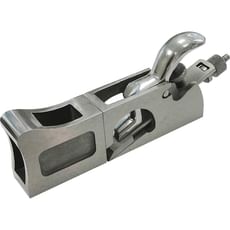
Specialist Applications: Rebate planes cut shoulders and housings that standard bench planes cannot reach. Shoulder planes refine tenon cheeks and clean up joinery. Spokeshaves shape curved work. Surforms rapidly remove material from wood, plasterboard, and composites. Match specialist planes to your specific requirements rather than accumulating tools you'll rarely use.
Budget Considerations: A premium plane from established manufacturers represents a lifetime investment, maintaining value and performance across decades. Entry-level planes from Silverline or Faithfull suit hobbyists and occasional users, though they may require tuning and setup. The selection at Tooled-Up spans all price points, ensuring options for every budget and skill level.
Popular Accessories
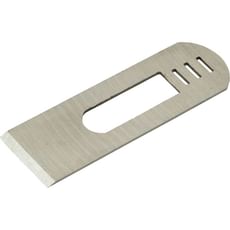
- Replacement Plane Irons: Upgrade blades in standard tool steel, A2, or premium alloys for improved edge retention and performance
- Sharpening Stones: Diamond plates, water stones, and oil stones for maintaining razor-sharp cutting edges
- Honing Guides: Ensure consistent bevel angles during sharpening, essential for beginners and for precision work
- Plane Blade Polishing Compounds: Stropping compounds for final edge refinement and micro-bevel honing
- Winding Sticks: Paired straight edges for checking board flatness and twist when dimensioning timber
- Maintenance Products: Camellia oil or tool wax prevents rust on cast iron surfaces; PTFE spray reduces friction on soles
- Storage Solutions: Tool rolls, wall racks, and drawer inserts protect precision-ground soles from damage
- Chipbreakers and Frogs: Replacement components to restore or upgrade existing planes
- Workbenches and Bench Hooks: Provide stable work-holding essential for safe, accurate hand planing
Safety Information
Blade Handling: Plane irons are extremely sharp—always handle by the sides, never test sharpness with your thumb, and store with blade guards or retracted into the body. When adjusting blade depth, advance slowly whilst testing on scrap timber to avoid suddenly protruding blades.
Workpiece Security: Always secure timber firmly using a bench vice, bench dogs, or stops. Never hold small pieces by hand whilst planing—fingers can slip into the blade path. Plane away from your body and keep hands behind the cutting edge.
Grain Direction: Planing against the grain causes tear-out and can result in the blade catching and jerking the plane unexpectedly. Read grain direction and adjust planing orientation accordingly, or use higher blade angles and tighter mouth settings on difficult timber.
Maintenance Safety: When sharpening, lapping soles, or performing maintenance, ensure blades are removed or fully retracted. Keep sharpening stones stable and use proper technique to avoid slipping onto sharp edges. Wear safety glasses when grinding or working with abrasive wheels.
Frequently Asked Questions
What's the difference between a block plane and a bench plane?
Block planes are smaller, designed for one-handed use, and typically feature bevel-up blade orientation with lower cutting angles, making them ideal for end-grain work, chamfering, and site carpentry. Bench planes are larger two-handed tools with bevel-down blade configurations, designed for stock removal, surface flattening, and achieving smooth finishes on long boards. Most woodworkers benefit from owning both types.
Why does my plane tear out the grain instead of cutting smoothly?
Tear-out typically results from planing against the grain direction, a dull blade, or incorrect plane setup. Try reversing planing direction to work with the grain. Ensure your blade is properly sharpened—a dull edge tears rather than slices fibres. Close the mouth opening, position the chipbreaker closer to the cutting edge (around 0.5mm), and take finer shavings. Highly figured or interlocked grain may require a higher blade angle or cabinet scraper for final finishing.
How often do plane blades need sharpening?
Sharpening frequency depends on timber species, blade material, and work type. Softwoods and prepared hardwoods may allow hours of work between sharpenings, whilst abrasive species like teak, or timber with silica content, dull edges quickly. Premium blade alloys maintain sharpness longer than standard carbon steel. Learn to recognise dulling signs: increased effort required, burnished rather than sliced surface, or the plane stopping mid-stroke. Regular honing on fine stones maintains edges between full sharpenings.
Can I use a hand plane on manufactured boards like MDF or plywood?
Yes, but with caveats. The glues and additives in manufactured boards are highly abrasive, dulling blades rapidly. MDF's fine dust clogs plane mechanisms. Use older or budget blades rather than premium irons, sharpen frequently, and expect reduced performance compared to solid timber. For heavy work on sheet materials, consider surform tools or power sanders instead. Hand planes work best on solid wood where their precision and surface quality advantages shine.
What plane should I buy first as a beginner?
A No.4 smoothing plane (approximately 250mm long) provides the most versatile starting point, handling both smoothing and general-purpose work in most workshops. Pair it with a quality low-angle block plane for one-handed tasks, and you'll cover 90% of typical planing needs. Prioritise quality over quantity—one well-made, properly sharpened plane outperforms several poorly adjusted budget tools. As skills develop, add specialist planes like a jack plane for stock removal or rebate plane for joinery work based on your specific projects.