

Power Tools


Featured Categories




New Products
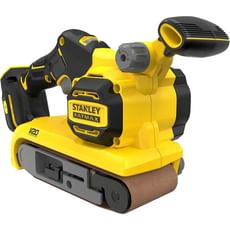
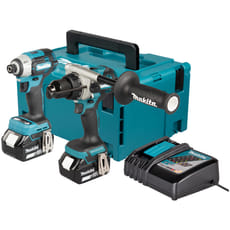


Top Sellers
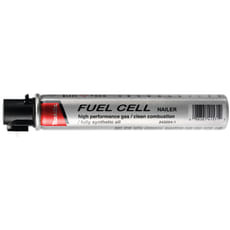
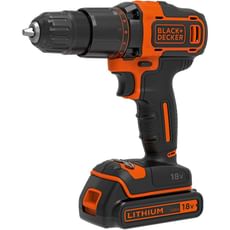


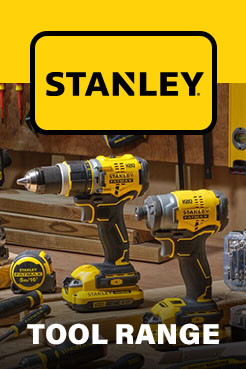


About Power Tools
Power tools have revolutionised the way tradespeople and DIY enthusiasts tackle projects, transforming tasks that once required hours of manual labour into jobs that can be completed in minutes. From drilling precise holes and driving screws to cutting materials and grinding surfaces, the right power tool dramatically improves efficiency, accuracy, and results. Whether you're a professional tradesperson working on site every day or a homeowner undertaking weekend projects, investing in quality power tools is essential for getting the job done properly.
Modern power tools offer unprecedented choice between corded and cordless systems. Corded tools provide consistent, uninterrupted power for demanding applications and extended use, running on UK 240v mains electricity. Cordless platforms deliver the freedom to work anywhere without trailing cables or the need for mains power. Today's lithium-ion battery technology has narrowed the performance gap considerably, with high-voltage cordless systems now capable of matching their corded counterparts for all but the most intensive professional applications. Battery platforms available at Tooled-Up.com range from compact 12v systems for light-duty work through to powerful 54v platforms that deliver cordless freedom without compromising on performance.
The comprehensive range at Tooled-Up spans everything from entry-level DIY options to professional-grade equipment built to withstand the rigours of daily site work. Trusted brands including DeWalt, Makita, Milwaukee, Bosch Professional, Festool, and Fein cater for trade users who demand reliability and performance, whilst accessible brands like Einhell and Bosch DIY offer excellent value for home users. Whether you need a single tool or are investing in a complete battery platform system, you'll find options to suit every budget, application, and skill level.
Jargon Buster
- Li-ion (Lithium-Ion): The standard battery technology for modern cordless tools, offering high energy density, no memory effect, and minimal self-discharge. Li-ion batteries are lighter and more powerful than older NiCd alternatives.
- Ah (Amp Hours): A measurement of battery capacity that indicates how long a battery can deliver power. Higher Ah ratings (e.g., 5.0Ah vs 2.0Ah) provide longer runtime between charges, though they add weight to the tool.
- Brushless Motor: An advanced motor design that eliminates carbon brushes, resulting in greater efficiency, longer runtime, extended motor life, and more compact tool designs. Brushless tools typically cost more but deliver superior performance and reduced maintenance.
- Torque: The rotational force a tool produces, measured in Newton metres (Nm). Higher torque values indicate greater power for demanding applications like driving large screws or drilling through tough materials.
- Variable Speed Control: A feature allowing users to adjust the tool's operating speed, essential for working with different materials and achieving optimal results without damage.
- Impact Action: A hammering mechanism that delivers rapid, repetitive blows whilst rotating or reciprocating, significantly increasing the tool's ability to drive fasteners or break through hard materials.
Who Uses Power Tools?
Power tools are essential equipment across virtually every construction trade and countless DIY applications:
- Electricians (sparkies): Drills, impact drivers, and hole borers for cable routing and fixing electrical accessories
- Carpenters and joiners (chippies): Circular saws, mitre saws, routers, biscuit jointers, and sanders for precision woodworking
- Plumbers: Reciprocating saws, impact wrenches, and specialist pipe cutting and threading tools
- Builders and general contractors: Complete ranges covering drilling, cutting, grinding, and demolition work
- Roofers: Cordless nailers, shears, and impact drivers for fixing materials at height
- Decorators: Sanders, heat guns, and paint mixers for surface preparation and finishing
- Landscapers and groundworkers: Cordless blowers, cutters, and demolition tools for outdoor applications
- Maintenance engineers: Impact wrenches, grinders, and drills for repair and servicing work
- DIY enthusiasts: Versatile multi-tools and starter kits for home improvement and repair projects
- Automotive mechanics: Impact wrenches, grinders, and polishers for vehicle maintenance and repair
How to Choose the Right Power Tools
Corded vs Cordless: Corded tools suit workshop environments and applications requiring sustained power, running on UK 240v mains electricity. Cordless tools excel for site work, working at height, and locations without power supply. Consider battery platform compatibility – investing in one manufacturer's ecosystem allows you to share batteries across multiple tools, delivering significant cost savings.
Voltage Considerations: Battery voltage broadly indicates power output. 12v tools offer compact size for light-duty work in confined spaces. 18v (or 20v Max) represents the sweet spot for most trades, balancing power and portability. Higher voltages (36v, 40v, 54v) deliver corded-like performance for the most demanding professional applications including heavy-duty breaking and large hole boring.
Professional vs DIY Grade: Professional tools feature more robust construction, powerful motors, advanced features, and comprehensive warranties to withstand daily commercial use. They represent better long-term value for tradespeople. DIY-grade tools offer excellent value for occasional home use but may lack the durability and performance for intensive applications.
Brushless Technology: Whilst brushless tools command a premium price, they deliver approximately 30% longer runtime, 50% extended motor life, and more compact designs. For professionals, this technology quickly pays for itself through reduced battery costs and increased productivity.
Ergonomics and Weight: Consider how the tool feels during extended use. Lighter cordless tools reduce fatigue when working overhead or all day. Features like rubberised grips, balanced weight distribution, and vibration reduction enhance comfort and control.
Battery System Investment: If building a cordless toolkit, commit to one manufacturer's battery platform. This allows you to share batteries and chargers across your entire collection, representing significant savings compared to maintaining multiple proprietary systems.
Popular Accessories
- Spare Batteries and Chargers: Additional battery packs ensure uninterrupted workflow, whilst rapid chargers minimise downtime. Consider higher capacity batteries for extended runtime on demanding applications.
- Drill Bits and Driver Bits: HSS bits for metal, wood bits for timber, masonry bits for brick and concrete, plus impact-rated screwdriver bits that withstand the forces from impact drivers.
- Cutting Discs and Grinding Wheels: Consumable abrasive discs for angle grinders, available in cutting, grinding, and polishing variants for different materials including metal, masonry, and stone.
- Saw Blades: Specialist blades optimised for wood, metal, masonry, or multi-material cutting, matched to your specific saw type for cleaner cuts and longer blade life.
- Dust Extraction Equipment: Vacuum attachments and extraction systems that capture harmful dust at source, essential for compliance with HSE regulations when cutting materials that produce hazardous dust.
- Tool Storage: Stackable storage systems like DeWalt TSTAK, Milwaukee PACKOUT, and Makita MakPac keep tools organised and protected on site and in transit, with modular designs that fit in vans and on shelves.
- Work Lights: Cordless LED work lights that share your tool batteries, providing illumination in dark spaces or during early starts and late finishes on site.
Safety Information
Power tools must be used responsibly with appropriate safety precautions to prevent injury. Always wear suitable PPE including safety glasses or goggles to protect against flying debris, hearing protection when using loud tools, and dust masks when cutting or grinding materials. Steel toe-cap boots and work gloves provide additional protection during demanding applications.
Before use, inspect tools for damage, ensure guards are fitted and functioning correctly, and verify that accessories are appropriate for the material and properly secured. Never bypass safety features or use tools for purposes they weren't designed for. When working with corded tools, check cables for damage and ensure they comply with UK electrical safety standards. Use an RCD (residual current device) adaptor when working outdoors or in damp conditions to protect against electric shock.
Follow HSE guidance regarding Control of Substances Hazardous to Health (COSHH), particularly when cutting materials that generate harmful dust. Many materials including wood (especially MDF), masonry, and metals produce dust that poses serious health risks with prolonged exposure. Use appropriate dust extraction and respiratory protection as required by current regulations.
Store batteries away from metal objects that could cause short circuits, and never expose them to excessive heat or physical damage. Charge batteries in well-ventilated areas using the manufacturer's designated charger. Maintain tools according to manufacturer guidelines, and withdraw damaged equipment from service immediately until properly repaired by a qualified technician.
Frequently Asked Questions
Should I choose corded or cordless power tools?
For site work, working at height, or locations without power supply, cordless tools are essential for their portability and convenience. Modern lithium-ion cordless tools now offer performance comparable to corded equivalents for most applications. However, corded tools remain preferable for workshop use, extended operation, or the most demanding applications where consistent 240v power is paramount. Many professionals maintain both types, selecting the appropriate tool for each specific situation based on location and application requirements.
Can I use batteries from one brand with another manufacturer's tools?
No, battery systems are proprietary to each manufacturer. An 18v Makita battery won't fit DeWalt tools, and vice versa. This is why it's important to commit to a single battery platform when building your cordless toolkit. Once you've invested in batteries and a charger from one manufacturer, adding additional bare tools (without batteries) from the same range becomes very cost-effective, as you can share power packs across your entire collection.
What voltage cordless platform should I choose?
For most tradespeople, 18v (or 20v Max) offers the best balance of power, runtime, and tool weight across the widest range of applications. This voltage handles everything from drilling and driving to sawing and grinding. Choose 12v for compact tools in tight spaces or lighter-duty work where reduced weight matters most. Consider higher voltages (36v, 40v, 54v) only if you regularly undertake demanding applications like heavy-duty breaking, large hole boring, or extended cutting that would otherwise require corded tools.
How long do lithium-ion batteries last?
With proper care, quality lithium-ion batteries typically provide 2-3 years of professional use before capacity degradation becomes noticeable. Battery life depends on usage intensity, charging habits, and storage conditions. To maximise lifespan, avoid completely depleting batteries before recharging, store them at moderate temperatures (not in hot vans or freezing sheds), and use them regularly rather than leaving them unused for extended periods. Higher-quality professional batteries generally outlast DIY-grade equivalents.
Do I need to buy professional-grade tools or are DIY versions sufficient?
If you're using tools daily for paid work, professional-grade equipment is essential. They're built to withstand intensive use, offer superior performance, and typically include comprehensive warranties (often 3 years). The investment pays for itself through reliability and longevity. For occasional home use, DIY-grade tools offer excellent value and will serve you well for weekend projects and general maintenance. Consider how frequently you'll use the tool and how demanding your applications will be when making this decision.
