

Pressure Sprayers & Accessories

Pay in 3 interest-free payments on purchases from £20-£3000 with  . Learn more.
 Loading...
End of content
Error - No more pages to load
About Pressure Sprayers & Accessories
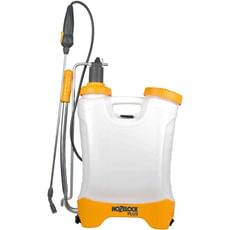
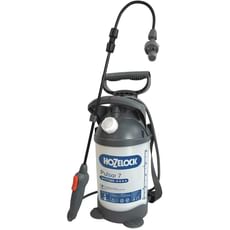
Pressure sprayers, also known as pump sprayers, knapsack sprayers or backpack sprayers, are essential tools for delivering liquid in pressurised spray form across a wide range of applications. From horticultural maintenance and agricultural work to construction site dust suppression and professional pest control, these versatile devices enable precise, controlled application of liquids including herbicides, pesticides, fertilisers, cleaning solutions and water. Tooled-Up.com stocks a comprehensive selection of pressure sprayers alongside a complete range of replacement parts and accessories to keep equipment operating at peak performance.
The category encompasses everything from manually operated pump sprayers ideal for domestic gardening through to professional-grade petrol-powered and battery-operated models capable of tackling demanding commercial applications. Modern pressure sprayers incorporate advanced features such as Viton seals—constructed from high-performance synthetic rubber that provides superior resistance to harsh chemicals and temperature extremes—ensuring longevity even when used with aggressive substances. When selecting a pressure sprayer, it's crucial to verify chemical compatibility, as construction materials and seal types vary significantly between models.
Beyond the sprayers themselves, this category includes an extensive range of accessories and spare parts organised into specialist subcategories: precision nozzles for different spray patterns, extension lances for hard-to-reach areas, replacement hoses, pump barrels, triggers, gauges, valves, gaskets, guards and comprehensive service kits. These components allow users to customise their equipment for specific tasks, maintain optimal performance and extend the operational lifespan of their investment. It's worth noting that pressure sprayers require air space within the tank to function correctly, so operational capacity is typically lower than the stated tank volume—this information is usually detailed in product specifications.
Jargon Buster
- Viton Seals: High-specification seals manufactured from fluoroelastomer rubber, offering exceptional chemical resistance and durability when handling aggressive substances such as concentrated herbicides, solvents and petroleum-based products.
- Operational Capacity: The maximum usable volume of liquid that can be added to a pressure sprayer whilst leaving sufficient air space for pressurisation. Typically 10-20% less than the stated tank capacity.
- Bar Pressure: The measurement of spray pressure, typically ranging from 2-6 bar for handheld models. Higher pressure enables finer atomisation and greater spray distance but may increase drift in windy conditions.
- Cone Nozzle: A spray tip that produces a hollow or solid cone-shaped spray pattern, ideal for even coverage of foliage and broader surface areas.
- Lance Extension: A rigid tube attachment that extends reach, enabling operators to spray elevated areas, under vehicles or into confined spaces without bending or climbing.
- COSHH Compatibility: Refers to whether a sprayer is suitable for use with substances regulated under Control of Substances Hazardous to Health regulations, requiring specific seal materials and construction standards.
Who Uses Pressure Sprayers & Accessories?
- Groundskeepers and Landscape Gardeners: For weed control, fertiliser application and general grounds maintenance
- Agricultural Workers and Farmers: Applying pesticides, herbicides and liquid feeds to crops and pasture
- Pest Control Professionals: Delivering insecticides and treatment solutions in domestic and commercial environments
- Construction Workers and Site Managers: Dust suppression during demolition, cutting and drilling operations
- Facilities Maintenance Teams: Cleaning, disinfection and surface treatment in commercial premises
- Vehicle Valeting and Detailing Professionals: Pre-wash treatments, wheel cleaner and interior detailing product application
- DIY Enthusiasts and Home Gardeners: Domestic garden maintenance, patio cleaning and general outdoor tasks
- Tree Surgeons and Arborists: Applying treatments to trees and vegetation at height using extended lance systems
- Industrial Cleaners: Applying degreasing agents, sanitisers and specialist cleaning solutions
How to Choose the Right Pressure Sprayers & Accessories
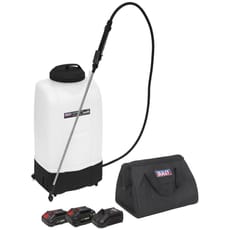
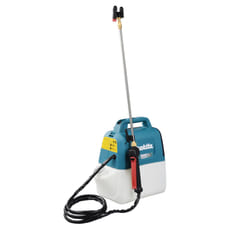
Capacity and Portability: Consider the area you need to cover and how frequently you'll need to refill. Compact 5-litre models suit domestic gardens and small jobs, whilst 12-16 litre backpack designs are preferred for professional applications requiring extended operation between fills. Battery-powered models eliminate manual pumping fatigue when covering larger areas.
Chemical Compatibility: Verify that the sprayer construction and seal materials are compatible with your intended liquids. Basic models with standard seals suit water-based solutions and mild chemicals, whilst Viton-sealed professional sprayers at Tooled-Up are necessary for harsh herbicides, solvents and petroleum products. Always check manufacturer specifications before use with aggressive substances.
Power Source: Manual pump sprayers offer simplicity and low cost but require regular pumping to maintain pressure. Rechargeable battery models provide consistent pressure and reduce operator fatigue on larger jobs. Petrol-powered units deliver maximum pressure and range for demanding applications such as tree spraying or large-scale agricultural work.
Pressure Output: Higher pressure (4-6 bar) provides finer droplet size and greater throw distance, beneficial for herbicide application and reaching elevated targets. Lower pressure (2-3 bar) reduces drift and is preferable for applying liquid feeds or when working in confined spaces.
Nozzle Selection: Different spray patterns suit different applications. Cone nozzles provide broad, even coverage for foliage spraying; fan nozzles create a flat pattern ideal for surface coating; adjustable nozzles offer versatility from fine mist to direct jet. Multiple nozzle types enable one sprayer to handle varied tasks.
Build Quality and Warranty: Professional users should prioritise robust construction with replaceable components, ensuring long-term serviceability. Check availability of spare parts including seals, pump assemblies, triggers and hoses to avoid premature disposal of repairable equipment.
Popular Accessories
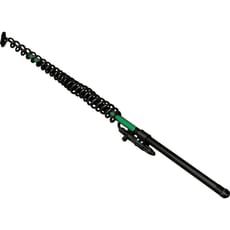
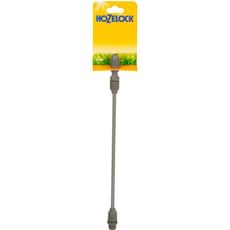
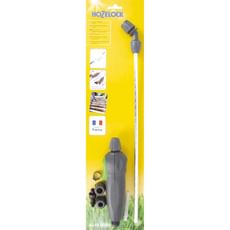
- Extension Lances: Rigid and telescopic variants from 50cm to 2 metres for reaching elevated areas without ladders
- Replacement Nozzles: Cone, fan, adjustable and specialist patterns for different spray requirements
- Spare Hoses: Reinforced chemical-resistant hoses in various lengths
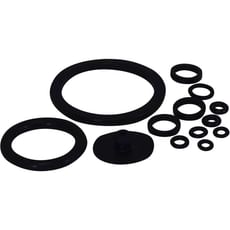
- Service and Seal Kits: Complete rebuild packages including O-rings, seals and gaskets for routine maintenance
- Pressure Gauges: For monitoring and maintaining optimal operating pressure
- Pump Barrels: Replacement pump assemblies for worn or damaged units
- Trigger Assemblies: Ergonomic replacement triggers with flow control and locking mechanisms
- Lance Guards: Protective shields preventing nozzle damage during storage and transport
- Harness Straps: Padded shoulder and waist straps for improved comfort with backpack models
- Viton Seal Upgrade Kits: Converting standard sprayers for use with more aggressive chemicals
Safety Information
Personal Protective Equipment: Always wear appropriate PPE when operating pressure sprayers, particularly when handling chemicals. As a minimum, use chemical-resistant gloves, eye protection and suitable clothing. When spraying herbicides or pesticides, respiratory protection may be required—consult product safety data sheets and COSHH assessments.
Chemical Handling: Only use chemicals in sprayers rated for that substance. Never mix different chemicals unless explicitly stated as compatible. Always add chemical concentrate to water rather than water to concentrate to minimise splashing. Store chemicals securely in original containers away from children and animals.
Pressure Release: Before opening, refilling or servicing a pressure sprayer, always release residual pressure using the pressure relief valve or by briefly operating the trigger. Failure to depressurise can result in liquid discharge and potential injury.
Equipment Maintenance: Thoroughly rinse sprayers after each use, especially when chemicals have been used. Periodically inspect seals, hoses and connections for wear or damage. Never leave sprayers pressurised when not in use. Follow manufacturer guidelines for routine servicing and seal replacement.
Environmental Considerations: Be mindful of spray drift, particularly in windy conditions. Avoid spraying near watercourses, wildlife habitats or neighbouring properties. Dispose of chemical containers and rinse water according to local authority guidelines and environmental regulations.
Frequently Asked Questions
Why can't I fill my pressure sprayer to the maximum stated capacity?
Pressure sprayers require air space within the tank to create the pressure needed for operation. When you pump the handle, you're compressing air which then forces liquid through the hose and nozzle. If filled to the brim, there's insufficient air to pressurise, rendering the sprayer inoperable. The operational capacity is typically 80-90% of total tank volume and should be specified in the product details.
How do I know if my pressure sprayer is suitable for a particular chemical?
Check the manufacturer's specifications for chemical compatibility, paying particular attention to seal materials. Basic models with standard rubber seals suit water-based products and mild detergents. For herbicides, pesticides and solvent-based products, you'll need a sprayer with Viton seals and chemical-resistant construction. When in doubt, contact the manufacturer or consult the chemical product's safety data sheet for guidance on suitable application equipment.
What pressure should my sprayer operate at?
Most handheld and backpack pressure sprayers operate between 2-4 bar, though some professional models reach 6 bar. The optimal pressure depends on your application: lower pressure (2-3 bar) produces larger droplets with less drift, suitable for liquid feeds and confined spaces; higher pressure (4-6 bar) creates finer atomisation for herbicides and extends spray distance. If your sprayer has a pressure gauge, consult the manual for recommended operating pressure.
How often should I service my pressure sprayer?
For occasional domestic use, inspect seals and connections annually and replace if showing signs of wear or leaking. Professional users should check seals monthly and consider a full service kit replacement every season or after approximately 100 hours of use. Always rinse thoroughly after each use and store with pressure released. Replace any component showing cracks, deterioration or reduced performance immediately.
Can I use the same sprayer for different chemicals?
Whilst technically possible with thorough cleaning between uses, it's advisable to dedicate separate sprayers for different chemical types—particularly keeping herbicide sprayers separate from those used for fertilisers or pesticides. Even trace amounts of herbicide can damage sensitive plants. If you must share equipment, flush thoroughly with clean water multiple times and run through the entire system before switching to a different chemical type.