

Pressure Sprayers

Pay in 3 interest-free payments on purchases from £20-£3000 with  . Learn more.
Loading...
End of content
Error - No more pages to load
About Pressure Sprayers
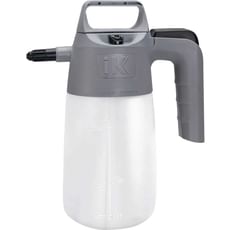
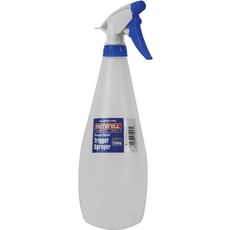
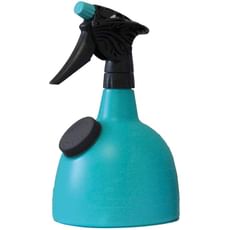
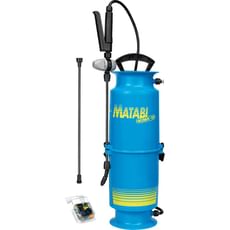
Pressure sprayers are versatile tools designed to distribute liquids evenly and efficiently across a wide range of applications. From garden maintenance and pest control to industrial cleaning and vehicle washing, these essential devices use compressed air or battery power to create consistent pressure, delivering a fine mist or targeted spray. Whether you're treating weeds in your garden, applying pesticides to crops, or cleaning equipment on a worksite, pressure sprayers provide precise control and reduce physical strain compared to manual application methods.
Tooled-Up.com stocks a comprehensive range of pressure sprayers to suit every need and budget, featuring trusted brands including Hozelock, Draper, Gardena, Faithfull, and Einhell. The selection spans from compact handheld models ideal for small indoor and outdoor tasks, through to professional-grade knapsack sprayers and cordless battery-powered units that eliminate the need for manual pumping. Modern pressure sprayers come equipped with adjustable nozzles, extension wands, and interchangeable spray heads, allowing users to adapt the spray pattern and reach to suit specific tasks.
Available in various capacities ranging from convenient 1-litre bottles to substantial 15-20 litre backpack units, pressure sprayers cater to both domestic DIY enthusiasts and professional tradespeople. Manual pump sprayers remain popular for occasional use, whilst battery-powered models using 18v or 20v lithium-ion technology offer consistent pressure without manual effort, making them ideal for larger areas or frequent application work.
Jargon Buster
- PSI (Pounds per Square Inch): The measurement of pressure output from the sprayer. Higher PSI values (typically 40-70 PSI for garden sprayers) provide more forceful spray coverage and better penetration for dense foliage or stubborn stains.
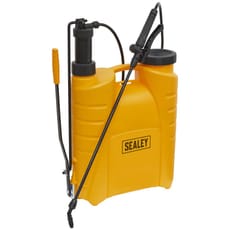
- Knapsack Sprayer: A backpack-style pressure sprayer worn on the shoulders, distributing weight evenly for comfortable extended use. Particularly popular for horticultural applications and larger treatment areas.
- EPDM (Ethylene Propylene Diene Monomer): A synthetic rubber material used in premium sprayer seals and gaskets, offering excellent chemical resistance and durability when using pesticides, herbicides, and cleaning solutions.
- Diaphragm Pump: A pumping mechanism that uses a flexible membrane to create pressure, typically found in cordless sprayers. Provides consistent flow without requiring manual pumping action.
- Adjustable Nozzle: A spray head that allows users to modify the spray pattern from fine mist to concentrated jet stream, providing versatility for different application requirements.
- Lance/Wand Extension: An extended tube attachment that increases reach, allowing users to spray overhead branches, underneath vehicles, or hard-to-access areas without bending or stretching.
Who Uses Pressure Sprayers?
- Gardeners and Horticulturalists: For applying fertilisers, pesticides, herbicides, and fungicides to plants, lawns, and garden beds
- Groundskeepers and Landscapers: Managing large green spaces, controlling weeds, and maintaining sports pitches and public parks
- Agricultural Workers and Farmers: Treating crops, livestock areas, and managing pest control across agricultural land
- Vehicle Valets and Detailers: Applying cleaning solutions, degreasers, and pre-wash treatments to cars, vans, and commercial vehicles
- Pest Control Professionals: Precise application of insecticides and treatments in domestic and commercial properties
- Industrial Cleaners and Facilities Managers: Sanitising equipment, cleaning machinery, and maintaining hygiene in warehouses and production facilities
- DIY Enthusiasts and Homeowners: General garden maintenance, cleaning patios and decking, treating mould and algae on external surfaces
- Painters and Decorators: Applying wallpaper strippers, mould treatments, and surface preparation solutions
How to Choose the Right Pressure Sprayers
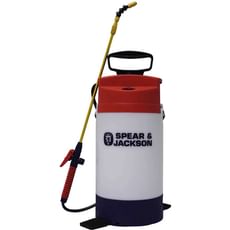
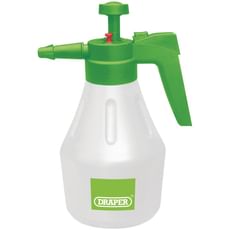
Capacity and Portability: Consider the size of area you'll be treating. Handheld 1-2 litre sprayers suit small gardens and indoor use, whilst 5-8 litre models balance capacity with manoeuvrability. For extensive areas, knapsack sprayers offering 12-20 litres reduce refilling frequency, though they're heavier when full. Look for adjustable shoulder straps and ergonomic designs if you'll be carrying the sprayer for extended periods.
Manual vs. Cordless Operation: Manual pump sprayers are economical and require no batteries, making them reliable for occasional use. However, cordless models available at Tooled-Up eliminate pumping fatigue and maintain consistent pressure throughout use. Battery-powered options using 18v or 20v platforms offer dual-speed motors with adjustable PSI settings, ideal for professional users or those with larger treatment areas. Check whether batteries and chargers are included or sold separately.
Chemical Compatibility: Verify the sprayer's construction materials match your intended applications. EPDM seals and FPM (Fluoroelastomer) gaskets provide superior chemical resistance for pesticides and aggressive cleaning agents. Standard plastic sprayers suffice for water-based fertilisers and mild solutions. If you'll be using multiple chemical types, consider dedicated sprayers for different applications to prevent contamination.
Nozzle Options and Adjustability: Quality pressure sprayers include adjustable brass or plastic nozzles offering variable spray patterns from fine mist to direct jet. Multiple interchangeable spray heads expand versatility, whilst extension wands (typically 50-100cm) improve reach for overhead or ground-level applications without uncomfortable positioning. Look for models with comfortable trigger mechanisms featuring lock-on options for continuous spraying.
Build Quality and Warranty: Professional-grade sprayers from brands like Draper Expert and Gardena feature reinforced tanks, metal pump components, and comprehensive warranties. Translucent tanks with measurement markings aid accurate mixing and monitoring of solution levels. Check for wide fill openings that simplify cleaning and prevent spillage during refilling. Pressure relief valves are essential safety features preventing over-pressurisation.
Popular Accessories
- Extension Lances and Wands: Telescopic and fixed-length extensions for reaching elevated or difficult areas
- Interchangeable Nozzle Sets: Specialist spray heads for different applications including fan spray, cone spray, and jet stream patterns
- Replacement Seals and Gaskets: EPDM and FPM seal kits to maintain sprayer performance and chemical resistance
- Spare Batteries and Chargers: Additional 18v/20v battery packs for cordless models ensuring uninterrupted operation
- Pressure Gauges: Monitoring equipment to verify consistent operating pressure during application
- Filter Screens and Strainers: Preventing nozzle blockages when using particulate-containing solutions
- Carrying Straps and Harnesses: Enhanced comfort accessories for backpack and knapsack sprayers
- Chemical-Resistant Gloves: Personal protective equipment for safe handling of pesticides and cleaning chemicals
- Measuring Jugs and Mixing Containers: Accurate preparation of spray solutions to manufacturer specifications
Safety Information
Personal Protective Equipment: Always wear appropriate PPE when using pressure sprayers, particularly when handling pesticides, herbicides, or chemical cleaning agents. This includes chemical-resistant gloves, eye protection, and respiratory protection where specified by the chemical manufacturer. Follow COSHH (Control of Substances Hazardous to Health) regulations when working with hazardous substances in professional environments.
Chemical Handling: Read all chemical labels thoroughly before use and follow mixing instructions precisely. Never exceed recommended concentrations as this can damage plants, surfaces, or the sprayer itself. Store chemicals in their original containers in secure, well-ventilated areas away from children and pets. Dispose of unused chemicals and rinse water according to local environmental regulations.
Equipment Maintenance: Thoroughly rinse pressure sprayers after each use, particularly when switching between different chemicals. Residual pesticides or herbicides can contaminate subsequent applications. Release pressure before opening tanks or removing nozzles to prevent injury from unexpected discharge. Regularly inspect seals, hoses, and connections for wear or damage, replacing components as needed to prevent leaks.
Safe Operating Practices: Never spray in windy conditions that could cause drift onto unintended areas, neighbouring properties, or people. Avoid spraying near water sources, drains, or areas accessible to wildlife unless using appropriate aquatic-safe products. For battery-powered models, follow manufacturer guidelines for charging and storage, keeping batteries away from heat sources and moisture.
Frequently Asked Questions
What's the difference between a pump sprayer and a cordless pressure sprayer?
Manual pump sprayers require you to build pressure by operating a handle or plunger before use, and pressure gradually decreases during application requiring periodic re-pumping. Cordless pressure sprayers use battery-powered diaphragm pumps to maintain consistent pressure automatically throughout operation, eliminating manual effort. Whilst cordless models cost more initially, they significantly reduce fatigue during extended use and provide more uniform spray coverage. Browse the cordless options at Tooled-Up.com from Draper, Einhell, and other leading brands.
Can I use the same pressure sprayer for different chemicals?
Whilst possible with thorough cleaning, it's advisable to dedicate separate sprayers for different chemical types to prevent cross-contamination. Herbicides, in particular, can leave residues that damage desirable plants even after rinsing. If you must use one sprayer for multiple purposes, flush it multiple times with clean water, then with a mild detergent solution, followed by several clear water rinses. For professional use or frequent applications, investing in separate colour-coded sprayers for herbicides, pesticides, and fertilisers prevents costly mistakes.
How do I maintain my pressure sprayer to ensure longevity?
After each use, empty any remaining solution and rinse the tank thoroughly with clean water. Pump this rinse water through the system to clean internal components, hoses, and nozzles. Remove and clean filters and nozzles separately if they become blocked. Store sprayers with the pressure released and caps slightly loose to prevent seal damage. Periodically lubricate pump mechanisms and O-rings with silicone grease. For cordless models, remove batteries before storage and charge them according to manufacturer recommendations to maintain battery health.
What capacity pressure sprayer do I need for my garden?
For small gardens and patios up to 50 square metres, a 1-2 litre handheld sprayer provides adequate capacity with easy manoeuvrability. Medium gardens between 50-200 square metres benefit from 5-8 litre pump sprayers offering good balance between capacity and weight. Large gardens, allotments, or professional applications exceeding 200 square metres warrant 12-20 litre knapsack models or cordless backpack sprayers to minimise refilling interruptions. Consider how frequently you'll use the sprayer and whether you're comfortable carrying heavier loads when full.
Are battery-powered sprayers compatible with my existing power tool batteries?
Some cordless pressure sprayers use proprietary battery systems specific to that brand and model, whilst others utilise established power tool battery platforms like those from Draper's D20 range or Einhell's Power X-Change system. If you already own cordless tools from these manufacturers, choosing a compatible sprayer allows battery and charger sharing, reducing costs and storage requirements. Check product specifications carefully or contact the Tooled-Up team to confirm battery compatibility before purchasing if you wish to integrate with your existing tool collection.