

Pruning Saws
Pay in 3 interest-free payments on purchases from £30-2000 with  . Learn more.
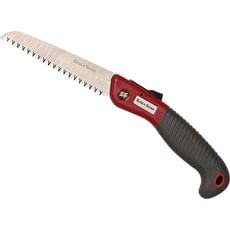
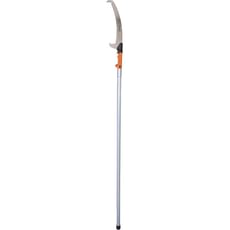
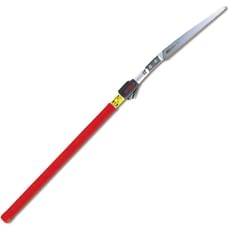
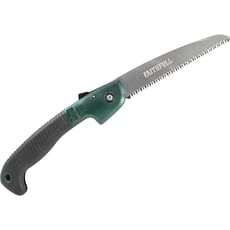
 Loading...
End of content
Error - No more pages to load
About Pruning Saws
Pruning saws are essential cutting tools designed for removing dead, green or overgrown branches on trees, bushes and other large flora. Whether you're maintaining garden aesthetics, harvesting wood or promoting healthy plant growth, these specialised saws offer superior control and cutting efficiency compared to standard wood saws. Their compact design and aggressive tooth patterns make them ideal for cutting small to medium-sized branches in confined spaces where larger tools like bow saws or chainsaws would be impractical or dangerous.
The range available at Tooled-Up.com includes traditional handheld pruning saws, folding models for portability, and pole or telescopic variants that enable safe access to higher branches without the need for ladders. Modern pruning saws feature precision-ground teeth with razor-sharp edges, hard-chrome plating for rust resistance, and ergonomic handles for comfortable extended use. Premium models incorporate impulse-hardened teeth for exceptional durability and unique blade geometries that produce remarkably clean cuts with minimal effort on the pull stroke.
Tooled-Up stocks pruning saws from respected manufacturers including ARS, Bahco, Gardena, Draper and Faithfull, offering solutions for both occasional garden maintenance and professional arboricultural work. With options ranging from compact folding saws for portable use to professional-grade pole saws with telescopic extensions, there's a pruning saw suitable for every application and skill level.
Jargon Buster
- Impulse Hardening - A heat treatment process that selectively hardens the cutting teeth whilst maintaining flexibility in the blade body, resulting in teeth that stay sharper for longer and resist damage from knots or dense wood.
- Hard-Chrome Plating - A durable surface finish applied to saw blades that provides excellent rust and corrosion resistance whilst creating a low-friction surface that's easy to wipe clean of sap and debris.
- Turbo Cut / Taper Ground Teeth - A tooth design where each cutting edge is ground thinner towards the tip, creating a kerf wider than the blade thickness. This prevents binding and allows faster, effortless cutting with reduced friction.
- Pull Stroke Cutting - Unlike conventional saws that cut on the push stroke, quality pruning saws cut on the pull, allowing greater control and reducing the risk of blade buckling when cutting overhead branches.
- Pole Saw / Telescopic Saw - A pruning saw mounted on an extendable pole or fixed handle, enabling users to reach high branches from ground level, typically extending from 2.7 to 4 metres or more.
- Folding Pruning Saw - A compact design where the blade folds into the handle for safe storage and transport, popular with arborists, countryside workers and outdoor enthusiasts.
Who Uses Pruning Saws?
- Professional Arborists - Tree surgeons and arboricultural contractors requiring precision cutting tools for crown reduction, deadwood removal and tree maintenance work
- Gardeners & Groundskeepers - Landscape gardeners, estate managers and parks maintenance teams maintaining ornamental trees, shrubs and hedgerows
- Fruit Growers & Horticulturalists - Orchard managers and commercial growers performing seasonal pruning of fruit trees and productive plants
- Forestry Workers - Woodland managers and forestry contractors undertaking selective thinning, coppicing and sustainable woodland management
- Countryside Rangers - Conservation workers and estate gamekeepers maintaining footpaths, rides and habitat structures
- DIY Enthusiasts & Homeowners - Keen gardeners maintaining their own fruit trees, ornamental trees and established shrubs
- Outdoor Enthusiasts - Bushcraft practitioners and camping enthusiasts requiring portable cutting tools for shelter building and firewood preparation
How to Choose the Right Pruning Saws
Blade Length and Type: Consider the typical branch diameter you'll be cutting. Blades between 180-210mm suit most garden pruning tasks, whilst 270-330mm blades handle larger branches more efficiently. Curved blades provide faster cutting on live wood, whilst straight blades offer greater versatility for various materials.
Folding vs Fixed Blade: Folding pruning saws offer excellent portability and safe storage, ideal if you're moving between locations or have limited storage space. Fixed-blade models typically provide greater rigidity for demanding professional use and are often found on pole saw attachments.
Tooth Configuration: Look for impulse-hardened teeth with hard-chrome plating for longevity and easy cleaning. Taper-ground or turbo-cut tooth patterns provide faster cutting with less effort. Teeth-per-inch (TPI) affects cutting speed versus smoothness - fewer, larger teeth cut faster but rougher, whilst finer teeth produce cleaner cuts.
Handle Design: Ergonomic handles with non-slip rubber grips reduce hand fatigue during extended use. Some professional models feature double-handed grips for improved control when cutting larger branches. Consider handle length relative to the blade for balanced cutting performance.
Reach Requirements: If you regularly work with tall trees or need to avoid ladder use, telescopic or pole pruning saws are essential. Models available at Tooled-Up extend from approximately 2.7 metres up to 4 metres or more, with some systems accepting interchangeable cutting heads.
Brand and Build Quality: Premium brands like ARS, Bahco and Felco offer superior blade metallurgy, precision-ground teeth and robust construction that justifies the investment for professional use. Budget options from Draper or Faithfull provide good value for occasional domestic use.
Popular Accessories
- Pruning Saw Blades - Replacement blades for pole saws and certain modular pruning saw systems, extending tool life and maintaining cutting performance
- Telescopic Poles and Extensions - Additional pole sections or extension tubes to increase reach for high-branch access
- Pruning Secateurs and Loppers - Complementary cutting tools for smaller branches and precision pruning work
- Work Gloves - Protective gloves with good grip for safe handling when working with thorny shrubs or rough bark
- Safety Glasses - Eye protection against falling sawdust, wood chips and small debris when cutting overhead
- Pruning Sealant - Wound dressing for sealing large cuts on valuable ornamental trees
- Tool Belts and Holsters - Convenient carry solutions for arborists working at height or moving between cutting locations
- Sharpening Tools - Diamond files or specialist saw sharpeners for maintaining blade edge sharpness
Safety Information
Always wear appropriate personal protective equipment including safety glasses or goggles to protect against falling debris, particularly when cutting overhead branches. Sturdy gloves provide protection from thorns, splinters and the sharp blade edge. When using pole or telescopic pruning saws, be aware of overhead power lines and maintain a safe distance - never work near electrical cables.
Ensure secure footing before commencing cutting operations, and avoid overreaching which can lead to loss of balance. When working at height, use proper access equipment and consider whether the task requires professional arborists with appropriate training and equipment. Keep hands and fingers well clear of the cutting line, and always cut away from your body.
Folding pruning saws should be fully locked in the open position before use and securely closed when not in use. Store all pruning saws safely out of children's reach with blade guards or covers fitted where provided. Maintain blades in good condition - damaged or excessively worn teeth are more likely to snag or slip. Follow manufacturer guidelines for blade replacement intervals on pole saw systems.
Be mindful of branch tension and potential spring-back when cutting - branches under stress can move unpredictably when severed. Never cut branches above head height whilst standing directly beneath them, and ensure the drop zone is clear of people, pets and valuable property.
Frequently Asked Questions
What's the difference between a pruning saw and a regular wood saw?
Pruning saws feature specially designed teeth that cut on the pull stroke rather than the push, providing better control when cutting live wood and overhead branches. The teeth are typically impulse-hardened and have wider spacing to cope with green, sappy wood without clogging. The curved blade design common on pruning saws also provides faster cutting through living branches compared to straight-bladed carpentry saws.
Can I sharpen my pruning saw blade at home?
Whilst basic maintenance is possible with specialist saw files, modern impulse-hardened teeth with complex geometries are difficult to sharpen effectively at home. Most manufacturers recommend blade replacement rather than sharpening for optimal performance. However, keeping the blade clean and free from sap deposits will maintain cutting efficiency between uses.
What diameter branches can I cut with a pruning saw?
This depends on blade length and tooth configuration, but most handheld pruning saws effectively cut branches from 25mm up to approximately 100-130mm diameter. Beyond this size, you may need a bow saw or chainsaw. Pole pruning saws are generally suited to smaller diameter branches due to the mechanical limitations of working at extended reach.
Do I need a folding or fixed-blade pruning saw?
Folding models are ideal if portability and safe storage are priorities - perfect for allotment holders, countryside walkers or anyone with limited storage space. Fixed-blade models offer maximum rigidity for professional use and are the standard design for pole-mounted applications. Many professional arborists carry both types for different situations.
How do I maintain my pruning saw?
Clean the blade after each use with warm soapy water to remove sap and debris, then dry thoroughly to prevent rust. A light application of camellia oil or similar protectant helps preserve hard-chrome finishes. Check folding mechanisms regularly and apply a drop of light oil to pivot points. Store in a dry location, ideally with a blade guard or cover fitted. Inspect teeth regularly for damage and replace blades showing significant wear or broken teeth.