

Ratchet Spanners

Pay in 3 interest-free payments on purchases from £20-£3000 with  . Learn more.
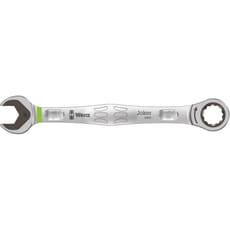
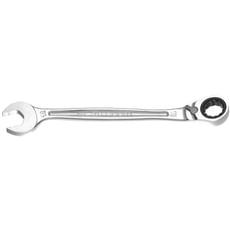
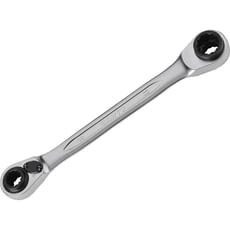
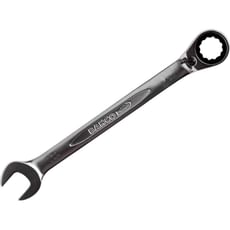

 Loading...
End of content
Error - No more pages to load
About Ratchet Spanners
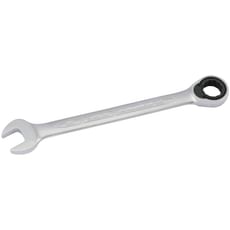
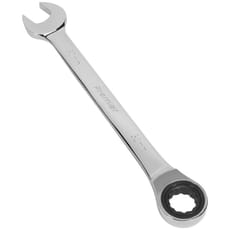
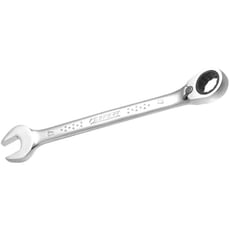
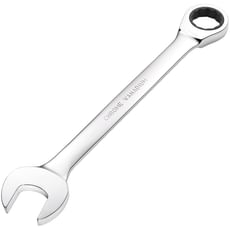
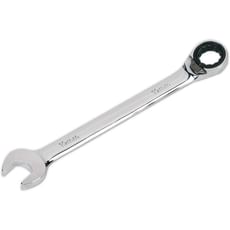
Ratchet spanners combine the accessibility of a traditional open-ended or ring spanner with an integrated ratcheting mechanism that eliminates the need to lift and reposition the tool after each turn. This ingenious design allows tradespeople to work continuously in confined spaces where a full swing isn't possible, dramatically reducing the time and effort required for fastening and loosening nuts and bolts. The ratchet mechanism typically requires just 5 to 15 degrees of movement to advance to the next position, making these tools indispensable for automotive work, plumbing installations, and machinery maintenance where access is restricted.
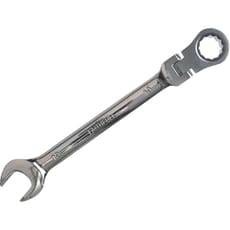
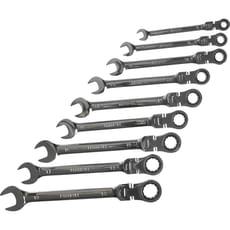
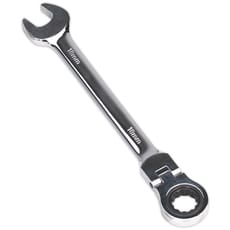
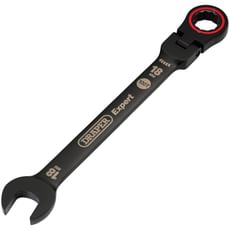
The collection available from Tooled-Up.com features ratchet spanners from trusted manufacturers including Bahco, Draper, Blue Spot, Bosch Professional, and Elora. These spanners come in various configurations including combination designs with a ratchet ring at one end and an open jaw at the other, double-ring ratchet spanners for maximum grip, and innovative flexible head models that can pivot up to 180 degrees for working around obstructions. Most professional-grade ratchet spanners feature a reversible mechanism with a simple switch or lever, allowing instant changes between tightening and loosening without removing the tool from the fastener.
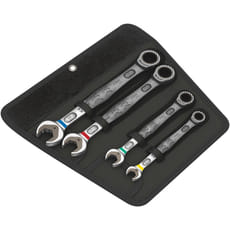
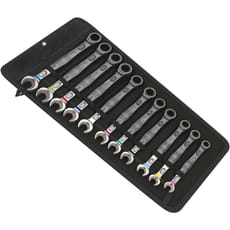
Quality ratchet spanners are manufactured from high-performance alloy steel with chrome plating for corrosion resistance and longevity. Many feature a 12-point Dynamic-Drive profile or similar technology that distributes force more evenly around the fastener, reducing the risk of rounding off bolt heads and extending the working life of both the tool and the fixings. Sets ranging from 3-piece essentials to comprehensive 10-piece collections ensure professionals have the correct size for metric and imperial applications across automotive, industrial, and construction environments.
Jargon Buster
- Ratcheting Mechanism: An internal pawl and gear system that allows the spanner to turn the fastener in one direction whilst freeing the tool to return without rotating the nut or bolt, eliminating the need to remove and reposition the tool between turns.
- Action Angle: The minimum arc of swing required to advance the ratchet mechanism to the next tooth position, typically between 5 and 15 degrees. A smaller action angle provides greater utility in confined spaces with limited movement.
- 12-Point Drive (Bi-Hex): A ring end with twelve contact points instead of six, allowing the spanner to engage the fastener at more positions, particularly useful in tight spaces where repositioning options are limited.
- Flexible Head: A pivoting head design that allows the spanner to be angled up to 180 degrees relative to the handle, enabling access around pipes, hoses, and other obstructions commonly encountered in engine bays and mechanical assemblies.
- Combination Ratchet Spanner: A spanner with different ends serving complementary purposes—typically a ratcheting ring at one end for speed work and an open jaw at the other for final tightening or initial breaking of stubborn fasteners.
- Reversing Lever: A small switch or slider on the spanner head that changes the ratchet direction from clockwise to anticlockwise, allowing the same tool to both tighten and loosen without flipping or removing it from the fastener.
Who Uses Ratchet Spanners?
- Motor Mechanics and Auto Electricians: Essential for working in cramped engine compartments, under dashboards, and around exhaust systems where traditional spanners require excessive repositioning.
- Plant Fitters and Industrial Engineers: For maintaining and servicing machinery, conveyors, and production equipment where access to fasteners is frequently restricted by guards, frames, and adjacent components.
- Bicycle Mechanics: Particularly useful for working on brake assemblies, gear mechanisms, and frame components where lightweight construction limits working clearance.
- White Goods Engineers: For servicing washing machines, dishwashers, and other domestic appliances where fasteners are often positioned in tight cavities behind panels and housings.
- Plumbers and Heating Engineers: Invaluable when working on radiator valves, compression fittings, and tap assemblies in confined spaces beneath sinks and behind bath panels.
- Construction and Shopfitting Tradespeople: For assembling steel frameworks, shelving systems, and structural connections where speed and efficiency directly impact project timelines.
- DIY Enthusiasts: Home mechanics and keen DIYers undertaking vehicle maintenance, furniture assembly, and general repairs benefit from the speed and accessibility advantages of ratchet spanners.
How to Choose the Right Ratchet Spanners
Size Range and Measurement System: Determine whether you primarily work with metric or imperial fasteners, or require both. Professional sets from brands like Bahco and Draper typically cover the most common metric sizes from 8mm to 19mm, whilst dedicated imperial sets cover SAE measurements. Comprehensive collections ensure you're equipped for diverse applications without needing multiple separate purchases.
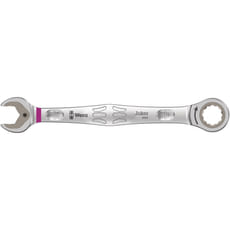
Ring End Configuration: Consider whether you need combination spanners with one ratchet ring and one open end, or double-ring designs where both ends feature ratcheting capability. Combination styles offer versatility, whilst double-ring models provide enhanced grip and are less likely to slip under high torque.
Flexible Head or Fixed: Flexible head ratchet spanners from manufacturers like Blue Spot pivot through various angles, making them invaluable for automotive work and confined industrial applications. Fixed head designs are generally more robust for heavy-duty applications and high-torque situations where leverage and strength take priority over articulation.
Action Angle and Tooth Count: The ratchet mechanism's action angle determines how little swing room you need. Premium models like the Bahco 1RM series feature a 5-degree action angle, requiring minimal movement—ideal for extremely tight spaces. Higher tooth counts in the ratchet mechanism correspond to finer action angles but may sacrifice some strength under extreme loads.
Build Quality and Material: Professional-grade ratchet spanners manufactured from chrome vanadium steel or similar high-performance alloys provide the durability required for daily commercial use. Chrome plating not only resists corrosion but also wipes clean easily in workshop environments. Tools meeting BS/EN standards ensure compliance with UK quality benchmarks.
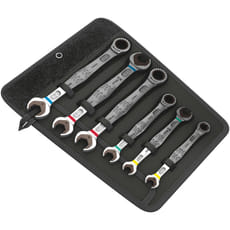
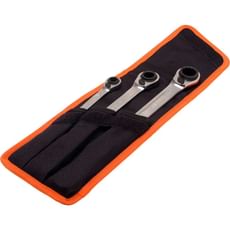
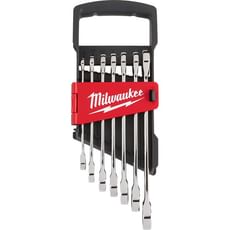
Individual Tools vs Sets: Sets ranging from 3-piece starter collections to comprehensive 10-piece assortments represent better value for money and ensure consistent quality across sizes. However, if you frequently work with specific fastener sizes, purchasing individual premium spanners for those applications may be more economical than replacing entire sets when wear occurs.
Popular Accessories
- Socket Sets: Complement ratchet spanners with socket sets and ratchet handles for even faster work on accessible fasteners and deeper recessed nuts.
- Spanner Rolls and Tool Storage: Protective storage solutions keep ratchet spanners organised, prevent damage to the ratchet mechanisms, and make transport to site work locations more convenient.
- Torque Wrenches: When precise tightening specifications matter—particularly in automotive, aerospace, and critical machinery applications—torque wrenches ensure fasteners meet manufacturer requirements.
- Impact-Rated Sockets: For use with air or cordless impact drivers, these complement ratchet spanners by handling the initial breaking and final tightening on stubborn fasteners.
- Penetrating Oil and Release Sprays: Essential lubricants for freeing seized fasteners before applying torque with ratchet spanners, reducing the risk of shearing bolts or rounding heads.
- Combination Spanner Sets: Standard fixed-head spanners remain useful for final torquing and situations where the additional thickness of a ratchet mechanism prevents access.
- Magnetic Parts Trays: Keep removed nuts, bolts, and washers secure and organised during disassembly, particularly valuable during complex automotive or machinery repairs.
Frequently Asked Questions
Can ratchet spanners be used for high-torque applications?
Quality ratchet spanners from manufacturers like Bahco and Bosch Professional are engineered for substantial torque loads typical of automotive and industrial applications. However, the ratchet mechanism does introduce additional complexity compared to solid spanners. For initial breaking of extremely tight fasteners or final torquing beyond hand-tool limits, a solid spanner or breaker bar may be preferable. Most professionals use ratchet spanners for the bulk of the work and switch to traditional tools for extreme torque situations.
What's the difference between 12-point and 6-point ratchet rings?
A 12-point (bi-hex) ring end engages fasteners at twice as many positions as a 6-point design, requiring only 30 degrees of rotation to reposition rather than 60 degrees. This makes 12-point spanners considerably more versatile in confined spaces. The 6-point design provides marginally better grip distribution and may be less prone to rounding damaged fastener heads, though quality 12-point designs like those from Tooled-Up incorporate Dynamic-Drive technology to minimise this risk whilst maintaining accessibility advantages.
How do I maintain the ratchet mechanism?
Ratchet spanners require minimal maintenance but benefit from occasional cleaning and lubrication. After exposure to dirt, water, or corrosive environments, wipe the tool clean and apply a light machine oil to the ratchet mechanism, working the reversing lever and cycling the ratchet several times to distribute lubricant. Avoid pressure washers or submersion, as this can force contaminants into the mechanism. Store ratchet spanners in dry conditions, preferably in a tool roll or drawer rather than loose in a toolbox where impacts might damage the ratcheting components.
Are flexible head ratchet spanners as strong as fixed head versions?
The pivot mechanism in flexible head designs does introduce an additional potential point of wear compared to solid fixed-head construction. However, quality flexible spanners are engineered with robust pivot pins and reinforced heads that withstand typical professional use. For maximum torque applications or where durability under extreme conditions is paramount, fixed head designs remain the most robust choice. Many professionals keep both types—flexible head spanners for accessibility challenges and fixed head versions for heavy-duty applications.
What sizes should be included in a starter ratchet spanner set?
For UK tradespeople working primarily with metric fasteners, a core set covering 8mm, 10mm, 12mm, 13mm, 15mm, 17mm, and 19mm addresses the majority of automotive, plumbing, and general engineering applications. The 10mm, 13mm, and 17mm sizes see particularly heavy use. Three-piece sets focusing on these common sizes provide an economical entry point, whilst comprehensive 8 or 10-piece collections ensure readiness for diverse situations without mid-job trips for additional tools. Those working on imported machinery or classic vehicles may require imperial sizes including 3/8", 7/16", 1/2", 9/16", 5/8", and 3/4".