
Saw Blades & Holesaws

Pay in 3 interest-free payments on purchases from £20-£3000 with  . Learn more.


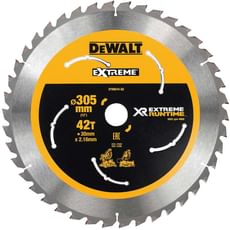
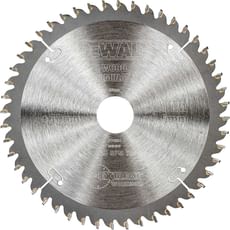
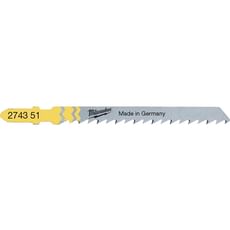
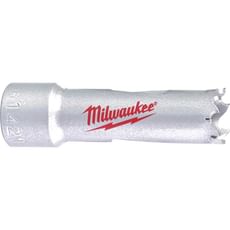

Loading...
End of content
Error - No more pages to load
About Saw Blades & Holesaws
Saw blades and holesaws are essential cutting accessories for powered and manual tools, designed to cut through a wide range of materials including wood, metal, plastic, masonry, and composite materials. The category encompasses everything from fine-toothed jigsaw blades for intricate curves to robust circular saw blades for ripping timber, plus specialised holesaws for creating precise circular apertures in various substrates. Each blade type is engineered for specific applications, with variations in tooth configuration, blade material, and coating technology to optimise cutting performance, longevity, and finish quality.
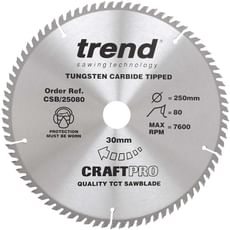
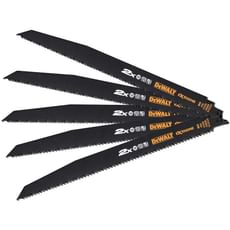
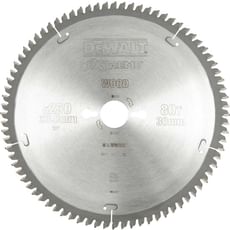
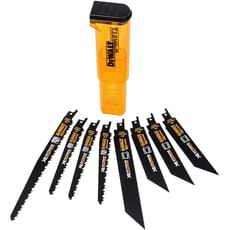
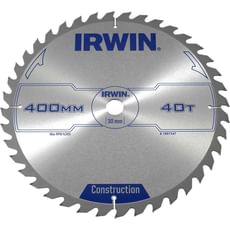
Tooled-Up.com stocks an extensive selection spanning multiple blade types and formats. Circular saw blades range from compact 85mm options for mini saws through to 305mm blades for mitre and table saws, with tooth counts varying from aggressive 24-tooth rip blades to fine 80-tooth crosscut and laminate blades. Reciprocating and sabre saw blades offer versatility for demolition work and plunge cutting, whilst bandsaw blades provide continuous cutting action for workshop applications. Jigsaw blades remain the go-to choice for curved and intricate cuts, available in T-shank and U-shank configurations with blade lengths from 75mm to 155mm.
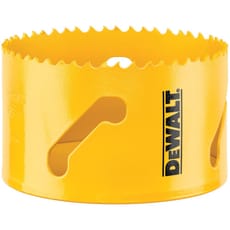
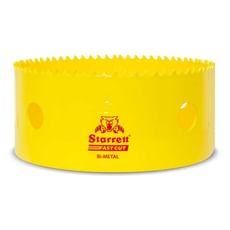
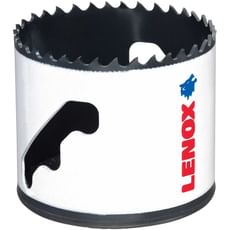
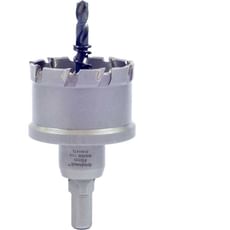
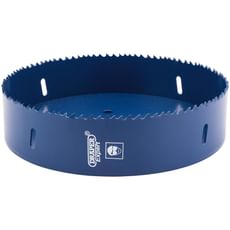
Holesaws represent a specialised subcategory, consisting of cylindrical cutting tools with teeth around the perimeter, designed to cut clean circular holes from 14mm to 152mm diameter in materials including timber, plasterboard, plastic, and metal. Quality holesaws feature bi-metal construction combining high-speed steel teeth with a flexible backing material to resist breakage, whilst diamond-grit holesaws tackle ceramic tiles, porcelain, and glass. Arbors and pilot drills complete the holesaw system, providing secure blade mounting and accurate centring during cutting operations.
Jargon Buster
- TPI (Teeth Per Inch): The measurement of tooth density on saw blades. Higher TPI (18-32) produces finer, slower cuts ideal for metal and plastics, whilst lower TPI (6-10) enables faster, aggressive cuts in timber and demolition work.
- Kerf Width: The amount of material removed by the blade during cutting. Thin-kerf blades (1.8-2.2mm) remove less material, reducing motor strain and material waste, whilst standard kerf blades (2.6-3.2mm) offer greater rigidity and stability.
- Carbide-Tipped: Saw blades featuring tungsten carbide teeth brazed onto a steel body. These blades maintain sharpness significantly longer than standard steel blades, particularly when cutting abrasive materials, engineered timber, and hardwoods.
- Bi-Metal Construction: A blade manufacturing technique bonding high-speed steel cutting edges to a flexible spring steel body, commonly used for reciprocating saw blades and holesaws. This combination provides wear-resistant teeth with a shatter-resistant backing.
- Arbor: The mounting system for holesaws, consisting of a shank that fits into the drill chuck, a threaded shaft for securing the holesaw, and a pilot drill bit that centres the cutter and prevents wandering.
- Hook Angle: The forward or backward lean of saw teeth relative to the blade. Positive hook angles (15-20°) provide aggressive cutting action for ripping operations, whilst negative angles suit crosscutting and non-ferrous metals.
Who Uses Saw Blades & Holesaws?
Saw blades and holesaws serve virtually every trade and industry involving cutting operations:
- Carpenters and Joiners: Require circular saw blades, jigsaw blades, and holesaws for timber frame construction, cabinet making, and architectural joinery
- Electricians: Regularly use holesaws for creating cable access holes through joists, studs, and service panels, plus reciprocating saw blades for cutting trunking and conduit
- Plumbers and Heating Engineers: Depend on holesaws for pipe penetrations and bi-metal reciprocating blades for cutting copper, steel, and plastic pipework
- General Builders: Utilise the full range for diverse cutting tasks across multiple materials and applications
- Kitchen and Bathroom Fitters: Need precision circular saw blades for worktop cutting, holesaws for tap holes and waste outlets, plus jigsaw blades for template work
- Shopfitters and Cabinet Makers: Require fine-tooth blades for melamine, laminate, and veneered panels with chip-free finishes
- Maintenance Engineers: Keep assorted reciprocating and bandsaw blades for repair and modification work across industrial facilities
- DIY Enthusiasts: Need reliable blades for home improvement projects, workshop activities, and property maintenance
How to Choose the Right Saw Blades & Holesaws
Match the blade to your tool: Always verify blade compatibility with your specific tool model. Check the arbor size (typically 16mm, 20mm, or 30mm for circular saws), shank type (T-shank or U-shank for jigsaws), and maximum blade diameter. Circular saw blades must match both the arbor bore and the maximum diameter capacity of your saw.
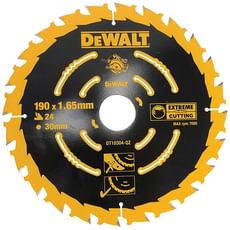
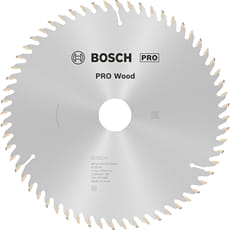
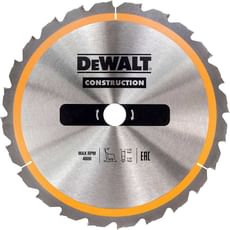
Consider the material: Blade selection depends primarily on what you're cutting. Timber cutting benefits from tungsten carbide-tipped (TCT) circular saw blades, with tooth count matched to application—24-40 teeth for ripping and general purpose, 48-80 teeth for crosscutting and sheet materials. Metal cutting demands bi-metal or HSS blades with appropriate TPI, whilst masonry requires diamond or abrasive blades. Multi-material blades offer versatility for mixed applications.
Assess cutting depth and capacity: For holesaws, measure the required hole diameter and ensure adequate cutting depth for your material thickness. Standard holesaws typically cut to 38-43mm depth, with deep-cut versions available for thicker materials. The Tooled-Up range includes progressive holesaw sets covering multiple diameters with a single arbor system, offering excellent value for varied requirements.
Evaluate tooth configuration: Different tooth geometries suit specific tasks. Aggressive tooth designs with deep gullets clear material quickly in ripping operations, whilst alternate top bevel (ATB) and triple chip grind (TCG) configurations provide clean crosscuts. For reciprocating saws, choose coarser teeth (6-10 TPI) for rapid demolition work and finer teeth (14-24 TPI) for controlled metal cutting.
Factor in blade quality and longevity: Premium blades from manufacturers like Makita, DeWalt, Milwaukee, and Bosch command higher initial costs but deliver superior cutting performance, extended lifespan, and better finish quality. Professional tradespeople typically find quality blades more economical over time due to reduced replacement frequency and improved productivity. Blade coatings such as PTFE reduce friction and resin build-up, further extending service life.
Popular Accessories
- Holesaw Arbors and Pilot Bits: Replacement arbors in various thread sizes (M14, M16, M42) and quick-change systems for efficient blade swapping
- Blade Storage Cases: Protective cases preventing tooth damage and keeping blade collections organised
- Cutting Lubricants and Waxes: Reduce friction, heat, and resin build-up, extending blade life and improving cut quality
- Blade Cleaning Solutions: Remove pitch, resin, and material build-up to restore cutting efficiency
- Riving Knives and Guards: Safety accessories for circular saws preventing kickback and protecting operators
- Extraction Adapters: Connect power tools to dust extraction systems, improving visibility and reducing airborne particles
- Cutting Guides and Rails: Ensure straight, accurate cuts with circular saws and jigsaws
- Spare Plug Ejector Springs: Replacement components for holesaws to facilitate slug removal
Safety Information
Personal protective equipment: Always wear appropriate safety glasses or face shields when operating cutting tools, as blades generate high-speed debris and fragments. Hearing protection is essential for prolonged cutting operations, particularly with circular saws and reciprocating saws operating at high RPM. Wear suitable work gloves when handling blades during installation and removal, but never whilst cutting.
Blade installation and inspection: Disconnect tools from 240v mains power or remove batteries before changing blades. Ensure blades are installed in the correct rotational direction as indicated by arrows on the blade body. Check blades for damage, missing teeth, or cracks before each use—damaged blades must be discarded immediately. Tighten all securing bolts, arbor nuts, and grub screws firmly according to manufacturer specifications.
Operational safety: Allow blades to reach full operating speed before engaging material. Never force blades through material—excessive pressure causes overheating, premature wear, and potential blade failure. Secure workpieces adequately using clamps or vices; never handheld material whilst cutting. When using holesaws, apply steady pressure and withdraw periodically to clear swarf and prevent overheating. Be aware that blades remain sharp and potentially hot immediately after cutting operations.
HSE compliance: Employers must ensure operators receive appropriate training in blade selection, installation, and safe operating procedures. Regular tool and blade maintenance schedules should be implemented, with damaged or worn blades removed from service. Work areas should provide adequate lighting, stable working platforms, and appropriate extraction where dust generation is significant, in accordance with COSHH regulations.
Frequently Asked Questions
What's the difference between TCT and HSS blades?
Tungsten Carbide-Tipped (TCT) blades feature extremely hard carbide teeth brazed onto a steel body, ideal for cutting timber, board materials, and plastics. They maintain sharpness far longer than standard steel but are more brittle. High-Speed Steel (HSS) blades offer flexibility and toughness, making them suitable for metal cutting and applications where blade breakage risk is higher. Bi-metal blades combine HSS cutting edges with flexible backing for optimal performance in reciprocating and bandsaw applications.
How do I prevent holesaw slugs from jamming in the cutter?
Material plugs frequently jam in holesaws, particularly in timber and plastic. To minimise this, drill halfway through from one side, then complete the hole from the opposite side—this creates two thinner plugs that eject more easily. Use holesaws with ejector springs and slots that facilitate plug removal. For stubborn slugs, drive a screwdriver through the ejection slots to lever the material free. Applying cutting lubricant also reduces friction and heat, preventing material from welding itself inside the cutter.
Why do my circular saw blades burn wood and leave scorch marks?
Burning typically results from blunt teeth, incorrect blade selection, or improper cutting technique. Ensure you're using a blade with appropriate tooth count—too many teeth for the material thickness causes friction and heat build-up. Feed the saw steadily without forcing; excessive pressure slows blade speed and generates heat. Clean resin and pitch deposits from blade teeth regularly, as build-up increases friction. Check that the blade isn't damaged or warped, and verify your saw operates at the correct RPM for the blade specification.
Can I sharpen saw blades myself or should I buy new ones?
Professional sharpening services can restore TCT circular saw blades multiple times, proving economical for premium blades. However, sharpening costs often approach replacement prices for budget blades, making new blades more practical. Jigsaw, reciprocating, and bandsaw blades are generally considered consumables and replaced rather than sharpened. HSS and bi-metal holesaws can be professionally sharpened but most tradespeople replace them due to modest costs and the convenience of new cutters.
What blade should I use for cutting laminate worktops without chipping?
Laminate and melamine-faced materials require fine-tooth blades (60-80 teeth) with alternate top bevel or triple chip grind configurations. Cut with the decorative face downward when using circular saws, as teeth cut on the upward stroke and any breakout occurs on the upper surface. Alternatively, score the cut line with a sharp knife before sawing. Specialised laminate blades available at Tooled-Up feature negative hook angles and extra-fine teeth specifically engineered to produce chip-free edges on veneered and laminated panels.