

Secateurs

Pay in 3 interest-free payments on purchases from £20-£3000 with  . Learn more.
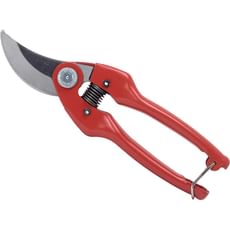
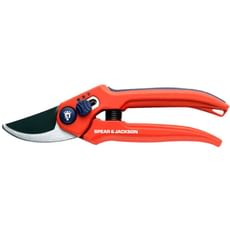
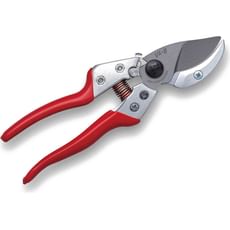
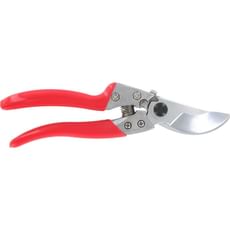
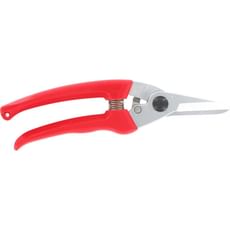
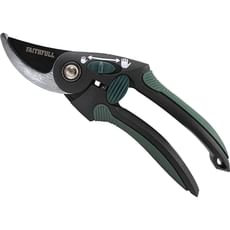
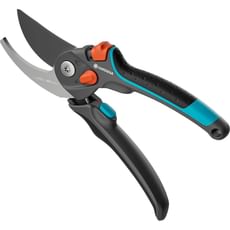
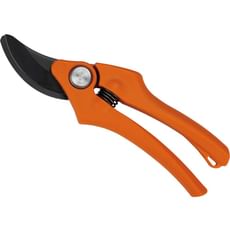
 Loading...
End of content
Error - No more pages to load
About Secateurs
Secateurs, also known as pruning shears or hand pruners, are essential handheld cutting tools designed specifically for precision work on branches, twigs, vines and plant stems. Whether you're a professional landscaper maintaining commercial gardens or a keen gardener tending to your own plot, choosing the right secateurs can make the difference between clean, healthy cuts that promote plant growth and ragged tears that leave plants vulnerable to disease.
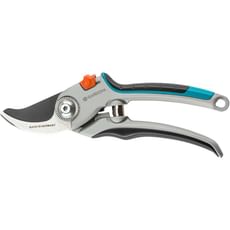
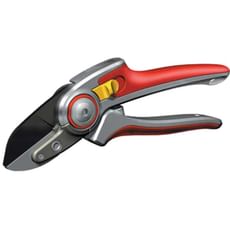
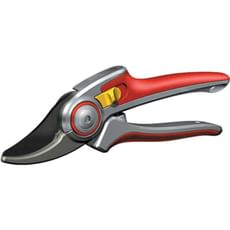
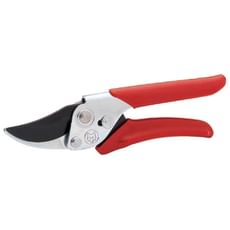
There are two main types of secateurs available: bypass secateurs and anvil secateurs. Bypass secateurs work like scissors, with two sharp blades that pass by each other to create a clean, precise cut. This makes them ideal for cutting live, green wood and softer stems where you want to encourage healthy regrowth. Anvil secateurs, on the other hand, feature a single sharp blade that closes down onto a flat anvil surface, crushing the material as it cuts. This design excels at tackling thicker, woody stems and dead or dried branches that would otherwise be difficult to cut cleanly.
The selection at Tooled-Up.com includes secateurs from trusted manufacturers such as ARS, Bahco, Gardena, and Draper, with options ranging from compact snip secateurs for delicate work to heavy-duty professional models with hard-chromed blades for extended durability. Many modern secateurs feature ergonomic handles, single-handed locking mechanisms, and replaceable parts to extend the tool's working life.
Jargon Buster
- Bypass Action: A cutting mechanism where two sharpened blades slide past each other like scissors, producing clean cuts ideal for live plant material and promoting healthy regrowth.
- Anvil Action: A cutting system featuring one sharpened blade that presses down onto a flat surface (anvil), crushing and cutting simultaneously. Best suited for dry, dead wood and thicker branches.
- Hard-Chrome Plating: A protective surface finish applied to secateur blades that increases resistance to corrosion and sap build-up whilst reducing friction for smoother cutting action.
- Cutting Diameter: The maximum thickness of branch or stem that secateurs can safely cut, typically ranging from 10mm for light-duty models up to 25mm for heavy-duty professional secateurs.
- High-Carbon Steel: A blade material containing increased carbon content for superior edge retention and hardness, allowing blades to stay sharper for longer between sharpening sessions.
- Single-Hand Locking: A safety mechanism that allows the user to open and lock secateurs using only one hand, improving convenience and reducing the risk of accidental cuts during storage or carrying.
Who Uses Secateurs?
Secateurs are indispensable tools for a wide range of professionals and enthusiasts:
- Professional Landscapers – maintaining commercial properties, parks and estates
- Groundskeepers and Greenkeepers – managing sports grounds and golf courses
- Arborists and Tree Surgeons – pruning and shaping trees and shrubs
- Horticulturalists – working in nurseries, botanical gardens and horticultural centres
- Vineyard Workers – harvesting grapes and maintaining vines
- Florists – preparing cut flowers and creating arrangements
- Local Authority Parks Teams – maintaining public green spaces
- Market Gardeners and Fruit Growers – commercial fruit and vegetable production
- Keen Gardeners and Allotment Holders – maintaining private gardens and plots
How to Choose the Right Secateurs
Cutting Action: Select bypass secateurs for live, green plant material and general garden maintenance where clean cuts are essential. Choose anvil secateurs for dead wood, thick woody stems, and when dealing with harder, drier material that benefits from a crushing action.
Cutting Capacity: Match the maximum cutting diameter to your typical work. Light-duty models (10-15mm capacity) suit flower gardening and light pruning, whilst heavy-duty secateurs (20-25mm capacity) are necessary for established shrubs and thicker branches.
Blade Material: High-carbon steel blades offer excellent edge retention for professional use, whilst hard-chrome plated blades provide superior corrosion resistance and reduced sap adhesion, particularly valuable when working with resinous plants.
Handle Design: Ergonomic handles with cushioned grips reduce hand fatigue during extended use. If you'll be using secateurs for several hours daily, consider rotating handle designs that reduce wrist strain. Left-handed users should look for dedicated left-handed models from brands like Bahco.
Weight and Balance: Professional models from manufacturers such as ARS and Bahco typically weigh between 195-250g. Lighter secateurs reduce fatigue but may sacrifice durability, whilst heavier models often feature more robust construction for demanding commercial use.
Locking Mechanism: Single-hand locking systems offer improved convenience and safety. Look for squeeze-open mechanisms that can be operated whilst wearing gloves, essential for professional tradespeople working in variable conditions.
Popular Accessories
Enhance your secateurs and extend their working life with these complementary products available from Tooled-Up:
- Secateur Holsters – keep your secateurs safely attached to your belt for easy access whilst working
- Replacement Blades – extend tool life by replacing worn cutting blades rather than buying new secateurs
- Replacement Springs – restore smooth action to tired secateurs with genuine replacement springs
- Sharpening Stones and Files – maintain optimal cutting performance with regular blade sharpening
- Blade Cleaning Solution – remove sap and resin build-up to prevent blade corrosion and maintain cutting efficiency
- Tool Oil – lubricate pivot points and mechanisms for smooth operation
- Gardening Gloves – protect hands whilst pruning thorny plants and shrubs
- Loppers – for cutting thicker branches beyond secateur capacity (typically 25mm+)
Safety Information
Personal Protection: Always wear appropriate gardening gloves when using secateurs, particularly when working with thorny plants. Safety glasses are recommended when cutting overhead to prevent debris falling into eyes.
Proper Use: Never exceed the manufacturer's stated maximum cutting diameter, as this can damage the blades and cause the tool to slip, risking injury. Use loppers or saws for branches beyond your secateurs' capacity.
Blade Safety: Keep blades sharp – dull blades require excessive force and are more likely to slip. Always engage the safety lock when secateurs are not in use, and store them in a holster or safe location where the blades cannot cause accidental cuts.
Maintenance Safety: When cleaning or sharpening blades, work away from your body and keep fingers clear of cutting edges. Ensure locking mechanisms are engaged during maintenance.
Disease Prevention: Clean and disinfect blades between plants when pruning, particularly when working with diseased material, to prevent spreading infection throughout your garden or client's property.
Frequently Asked Questions
What's the difference between bypass and anvil secateurs?
Bypass secateurs have two sharp blades that slide past each other like scissors, creating clean cuts ideal for live plant material. Anvil secateurs feature one sharp blade that closes onto a flat surface, crushing as they cut, which works better for dead wood and thicker, woody stems. For general gardening and live plant pruning, bypass secateurs are usually the better choice.
How often should I sharpen my secateurs?
Professional users should sharpen their secateurs every few weeks during the growing season, or whenever they notice the tool crushing rather than cleanly cutting stems. Occasional gardeners may only need to sharpen once or twice per season. Regular cleaning and oiling between uses will help maintain sharpness for longer.
Can I use secateurs on thick branches?
Only if the branch diameter is within your secateurs' rated cutting capacity, typically indicated in millimetres on the product specifications. Most secateurs handle 10-25mm diameter branches. Attempting to cut thicker material risks damaging the tool and causing injury. Use loppers or a pruning saw for branches exceeding your secateurs' capacity.
Why do my secateurs keep sticking?
Sticking is usually caused by sap and resin build-up on the blades, or lack of lubrication at the pivot point. Clean blades thoroughly with a suitable cleaning solution after each use, particularly after cutting resinous plants. Apply a small amount of tool oil to the pivot mechanism regularly to maintain smooth action.
Are left-handed secateurs available?
Yes, several manufacturers including Bahco produce dedicated left-handed secateurs with the blade orientation reversed for comfortable use by left-handed gardeners and professionals. Using right-handed secateurs in your left hand can result in poor cutting performance and increased hand fatigue.