

Site Transformers
Pay in 3 interest-free payments on purchases from £30-2000 with  . Learn more.







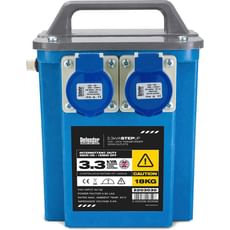
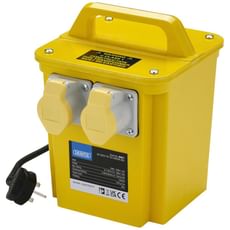
 Loading...
End of content
Error - No more pages to load
About Site Transformers
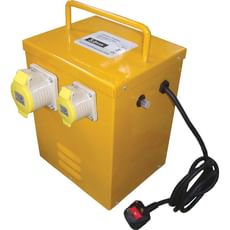
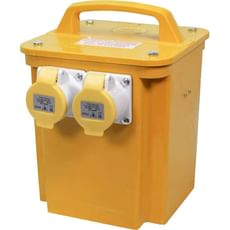
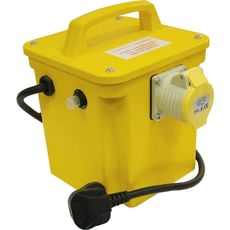
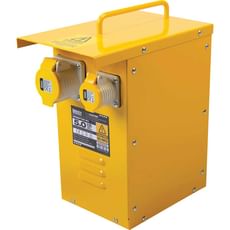
Site transformers are essential electrical safety devices designed to convert 240v mains power down to 110v, the standard voltage used for power tools and equipment on construction sites across the UK. This voltage reduction is a critical safety requirement on building sites, as 110v centre-tapped to earth (55v to earth) significantly reduces the risk of serious injury or fatality in the event of an electric shock or cable damage. Site transformers provide multiple 110v outlets from a single 240v input, enabling tradespeople to power multiple tools and equipment simultaneously whilst maintaining compliance with HSE regulations.
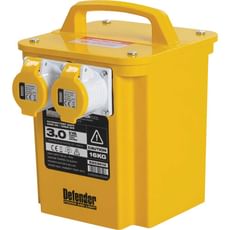
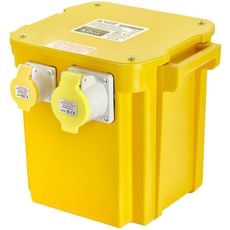
The range at Tooled-Up.com includes portable site transformers in various capacities from 1.5kVA up to 10kVA, suitable for everything from powering individual power tools to running multiple high-draw equipment items simultaneously. Available from trusted brands including Defender, Sealey, Draper, and Faithfull, these transformers feature robust steel casings designed to withstand the demanding conditions of construction sites. Most models include multiple 16A outlets and higher-rated 32A sockets for more powerful equipment, with built-in thermal overload protection and safety cut-outs.
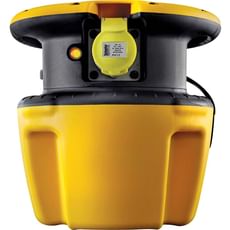
Modern site transformers are built with portability in mind, featuring integrated carry handles, compact footprints, and stackable designs for easy transportation and storage. Many units also include elevated bases to improve airflow for cooling and to keep connections clear of ground-level water and debris. Whether you're running a large construction project requiring continuous power or a smaller domestic job needing occasional tool usage, selecting the appropriate transformer capacity and features ensures safe, compliant, and efficient power distribution on site.
Jargon Buster
- kVA (Kilovolt-Ampere): The measure of a transformer's power capacity. A 3kVA transformer can handle up to 3000 volt-amperes of load. Always check your combined tool wattage doesn't exceed the transformer's continuous rating.
- Centre-Tapped to Earth: A safety feature where the 110v output is split into two 55v phases with the centre point connected to earth. This means if you touch a live conductor, you're only exposed to 55v rather than 110v, greatly reducing shock severity.
- Continuous vs Intermittent Rating: Continuous rating indicates the power level a transformer can safely maintain indefinitely. Intermittent rating is a higher capacity available for short periods (typically 5 minutes on, 15 minutes off) before the unit needs cooling time.
- IP Rating (Ingress Protection): Indicates protection against dust and water ingress. Most site transformers are IP20 (protected against solid objects over 12.5mm) and suitable for covered or dry locations. Higher ratings like IP44 or IP54 offer weather-resistant protection for outdoor use.
- Thermal Overload Protection: An automatic safety cut-out that trips if the transformer overheats due to excessive load or poor ventilation, preventing damage to the unit and reducing fire risk.
- Step-Up Transformer: The reverse of a standard site transformer, converting 110v site power back up to 240v when needed for specific equipment that only operates on mains voltage.
Who Uses Site Transformers?
Site transformers are used by a wide range of construction professionals and tradespeople, including:
- Electricians and electrical contractors – for powering tools whilst installing electrical systems on new builds and refurbishments
- Builders and general contractors – providing safe power distribution across construction sites
- Carpenters and joiners – running saws, drills, and other woodworking equipment on site
- Plasterers and drywalling specialists – powering mixing tools, sanders, and dust extraction equipment
- Plumbers and heating engineers – for pipe cutting, threading, and power tool operations
- Groundwork contractors – powering compaction equipment, breakers, and site lighting
- Plant hire companies – supplying transformers alongside tool and equipment rental
- Maintenance contractors – for ongoing building maintenance and refurbishment projects
- Event and festival organisers – providing safe power distribution for temporary structures and outdoor events
- Serious DIY enthusiasts – undertaking major home renovation projects requiring multiple power tools
How to Choose the Right Site Transformers
Calculate Your Power Requirements: Add up the wattage of all tools and equipment you'll run simultaneously. Choose a transformer with a continuous rating that exceeds this total by at least 20% to provide a safety margin. Remember that some tools draw higher current on startup.
Consider the Number of Outlets: Count how many tools you need to power at once. Most transformers offer a combination of 16A sockets (suitable for tools up to around 1.7kW) and 32A outlets for higher-draw equipment like large mixers, compressors, or heaters. Tooled-Up stocks models with between two and six outlets depending on capacity.
Portability vs Capacity: Smaller 1.5kVA to 3kVA units are highly portable and suitable for light to medium duties, whilst 5kVA to 10kVA transformers provide greater capacity but are significantly heavier (up to 70kg). Consider whether the transformer needs frequent moving or can remain in a fixed location.
Duty Cycle and Usage Pattern: If you're running equipment continuously throughout the day, ensure you don't exceed the continuous rating. The higher intermittent rating is only suitable for short bursts with cooling periods. Continuous-rated models are available for applications requiring sustained high loads.
Environmental Protection: Standard IP20-rated transformers suit covered or indoor locations. For outdoor or exposed sites, consider models with higher IP ratings offering weather resistance. Elevated bases help protect connections from standing water and site debris.
Safety Features: Look for thermal overload protection, RCD compatibility, and replaceable fuses or circuit breakers. Units compliant with BS EN 61558 standards meet UK safety requirements. Some models include indicator lights showing power status and fault conditions.
Build Quality and Brand: Established brands like Defender, Sealey, Draper, and Faithfull offer reliable units with good availability of replacement parts and accessories. Steel casings provide better durability than plastic alternatives in demanding site environments.
Popular Accessories
- Extension leads (110v rated) – yellow-jacketed cables for extending reach from transformer to work area
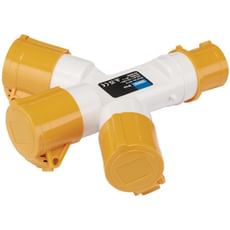
- 110v outlet splitters – increase the number of available sockets from a single transformer outlet
- RCD adaptors – add residual current device protection between transformer and tools for additional safety
- Plug tops and connectors – 110v 16A and 32A plugs for fitting to equipment and extension leads
- Cable reels (110v) – for organised cable management and easier transportation of extension leads
- Generator compatibility leads – connect transformers to portable generators for off-grid power
- Lockable covers – protect transformer outlets from unauthorised use and weather ingress
- Wheel kits – add mobility to larger transformers for easier site positioning
- Transformer stands – raise units to more convenient working heights and improve ventilation
Safety Information
Electrical Safety: Only competent persons should connect site transformers to the mains supply. The 240v input must be protected by an appropriately rated circuit breaker or fuse, and RCD protection should be installed at the supply point. Never bypass or disable safety features such as thermal overload protection.
Load Management: Never exceed the transformer's continuous rating for sustained use. Overloading can cause overheating, premature failure, or fire risk. Monitor the combined wattage of connected equipment and disconnect unused tools to free up capacity.
Ventilation and Positioning: Site transformers generate heat during operation and require adequate ventilation. Don't cover vents, stack materials against the unit, or operate in enclosed spaces without airflow. Position transformers on level ground away from water, combustible materials, and high-traffic areas where they might be knocked or damaged.
Regular Inspection: Before each use, visually inspect the transformer for damage to the casing, cables, and outlets. Check that all connections are tight and free from corrosion. Have units PAT tested at intervals appropriate to your usage pattern and industry requirements, typically every three months for construction site equipment.
Weather Protection: Unless specifically rated for outdoor use with appropriate IP ratings, keep transformers under cover and protected from rain and moisture. Even weather-resistant models should be positioned to minimise direct exposure to the elements where possible.
HSE Compliance: Using 110v equipment via site transformers helps meet HSE requirements for reduced voltage on construction sites. Maintain records of inspection and testing, and ensure all site personnel understand the correct operation of electrical equipment and emergency procedures in case of electrical incidents.
Frequently Asked Questions
Why do construction sites use 110v instead of 240v?
The UK construction industry uses 110v centre-tapped to earth as a safety standard because it significantly reduces the severity of electric shock injuries. With the centre point earthed, anyone receiving a shock is only exposed to 55v rather than 240v, which is far less likely to cause serious injury or death. This is particularly important in construction environments where cables may be damaged, conditions are often wet, and earthing may be compromised.
How do I know what size transformer I need?
Add up the wattage (or amperage multiplied by voltage) of all the tools you'll run simultaneously. Choose a transformer with a continuous rating at least 20-30% higher than this total. For example, if you're running a 1500W mixer and a 1000W grinder together (2500W total), select a 3kVA (3000W) or larger transformer. Remember that some tools draw more power on startup, so additional headroom is advisable.
Can I run a site transformer from a domestic socket?
Smaller transformers (1.5kVA to 3kVA) can typically run from a standard 13A UK socket, though you should verify the input current requirement doesn't exceed 13A. Larger transformers (5kVA and above) draw more current and require connection to a dedicated circuit or industrial supply, typically using commando-style connectors or hardwiring. Always have the mains connection installed by a qualified electrician.
What's the difference between continuous and intermittent ratings?
The continuous rating is the power level a transformer can safely deliver indefinitely without overheating. The intermittent rating is a higher capacity available for short periods (typically 5 minutes) followed by a cooling period (usually 15 minutes). Using a transformer at its intermittent rating continuously will cause overheating and may trip thermal protection or damage the unit. Base your selection on the continuous rating for normal use.
Do I need any accessories to use a site transformer?
Most site transformers sold at Tooled-Up.com are supplied without input cables or plugs, allowing professional installation suited to your specific supply arrangement. You'll need an appropriate input cable and connector for your power source, plus 110v extension leads to reach your work areas. Many users also add RCD protection and keep spare fuses or breakers on hand. Ensure all accessories are rated for 110v site use and meet relevant British Standards.